
Best Bike for Beginner Mountain Biking: Buying Guide for 2026
Disclosure: We may earn a commission when you buy through links on this page, at no extra cost to you. As an Amazon Associate I earn from qualifying purchases. Learn more

Use this buying guide for the best bike for beginner mountain biking to compare fit, brakes, gears and suspension and choose a trail ready first bike.
Your first trail bike should feel stable, stop with confidence, and shift without fuss while you learn to pick lines and climb on dirt. Finding the best bike for beginner mountain biking is mostly about fit, brakes, and simple gearing, not about the lightest frame or the most travel. This guide explains each choice in plain terms so you can spend on what helps you learn.
The comparison table below lets you compare frame sizes, brake types, and suspension travel at a glance. Use the sections after it to understand why those numbers matter on real trails near you.
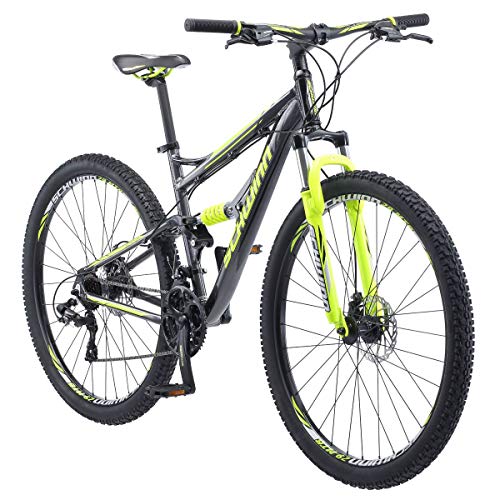


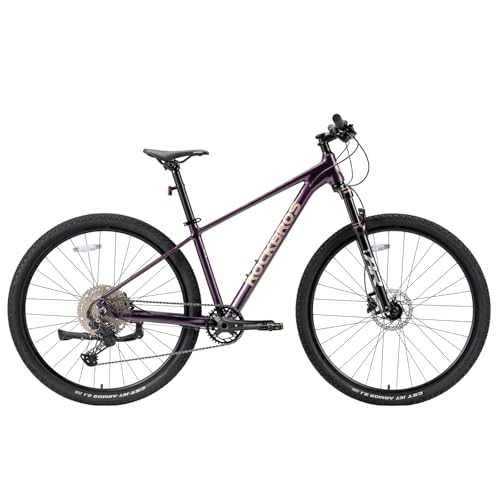


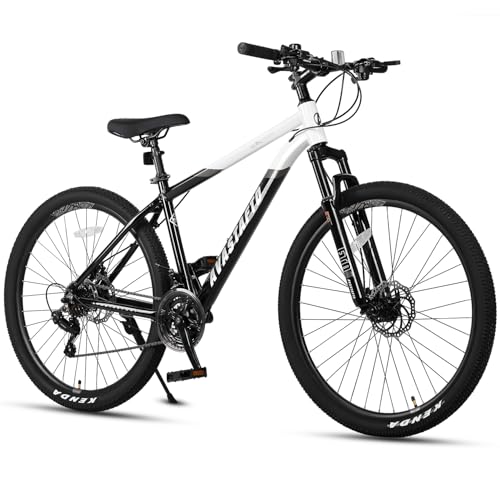


Price Tiers and What Each Tier Delivers
Beginner bikes span a wide price range, and the jump between tiers shows up in brakes, forks, and tires more than in frame color or brand name. Think about how rough your local trails are before you decide.
Mid Range Tier
Bikes around $800 to $1,200 in this tier usually give you a proper air fork, hydraulic disc brakes, and a simple 1x drivetrain with a wide range cassette. Tires often arrive tubeless ready, so a shop can set them up without inner tubes for better grip and fewer pinch flats. This tier suits new riders who know they will ride weekly on real singletrack. The parts also hold resale value better if you upgrade later, and the fork can be tuned for your weight.
Value Tier
Value bikes around $500 to $800 often use a coil fork and mechanical or entry level hydraulic brakes. They still handle green and easy blue trails well when sized right. You give up some fork tuning and tire quality, but you keep the upright learning friendly geometry that matters most at first. This tier works for riders trying the sport on smooth local trails. Save part of your budget for a helmet, flat pedal shoes, and a basic multitool rather than stretching for a higher tier.
Premium Tier
Premium beginner friendly bikes, often $1,200 to $2,000, add lighter wheels, better fork damping, and a dropper post that lowers the saddle for descents at the push of a lever. A dropper post is the upgrade new riders feel most, because it lets you move your body freely on downhills. This tier suits riders coming from road cycling or motocross who will progress fast. You still do not need a full suspension frame at this stage unless your trails are rocky and steep.
How to Choose the Best Bike for Beginner Mountain Biking
Beginner Friendly Features That Matter
Simple controls help you learn faster. A 1x drivetrain with one shifter removes front shifting confusion, and a clutch rear derailleur keeps the chain quiet and secure on rough ground. Look for a frame with room for a water bottle inside the front triangle and mounts you can actually reach. Clear size charts and a shop that offers a short parking lot test ride also count as beginner friendly features, because fit problems show up in minutes.
Features That Matter for Mountain Biking
Dirt riding demands grip, control, and durability in ways pavement riding does not. Tires should have real knobs, a width around 2.2 to 2.4 inches, and casing strong enough for your local rocks and roots. Thru axles at both wheels, now common even on value bikes, keep wheels secure and steering precise. A short stem and wide handlebar, around 740 to 780 mm, give you leverage at low speed. These traits define the best bike for beginner mountain biking far more than frame material does.
Bike Type and Riding Style
Most beginners belong on a trail hardtail built for cross country and general trail use. Cross country bikes pedal efficiently and suit smoother trails, while trail bikes add a slacker head angle and more fork travel for descents. Enduro bikes are heavy and costly for learning basics. If your rides mix dirt roads and easy trails, a hardtail still works well and keeps maintenance simple. Riders who want a broader view can see our guide to the best bike for mountain biking for how types split by terrain.
Sizing and Fit
Fit starts with standover height and reach. You should be able to stand over the top tube with both feet flat and a small gap to spare. Reach that feels too long will push your weight forward and tire your hands, while a bike that feels cramped will wander on climbs. Use the brand size chart with your height and inseam, then confirm with a test ride if you can. When between sizes, most beginners do better on the smaller size for easier control.
Brakes: Hydraulic vs Mechanical Disc
Hydraulic disc brakes stop with less finger force and adjust themselves as pads wear, which matters on long descents when your hands fatigue. Mechanical disc brakes cost less and use a cable you can service with basic tools, but they need more lever force and more frequent adjustment. For trails with real hills, hydraulic brakes are worth prioritizing over a lighter frame. Rotor size also matters, with 180 mm front rotors giving stronger and cooler braking for heavier riders.
Drivetrain and Gearing
A 1x setup with 10, 11, or 12 speeds and a lowest gear near 30 teeth up front and 50 teeth at the back lets you climb steep dirt grades while seated. Wide range gearing matters more than top speed on trails. Steel or alloy chainrings and a chain guide or clutch derailleur reduce dropped chains. Avoid very old 3x systems on used bikes if you can, because they add weight, noise, and shifting steps you will rarely use on dirt.
Suspension: Hardtail vs Full Suspension and Travel
A hardtail has a suspension fork up front and a rigid rear, which keeps price, weight, and maintenance low while teaching you to choose smooth lines. Fork travel around 100 to 130 mm suits most beginner trails. Full suspension adds rear travel that helps on rocky descents but costs more and needs more service. Most new riders learn skills faster and spend less by starting on a hardtail, then deciding later whether their trails truly demand rear suspension.
Types of Bikes
Commuter E Bikes
Commuter e bikes use motors and upright positions built for pavement and bike paths. They can handle smooth gravel, but their tires, forks, and weight make rough singletrack awkward and sometimes unsafe. Trail rules may also bar some e bike classes from singletrack. Choose a commuter model only if dirt riding will be rare and gentle. For trail learning, a regular hardtail remains the simpler and cheaper teacher.
Kids Bikes
Kids bikes are sized for children, not small adults, with shorter cranks, lighter frames, and brakes sized for small hands. A teen who fits adult extra small frames can shop beginner hardtails, but a child should stay on a proper kids model. Never buy a bike for a child to grow into, because an oversized bike undermines control and confidence. Weight matters greatly here, since kids must lift and push the bike on trails.
Electric Mountain Bikes
Electric mountain bikes add a mid drive motor and a large battery that help with climbs and longer rides. They cost much more, weigh around 45 to 55 lb, and may face access limits on some trails. Beginners can learn on them, but the weight changes braking and cornering feel. If you consider one, confirm local trail rules first and budget for stronger brakes and tires that match the extra mass.
Choosing Bikes for Your Situation
Best Bike for Beginner Mountain Biking and Road
If you need one bike that covers beginner trails and road use in a single purchase, choose a hardtail with tires that roll reasonably well on pavement, such as a moderate knob pattern around 2.2 inches wide. A lockout on the fork helps you pedal on roads without bobbing. Consider a second set of smoother tires later if road miles grow. This compromise works for commuting on weekdays and trail learning on weekends, as long as your trails stay moderate.
How to Make Your Bike Last Longer
- Check tire pressure before every ride. Dirt tires often run around 22 to 30 psi depending on your weight and whether you use tubes. Soft tires grip better but risk rim damage if far too low.
- Clean and lube the chain every 100 to 200 miles. A gritty chain wears the cassette and chainring fast. Wipe the chain, add lube, then wipe off the excess.
- Have a professional tune up yearly. A shop can check brake pads, hub bearings, and fork service intervals that home tools cannot fully cover.
- Wash with low pressure water only. Strong jets force water and grit into bearings and suspension seals. Use a bucket, soft brush, and gentle rinse instead.
- Store the bike dry and indoors. Damp storage rusts chains and bolts and fades tires. Hang or stand the bike so tires do not sit in standing water.
Progression also shapes your next purchase. As skills grow, many riders look at sizing and women specific fit advice in our guide to the best women's mountain bike for beginners, or compare their frame choice with options in our guide to the best beginner mountain bike before they commit to a second bike. If you plan to track rides and climbs, our guide to the best bike computer for mountain biking explains what trail riders actually use. Steep lift served terrain is a different sport, so read our guide to the best bike for downhill mountain biking before assuming one bike should do that job too.
Frequently Asked Questions
What makes bikes for beginners different?
Beginner bikes use stable geometry, simple 1x gearing, and forgiving brakes so you can focus on balance and line choice. They also favor durable alloy parts over fragile light parts. Another difference is tire clearance and mount options that let you add a dropper post or wider tires later. In short, they trade race level weight savings for control, service ease, and a price that leaves room for safety gear.
What features matter most in bikes for mountain biking?
Grip, braking, and fit matter most. Knobby tires in the right pressure range, hydraulic brakes you can use with one finger, and a saddle height you can adjust quickly with a dropper post change every ride. Suspension quality matters more than travel quantity, since a well damped 120 mm fork beats a harsh 140 mm fork. Try these points on a short climb and descent if a shop allows a test ride.
What size bike do I need?
Start with the brand chart using your height and inseam, then check standover and reach in person. Your knee should keep a slight bend at the bottom of the pedal stroke with the saddle set right. If you feel stretched to the bar or your hands go numb quickly, try the next size down or a shorter stem. Shops can swap stems cheaply, but they cannot fix a frame that is clearly too large.
What gear does a beginner mountain biker need besides the bike?
Start with a well fitting helmet, flat pedal shoes with a grippy sole, gloves, a pump, a spare tube or plug kit, and a multitool. Padded shorts and eye protection make longer rides more comfortable. Add knee pads as you begin riding steeper trails.
How much should I spend on my first bike?
Plan around $600 to $1,200 for a new hardtail that will hold up on real trails, plus money for a helmet, pump, and basic tools. Spending less often means a fork and brakes you will outgrow in months. Spending more buys a dropper post and better fork that extend the bike life by years. Buying a quality used hardtail from a shop that checked it over can also stretch your budget wisely.
Hardtail or full suspension for beginners?
A hardtail is the better first choice for most beginners because it costs less, weighs less, and teaches line choice without hiding mistakes. Full suspension helps if your home trails are rocky, root filled, and steep, and your budget covers proper service. If you rent both types for a day each, note which one leaves you fresher and more in control at the end, not just which feels softer in the parking lot.
Wrapping Up
Prioritize fit, hydraulic brakes, and a simple wide range drivetrain, and your first trail bike will support you for seasons of learning. Use the product table above to compare travel, brake type, and sizes side by side. When you are ready, choose the best bike for beginner mountain biking option that matches your local trails and leaves budget for a good helmet and a first tune up.


