
Best Bike Foot Pumps: Buying Guide for 2026
Disclosure: We may earn a commission when you buy through links on this page, at no extra cost to you. As an Amazon Associate I earn from qualifying purchases. Learn more

A plain guide to the best bike foot pumps: valve fit, gauge accuracy, barrel size and stability, plus care tips for inflating tires at home.
A foot pump lets you use your leg strength instead of your arms, which helps when tires need high pressure or when your hands tire quickly. Choosing the best bike foot pumps comes down to valve fit, gauge accuracy, stability under your foot, and how much effort each stroke takes. This guide walks through those points in plain language so you can match a pump to your bikes and your space.
The comparison table below gives you a quick way to compare barrel size, gauge style, and hose length side by side. Read the sections after it for the details that decide whether a pump feels easy or frustrating in daily use.
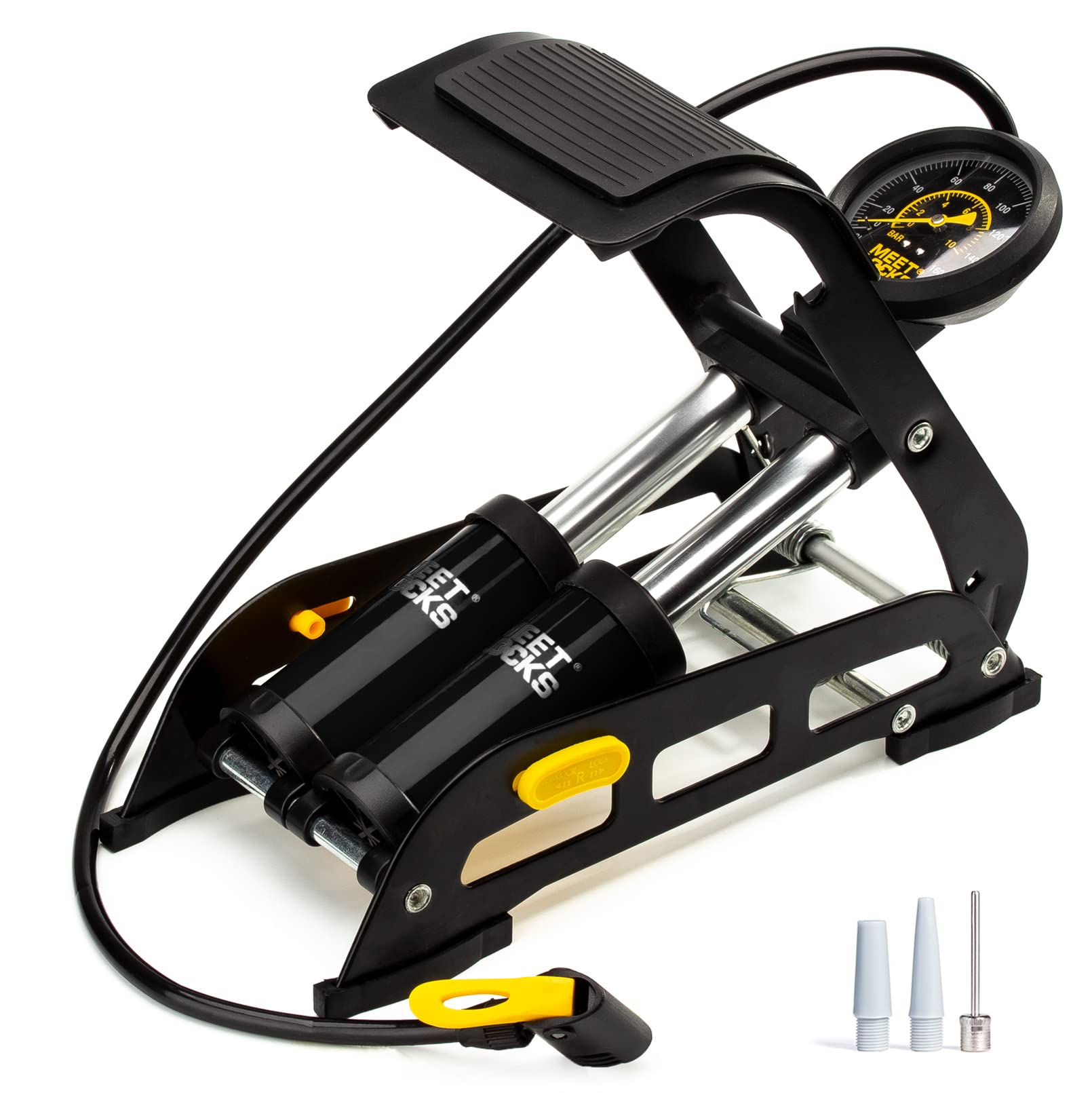


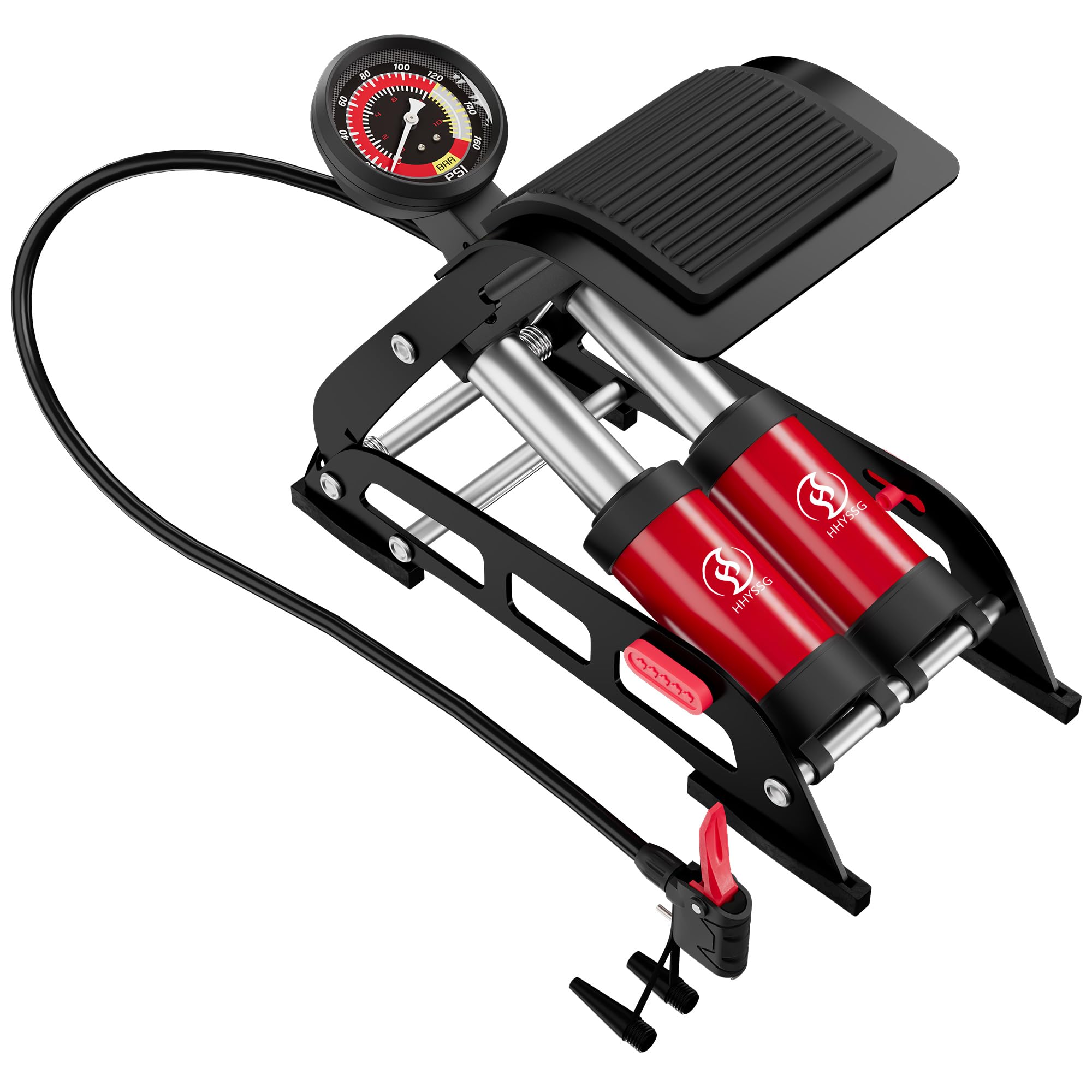


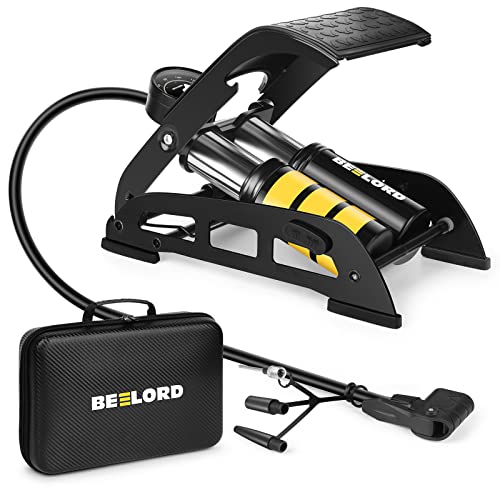
Price Tiers for the Best Bike Foot Pumps
Instead of chasing a single model, think in tiers. Your tire pressure needs, how often you ride, and whether you also inflate sports balls or car tires should decide how much you spend.
Mid Range Tier
Mid range and upper mid range foot pumps, often around $35 to $70, usually give you a steel barrel, a large easy to read gauge, and a dual head that fits both Presta and Schrader valves without swapping parts. The pedal tends to be wide with grip texture, and the base stays planted on garage floors. This tier suits riders who inflate tires weekly and want a gauge they can trust for road tires that run at higher pressure. Expect smoother strokes and better seals that hold up for years.
Value Tier
Value models, often under $35, cover the basics well for casual riders and families. You still get a gauge and a dual valve head on many models, but the barrel may be smaller, so high pressure tires take more strokes. The hose is often shorter and the pedal narrower. If you ride a hybrid or cruiser at moderate pressure a few times a month, this tier is usually enough. Check that the gauge markings are large enough to read while you stand over the pump.
Beginner Friendly Tier
If you have never used a foot pump, look for a simple design with a folding pedal that locks flat for storage, clear gauge markings, and a head that locks on with one lever. Models around $25 to $50 in this group often add a storage clip for the hose and simple instructions printed on the box. A beginner friendly pump should also include adapters for balls and inflatables in a small onboard holder, so you do not lose them in a drawer.
How to Choose: Buying Guide
Start with your valves and your highest pressure tire, then check stability and gauge quality. A pump that fits your valves but wobbles or reads poorly will annoy you every time you use it. The points below help you judge the best bike foot pumps for your own garage without guessing.
Compatibility With Your Bike or Gear
Most bike tires use either a Presta valve, the thin valve with a small brass tip you unscrew, or a Schrader valve, the wider valve like the one on a car tire. A dual head pump handles both without an adapter, which matters if your household has mixed bikes. Check the lock lever feel in product photos and descriptions. It should press on firmly without needing great hand strength. Also confirm the hose is long enough to reach a valve when the bike leans on a stand or against a wall.
Safety and Pressure Control
Overinflation can blow a tire off the rim, so accurate pressure control is a safety feature, not a luxury. Look for a gauge with clear marks every 5 psi and a stated maximum that exceeds your tire needs by a comfortable margin. Inflate in small steps as you near your target and stop to check the gauge reading with the pedal still. If a tire shows cracks, a bulge, or a cut, do not inflate it to full pressure. Replace it first and ask a bike shop if you are unsure about rim limits.
Performance Specs
Two numbers matter most. Maximum pressure tells you the ceiling, often 100 to 160 psi for foot pumps, while barrel volume tells you how much air each stroke moves. A larger barrel fills fat tires faster but needs more force near high pressure. A smaller barrel feels easier on road tires but takes more strokes on wide tires. For most riders, a mid size barrel with a gauge that reads clearly up to at least 120 psi covers road, hybrid, and mountain tires well.
Power Source and Effort
Foot pumps need no battery and no cord, which is their main advantage for travel and for garages without a free outlet. Your leg does the work, so pedal size and stroke smoothness decide comfort. A wide pedal lets you use the ball of your foot and keep your balance. If knee or ankle pain limits you, a floor pump with a long handle or an electric model may suit you better. Riders who want a powered option can see our guide to the best electric bike pumps for how those models compare.
Mounting and Ease of Use
A foot pump lives on the floor, so storage and setup matter more than mounting hardware. Look for a pedal that folds flat, a hose that clips to the body, and a base that will not scratch wood floors. Rubber feet help the pump stay put on smooth concrete. Before a ride, place the pump on a flat surface, lock the head on the valve, and keep the hose free of sharp bends. A pump that sets up in seconds is one you will actually use before every ride.
Fit, Sizing, and Comfort
Comfort here means pedal width, gauge height, and hose reach. A pedal at least as wide as your shoe sole keeps your foot from slipping mid stroke. A gauge mounted near the top of the barrel is easier to read without bending far over. If two people share the pump and one has limited mobility, choose a model with a tall gauge face and a light locking lever. Store the pump indoors where the hose stays flexible and the gauge stays dry.
Types of Bike Foot Pumps
Budget Options
Budget foot pumps suit spare bikes, dorm rooms, and families who inflate tires now and then. They keep costs low with compact barrels and simple gauges. The trade off is more strokes and less precise readings at high pressure. They work best for hybrid and cruiser tires that need moderate pressure. Keep expectations in line with the price and check the head fit on your valves soon after you buy, while a return is still easy.
Commuter Options
Commuter focused pumps balance speed and storage size. They often fold flat enough for a closet or a car trunk and include a gauge you can read in low light. If you ride daily, pair a foot pump at home with a compact backup for the road. Our guide to the best mini bike pumps explains what those small pumps can and cannot do when you get a flat away from home.
Road Cycling Options
Road tires need higher pressure and precise readings, so road focused foot pumps stress gauge accuracy and a secure Presta head. A smaller barrel can be a plus here because each stroke stays manageable near 80 to 100 psi. Look for a long hose so you can work while the bike sits in a repair stand. If you inflate road tires several times a week, also compare hand powered options in our guide to the best bike floor pumps, since a long handle can feel easier on your back.
Options That Also Handle Other Tires
Some foot pumps include needles and tapered adapters for balls, pool toys, and even low pressure car or motorcycle tires. That range is handy, but bike use still needs a proper gauge and a head that seals on Presta valves. Do not rely on a bike foot pump as your only car tire tool, since car tires need volume more than pressure. For a broader look at foot powered designs beyond bikes, see our guide to the best foot pumps and note which features carry over.
Setup and Care Tips
- Check the head seal first. Push the head straight onto the valve and flip the lever. A hiss that does not stop means the head is crooked or the rubber seal is worn.
- Inflate in stages. Add air in short sets of strokes, then pause and read the gauge. This habit prevents overshooting your target pressure.
- Keep the base clean. Grit under the base makes the pump rock and wear unevenly. Wipe the feet and the floor spot where you usually pump.
- Store the hose without sharp bends. A loose coil or the built in clip prevents cracks that later leak air at the head or barrel joint.
- Carry a backup for rides. A foot pump stays home, so carry a small pump or inflator on the bike. Our guide to the best portable bike pumps covers options that fit in a jersey pocket or frame bag.
FAQs
What valve types should a bike foot pump fit?
It should fit both Presta and Schrader valves without loose adapters. A dual head or a reversible head covers nearly every bike in a household, from road bikes to kids bikes. If you own a bike with tubeless valves, confirm the head grips the longer stems that tubeless setups often use, since a shallow head can leak on tall stems.
How accurate is a foot pump gauge?
Most foot pump gauges are accurate enough for daily riding when you read them at eye level and inflate in stages. Readings can drift if the pump drops hard on concrete or the gauge gets wet. Once a year, compare your reading with a shop gauge or a separate digital gauge. If the two differ by more than a few psi at your usual pressure, trust the second gauge for road tires.
How often should I replace a bike foot pump?
Replace it when the head no longer seals, the hose cracks, or the gauge sticks even after gentle cleaning. Seals and hoses wear first, often after several years of regular use. If parts like the head gasket are sold for your model, a fresh gasket can extend life at low cost. A pump that needs constant lever fiddling on every valve is ready to retire.
Can a foot pump reach road bike tire pressure?
Yes, most models can reach 100 psi or more, but effort rises with each stroke near the top of the range. Use your body weight over the pedal and keep your knee slightly bent to reduce strain. Stop every ten strokes to let the gauge settle. If you run very high pressure daily and find the effort hard on your joints, a long handle floor pump may feel better.
Is a foot pump or a floor pump better for home use?
A foot pump wins on storage size and price, while a floor pump wins on speed and ease at high pressure. Foot pumps also travel well in a car for event days. Floor pumps suit riders with several bikes who inflate tires often. Many households start with a foot pump and add a floor pump later, keeping the foot pump in the car as a backup.
Final Thoughts
Match the head to your valves, pick a gauge you can read at a glance, and choose a base that stays planted under your foot. Those three points matter more than a high maximum pressure number you will never use. Look at the product table above to compare barrel size and gauge style, then choose the best bike foot pumps option that fits your tires, your space, and how often you ride.


