
Best Bike Bell for Mountain Bike: Buying Guide for 2026
Disclosure: We may earn a commission when you buy through links on this page, at no extra cost to you. As an Amazon Associate I earn from qualifying purchases. Learn more

Compare the best bell for a mountain bike by sound, mount size, glove friendly use and durability, with a clear fitting checklist for trail riders.
On a shared trail, people around a blind corner cannot see you coming, and a shout often arrives too late or sounds rude. The best bike bell for mountain bike riding gives walkers, dogs and other riders a clear warning while your hands stay on the bar. Use the comparison table below to match sound, mount size and trigger style to your trails.
A bell for dirt riding must stay put over roots and rocks, ring clearly outdoors, and work fast when your thumb is busy near the brake lever.


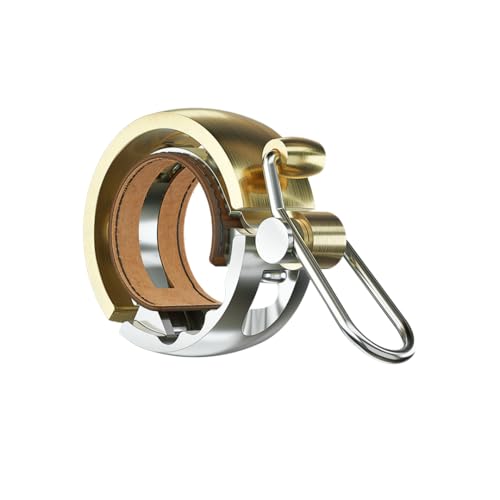


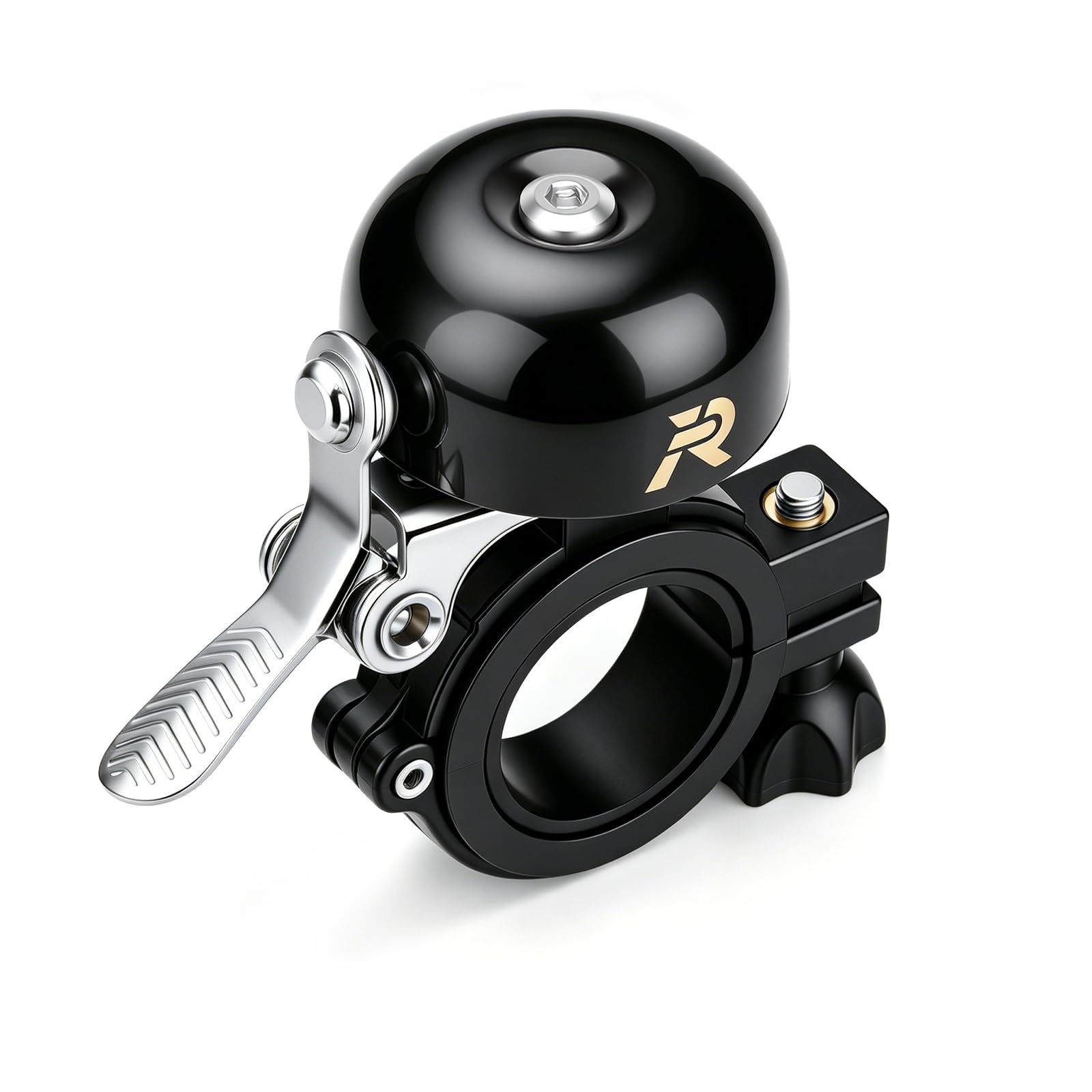
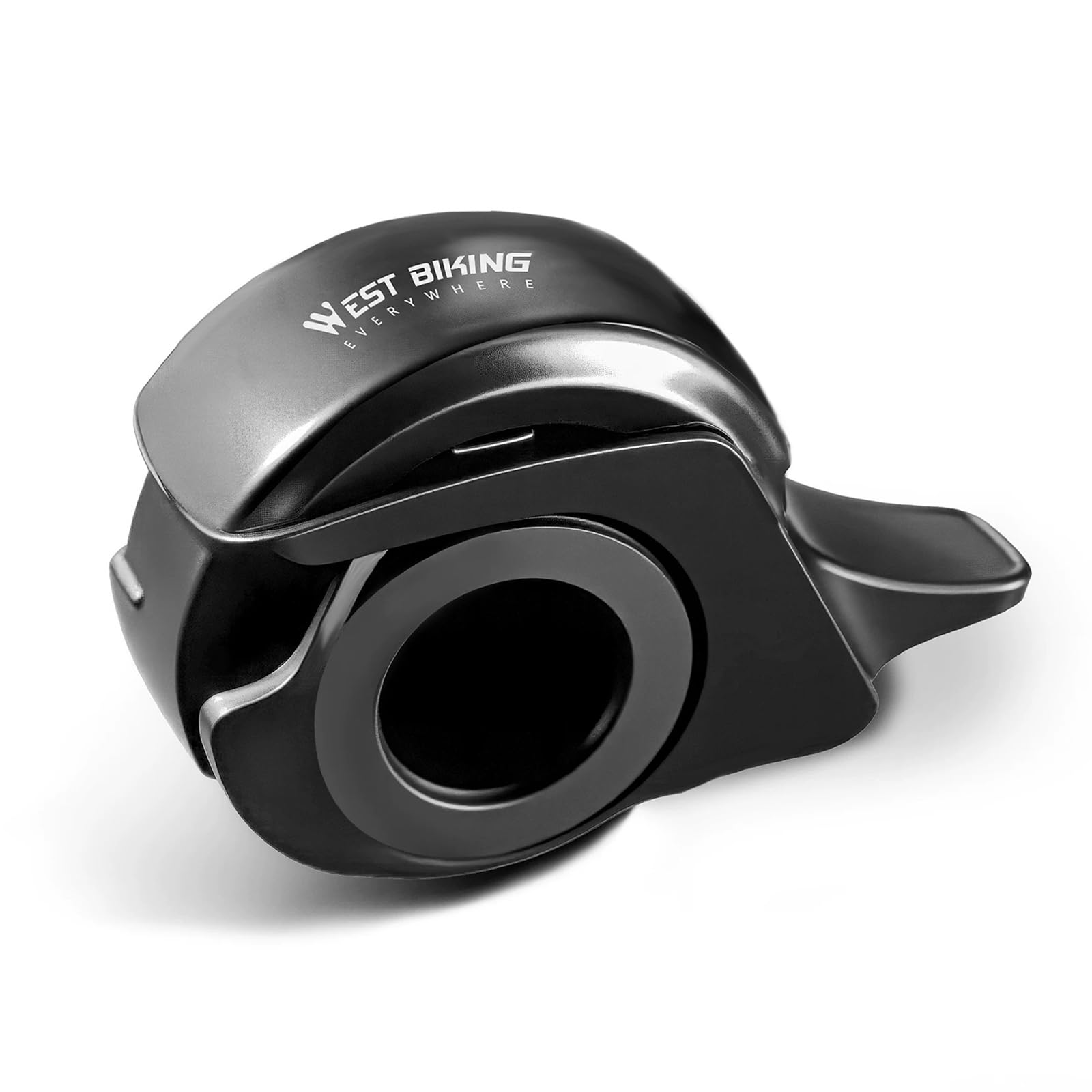

Who Should Buy Which Mountain Bike Bell?
Start with the people you meet most often and the speed at which you meet them. That mix decides how loud and how quick your bell needs to be.
Riders on Shared Trails With Walkers and Horses
You ride paths where families, dog walkers and horse riders share the same narrow line. Choose a bell with a warm, clear tone and a control you can ring gently at a distance, then again as you pass. A calm sound from far back lets people move aside without alarm, and horses settle better when the sound grows gradually.
Riders on Fast Singletrack and Blind Descents
You carry speed into corners where sight lines are short and the surface demands both hands. Choose a bell that rings on its own as the bike moves, or one with a trigger you can flick in a split second without loosening your grip. A brighter tone carries well around bends and cuts through wind and tire noise.
New Trail Riders Building a First Cockpit
You are still setting up your bar controls and may change grips, levers or a dropper remote later. Choose a bell with a flexible strap mount that moves easily while you settle your layout. If you are also choosing the bike itself, see our guide to the best starter mountain bike before you add accessories.
Key Features to Compare
When you compare the best bike bell for mountain bike options, work through these five factors in order. A bell that sounds perfect but fits your bar poorly will annoy you on every ride.
Sound, Tone and How Far the Ring Carries
Sound is the whole point of the bell, and outdoors it behaves differently than it does in a shop. A clear, bright tone tends to carry farther and stand out from wind and tire noise, while a deeper tone sounds pleasant up close but can fade at distance. Longer sustain helps too, because one strike keeps warning people as you approach. On busy trails, favor carrying power over a soft tone.
Ring Style and Trigger Use With Gloves
Whatever ring style you pick from the types below, the trigger decides how usable the bell feels at speed. Check it with your usual gloves on, because a small lever that feels fine bare handed can be hard to find in thick gloves. Your thumb should reach it without shifting your grip or easing off the brake lever, and the action should feel firm enough that trail bumps do not set it off by accident.
Mount Size and Handlebar Compatibility
Most bells clamp on the bar near the grip, where the diameter is 22.2 mm, while the bar widens to about 31.8 mm or 35 mm at the stem. A bell made only for the wider center section will not tighten down near your controls, and a small clamp will not fit near the stem. Check which section you plan to use, and look for shims or an adjustable strap.
Cockpit Space and Mount Design
A mountain bike bar is crowded, with a brake lever, shifter, dropper remote and often a light or computer all competing for the same few inches. A compact bell with a low profile dome tucks beside those controls and stays clear of your thumb. Mounts that rotate let you angle the trigger where your thumb falls naturally. Riders planning longer backcountry routes can also see our guide to the best all mountain mountain bike for bikes built for that terrain.
Dome Material, Weather Resistance and Weight
Brass domes tend to produce a rich tone with long sustain, while aluminum domes sound brighter and weigh less, and plastic domes cost least but often sound dull and crack sooner in cold weather. Trail bells live in rain, mud and dust, so look for a sealed pivot and metals that resist corrosion. Most bells weigh only about 20 to 40 grams, so weight rarely decides the choice.
Types of Mountain Bike Bells Compared
Once size and sound fit your bar, the bell style decides how warnings feel on the trail. For most riders comparing the best mountain bike bells, the choice comes down to how much control they want over each ring.
Classic Dome Bells With a Thumb Lever
This is the familiar round dome with a small spring lever. One flick gives one controlled ring, so you choose the exact moment of each warning. It suits riders who pass people often and want polite, deliberate signals on shared paths.
Rotary Ring Bells That Sound Continuously
A rotary bell rings again and again while you twist a dial or while a striker drags across a toothed ring. The steady sound works well in busy areas where a single ding could be missed, though the constant tone can annoy companions on quiet group rides.
Compact Passive Bells for Rough Descents
A passive bell has an internal striker that rings as the bike shakes over rough ground, with a switch or magnet to silence it when you want quiet. It warns people ahead without any thumb input, which suits fast and technical descents, though it may also ring on rough climbs.
How to Mount a Mountain Bike Bell and Check the Fit
Fit the bell on the side of your stronger hand, close enough to the grip that your thumb reaches the trigger while your fingers stay on the brake lever. Leave a small gap between the bell and the grip so the dome can vibrate freely, because a dome pressed against rubber sounds muted. Keep it clear of cables for the same reason.
Tighten the clamp until the bell no longer rotates when you push it firmly, then stop, because excess force can crack a plastic mount or mark a carbon bar. Ride a short rough stretch and listen for buzzing, which means the mount is loose or the dome touches another control.
Common Mistakes to Avoid
- Buying a bell sized for the wide stem clamp and then finding it will never tighten near the grip.
- Mounting the bell where your thumb must leave the brake lever, so you stop ringing on the sections that need warning most.
- Choosing the quietest bell for fast shared trails, so people hear you only when you are already beside them.
- Letting a cable or grip flange rest on the dome, which dulls every ring without an obvious cause.
- Cranking the clamp bolt as tight as possible, which can crack the mount and let the bell spin loose later.
- Ringing for the first time at close range behind walkers, which startles people instead of giving them time to move.
Care and Maintenance for a Mountain Bike Bell
Rinse mud and grit from the bell with plain water after wet rides, then dry it fully, because grit in the pivot makes the trigger feel slow and shortens the ring. Work the lever a few times as it dries. Avoid oil on the dome itself, since a film of oil deadens the tone.
Check the clamp bolt every few weeks and after any crash, and inspect the dome for cracks or dents. A bell that rings shorter than it used to often has a loose mount rather than a worn dome, so reseat it before you replace it.
FAQ
What features matter most in a mountain bike bell for shared trails?
Carrying power, an easy thumb trigger and a secure mount matter most on shared trails. One point riders overlook is warning distance: ring early enough that walkers can choose a side calmly, roughly when you are still several bike lengths back.
How loud should a mountain bike bell be on a fast descent?
A mountain bike bell on a fast descent should be audible well before your braking distance runs out. Judge it outdoors, not indoors, because wind and tire noise on gravel mask a tone that sounded strong in a room. If riding partners ahead cannot hear it at a normal gap, choose a brighter tone rather than a bigger dome.
Can a mountain bike bell fit both hardtail and full suspension bikes?
Yes, a mountain bike bell fits hardtail and full suspension bikes in the same way, because it mounts on the handlebar rather than the frame. What can differ is bar layout, since bikes with more travel often carry a dropper remote and wider bars, so check your free bar space rather than the frame type. If you are still picking that bike, see our guide to the best bike for mountain biking.
How can you stop a mountain bike bell from rattling on rough ground?
You can stop most rattling by adding a thin rubber shim under the clamp so the mount grips the bar evenly. A strip cut from an old inner tube works well. Rattles can also come from the silencing switch sitting between its two positions, so click it fully on or fully off before you blame the clamp.
Do mountain bike bells still work with thick winter gloves?
Yes, mountain bike bells still work with thick winter gloves if the trigger is large enough to find by feel. Try the bell with the thickest gloves you own, and favor bells with a wide lever paddle over small round buttons. A bell placed slightly closer to the grip also helps.
The Bottom Line
Match the mount to your bar first, then choose tone and trigger style for the trails and people you meet most. A secure fit, a clear ring and a trigger your thumb finds without looking cover nearly every trail situation. Compare your shortlist against the product table above.
Chosen that way, the best bike bell for mountain bike riding becomes a small habit that prevents close calls and keeps encounters friendly. Ring early and pass slowly.


