Best Bell for Mountain Bike in 2026: Everything to Know Before Your First Purchase
Disclosure: We may earn a commission when you buy through links on this page, at no extra cost to you. As an Amazon Associate I earn from qualifying purchases. Learn more

Shopping for the best bell for mountain bike for the first time? Learn the terms, compare options, and avoid rookie mistakes with this easy guide.
A bell is one of the smallest parts you can add to a mountain bike, yet it can change how every shared trail ride feels. The best bell for mountain bike riding warns hikers, runners and slower riders before you reach them, so nobody has to jump aside at the last second. This guide walks through sound, fit and mounting, so you can read the comparison table below with clear priorities.
You do not need to shout or hope people hear your tires on loose dirt. A clean ring from a good distance gives others time to step aside and gives you time to slow down. The right choice depends on your bar size, your gloves and how rough your usual ground is.


Bells 101: The Basics for Mountain Bike Riders
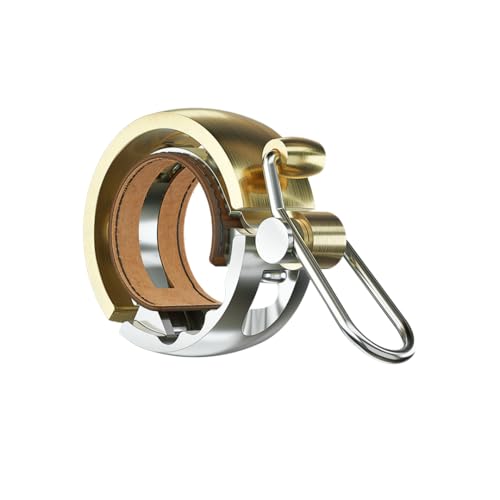
A mountain bike bell is a small dome or striker unit that clamps or straps to your handlebar. You ring it with a thumb lever, a small hammer or a twisting motion, and the dome carries the sound down the trail. Unlike a road bell, it must stay put on rough ground, work with gloves and sit clear of your grips, brake levers, shifter and dropper remote.
There are two broad styles. An active bell stays quiet until you ring it, which suits most trail riding because you choose the moment. A passive bell rings lightly as the bike moves and often has a lever to silence it, which can help on busy paths. Most new buyers should start with an active bell, since it is simple and easy to control.
Who Should Buy Which Mountain Bike Bell?
Start with the trails you ride most, not with the loudest bell you can find.
New Riders on Busy Shared Trails
You ride park paths and popular networks where walkers, families and dogs share the route. Choose a clear tone that carries without sounding harsh, and mount it where your thumb finds it without looking down. If the bike itself is still new to you, see our guide to the best starter mountain bike alongside your bell choice.
Trail Riders on Blind Corners and Fast Descents
You ride narrow dirt trails with turns you cannot see around and drops where speed builds quickly. Choose a strong ring you can trigger well before a corner, while both hands stay on the grips. A firm clamp matters more than a tiny weight saving, because a bell that rotates on a rough descent will not be under your thumb when you need it.
Riders Who Meet Horses, Hikers and Wildlife
You ride forest roads and backcountry routes where an early, calm warning prevents a startled animal or a surprised hiker. Ring early and more than once, then slow down and speak as you pass. A passive style can suit long, quiet routes, but silence it on empty stretches.
Key Features to Compare
Choosing the best bell for mountain bike use comes down to five checks: how it sounds, how it fits your bar, how you ring it, how it survives rough ground and what it costs. If you are still comparing the bike itself, our guide to the best bike for mountain biking covers that separate decision.
Sound, Tone and How Far the Ring Carries
Sound is the whole point of the bell, so judge tone before looks. A clear, high tone tends to carry through wind, running water and trail noise, while a dull thud can vanish behind your own tires. Louder is not always better, because a harsh ring at close range can startle the person you meant to warn. Look for a ring that lasts a few seconds, since a longer ring gives people time to locate you and move aside.
Handlebar Clamp Size and Cockpit Fit
Fit decides whether the bell stays where you put it. Most bars measure 22.2 mm at the grips, where most accessories mount, while the center near the stem is often 31.8 mm and is too crowded for most bells. A fixed clamp must match your bar size, while a strap mount adjusts across sizes and suits a second bike. Check the space beside your grip first, because brake levers, shifters and a dropper remote already claim much of that area.
Lever Reach and Use With Gloves
You ring a bell in a split second, often while braking or steering, so the lever must sit within easy thumb reach. A lever that is too far away makes you loosen your grip, and one that is too close can be struck by accident on climbs. Test the position with the gloves you ride in, since thick winter gloves change your reach. Riders who wear gloves most of the year should favor a larger lever with a firm action.
Mount Style, Rattle and Stability on Rough Ground
A bolted clamp holds tightest on rocky trails, while a stretch strap swaps between bikes in minutes and needs no tools. The trade off is movement: a loose strap can buzz or rotate after repeated hits. Any bell can rattle if its dome screw or clamp works loose, so look for solid hardware and a mount that grips the bar without a gap. A compact bell tucked close to the grip tends to stay quieter than a tall, loose one.
Dome Material, Weather and Price
Brass domes give a warm, long ring and resist rust well, aluminum domes are light with a bright tone, and steel sits between the two at a lower cost. Plastic domes cost least but can sound flat and crack after a crash. Most durable bells cost about $10 to $30, and paying more should buy better tone, a stronger clamp or both.
Getting Started: Mounting and Positioning Your Bell
Mount the bell beside the grip your thumb can spare. Slide it close enough to reach without shifting your hand, but leave room for your brake lever to pull fully. Tighten the clamp until the bell will not rotate when you push it firmly, then stop, because excess force can crack a plastic mount or mark the bar.
Ring it while standing still, then roll a short, quiet stretch and ring it again at riding speed. Listen for buzz from a loose dome or a cable touching the mount, and adjust the angle if the lever brushes your glove. Recheck the clamp after your first rough ride, since new mounts often settle. Riders comparing complete bikes can also see our guide to the best mtb mountain bike.
Common Mistakes to Avoid
These errors are common for first time buyers.
- Buying by looks alone leaves you with a pretty bell whose ring nobody hears beyond a few feet.
- Skipping the bar size check leaves you with a clamp that spins or will not close at all.
- Mounting the bell out of thumb reach means you let go of the grip at the exact moment you need control.
- Ringing at the last second startles walkers and gives them no time to step aside.
- Ignoring a new rattle lets a loose clamp wear the bar finish and lets the bell rotate.
Care and Maintenance of Your Mountain Bike Bell
Rinse mud from the dome and mount with plain water after a wet ride, then dry the bell before storage so grit does not sit in the lever joint. Avoid thick grease on the striker, because grease holds trail dust and can dull the ring.
Check the clamp bolt and dome screw every few rides, and tighten gently if either feels loose. Inspect the mount after any crash, since a bent striker can touch the dome and choke the sound. Replace a cracked dome or a stretched strap promptly, because a bell that fails silently is worse than no bell at all.
FAQ
What features matter most in bells for mountain bike riding?
Tone, clamp fit and lever reach matter most in bells for mountain bike riding. Start with a ring that carries on an open trail, then confirm the mount matches your bar size. One extra check helps: ring the bell while a friend stands down a path with their back turned, and note whether they hear it before you are close.
Where should a mountain bike bell sit on the handlebar?
A mountain bike bell should sit beside one grip, within easy reach of that thumb, with a clear pull left for the brake lever. Leave a small gap from the grip so a thick glove does not rub the mount. If your bars carry a light or a computer, place the bell on the opposite side to keep each control easy to find by feel.
Will a mountain bike bell rattle on rough trails?
A well fitted mountain bike bell should not rattle on rough trails, though a loose clamp or dome screw will buzz quickly. Foam or rubber shims under some mounts calm small vibrations on rocky ground. If a new buzz starts mid ride, tighten that part at home rather than forcing the lever or bending the striker on the trail.
Do mountain bike trails require a bell?
Some mountain bike trails require a bell, and many shared trail systems strongly recommend one, so check the rules at the trailhead and the land manager site before you ride. Rules vary by park and by country, and a few places limit noise near wildlife areas. When in doubt, carry the bell and ring early.
Can I ring a mountain bike bell while wearing gloves?
Yes, you can ring a mountain bike bell while wearing gloves if the lever is large enough and sits close to your thumb. Thin summer gloves rarely change anything, but padded winter gloves can mute your feel for small levers. Practice a few rings in your driveway before a group ride, so the motion is automatic.
Our Verdict
Keep your shortlist simple: a clear tone that carries, a clamp that matches your bar and a lever your gloved thumb can find without looking. Fit and sound beat novelty extras on shared trails. Use the product table above to compare those points before you order.
When you choose the best bell for mountain bike riding with those checks in mind, you get a small part that earns its place on every ride. Ring early, slow down and pass with room to spare.