
Best big man mountain bike Buying Guide 2026
Disclosure: We may earn a commission when you buy through links on this page, at no extra cost to you. As an Amazon Associate I earn from qualifying purchases. Learn more

Taller and heavier riders need the right frame size, weight limit, wheels and brakes: here is what to check in the best big man mountain bike.
A standard mountain bike is sized and built for an average rider, so bigger riders often feel the difference in cramped cockpits, flexing wheels and brakes that fade on long descents. Choosing the best big man mountain bike means checking frame size, rider weight limit, wheel strength and braking power before style or price. This guide explains what to look for so you ride comfortably and safely.
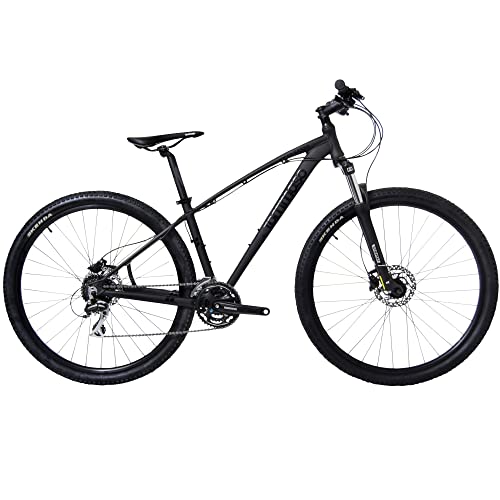
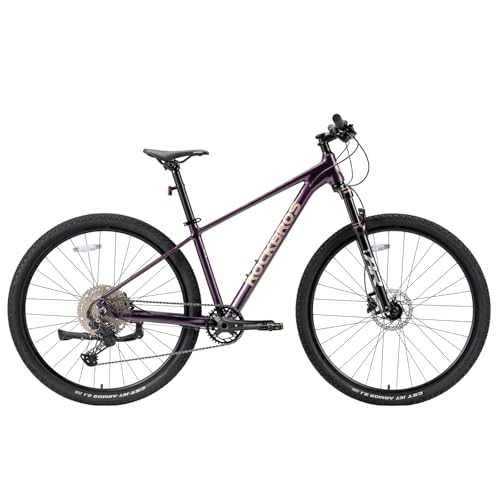
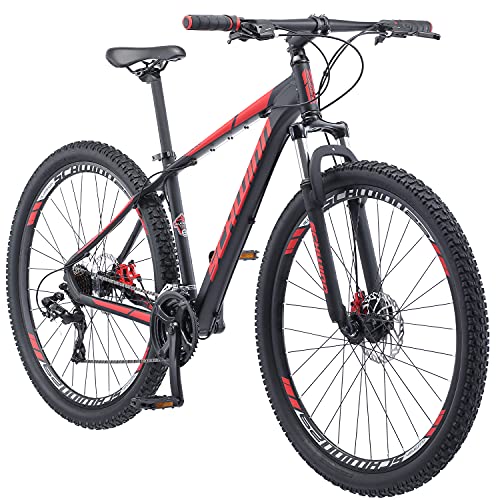
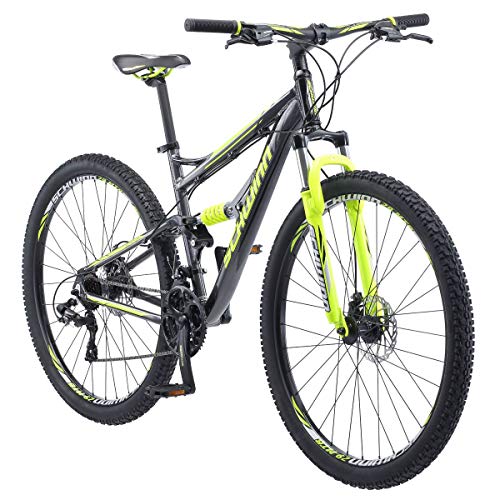
Use the product table to compare frame sizes, wheel sizes and suspension types, then read the sections below to see which specs matter most for taller and heavier riders.



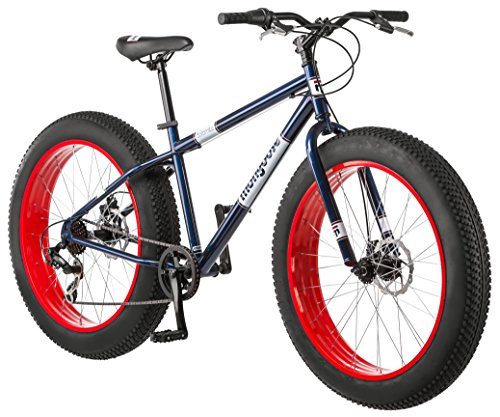

Who This Guide Is For
Tall riders need a larger frame and a longer reach. Heavier riders need strong wheels, brakes and suspension rated for more load. Many buyers are both, and others are simply returning to trail riding after years away and want a bike that feels solid. For more detail by body type, see the guides to the best mountain bike for big men and the best mountain bike for tall man.
Key Features to Compare
Frame Size and Geometry
Frame size is the first gate. Riders around six feet tall or taller usually need a large or extra large frame, often 19 to 23 inches. Compare reach and standover height, not just the size label. A frame that is too small forces a cramped position and a bent posture, and one that is too large makes handling slow and standover tight.
Weight Limit
Check the combined limit for rider, clothing and gear. Many standard mountain bikes list limits around 250 to 300 pounds, and some heavy duty models list more. If you sit near the limit, choose a bike with a clearly stated higher rating and sturdy components, rather than guessing from the frame alone.
Wheels and Tires
Wheels carry the load, so look for double wall rims and a high spoke count, often 32 or 36 spokes. Wider tires run at lower pressure, which adds grip and cushion for heavier riders. Fat tire bikes with 4 inch tires are a strong option on sand, snow and loose gravel, although they are slower on pavement.
Brakes
Stopping distance grows with total weight, so brakes matter more for big riders. Hydraulic disc brakes give stronger, smoother stopping than mechanical discs and need less hand force on long descents. Larger rotors, around 180 mm, also resist heat fade better than small ones.
Suspension and Sag
Hardtails weigh less and need less service, which suits smoother trails and beginners. Full suspension smooths rocky ground but needs correct setup for a heavier rider. Set sag using the maker guidance and a shock pump, because factory settings are often built for lighter riders. If the fork bottoms out often or the bike feels harsh, adjust pressure in small steps.
Types Compared
Hardtail bikes suit most big riders who ride trails, paths and light off road, because they are simpler, cheaper and easier to maintain. Full suspension bikes add comfort and traction on rough descents but cost more and need service. Fat tire bikes cushion heavier loads on loose surfaces and are a good choice for mixed terrain. Electric mountain bikes help heavier riders climb steep trails, although they weigh more and need a higher budget, and trail rules for motorized bikes vary by area.
If your weight is a bigger concern than your height, the guides to the best mountain bike for overweight man, best mountain bike for large man and best mountain bike for heavy man cover strong builds in more detail.
How Much Should You Spend
Basic bikes around $200 to $400 can work for paths and light trails if the frame size and weight limit fit, but parts wear faster under heavier loads. Bikes around $400 to $800 usually add stronger wheels, better brakes and a more reliable fork, which is where most big riders should look. Above that, you pay for lighter frames, air forks and hydraulic brakes with better heat control. Spend first on frame fit, wheels and brakes, and add a helmet and a tune up to your budget.
Fit, Setup and Daily Use
Set the saddle so your knee keeps a slight bend at the bottom of the pedal stroke, and set the bars so your elbows stay soft. Check that bolts are tight and that both brakes stop the bike firmly after assembly. Start on easy trails, learn how the bike handles under load and increase difficulty gradually.
Wear a helmet on every ride, check brakes before descents, and build fitness gradually. If you have a health condition, talk with your doctor before starting intense trail riding, and stop if you feel chest pain, severe breathlessness or dizziness.
Care and Mistakes to Avoid
- Buying a frame by price alone and ignoring the weight limit.
- Skipping wheel checks: spoke tension and rim wear matter more under heavier loads.
- Leaving suspension on factory settings that suit a lighter rider.
- Delaying brake pad replacement, which raises stopping distance on descents.
- Ignoring tire pressure, which affects grip, flats and comfort.
Check tire pressure and spoke tension before trail rides, clean the drivetrain after muddy rides and service suspension and brakes on schedule.
FAQ
What frame size suits a tall mountain biker?
Tall riders usually need large or extra large frames, but reach and standover height matter more than the size label. Compare stack and reach numbers and sit on the bike if you can. A frame that is too small forces a cramped position.
Do heavier riders need stronger wheels?
Yes. Heavier riders benefit from wheels with more spokes, sturdy rims and quality hubs, because lightweight wheels may flex or break spokes under higher loads. Check the combined weight limit for bike, rider and gear.
Hardtail or full suspension for a big rider?
Hardtails cost less, weigh less and need less maintenance, which suits smoother trails. Full suspension smooths rough trails but needs correct setup for heavier riders. Choose full suspension if you ride rocky trails often and can set sag for your weight.
How should suspension be set for a heavier rider?
Set sag to the maker guidance for your weight, using a shock pump and the correct spring rate or air pressure. Heavier riders often need firmer springs or higher air pressure than the default.
Can a bike handle steep descents safely?
A well fitted bike with strong brakes, sturdy wheels and correct tire pressure handles steep descents well. Brake early, keep your weight balanced and walk sections beyond your skill level.
Final Thoughts
Start with frame size and the stated weight limit, then check wheels, brakes and suspension setup, and choose the simplest strong build that fits your trails. Compare your shortlist in the product table, and the best big man mountain bike for you will be the one that fits your body, carries your load with margin and stops with confidence.


