
The Best Big Guy Mountain Bike for 2026: A Buying Guide That Starts With Fit
Disclosure: We may earn a commission when you buy through links on this page, at no extra cost to you. As an Amazon Associate I earn from qualifying purchases. Learn more

Big guy mountain bike buying guide: weight limits, frame fit, brakes, gears and wheels for heavier riders on real trails.
Standard bike sizing charts often stop being helpful once a rider is tall, broad, or well above average weight. Frames flex more, wheels work harder, brakes heat up faster on descents, and a saddle that suits a lighter rider can feel punishing within an hour. Shopping for the best big guy mountain bike therefore starts with honest numbers, including your weight with riding gear, your height, and the trails you will ride most.
This guide explains weight capacity, frame fit, brakes, gears, and wheels in that order, then compares bike types and price tiers. The product table lets you check the main options quickly once you know which limits and sizes apply to you.
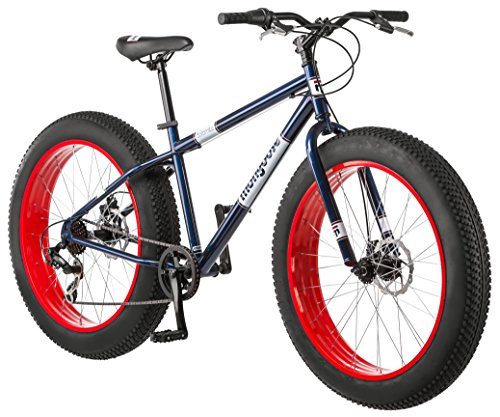
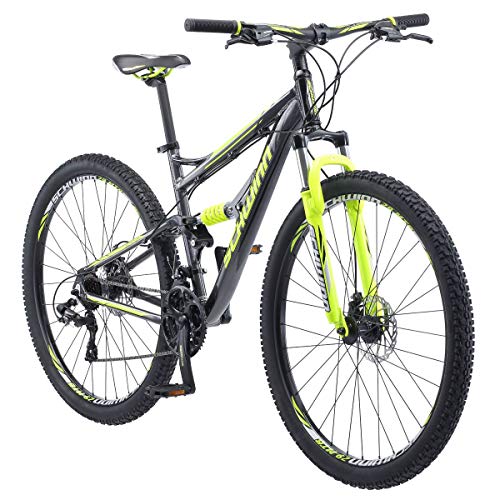


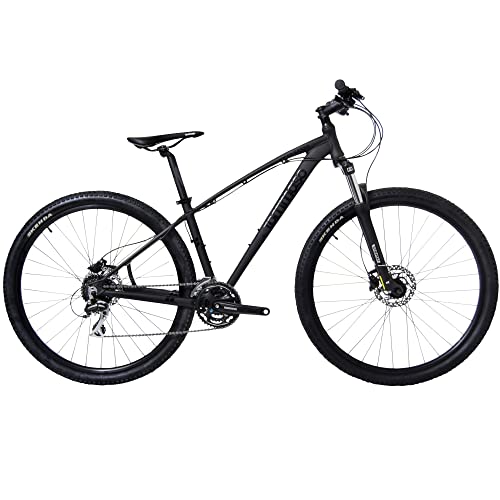

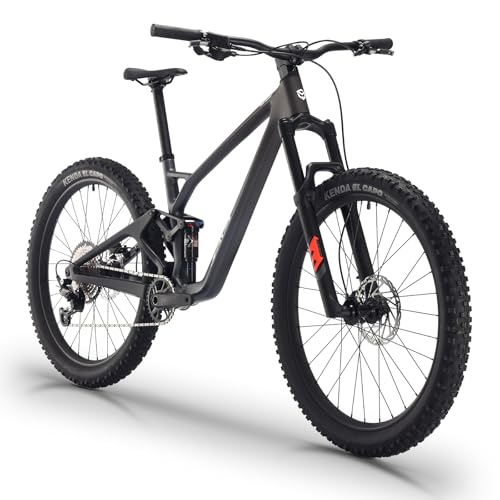
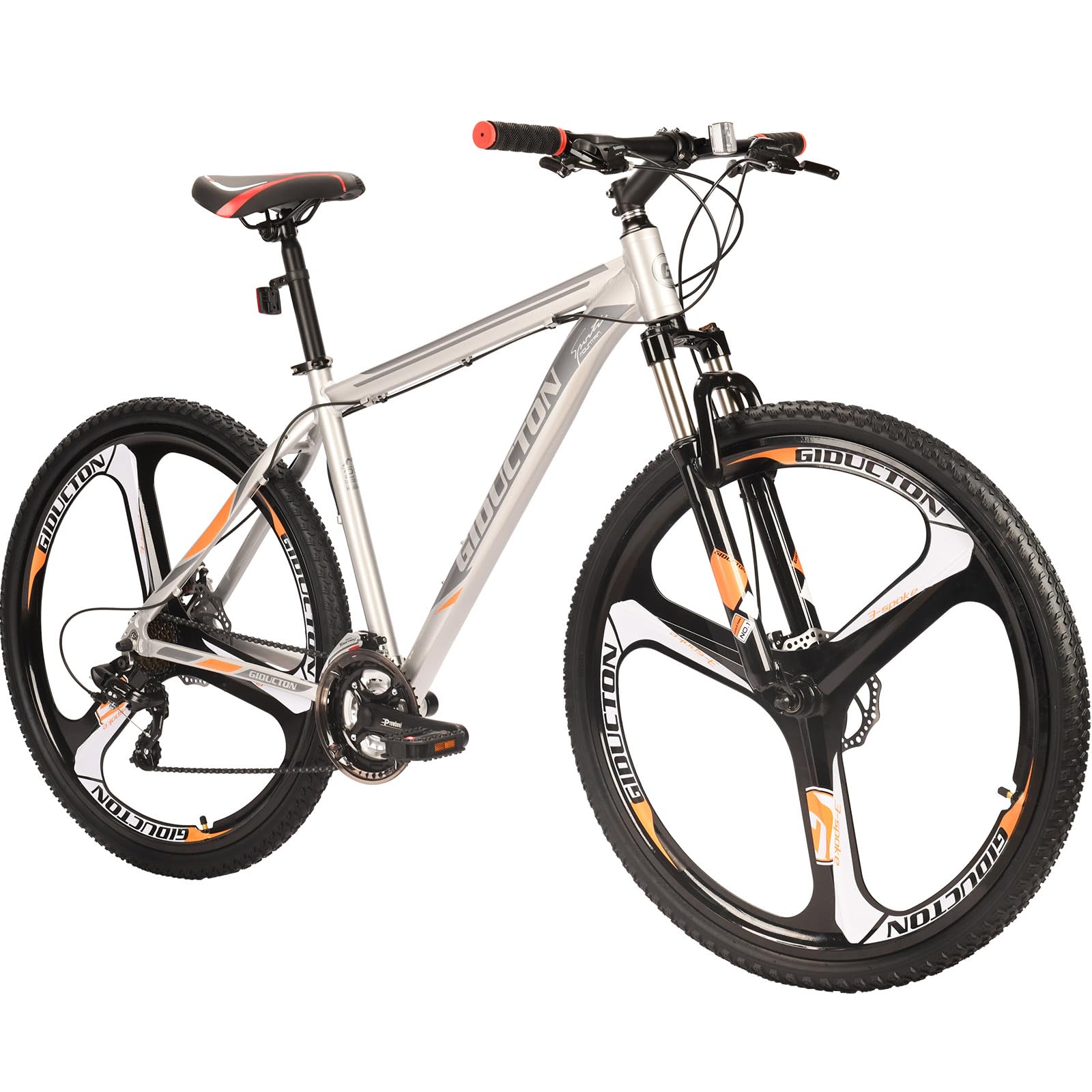

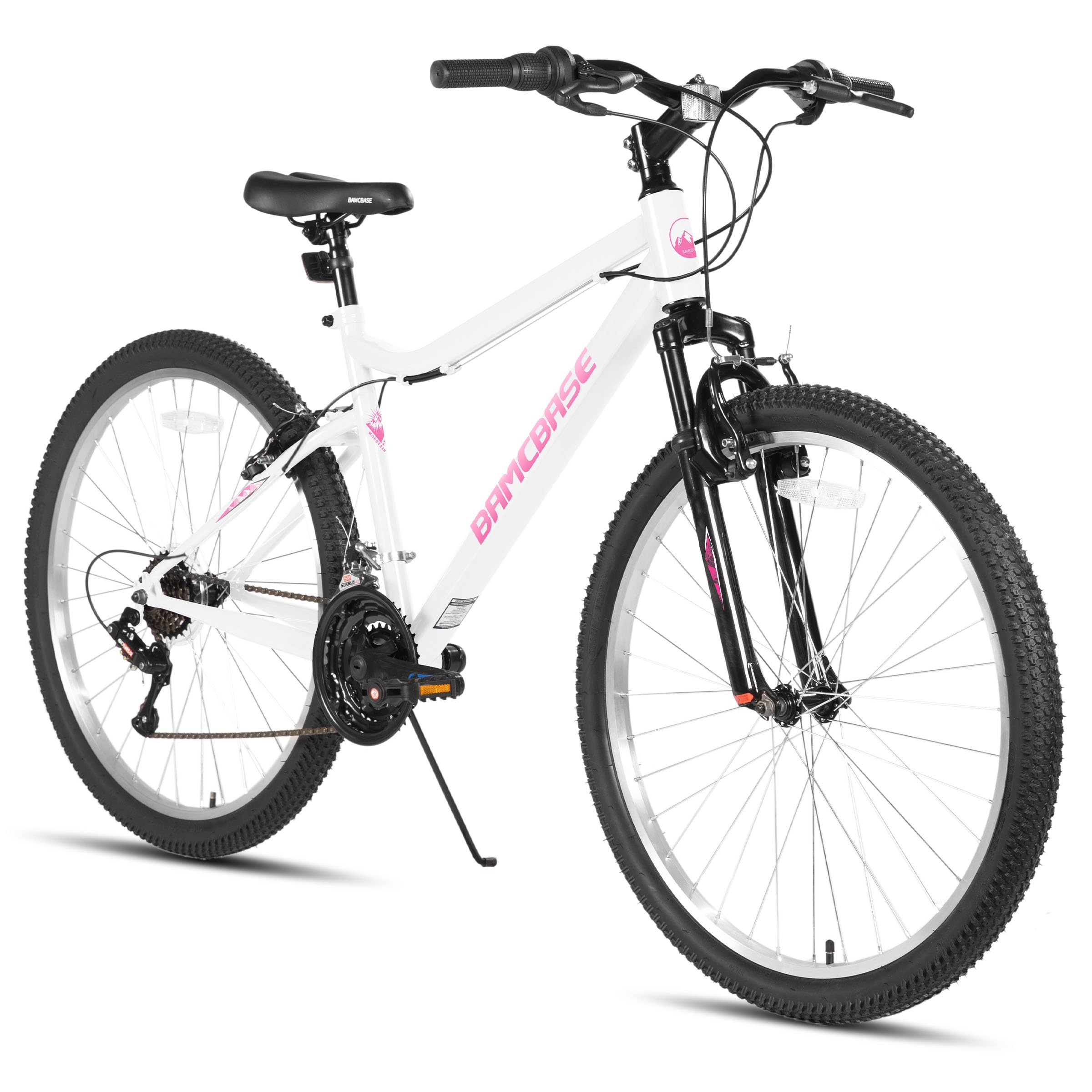
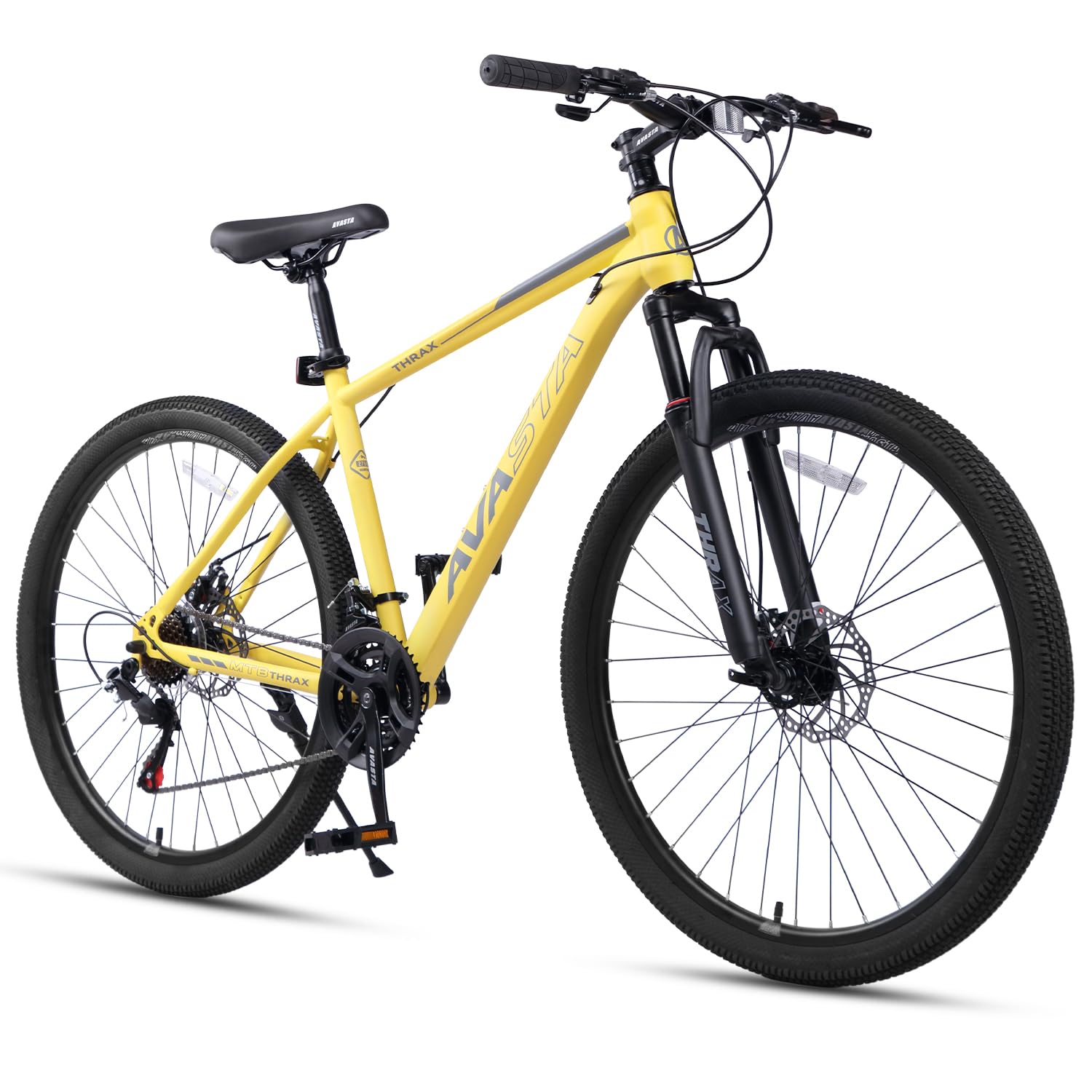

Price Tiers at a Glance
Entry Tier for Lighter Trail Use
At around $500 to $900, expect an aluminum hardtail frame, a basic suspension fork, and mechanical or entry level hydraulic disc brakes. This tier can work well for heavier riders on smooth trails and gravel paths, but you must confirm the stated weight limit covers you plus your pack and water. Wheels are often the weak point at this price, so ask about spoke count and whether the rims suit tubeless tires later. Treat this tier as a starting point for gentle terrain, not as a bike for jumps or rocky descents.
Mid Tier for Regular Trail Riding
At around $900 to $2,000, you gain stronger wheels, hydraulic brakes with larger rotors, a wider range drivetrain, and a fork with better control on rough ground. For most big riders, this is the tier where durability and comfort finally meet. Look for a weight limit with real margin above your riding weight, a dropper post that is rated for your size, and tires you can run at sensible pressures without pinch damage. If you plan to ride weekly, spending here usually costs less than upgrading a cheaper bike part by part.
Premium Tier for Strength and Suspension
Above around $2,000, full suspension frames, stronger forks, and four piston brakes become common, along with wheels built for harder use. This tier suits heavy riders on steep or rocky trails, where suspension control protects both comfort and traction. The extra money should buy rated capacity and service support, not just lighter parts, because the lightest components are not always the strongest choice for a large rider. Ask the maker for the system weight limit in writing, since frame, fork, and wheels can each carry a different limit.
How to Choose the Best Big Guy Mountain Bikes: Buying Guide
Work through the points below in order and you will narrow the field fast. The right best big guy mountain bike choice is the one whose lowest rated part still gives you a safety margin on the steepest trail you plan to ride.
Measuring for Size and Portability
Start with your height, inseam, and total riding weight, and write those numbers down before you shop. Check standover height by standing over the frame in your riding shoes, since you need clear space when you stop on uneven ground. Also think about transport, because a long and heavy bike may not fit a small car rack, and some racks carry lower weight limits than riders assume. If you will lift the bike onto a roof rack or into a truck bed often, total bike weight becomes a real buying factor, not a minor detail.
Bike Type and Riding Style
Cross country bikes are light and efficient for smooth trails and long climbs, but their narrow tires and light wheels may not suit heavier riders on rough ground. Trail bikes balance climbing and descending and fit most riders best as a first serious bike. Enduro bikes add travel and strength for steep terrain, at the cost of weight and price. Gravel and hybrid bikes can handle packed paths, yet their posture and tires limit them on true mountain trails. Be honest about where you will ride eighty percent of the time, and choose for that terrain first.
Brakes (Hydraulic vs Mechanical Disc)
Braking power matters more as rider weight rises, because every descent turns more speed and mass into heat. Hydraulic disc brakes give stronger and more even stopping with less hand effort, and they adjust as pads wear. Mechanical disc brakes cost less and are simple to service, but they need more frequent adjustment and a firmer squeeze. For big riders, larger rotors are a smart priority, since a bigger rotor sheds heat better and resists fade on long downhill sections. Always bed in new pads with a series of gentle stops before your first steep trail.
Sizing and Fit
Frame size charts based on height are only a starting point. Reach decides how stretched out you feel, stack decides how upright you sit, and both should suit your torso and arm length, not just your legs. A bike that is too small forces a cramped posture and twitchy steering, while one that is too large is hard to control at slow speed. If you sit between sizes, many larger riders prefer the bigger frame for stability, provided standover still works. A short test ride on a hill will reveal fit problems that a parking lot loop never shows.
Drivetrain and Gearing
A modern single front chainring setup, often called a 1x drivetrain, is simple, reliable, and gives a wide gear range without a front shifter. What matters most for a heavy rider is the lowest gear, because climbing with extra weight demands an easy option long before top speed matters. Look for a large rear cog and a chain and cassette built for strength, especially on an electric model where motor torque adds strain. Smooth shifting under load is a sign of a well matched system, and a clunky shift on a test climb is worth taking seriously.
Wheel Size and Tires
Larger 29 inch wheels roll over roots and rocks with less effort and hold speed well, which suits taller riders and open trails. Smaller 27.5 inch wheels feel quicker to steer and can be a good fit on tight trails or for shorter riders. For big riders, wheel strength matters more than diameter, so ask about spoke count, rim width, and the rated load. Wider tubeless tires let you run lower pressure for grip and comfort without a tube to pinch, and checking sealant levels every few months keeps that system working.
Types of Big Guy Mountain Bikes
Electric Mountain Bikes
An electric mountain bike adds a motor that helps most on climbs and long rides, which can let a heavy rider explore farther with less strain on knees. The trade offs are price, total weight, and battery care. Confirm the system weight limit carefully, because motor power does not raise the load a frame and wheels can carry. Riders who want to compare motor options can see our guide to the best electric mountain bike for big guys for battery and class details.
Commuter E Bikes
Commuter e bikes suit paved paths, town errands, and gentle gravel rather than technical trails. Their upright posture, smooth tires, and racks make daily trips easy, but the wheels and forks are rarely built for roots and drops. A big rider who mostly rides to work and joins friends on easy paths may be happier here than on a trail bike. Just confirm tire width and weight capacity, since commuter models vary widely in how much load their frames and racks are rated to carry.
Hardtail Mountain Bikes
A hardtail has suspension at the front and a rigid rear, which makes it lighter, simpler, and cheaper to maintain than a full suspension bike. For heavier riders, a quality hardtail is often the smartest value, because money goes into strong wheels and brakes instead of a rear shock. The limit is comfort and traction on rocky descents, where the rear wheel cannot follow the ground as closely. Pair it with wider tires at correct pressure and a supportive saddle, and a hardtail covers most trails that casual riders actually use.
Tips to Get the Most From Your Big Guy Mountain Bike
- Check tire pressure before every ride, and use a pressure guide based on your total weight and tire width rather than a single number for all riders.
- Clean and lube the chain every 100 to 200 miles, and sooner after wet or dusty rides, to protect the drivetrain under higher loads.
- Have a professional tune up yearly, including a check of wheel true, spoke tension, brake pads, and suspension settings for your weight.
- Charge e bike batteries at room temperature and use a charger that matches the maker guidance, ideally with UL 2849 certification for the system.
- Wear a properly fitted helmet on every ride, and stop and seek medical advice if you feel chest pain, severe breathlessness, or dizziness while riding.
- Upgrade contact points thoughtfully, since comfort gear such as our guide to the best mountain bike shorts for big guys can make longer rides far more pleasant.
Big Guy Mountain Bikes: Your Questions Answered
How far can an e bike go on one charge?
Most trail e bikes cover about 20 to 50 miles per charge, and heavier riders using high assist on steep ground should expect the lower end. Range depends on battery size in watt hours, terrain, tire pressure, and how much work you do yourself. A practical way to plan is to turn back at half charge on an unfamiliar route. Cold weather also shortens range, so a winter ride that felt easy in summer may need a lower assist setting or a shorter loop.
How much should I spend on my first bike?
Around $900 to $1,500 buys a first bike with the brakes, wheels, and gearing a heavier rider needs for real trails. Spending less can still work for smooth paths if the weight limit gives you margin. Budget extra for a helmet, a pump, and a saddle that fits, because those items affect safety and comfort from day one. For saddle fit in particular, see our guide to the best mountain bike saddle for big guys before you assume discomfort is normal.
Hardtail or full suspension for beginners?
A hardtail is usually the better first choice because it is simpler, lighter, and teaches clean line choice on trails. Full suspension adds comfort and grip on rough descents, but it also adds cost, weight, and setup steps such as setting sag for your body weight. Beginners on smooth or moderate trails rarely use the extra travel. If your local trails are rocky and steep, though, a mid tier full suspension bike can be the safer and more enjoyable place to start.
What size bike do I need?
Use your height and inseam to find a starting size, then confirm reach, stack, and standover on the actual bike. Many riders over six feet tall end up on large or extra large frames, but proportions vary by brand. One check charts often skip is handlebar width, since wider bars suit broader shoulders and improve control, yet bars that are too wide strain shoulders on long rides. If a shop offers a basic fit session, take it, because small changes to saddle height and bar position transform comfort.
What e bike class is legal where I live?
Rules vary by state, city, and trail system, so check the land manager rules for the exact trails you plan to ride. In general, Class 1 bikes assist only while you pedal and are accepted on the most trails, while throttle equipped and faster classes face more limits. Signs at trailheads often state the rule directly. When in doubt, call the park office before you ride, because a fine or a ban is a poor way to learn a local rule, and rules can change between seasons.
The Bottom Line
Weight capacity, fit, and brakes are the three decisions that matter most, and no paint color or minor feature can make up for getting them wrong. Compare your shortlist against the product table above, and if strength is your top concern, read our guide to the best heavy duty mountain bike for big guys next. Chosen with real margin for your weight and terrain, the best big guy mountain bike will feel stable on climbs, calm on descents, and worth riding every week.


