
Best Baggy Mountain Bike Shorts: What Actually Matters Before You Buy for 2026
Disclosure: We may earn a commission when you buy through links on this page, at no extra cost to you. As an Amazon Associate I earn from qualifying purchases. Learn more

Learn how to choose baggy mountain bike shorts with the right fabric, fit, pockets and weather protection for trail comfort on every ride you take.
Baggy shorts look simple, but a bad pair will bunch at the saddle, soak up sweat, and wear thin after a few rocky descents. This guide uses a clear checklist to judge the best baggy mountain bike shorts on fabric, movement, pockets, and durability. You will learn what good looks like for each point, what counts as a warning sign, and how your riding style should change your choice.
Start with the comparison table below, then use the criteria that follow to read it with confidence. A pair that scores well on paper still needs to fit your waist, your liner, and the weather where you ride most often.


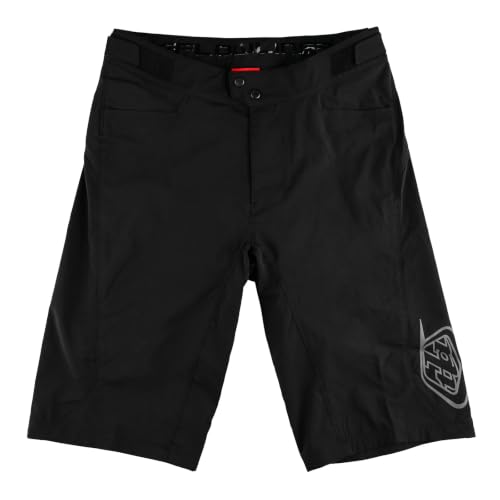


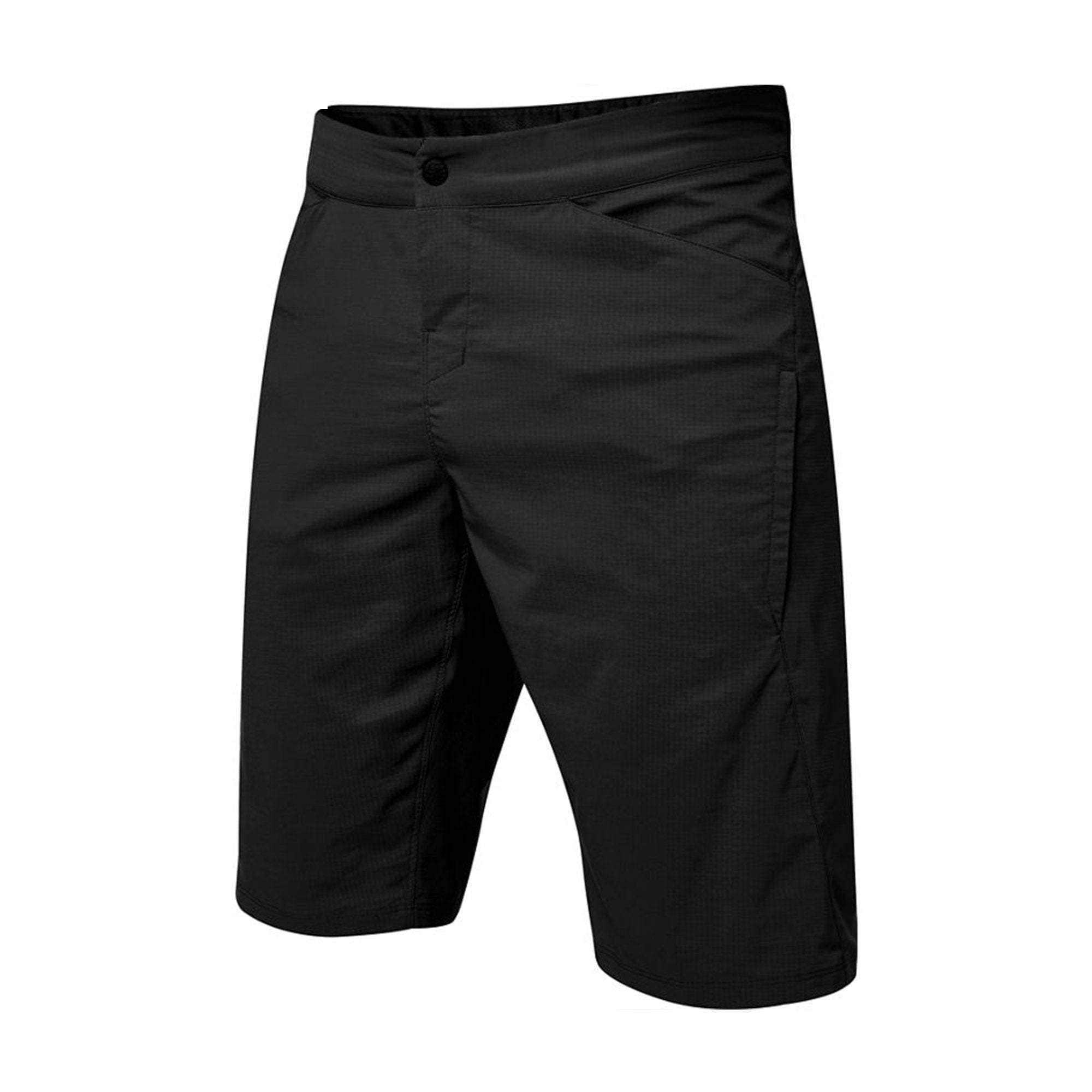

How to Judge Baggy Mountain Bike Shorts
Think of this section as a scorecard you can apply to any pair in the product table above. For each point, note what a strong option offers and where a weak option cuts corners. You do not need top marks in every area, but you should not accept a low mark in fabric, fit, or movement, because those three shape every minute on the trail.
Fabric and Material
Nylon tends to resist scrapes from brush and rocks, while polyester dries fast and often costs less. Merino blends add natural odor control and soft comfort, but they can cost more and may dry more slowly when fully soaked. Cotton blends feel pleasant for a short casual ride, yet they hold water, get heavy, and chafe on longer climbs. For most trail riders, a nylon or polyester shell with a smooth inner face gives the best balance of toughness, light weight, and comfort against a liner.
Stretch and Freedom of Movement
Look for fabric with four way stretch and a modest amount of elastane, often listed as spandex. Around two to eight percent is enough to let the shorts move as you stand to climb, shift your weight back on descents, and step over fallen logs. A shaped panel at the crotch, sometimes called a gusset, reduces bunching and seam pressure in the saddle. If product photos show stiff fabric that only stretches in one direction, expect pulling at the knees when you pedal.
Pockets and Practical Features
Good pockets keep a phone, a small tool, and a snack secure without bouncing against your leg. Zip closures are safer than open tops on rough ground, and a pocket placed slightly toward the back of the thigh tends to swing less. One or two well placed pockets beat four shallow ones you cannot trust. Extra touches worth having include vents you can open on climbs, a stable waist closure that will not pop open, and a loop or clip for keys inside a pocket rather than hanging outside.
Weather Protection
A DWR finish helps light rain and trail spray bead off the surface instead of soaking straight in, though it will fade over time and needs care to last. UPF rated fabric matters on exposed summer rides where your thighs sit in direct sun for hours. For cool or wet seasons, a slightly heavier shell with room for a warm liner matters more than thin summer fabric. No baggy short is a full rain shell, so judge weather claims honestly and plan a jacket for heavy storms.
Durability and Care
Strong stitching at the pocket corners, waist, and crotch matters more than bold claims about toughness. Double stitching and reinforced panels at the seat usually signal a pair built for repeated saddle contact. Check care labels before you buy, because some technical fabrics need cold washing and air drying to protect stretch and water repellent finishes. A pair that pills after a few washes or loses its shape at the waist will annoy you long before it fully wears out.
Breathability and Moisture Wicking
On long climbs your legs produce a lot of heat, and a shell that traps it will feel clammy even with a good liner underneath. Mesh vents, lighter panels behind the knee, and moisture wicking fabric that pulls sweat away from the skin all help. Breathability matters more for riders in warm climates and for anyone who pedals up to earn the descent. If you mostly use lifts or shuttles, you can accept a tougher, slightly less airy shell in exchange for protection.
Fit and Sizing
Baggy should mean room to move, not fabric flapping around your knees or catching on the saddle when you slide back. Most riders do well with a length that ends near the knee and works with knee pads without a big gap or constant overlap. Waist fit is critical, so use the size chart with your actual waist measurement rather than your jeans size, and check whether the waist adjusts with tabs, a belt, or elastic. If you plan to wear padded liners, allow a little extra room through the hips.
Padding itself usually comes from the liner rather than the shell. If you want that protection built around your ride, see our guide to the best mountain bike shorts with padding for how padding thickness changes comfort on long days.
What Each Price Tier Should Deliver
Price alone does not guarantee trail comfort, but each tier should deliver a clear set of features. Use these tier descriptions to judge value in the comparison table above instead of chasing the highest price or the deepest discount.
Higher Tier: What to Expect
In the higher tier, around $90 to $150, expect light yet tough fabric with four way stretch, secure zip pockets, effective vents, and a waist that adjusts without a belt. The fit should work with knee pads and a liner, and the finish should shed light spray. This tier suits riders who ride several times a week and want one pair that handles climbs, descents, and changing weather without fuss. The main trade off is cost, plus the need for gentler washing to protect the fabric.
Middle Tier: What to Expect
In the middle tier, around $50 to $90, you should still get stretch fabric, at least one secure pocket, and solid stitching. You may give up merino blends, give up a refined waist system, or accept slightly heavier fabric. This is the sweet spot for most riders, especially if you want two pairs so one can dry while you ride in the other. Check pocket placement and waist adjustment carefully here, because those details separate a smart buy from a pair that only looks good in photos.
Lower Tier: Light and Simple Options
Lightweight simple options, often around $35 to $60, focus on low weight, fast drying fabric, and easy packing for travel or warm weather rides. They work well for smooth trails, bike park days in summer heat, and riders who carry tools in a pack rather than in pockets. Expect fewer pockets, lighter zips, and less abrasion resistance. If your trails involve rock strikes and thick brush, treat this tier as a second pair rather than your only pair.
Quick Buyer Checklist
Before you order, answer these questions honestly. A no answer does not always rule a pair out, but two or more no answers in fabric, fit, or movement should send you back to the table.
- Does the fabric stretch in all directions and recover its shape?
- Is there at least one zip pocket that fits your phone securely?
- Does the waist adjust without relying only on loose elastic?
- Will the length work with the knee pads you actually wear?
- Is there room for your preferred liner without pulling at the hips?
- Does the shell offer vents or light panels for hot climbs?
- Are care steps simple enough that you will really follow them?
- Does the size chart match your measured waist, not your jeans size?
Red Flags to Watch For
Vague fabric claims with no material blend listed should make you pause, because you cannot judge stretch, drying time, or durability without that detail. Photos that hide the waist closure, pocket depth, and inner seams are another warning sign. Very short warranties or no clear return path suggest the maker does not expect the shorts to last. Be wary of large numbers of glowing comments that never mention fit, sizing, or trail type, since useful feedback usually names a body type and a riding style. Finally, avoid shorts with rough inner seams at the crotch, because that flaw only gets worse after an hour in the saddle.
Fit language also differs by range, so it helps to compare how sizing runs across related styles. For a closer look at cuts made for male riders, see our guide to the best mountain bike shorts for men's and note how waist and inseam options change between brands.
Picking the Right Baggy Mountain Bike Shorts for Different Uses
Trail riders who pedal long climbs should favor breathability, light fabric, and a liner friendly fit. Gravity riders can accept heavier fabric and should prize abrasion resistance and knee pad coverage. Bikepacking and all day riders need pockets they can trust and fabric that dries overnight. Casual riders on smooth paths can choose simpler, softer options and spend less, as long as the waist stays secure and the fabric does not chafe.
Baggy Mountain Bike Shorts for Larger Men: What to Check
If you are shopping for baggy mountain bike shorts for larger men, start with waist range and adjustment, because extended sizes often add width without enough support. Look for a higher back waist, strong adjustment tabs or belt loops, and room through the seat and thigh without extra length you do not need. Stretch fabric matters even more here, since it lets the shorts move as you pedal without digging in when you sit. Try the pair with your liner and pads before removing tags.
Liner choice changes how any shell feels. Riders comparing separate liners can see our guide to the best mountain bike liner shorts to match liner padding and leg grip to ride length. If you prefer padding discussed as part of the short system itself, our guide to the best mountain bike padded shorts explains the trade offs in plain terms.
How to Make Your Pair of Baggy Mountain Bike Shorts Last Longer
Wash technical shorts in cold water and let them air dry, because heat breaks down elastic and fades water repellent finishes. Skip fabric softener, since it coats fibers and reduces moisture wicking and breathability. Close zips and turn the shorts inside out before washing to protect outer fabric from abrasion in the machine. If spray starts soaking in instead of beading, renew the DWR treatment about once a year following the product directions. Store shorts dry and out of constant direct sun.
Women comparing cut, waist shape, and length options can also see our guide to the best women's mountain bike shorts, since fit details differ more than fabric lists suggest.
Baggy Mountain Bike Shorts: Your Questions Answered
How do I wash technical clothing?
Wash it in cold water on a gentle cycle with a mild detergent made for everyday laundry. Close all zips, turn the garment inside out, and skip fabric softener and bleach. Air drying protects stretch fibers and water repellent finishes better than machine heat. If mud is caked on, rinse or shake off the worst of it outdoors first so grit does not grind into the fabric during the wash.
What fabric is best for hot weather?
Light polyester or thin nylon with mesh vents is best for hot weather. These fabrics dry fast, feel cooler against a liner, and weigh less when damp with sweat. Merino blends can feel pleasant but may hold more moisture on very humid days. Choose lighter colors for exposed rides, and favor vents behind the knee and at the thigh if your climbs are long and slow.
Are premium brands worth it?
Premium options can be worth it when they give you a better waist system, tougher stitching, and fabric that keeps its stretch after many washes. You are paying for fit refinement and durability, not for a logo. Riders who ride once a month on smooth trails may never notice the difference. Frequent riders usually feel the value on long climbs and after a full season of washing and wear.
How should they fit?
They should fit close enough at the waist to stay put without a belt digging in, with room through the thigh to pedal and bend freely. The hem should sit near the knee and move with your pads rather than catching on them. You should be able to sit, stand, and lift a knee high without pulling at the crotch. If you must constantly tug the waist up on climbs, the size or waist design is wrong for you.
Wrapping Up
Focus first on fabric with real stretch, a waist that stays secure, and pockets you can trust on rough ground. Match breathability and weather protection to your climate, then use price tiers to judge value rather than hype. When you compare the options in the product table above with this checklist in hand, the best baggy mountain bike shorts for your trails and your body become much easier to spot.


