
Best Big Box Store Mountain Bike: Our 2026 Checklist for Smarter Buying
Disclosure: We may earn a commission when you buy through links on this page, at no extra cost to you. As an Amazon Associate I earn from qualifying purchases. Learn more
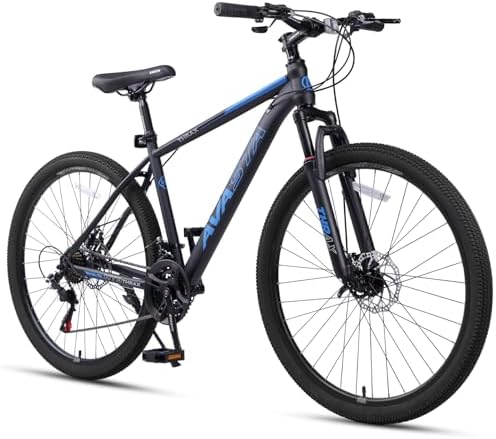
Use a pass or fail checklist for size, brakes, gears, suspension and frame to pick the best big box store mountain bike without guesswork.
Big box stores sell mountain bikes at prices that are hard to ignore, but the quality gap between models on the same rack can be huge. A simple scoring checklist solves that problem. This guide shows you how to judge a best big box store mountain bike candidate the way an experienced buyer would, with clear pass and fail thresholds for fit, brakes, gearing, suspension, and frame quality.
Run every bike you consider through the same checks, and the right choice usually becomes obvious. Keep the product table open while you work through the criteria.




How to Evaluate Big Box Store Mountain Bikes
Measuring for Size and Portability
A bike that does not fit your space will not get ridden, so measure first. Note your storage area, your vehicle or rack, and the weight you can lift comfortably. Most store hardtails weigh about 30 to 38 lb, and heavier models strain both racks and riders on stairs. Score a bike well when its weight and folded or stored footprint suit your home, and score it poorly when you would need a new rack or a bigger storage space just to own it.
Bike Type and Riding Style
Decide what the bike is for before you score anything else. Cross country models suit climbs and smooth trails, trail models handle rougher descents, and enduro style models are built for steep downhill riding. Big box shelves also hold gravel, hybrid, and commuter styles that look similar at a glance. A bike passes this check when its tires, gearing, and geometry match your real routes. It fails when the marketing promises downhill performance but the parts are clearly built for bike paths.
Drivetrain and Gearing
Score the drivetrain on simplicity and climbing range. A 1x system with one front chainring shifts with one lever and stays quiet on rough ground, while 2x and 3x systems add range but also add adjustment points. Look for a genuinely easy lowest gear, because walking a bike up every hill ends the fun fast. Parts from established drivetrain makers earn a pass because replacements are easy to find. Unknown parts with no listed model names earn a caution, since a worn cassette or shifter may be hard to match later.
Suspension (Hardtail vs Full Suspension) and Travel
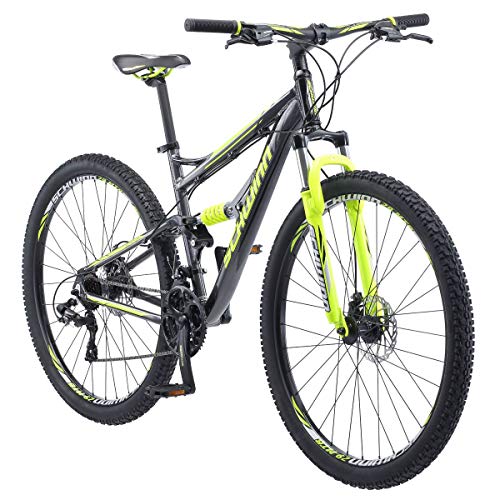
A hardtail has suspension only at the front, while a full suspension bike adds a rear shock. Fork travel around 100 mm suits smooth trails, 120 to 140 mm suits general trail riding, and 150 to 160 mm suits steep and rocky terrain. At store prices, a quality hardtail fork with a lockout usually outperforms a bargain full suspension setup with a soft, unadjustable rear shock. Score suspension on smooth movement and a lockout or firmness control, and mark down any fork that clunks, sticks, or tops out with a harsh bang.
Frame Material and Geometry
Aluminum frames pass most easily at this price: they are light, stiff, and do not rust. Steel is heavier but smooth and durable, and it can be a fair choice for gentle riding. Geometry tells you how the bike will steer. A head angle near 67 to 69 degrees feels calm on descents, while steeper angles feel quick and nervous. Check welds for smooth, even beads, and confirm the frame lists a rider weight limit. This category overlaps with the best big box mountain bike guides elsewhere, and the same frame standards apply under either name.
Sizing and Fit
Fit is a pass or fail gate, not a preference. You need about 1 to 2 inches of standover clearance, a saddle height that leaves a slight knee bend, and a reach that keeps your elbows soft. Riders roughly 5 ft 6 in to 5 ft 10 in usually land on a medium frame, with small and large sizes on either side. Taller and heavier riders need the weight limit and cockpit room checked with extra care, and the guide to the best mountain bike for big men covers those details in depth. A store that stocks only one frame size fails this check for most adults.
Price Tiers That Pass the Checklist
Budget Tier: Passes for Paths and Light Dirt
Budget models, often under $200, can pass for smooth paths and gentle dirt if they have working disc brakes, a frame size that fits you, and bolts that are properly tightened. Expect a heavy frame, a basic fork, and parts that wear sooner than pricier ones. The smart move at this tier is to reserve about $50 to $80 for a shop safety check and a real helmet. A budget bike that passes the fit and brake checks is a reasonable starter; one that fails them is not a bargain at any price.
Mid Tier: Passes for Regular Trail Riding
The mid tier, around $200 to $450, is where most store bikes pass the full checklist. Typical strengths include an aluminum frame, hydraulic disc brakes on some models, a lockout fork, and trail tires with real tread. Assembly still varies, so spin each wheel and squeeze each brake before you buy. Riders who plan weekend trail rides should start their search here, because this tier balances trail ability, serviceable parts, and a price that leaves room for a lock, lights, and spare tubes.
Premium Tier: Passes with Room to Grow
Premium store models, roughly $450 to $800, add air forks, wider range 1x drivetrains, stronger wheels, and more frame sizes. They pass the checklist with margin and suit riders who expect to ride for years. The remaining weakness is service: the store sells the bike but rarely fits or tunes it well. Confirm the return period, keep your paperwork, and have a local shop set the suspension and brakes to your weight. With that step done, this tier competes with entry level bike shop models on the trail.
Quick Buyer Checklist
- Does the frame size match your height and inseam, with clear standover room?
- Do both brakes stop firmly without the lever touching the bar?
- Does the lowest gear feel easy enough for your steepest local hill?
- Do both wheels spin true, without wobbles or rubbing sounds?
- Is the rider weight limit safely above your weight plus your pack?
- Can a local shop get parts for the drivetrain and brakes?
- Does the return window cover at least a few real rides?
Red Flags to Watch For
Walk away from vague spec sheets that name no brake, drivetrain, or fork models, because unnamed parts are hard to service. Be skeptical of review counts that look copied or uniformly glowing on an unknown model, and read the warranty terms: a very short frame warranty signals low confidence from the maker. Finally, if the display bike has a crooked stem, loose headset, or dragging brakes, assume the boxed one was assembled with the same care. Stores also market near identical models as a best box store mountain bike, so apply these same red flags whatever the sign says.
Care and Maintenance Tips
Check tire pressure before every ride, because underinflated tires flat easily and steer badly. Clean and lube the chain every 100 to 200 miles to slow drivetrain wear. Have a professional tune up yearly, and sooner after the first month, since new cables stretch and store assembly settles. Store the bike indoors, wipe it dry after wet rides, and your checklist passing bike will stay that way for seasons.
FAQs
How much should I spend on my first bike?
Plan on about $250 to $450 for a first store bike that passes a basic quality checklist. That range usually buys an aluminum frame, disc brakes, and parts a shop can service. Add roughly $60 to $100 for a helmet, a lock, and an initial tune. Cheaper bikes can work for smooth paths, but very low prices usually mean rim brakes, heavy frames, and parts that wear out within one season of regular riding.
What size bike do I need?
Start with your height, then confirm with standover clearance and reach. Most riders between about 5 ft 6 in and 5 ft 10 in fit a medium frame, while shorter riders need a small and taller riders a large or extra large. Sit on the bike if the store allows it: your knee should bend slightly at the bottom of the pedal stroke. Never buy a size up to grow into, because an oversized bike is tiring and hard to control.
Hardtail or full suspension for beginners?
A hardtail is the safer checklist pass for most beginners. It is lighter, cheaper, and easier to maintain, and the savings buy better brakes and tires. Budget full suspension adds weight and a basic rear shock that brings little benefit on smooth trails. Choose full suspension when your local trails are rocky and steep enough that rear wheel traction is a real problem, and budget for shock service along with normal yearly maintenance.
Our Verdict
Judge every store bike by fit, brakes, and parts you can service, in that order. The checklist in this guide turns a confusing rack of similar bikes into a short list you can trust, and the product table shows how current options compare. Pick the best big box store mountain bike that passes every gate for your terrain, and spend what you save on a helmet and a proper first tune.


