Best Big Barker Dog Bed in 2026: Styles, Sizes and Sizing Tips
Disclosure: We may earn a commission when you buy through links on this page, at no extra cost to you. As an Amazon Associate I earn from qualifying purchases. Learn more

Flat, pillow top and bolster styles compared by size, foam and cover care, so you can choose the best big barker dog bed for a large or senior dog.
Thin beds flatten fast under a large dog, and once the foam bottoms out your dog is resting on the floor with little support for hips, elbows, and shoulders. If you are comparing this brand for a big or aging dog, the best big barker dog bed for your home depends on size, foam thickness, and the shape your dog prefers. This guide walks through the lineup by type, so you can match the bed to your dog instead of guessing.
The brand focuses on large and giant breeds rather than small dogs, and its beds sit at the premium end of the market. Use the product table below to line up the main styles side by side, then read on for sizing, materials, cleaning, and cost guidance.



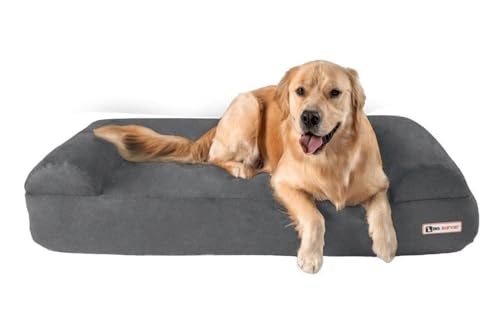
Who Should Buy a Big Barker Bed?
Owners of Large and Giant Breeds
You are the core audience for this brand. Dogs over about 50 pounds compress ordinary foam quickly, and breeds such as Labradors, German Shepherds, and Great Danes need a sleeping surface that stays thick under real weight. A bed built for this weight class gives your dog room to stretch fully without hanging off an edge. If your dog is still growing, size for the expected adult length rather than the puppy you have today.
Owners of Senior Dogs With Stiff Joints
Older dogs often circle longer before settling and rise slowly after naps, both signs that getting up and down takes effort. A thick and supportive foam base can make rest more comfortable and can ease the push up to standing. Our guide to the best dog bed for senior dogs covers ramp and entry height points that pair well with this choice. Note that a bed supports rest only, and it does not treat arthritis or other joint disease.
Owners Tired of Replacing Flattened Beds
If you have bought two or three budget beds in a short span, the math may favor one durable bed instead. Flattened foam loses its cushioning, and dogs start choosing the couch or your bed instead. A premium foam bed costs more upfront, but the cost spreads across years of daily use. This group also values a removable cover, since a bed you cannot wash well rarely stays in the house for long.
How We Compared the Lineup
We compared the styles in this lineup using maker specifications, stated foam construction, size charts, cover and liner details, and patterns in verified buyer feedback. The criteria were size and fit, support and durability, safety and materials, ease of cleaning, and value for the price. Where makers make a durability or warranty claim, check the current product page, since terms and materials can change.
How to Choose the Right Dog Bed
Size and Form Factor
Start with length. Measure your dog from nose to the base of the tail while sleeping, then add about 8 to 12 inches so the legs and head stay on the bed. The lineup runs from large through extra large and giant sizes, and flat beds suit sprawlers while bolster styles suit dogs that rest a head on a raised edge. Our sizing guide on what size dog bed do i need walks through measuring for curlers versus sprawlers in more detail.
Foam Thickness and Support
Thickness matters most for heavy dogs. A thin pad can feel fine in a store yet compress to almost nothing under a 90 pound dog at night. Look for a thick foam core, often around 7 inches in this lineup, with layers that combine a supportive base and a softer comfort top. The discussion in orthopedic vs memory foam dog bed explains how those layer types differ. A supportive base should push back gently rather than letting your dog sink straight through.
Covers, Liners, and Features Worth Paying For
A removable and washable cover is the feature most owners use weekly, so check how it opens and whether it feels sturdy at the zipper. A water resistant liner under the cover protects the foam from accidents, drool, and wet paws, and foam that gets soaked rarely smells clean again. Bolsters add a headrest and a sense of enclosure, but they take up floor space and give puppies more seams to chew. Pay for the liner and cover quality first, and treat decorative extras as optional.
Materials and Chew Resistance
Cover fabrics in this category range from smooth microfiber style cloth to softer plush surfaces. Denser weaves tend to resist scratching from digging dogs better than loose knits, and they shed hair less deeply. No soft bed is truly chew proof, so a determined chewer needs supervision and a different style of bed for unsupervised time. Check foam safety information on the product page, and look for clear statements about what the foam is made from and any certifications the maker lists.
Cleaning and Odor Control
Plan on washing the cover often, since large dogs track in dirt and shed heavily in warm months. A cover that fits a standard home washer and dryer saves trips and cost compared with one that needs special care. Between washes, vacuum the surface and air the foam in a shaded spot, since direct sun can break foam down over time. Our step by step guide on how to clean a dog bed covers stain and odor routines for foam beds like these.
How Much Should You Spend?
Expect premium pricing for this brand, with most large sizes landing at about $200 to $400 depending on size and style. Smaller sizes and simpler flat shapes sit near the low end, while giant sizes and bolster styles sit near the top. Compare that cost with replacing a budget bed several times, and factor in the warranty terms before you decide. If price is the main barrier, our broader guide to the best dog bed shows where this brand sits among other price tiers.
The Big Barker Dog Bed Lineup Explained
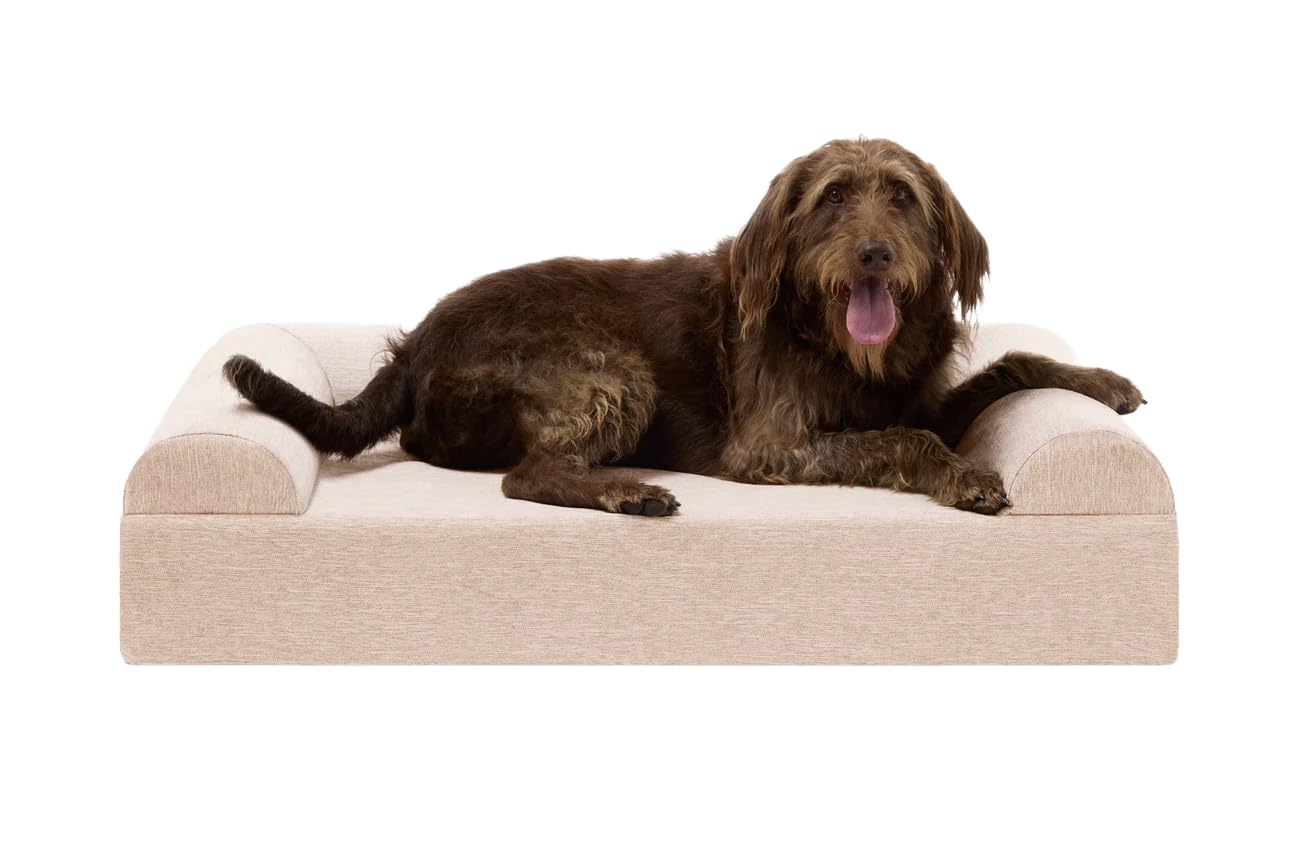
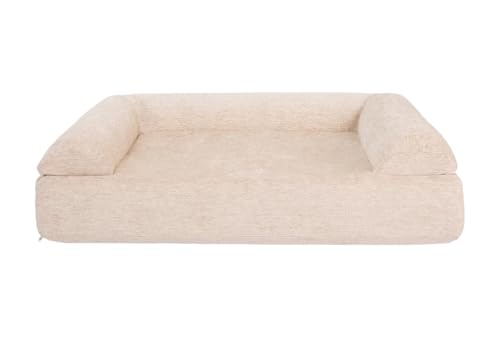
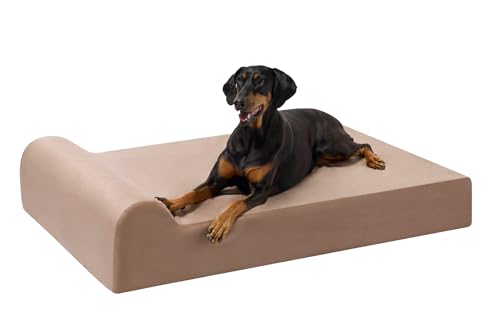
The lineup is simpler than it first looks, and most choices come down to three shapes. The standard flat foam bed is the core style, built around a thick layered foam core for large dogs that sprawl. The pillow top style adds a softer quilted layer on the sleeping surface, which suits dogs that like a cushioned feel while still needing firm support below. The bolster style adds a raised headrest along one or more sides, which suits dogs that sleep curled or rest a chin while watching the room.
Within each shape, size is the main variable, and the largest sizes target giant breeds that most brands ignore. Choosing the best big barker dog bed usually means picking the shape your dog already favors on the couch or floor, then sizing up rather than down. A dog that ignores raised edges gains nothing from a bolster, and a dog that props its head up daily will use one from the first night.
Common Mistakes to Avoid
- Buying by weight alone, since a long and lean dog can need a bigger bed than a heavier but compact dog of the same weight.
- Sizing down to fit a corner, which leaves your dog hanging off the edge and defeats the joint support you paid for.
- Skipping the liner, so one accident soaks into the foam and leaves an odor that washing the cover cannot fix.
- Expecting a soft bed to survive a determined chewer, since seams and zippers fail fast under steady chewing.
- Placing the bed in a drafty or damp spot, which can chill an older dog and slow drying after each wash.
- Assuming a supportive bed replaces vet care, when limping or reluctance to rise needs a professional exam.
How to Make Your Dog Bed Last Longer
Rotate the bed every week or two so your dog does not compress the same spot in the same direction all year. Keep the liner on at all times, even after your dog is fully house trained, since older dogs can have nighttime accidents without warning. Wash the cover in cool water and dry it fully before putting it back, because a damp cover replaced too soon can trap moisture against the foam.
Check the foam every few months by pressing down in the center and at the edges. Foam that stays dented after you lift your hand, or that feels much thinner in the middle, is nearing the end of its useful life. Keep nails trimmed to reduce cover wear, and vacuum hair from seams where it collects and holds odor. If your dog stops choosing the bed, inspect it before replacing it, since a lumpy or smelly surface is often the reason.
FAQ
Is Big Barker a good dog bed brand for giant breeds?
Yes, for giant breeds it is one of the few brands that builds sizes and foam thickness around very large dogs from the start. Many general brands stop at sizes that suit a Labrador, while this lineup extends to dimensions that fit a Great Dane stretched out. That focus is the main reason buyers pay the premium. Check the exact dimensions of each size rather than trusting the size name, since naming varies across brands.
Should I choose the pillow top style or the flat style Big Barker bed?
Choose the pillow top style if your dog seeks out cushions, couch seats, and other soft raised surfaces at home. Choose the flat style if your dog prefers the floor, a rug, or a firm mat, since those dogs often find extra loft warm and unstable. Watch where your dog naps for a few days before ordering. That simple observation predicts satisfaction better than any feature list, and it costs nothing.
How long does a Big Barker dog bed usually last?
With the liner in place and regular cover washing, a thick foam bed in this class often serves a dog for several years of daily use. Lifespan depends on weight, chewing, and how often the foam gets wet. The maker promotes its foam as resisting flattening and backs the beds with a long warranty, so read the current warranty terms before buying. A bed used by two large dogs sharing one spot will wear faster than the same bed used by one.
Can a Big Barker dog bed help a dog with hip problems?
A thick and supportive bed can make rest more comfortable for a dog with hip problems, and it can cushion the pressure points that touch the floor. It cannot diagnose, treat, or slow joint disease, and it should not delay a vet visit. See a veterinarian promptly if your dog cries when rising, refuses stairs, loses muscle in the rear legs, or stops bearing weight on a leg. Ask your vet whether weight control, medication, or therapy would help alongside better rest.
Does a Big Barker dog bed get warm in summer?
Thick foam can hold body heat, and some large dogs move to tile floors on hot nights even with a good bed. Placing the bed in a shaded and ventilated spot helps, and a lighter cover fabric feels cooler than plush. Dogs that run hot year round may prefer a different summer setup, and our guide to the best cooling dog bed explains elevated and gel based options. Many owners rotate beds by season rather than forcing one bed to do everything.
Final Thoughts
Match the shape to how your dog already sleeps, size up for length, and insist on a liner and a washable cover. For most large and giant breed owners, the best big barker dog bed is the thick flat or pillow top style in the largest size your space allows. Use the product table above to compare the styles once more before you order, and confirm dimensions and warranty terms on the product page.