Best 48 Inch Dog Crate: Buying Guide (2026)
Disclosure: We may earn a commission when you buy through links on this page, at no extra cost to you. As an Amazon Associate I earn from qualifying purchases. Learn more

Wire, plastic or heavy duty: how to size and choose a 48 inch dog crate for a very large dog, with features and costs.
A 48 inch crate is a big purchase in every sense, and choosing the wrong one wastes floor space and money. The best 48 inch dog crate for your home depends on your dog size, chewing habits, and where the crate will live. This guide compares crate types by size and fit, durability, and safety so you can narrow the field with confidence.
Start with the measurements, then weigh door layout, materials, and cleaning before you look at price. The comparison table below pulls the leading options together, and the sections that follow explain exactly what separates a crate that works for years from one you replace within months.




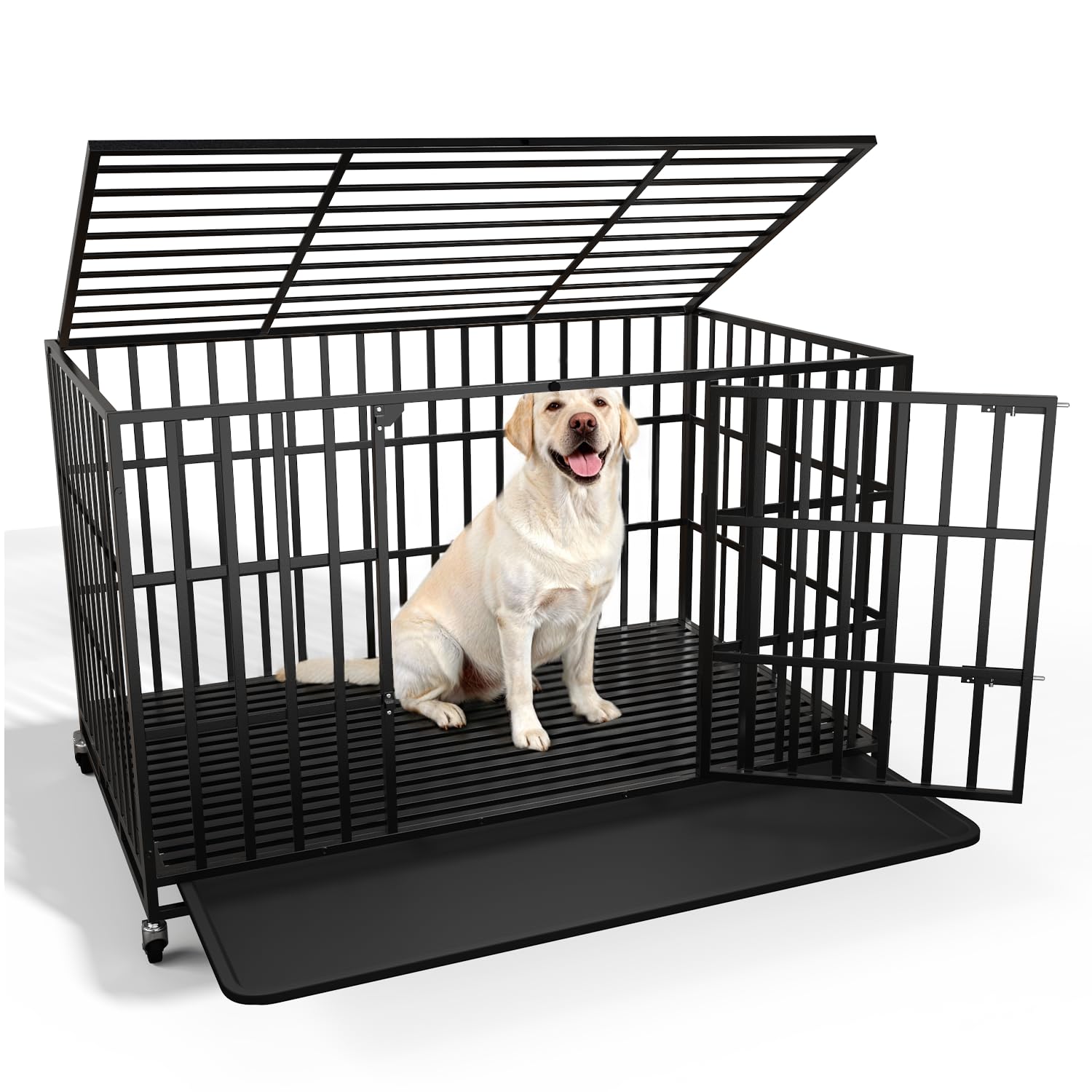
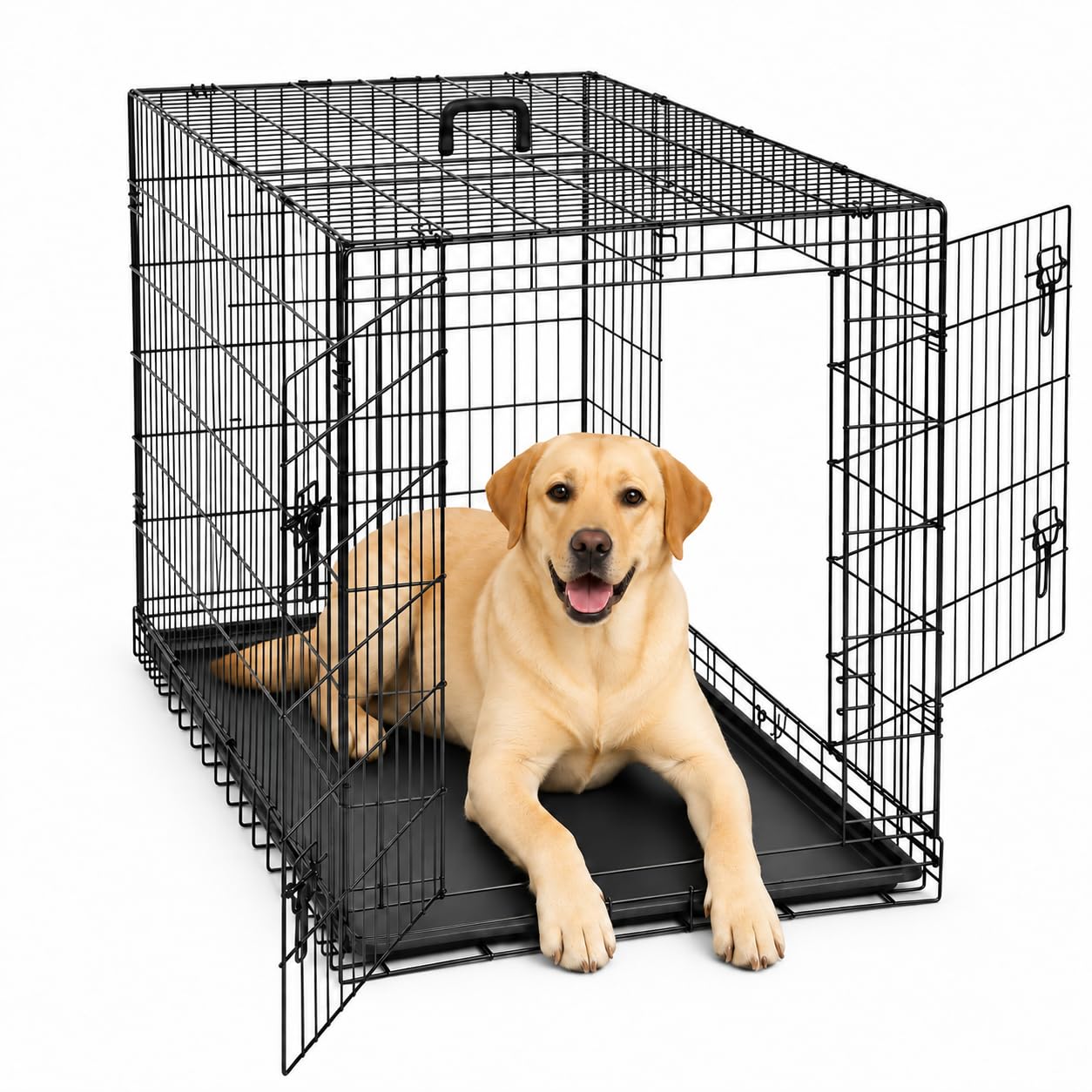

Types to Compare at a Glance
Three crate families dominate the 48 inch size, and each suits a different household. Wire crates give airflow and fold for storage. Plastic crates feel more enclosed and suit travel. Heavy duty and furniture style crates answer strong chewing or appearance concerns, though both add weight and cost.
- Wire: best for airflow, visibility, folding storage, and growing puppies who need a divider.
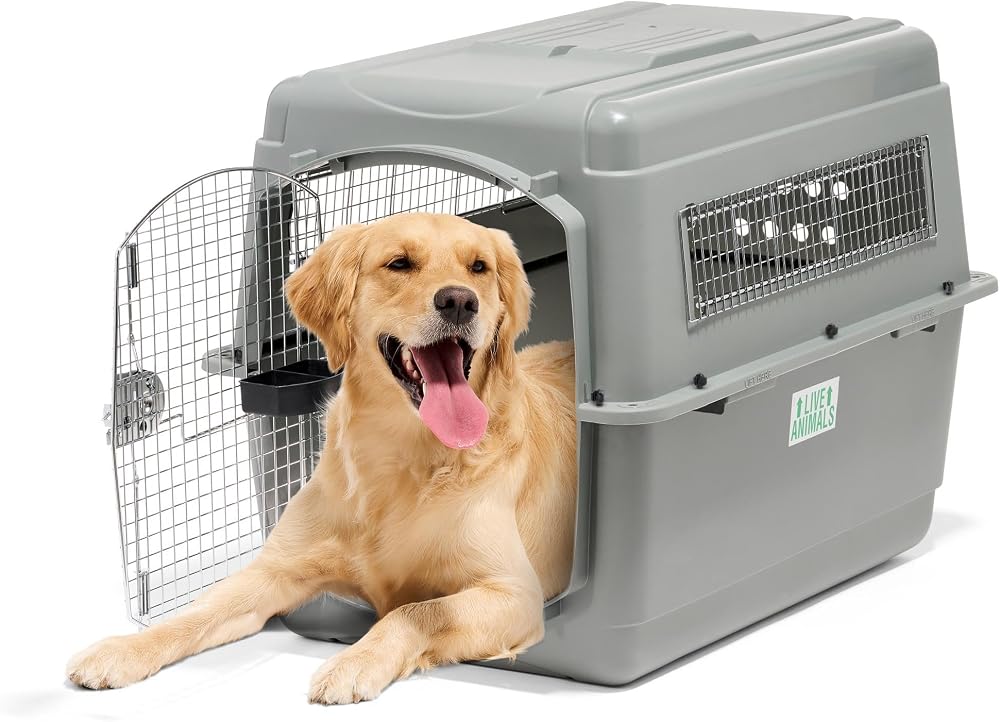
- Plastic: best for dogs who rest better with less visual stimulation and for car or air travel planning.
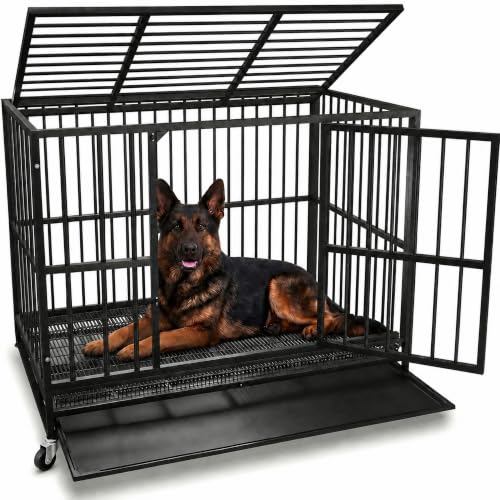
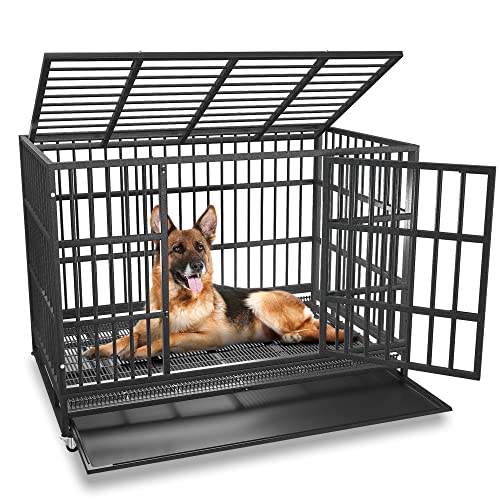
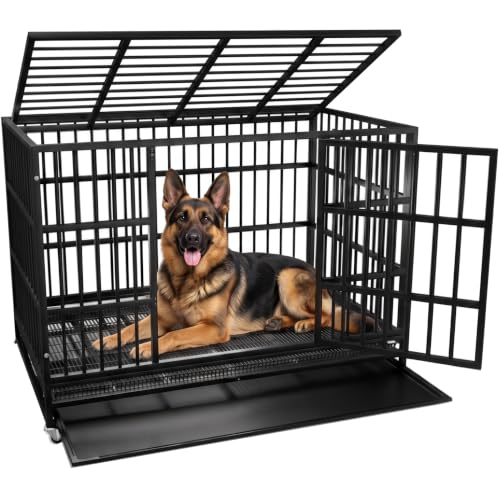
- Heavy duty or furniture style: best for determined chewers or rooms where the crate stays on display.
Three Crate Types Worth Comparing in the 48 Inch Size
Wire Crates for Airflow and Flexible Placement
Wire crates are the most common choice at this size because your dog can see out, air moves freely, and most models fold flat when you need the room back. Many include a divider and a removable tray, which adds real value for younger dogs. The open design also means a nervous dog sees every movement around it, and determined chewers can bend lighter wire. Check bar spacing and wire thickness rather than trusting appearance alone.
Plastic Crates for a Quieter Den Feel
Plastic crates enclose your dog on most sides, and that sheltered feel settles some dogs faster than an open wire design. Solid walls also contain loose hair and bedding better during travel, a point worth weighing alongside our guide to the best travel dog crate. Downsides are bulk, weaker airflow in warm rooms, and fewer door positions. Confirm that any model you consider for flying meets your airline rules before you buy, since carriers set their own requirements.
Heavy Duty and Furniture Style Crates
Heavy duty crates use thicker frames, stronger latches, and reinforced corners to resist dogs who push, paw, or chew their way toward freedom. Furniture style crates hide the crate inside a cabinet look that doubles as a side table, which suits living rooms. Both options cost more and weigh far more than wire, so moving them for cleaning takes effort. Buy this strength only when your dog behavior or your room layout truly calls for it.
What to Compare Between Crates
Judge this size on five criteria drawn from maker specifications and patterns in verified buyer feedback. Size and fit come first, followed by durability, safety and materials, ease of cleaning, and value for the price. Favor designs with clear interior dimensions, published weight limits, and replacement trays or parts that you can actually order later.
How to Choose the Right Dog Crate
Size and Form Factor
A 48 inch crate measures about 48 inches long, with width near 30 inches and height near 32 inches on many models, though exact figures vary. That footprint suits very large breeds such as Rottweilers, Bernese Mountain Dogs, and big German Shepherds, and it anchors our guide to the best large dog crate options. Measure your room too, since the crate plus its open door needs more space than the closed box suggests.
Type and Door Layout
Beyond the three families above, door layout shapes daily life more than most buyers expect. A front door alone works in open rooms, while a second side door helps when the crate sits sideways against a wall or inside a vehicle. Compare construction styles in our breakdown of wire vs plastic dog crate designs before deciding. Check door swing clearance as well, because a door that hits furniture every morning quickly becomes a reason to stop using the crate.
Features Worth Paying For
A divider earns its cost when a puppy will grow into the full space, since it lets one crate serve two life stages. A removable tray matters for every owner, because accidents happen and a tray you can carry to a hose saves real time. Covers help some dogs settle but reduce airflow, so use one only if your dog ignores fabric. A washable bed sized to the interior floor adds comfort, yet it should wait until chewing slows down.
Sizing for Your Pet
Measure your dog from nose to the base of the tail, then add about 2 to 4 inches for length. Measure again from the floor to the top of the head or ear tips while standing, and add a few inches for height. Your dog should stand without ducking, turn in a full circle, and lie on one side with legs extended. Our walkthrough of what size dog crate do i need shows the measuring steps in more detail.
Materials and Chew Resistance
Steel wire varies widely in thickness, and thicker wire with tight welds resists bending far better than thin wire with wide spacing. Plastic shells should feel rigid at the door frame, since flex there lets latches misalign over time. Wood furniture crates look strong but can splinter under steady chewing, so they suit calm adult dogs best. Whatever the material, run your fingers along edges and joints. Rough spots, sharp wire ends, and loose fasteners are reasons to keep shopping.
Cleaning and Odor Control
Most odor starts in bedding and in spills that sit under the tray, not in the crate frame itself. Choose a tray with a raised lip so water and accidents stay contained until you empty it. Smooth plastic and coated wire wipe down faster than raw wood, which can hold smells deep in the grain. For a full routine, including products to avoid around pets, follow our guide on how to clean a dog crate and wash bedding weekly.
Safety
Safe crates share a few traits: latches a paw cannot lift, gaps too narrow to trap a jaw or leg, and ventilation on at least two sides. Remove collars or harnesses before crating so nothing can snag on bars or door hardware. Never use the crate as punishment, and build time inside gradually with treats and calm exits. If your dog injures teeth or paws trying to escape, or panics despite slow training, stop and talk with your veterinarian or a certified trainer.
How Much Should You Spend?
Basic wire models in this size often sit under $100, while sturdier wire and plastic designs run about $100 to $200. Heavy duty and furniture style crates commonly cost about $200 to $500, and specialty travel crates can pass that range. Extra money should buy visible gains, such as thicker materials, better latches, or replaceable parts. Spending under $50 usually means thin wire and a flimsy tray, a trade that rarely pays off for a large, strong dog.
Is a 48 Inch Dog Crate the Right Size for You?
This size fits most dogs weighing about 90 to 110 pounds once they are fully grown, provided their body measurements match the interior space. It gives large breeds room to shift position during longer rests, which smaller sizes cannot offer. If your dog is a giant breed that still crowds the interior, step up a size rather than forcing a tight fit.
On the other hand, a medium dog in a 48 inch crate may never feel the snug den effect that supports house training, and you lose a large block of floor space for nothing. Smaller households may do better with a compact size that matches the dog they actually have. Also check your doorways and stair turns before ordering, since an assembled crate this large may not pass through every opening in your home.
FAQ
What is the best 48 inch dog crate?
The strongest choice is the crate that matches your dog measurements, chewing strength, and your room layout, all at once. For most calm large dogs, a sturdy wire model with two doors and a metal or rigid tray covers daily needs well. Dogs who travel often lean plastic, while persistent chewers need reinforced frames. Treat any ranking as a starting point and let fit and latch quality make the final call.
What size dog crate do I need?
Start with your dog length and standing height, then match those numbers against interior dimensions rather than the headline size on the box. Two crates both sold as 48 inch can differ by several inches inside once wall thickness and door frames count. If your dog falls between sizes and has finished growing, choose the larger one. Puppies are the exception, since a divider can shrink extra space until they mature.
How long does a dog crate last?
A well made crate often serves for your dog whole life, while light wire models may bend or rust within a few years of daily use. Storage matters more than most owners realize, since damp garages corrode coatings and crack plastic over time. Inspect welds, tray corners, and latch action every few months. Replace the crate when doors no longer close squarely or when rust reaches spots your dog can reach and chew.
Is a dog crate worth it?
For most households, yes, because a crate gives your dog a defined rest space and gives you a safe option during travel, vet recovery, or visits from small children. The value shows up in calmer routines, easier house training, and safer car trips. Budget beyond the crate itself, since bedding, a cover if you want one, and replacement trays add to the real cost. A crate only earns its place when training stays patient and positive.
How do you clean a dog crate?
Set a rhythm instead of waiting for smells to build. Shake out bedding daily, wash it weekly, and wipe the tray and floor area each week with a pet safe cleaner. After any accident, use an enzymatic cleaner and let it sit for the time stated on the label, since rushed wiping leaves scent markers that invite repeat accidents in the same spot. Dry every part fully before bedding goes back in, or trapped moisture restarts the odor cycle.
What is the most reliable dog crate brand?
No single brand leads on every design, so judge reliability by evidence you can check. Look for clear dimension charts, a written warranty, spare trays and doors sold separately, and steady reviews for the exact size you need rather than for smaller versions. A maker that publishes wire thickness and weight limits gives you more to trust than one selling on photos alone. Consistent latch quality across sizes is another quiet sign of a dependable line.
Final Thoughts
Measure your dog, measure your room, and then pick the crate family that fits your daily routine. Wire wins on flexibility, plastic on calm and travel, and heavy duty designs on strength. When you are ready, compare the product table above against the best 48 inch dog crate standards in this guide, and use our overview of the best dog crate range to sanity check your shortlist before you order.