
Best Big 3d Printers 2026: A Complete Buying Guide
Disclosure: We may earn a commission when you buy through links on this page, at no extra cost to you. As an Amazon Associate I earn from qualifying purchases. Learn more

Build volume, materials, speed and setup compared for the best big 3d printers, with tips on space, ventilation and filament care.
The best big 3d printers let you print large parts in one piece, from furniture parts to cosplay armor and workshop jigs. That size advantage comes with trade offs in space, print time, and setup care. A large printer that is not level or well ventilated can waste hours of filament and patience.
This guide compares big 3D printers by build volume, material range, speed, and ease of setup. The product table above gives a quick overview, and the sections that follow help you decide whether large format printing suits your projects. Big prints reward planning, not rushing.
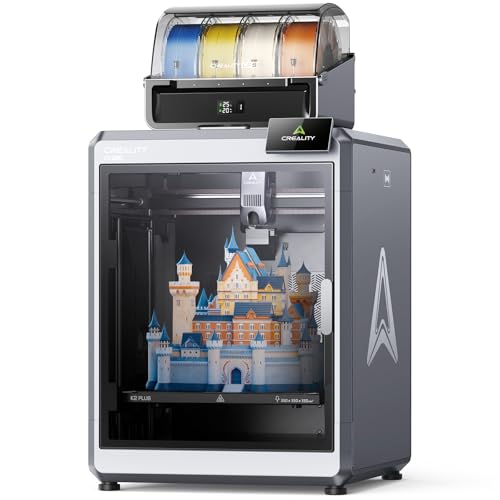
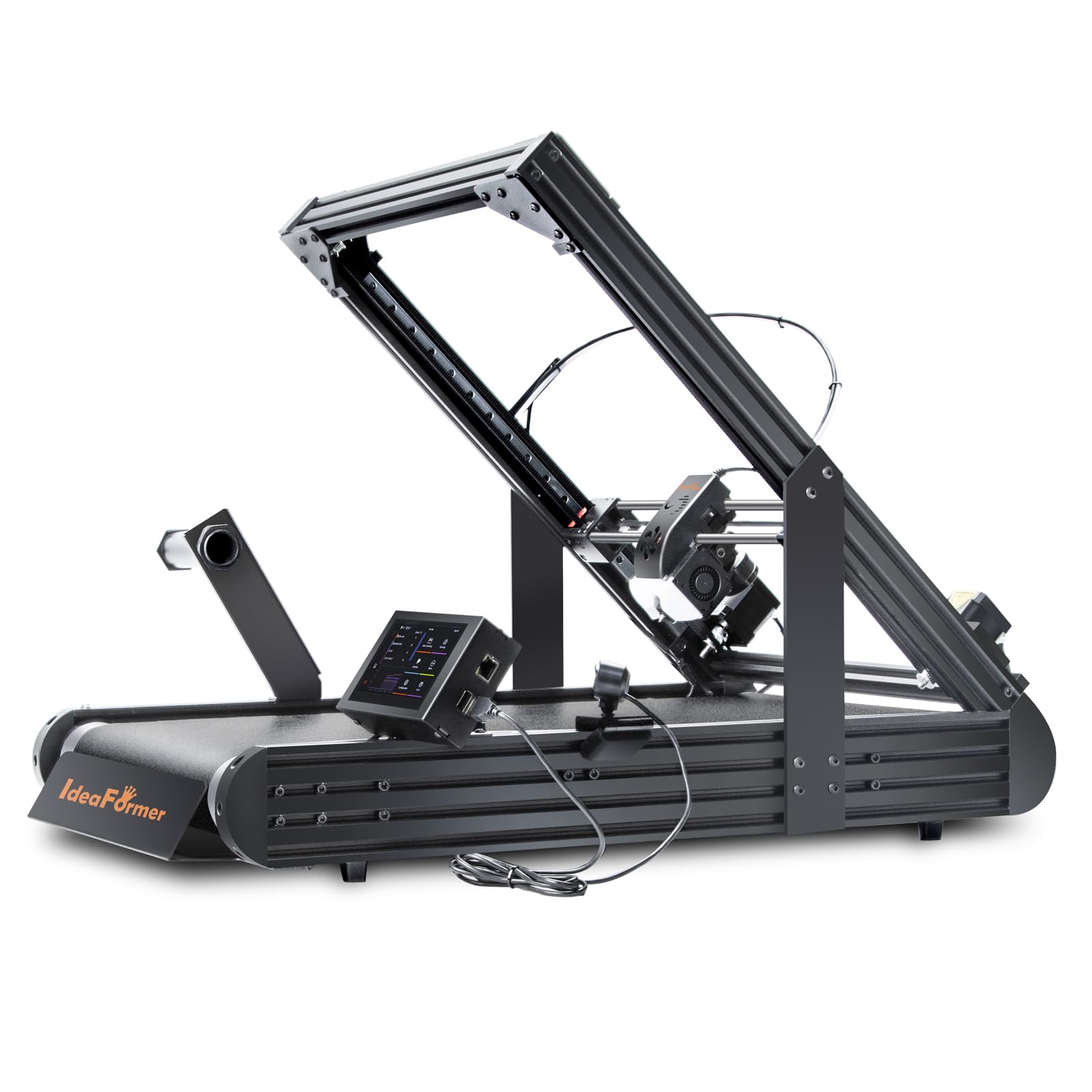
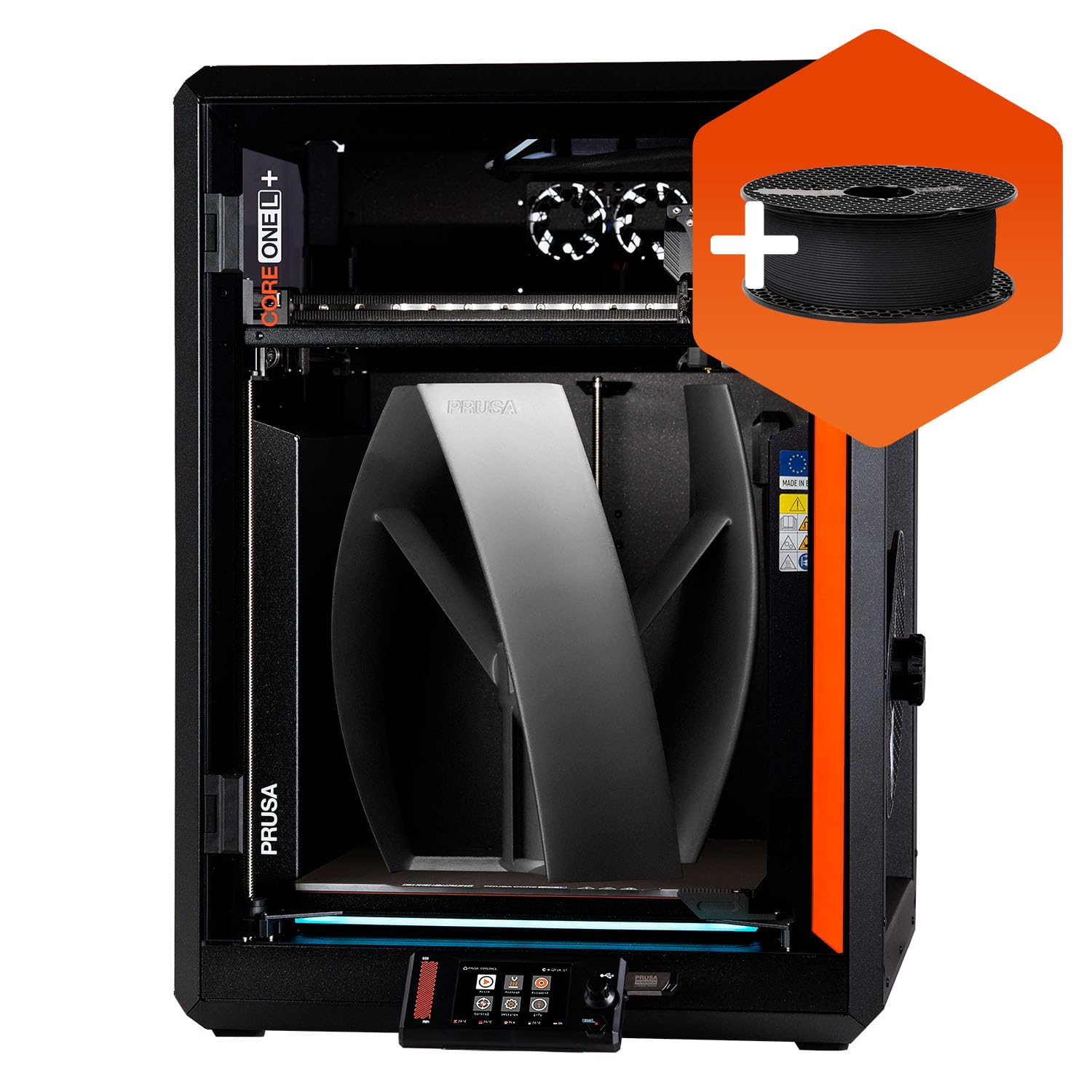
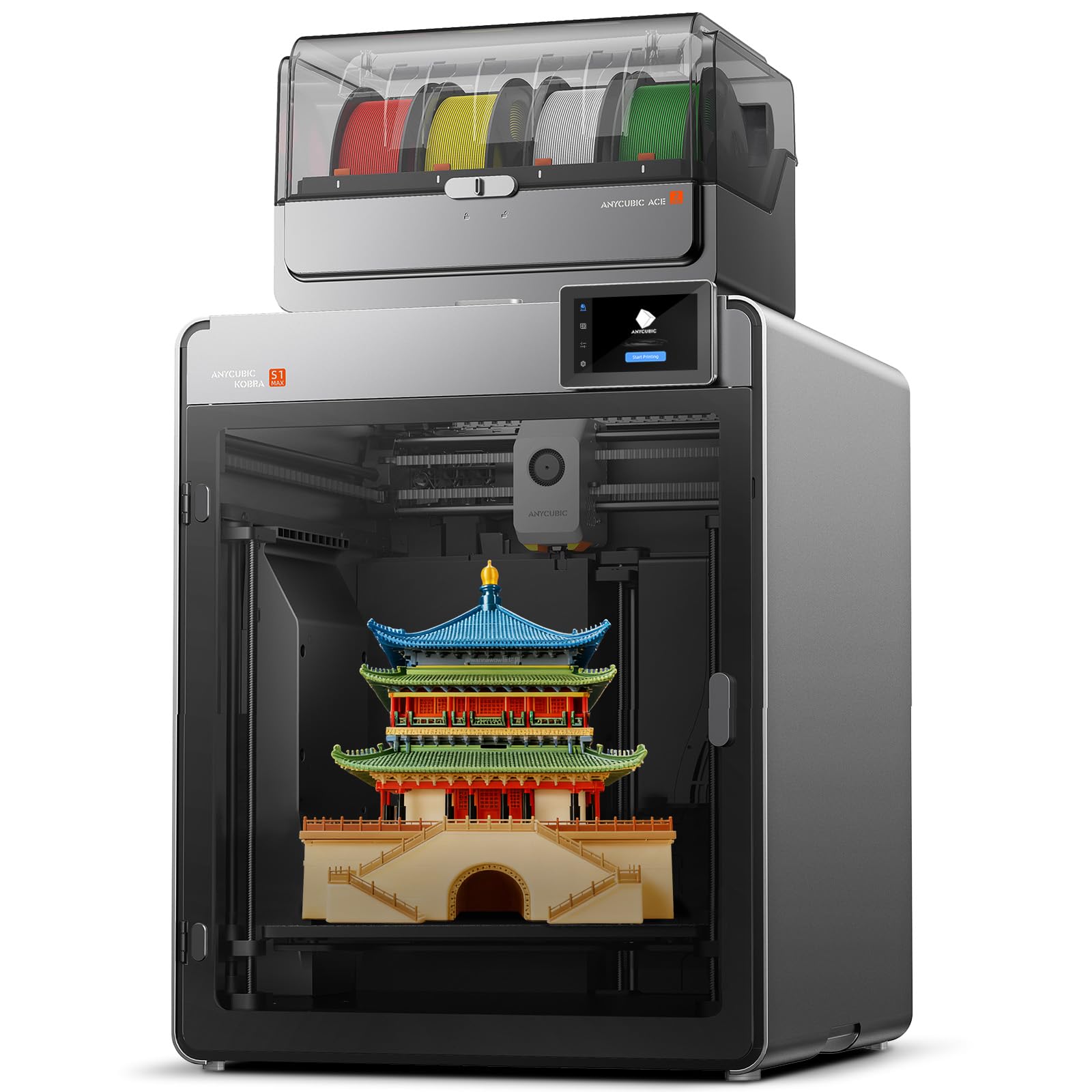
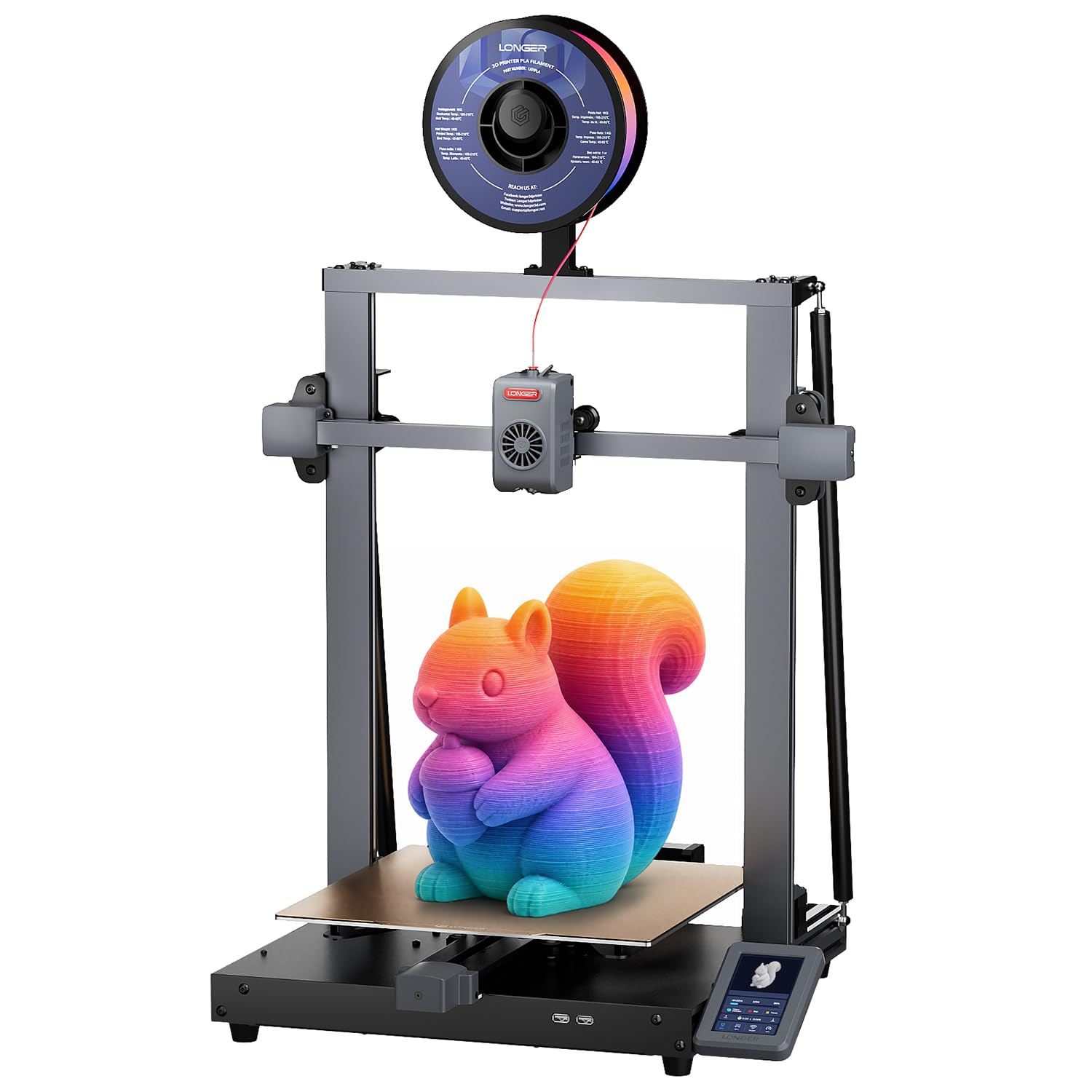
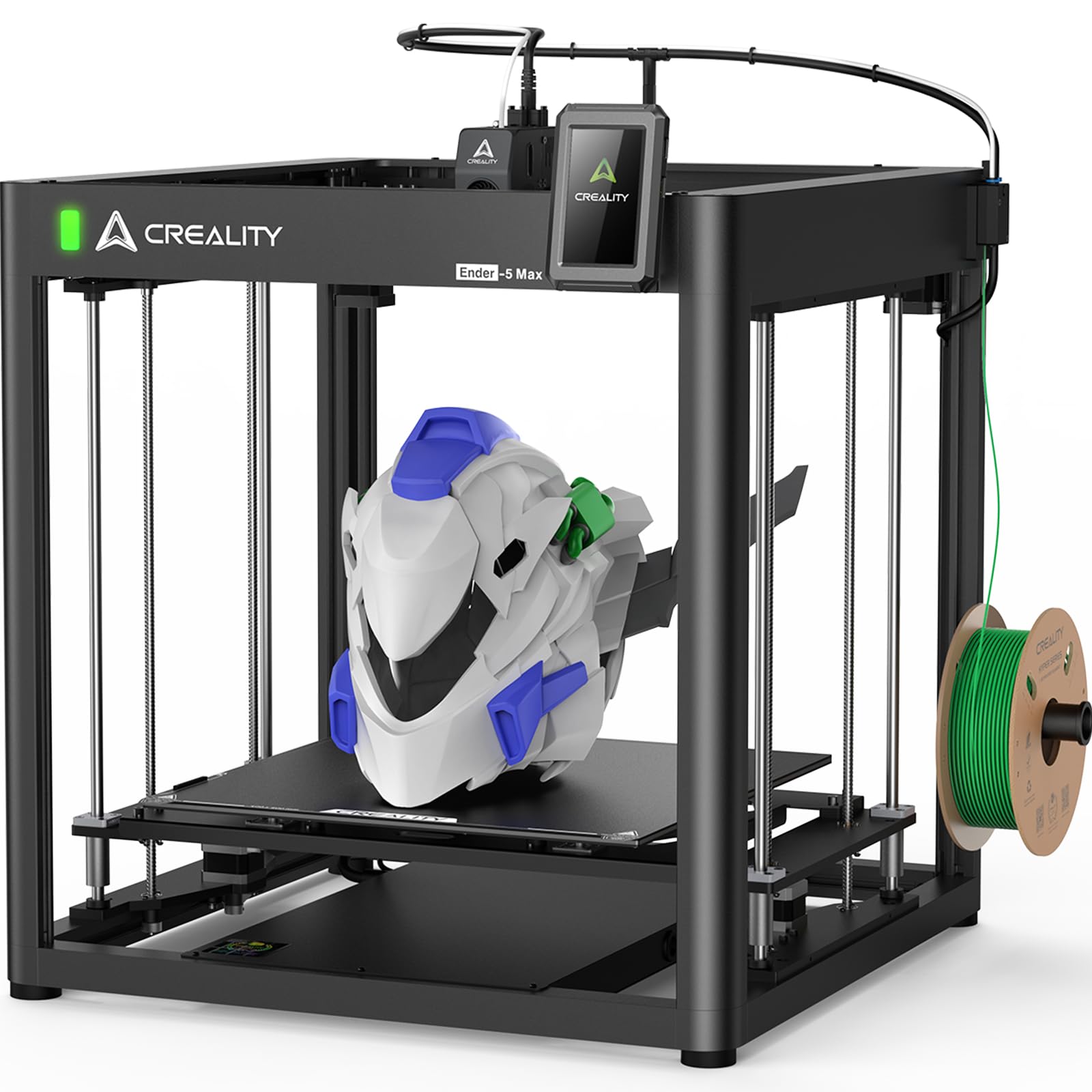
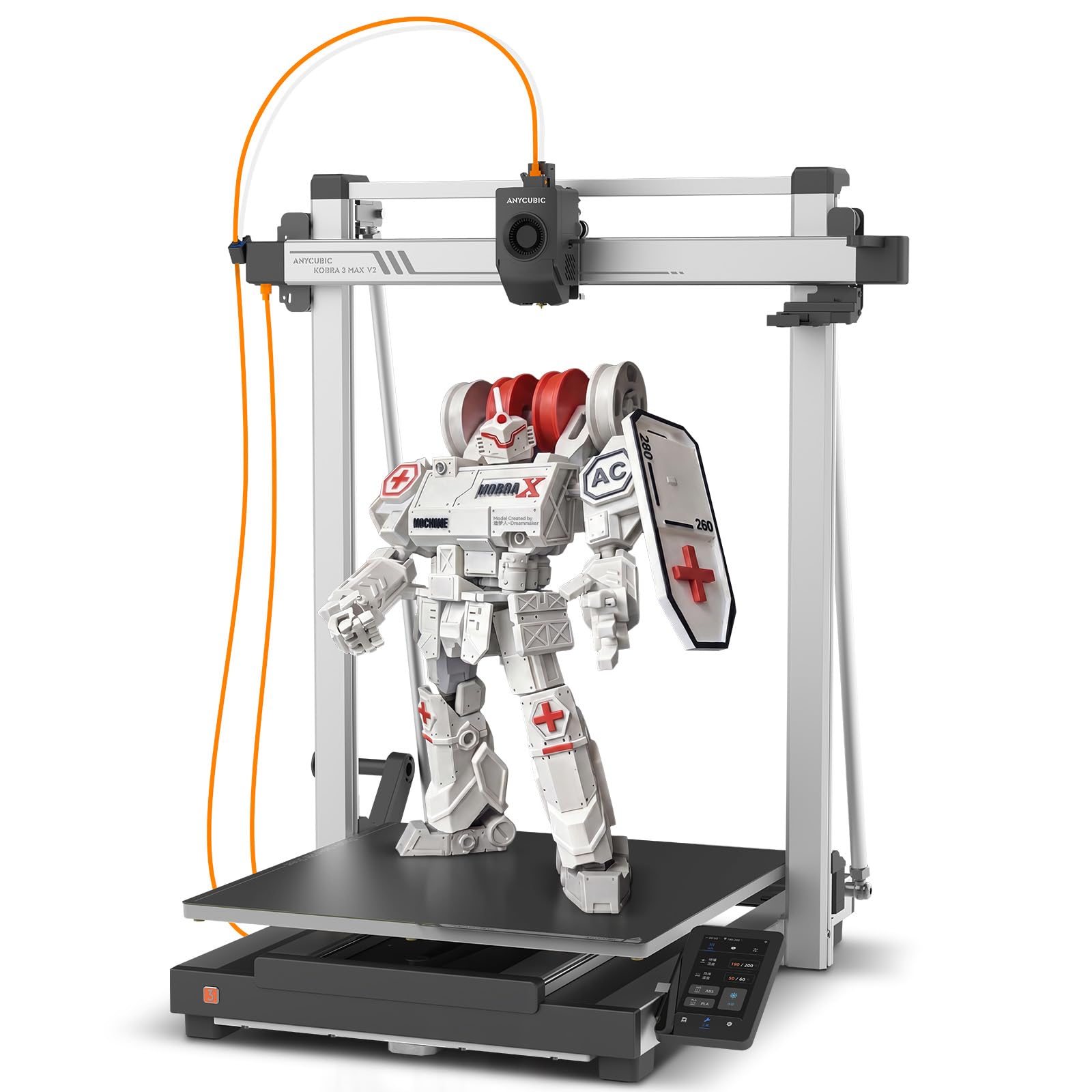
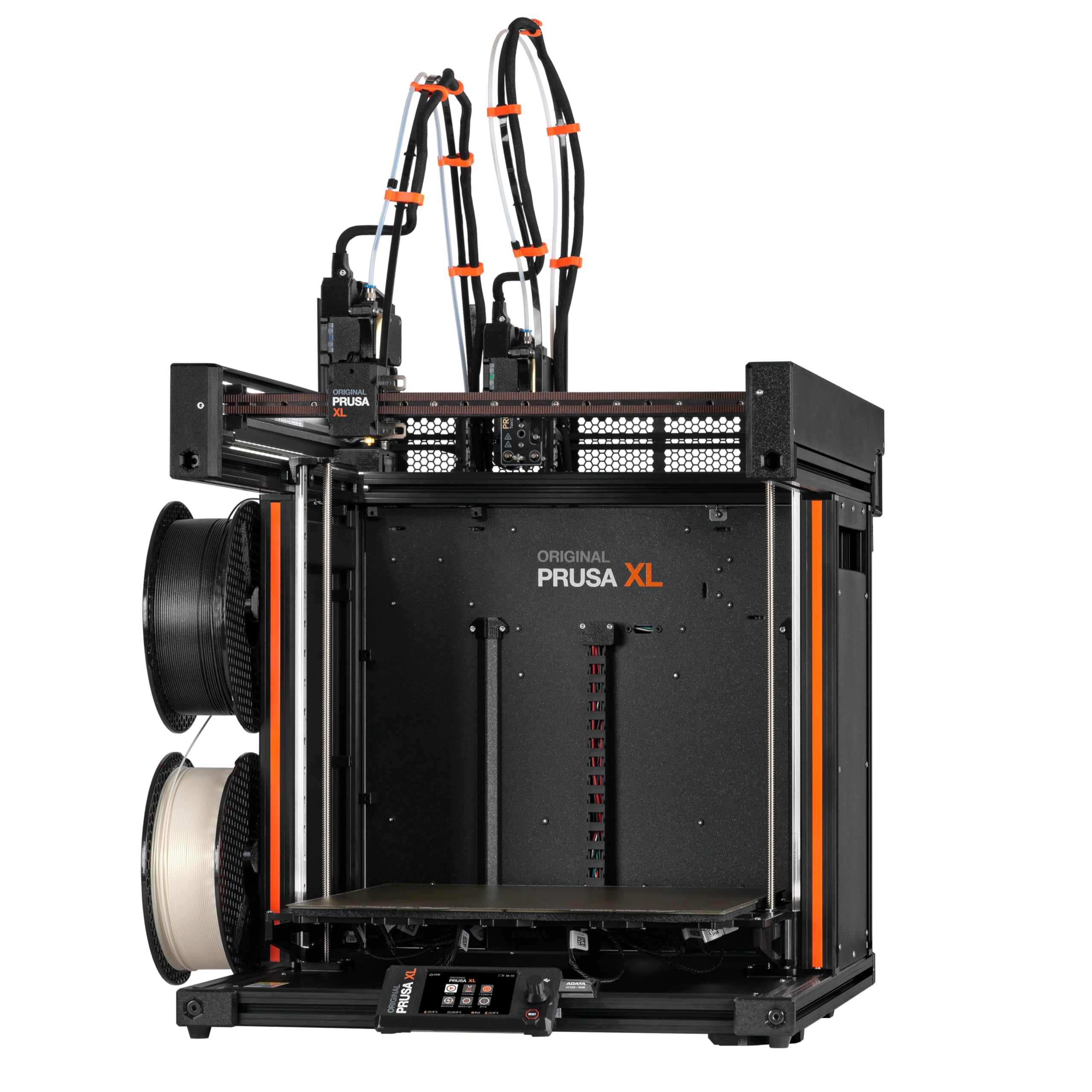
Who Should Buy
Big 3D printers suit makers who regularly need parts larger than a standard desktop printer can handle. They suit cosplay makers, furniture designers, workshop users, and small businesses that print large prototypes. If most prints are small, a standard printer will be cheaper and easier to run.
Think about your space, ventilation, and patience for long prints. Large prints can take many hours or days, so a stable location matters. A printer that lives in a busy hallway or a dusty garage may face more failed prints than one in a calm, dry room.
These printers are less ideal for small flats, shared bedrooms, or users who want quick plug and play printing. Large format machines need assembly, calibration, and filament storage. Beginners can still succeed, but they should expect a learning curve.
Key Features to Compare
Build volume is the headline feature, but usable volume matters more. Check height, width, and depth together, and remember that tall prints need stable adhesion and careful support. A very tall printer is less useful if most projects are wide and flat.
Material range and bed type shape what you can print. Heated beds help larger materials stick, while enclosed frames help with warping and temperature control. Check which filaments the printer supports, since large prints use more material and cost more per failure.
Speed, noise, and software complete the choice. Large prints take time even on fast machines, so reliability matters more than top speed. Quiet operation helps for home use, and clear slicing software makes large files easier to prepare and check.
Types Compared
Large filament printers use melted plastic filament and suit most large parts, prototypes, and functional prints. They offer the widest material choice and the lowest running cost for large volumes. They need bed leveling and adhesion care, especially for tall prints.
Large resin printers give fine detail for models and miniatures, but build volumes are usually smaller than filament machines and resin handling needs more safety care. They suit detailed work rather than large structural parts. Resin printing also needs washing and curing steps.
Enclosed large printers add a frame and panels that stabilize temperature and reduce drafts. They suit materials that warp easily and homes with pets or dust. Open frame printers cost less and are easier to access, but they need a calm room for best results.
For smaller machines, see our guides to the best 3d printers, the best hobby 3d printers and the best inexpensive 3d printers.
Living With Your Choice
Keep filament dry, since damp filament causes stringing and weak layers on large prints. Store spools in sealed boxes with desiccant, and dry filament if prints start to look rough. A clean, level bed and regular nozzle checks also prevent many large print failures.
Plan large prints with supports, orientation, and print time in mind. Splitting a very large part into sections can save time and material if one section fails. Keep spare nozzles, beds, and filament on hand, since large prints use more of everything.
New to printing? Start with our guide to the best starter 3d printers, or compare the best resin 3d printers for fine detail work.
Mistakes to Avoid
A common mistake is buying the largest printer available without checking room size and door access. A printer that cannot fit through a door or sit level will cause constant trouble. Another mistake is starting with a very large, complex print before learning bed leveling.
Buyers also forget ventilation and noise. Large printers run for many hours, so place them where fumes and sound will not disturb sleep or work. Check material safety guidance, and ventilate the room as advised by the maker.
A Final Check Before You Order
Before you order, measure your space, doorways, and table strength for the printer plus filament. Check build volume in all three dimensions, material support, and bed type. Confirm software, spare parts, and support availability for your region.
Use the product table above to shortlist printers that match your largest regular project, not your dream project. The best big printer is one you can run reliably in your space, week after week.
Getting the Most From Your Choice
Long term success with a big 3D printer depends on filament storage and bed maintenance more than on any single print setting. Damp filament causes weak layers and stringing, especially on large prints that run for many hours. Store spools sealed with desiccant, and dry filament promptly when prints start to look rough or brittle.
Frequently Asked Questions
How big is a big 3D printer?
A big 3D printer usually offers a build volume well above a standard desktop model, often enough for large cosplay parts, furniture components, or workshop jigs. Check height, width, and depth together, since a tall printer may not suit wide flat parts. Usable volume also depends on supports and bed adhesion.
Are big 3D printers harder to use?
They need more setup, leveling, and patience than small printers, since large prints take longer and small errors waste more filament. Beginners can succeed with careful calibration and smaller test prints first. A stable room, dry filament, and good slicing habits matter more than advanced skills.
How long does a large print take?
Large prints can take many hours or even days, depending on size, layer height, infill, and speed settings. Lower layer height gives smoother surfaces but takes much longer, while higher infill adds strength and time. Plan prints overnight or over weekends, and check progress regularly.
What materials can big 3D printers use?
Most large filament printers use PLA, PETG, and sometimes ABS or ASA, with enclosed models handling warping prone materials better. Each material needs different bed and nozzle temperatures, ventilation, and storage care. Check maker guidance for your printer before trying a new filament on a large print.
Do I need ventilation for a big 3D printer?
Yes, good ventilation is wise, especially for materials that release odor or fumes during printing. Place the printer in a ventilated room away from sleeping areas, and follow maker safety guidance for each filament. Enclosed printers help with temperature control but do not replace fresh air and sensible placement.
Final Thoughts
Large format printing rewards space, patience, and careful setup. Choose a build volume that matches your regular projects, a bed and frame that suit your materials, and software you enjoy using. Reliability matters more than size alone.
Check the product table above, then pick the printer that fits your room and your largest common project. With good habits, the best big 3d printers can become a satisfying and practical part of making.


