
Best Bicycle Pumps With Gauge of 2026: Complete Buying Guide
Disclosure: We may earn a commission when you buy through links on this page, at no extra cost to you. As an Amazon Associate I earn from qualifying purchases. Learn more

Floor, mini, electric and frame pumps with a gauge compared, so you can set the right tire pressure before every ride.
A gauge turns tire inflation from a guess into a repeatable routine, which matters for grip, rolling speed and puncture resistance. The best bicycle pumps with gauge for you depend on valve type, target pressure and whether you mainly inflate at home or on the road. This guide explains the types, the gauge features that matter and the mistakes to avoid, and the product table above lists current options.
Most riders check pressure before every ride, and a readable gauge makes small changes easy to repeat. If you only top up in an emergency, a tiny pump without a gauge may be lighter, but anyone who rides regularly benefits from seeing the number.

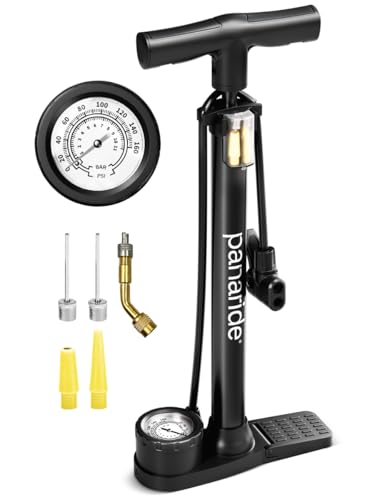


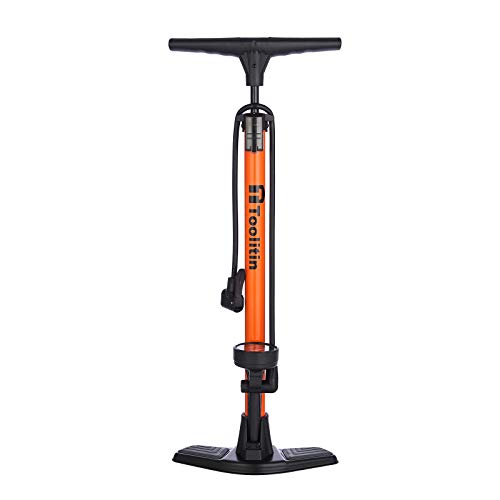
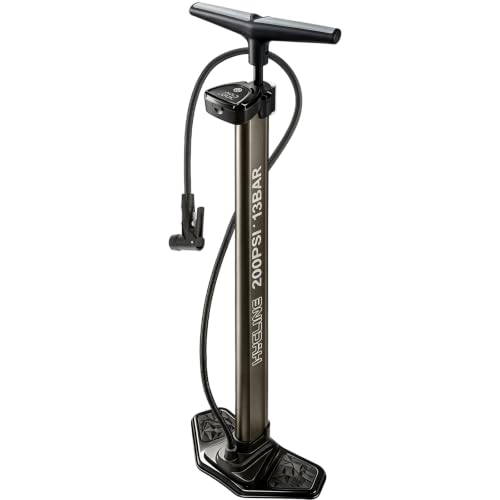
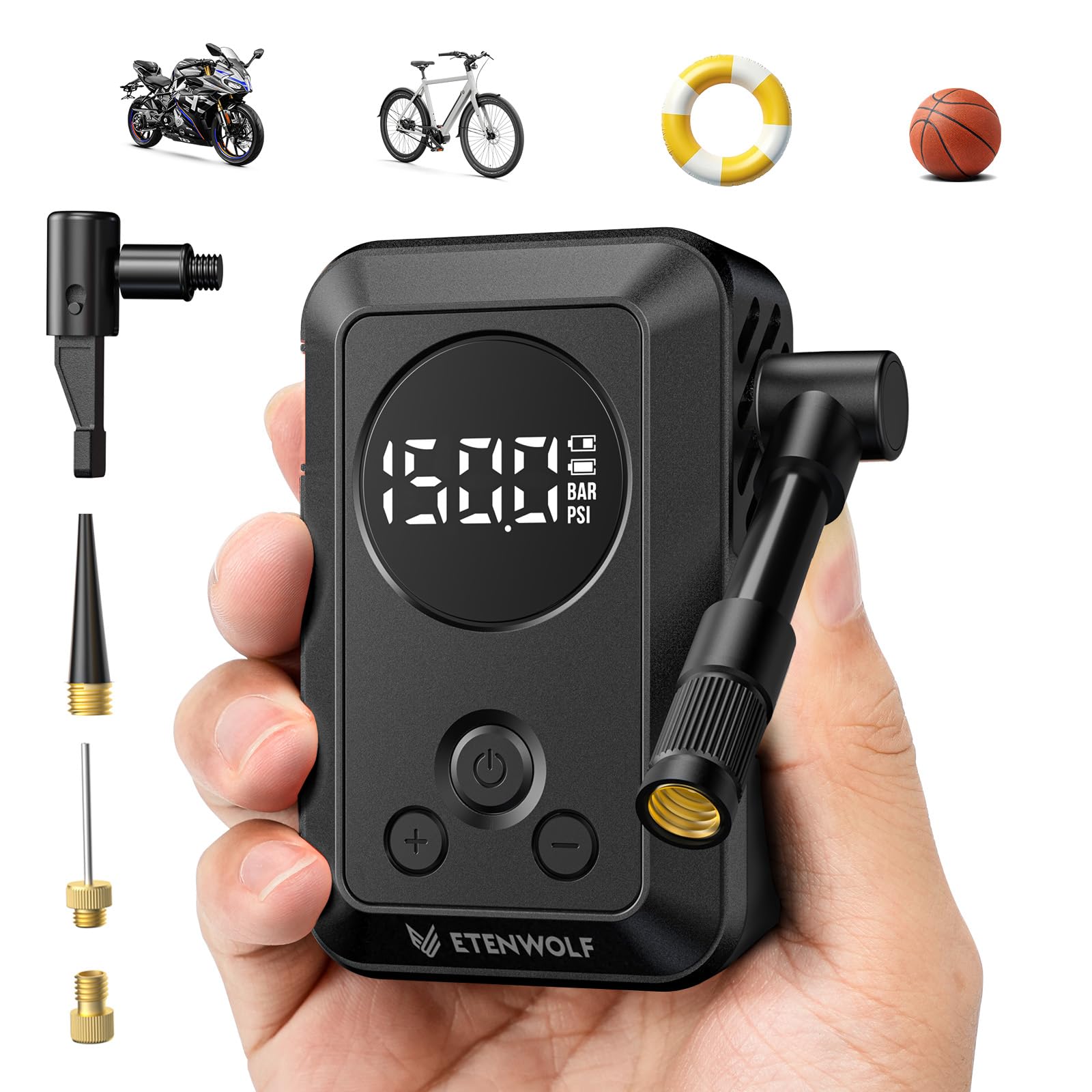

Types of Bicycle Pumps With Gauge
| Type | Best For | Strength | Watch Out For |
|---|---|---|---|
| Floor pump with gauge | Home inflation | Fast, accurate and easy to read | Too large to carry on a ride |
| Mini pump with gauge | Roadside top ups | Light and packable | Slower and harder to read at high pressure |
| Electric pump with gauge | Quick home and car use | Set a target and stop automatically | Needs charging and costs more |
| Frame pump with gauge | Long rides without a bag | Mounts to the frame and stays handy | Heavier than a mini pump |
Choosing between types usually comes down to where and how often you will use the pump. Match the type to your most frequent use rather than to an occasional scenario. Many riders keep a floor pump at home and a mini pump in the saddle bag.
Key Features to Compare
Gauge Accuracy and Readability
Look for a gauge that reads clearly in the pressure range you actually use, with markings you can see in daylight and a needle or display that settles quickly. A large dial on a floor pump is easier to read than a tiny one on a mini pump. Built in gauges are accurate enough for everyday riding, though small differences from a separate gauge are normal.
Valve Compatibility
Presta and Schrader valves need different heads or adapters. A dual head pump handles both, but confirm that the head locks firmly on each valve type, and avoid a fiddly adapter you will lose.
Hose and Head Grip
A flexible hose protects the valve stem, and a head that locks firmly prevents air loss when you disconnect. This is where many pumps waste the pressure you just added.
Pressure Range
Road tires need much higher pressure than wide trail tires, so check the maximum rating against your tires. A pump that tops out at 60 psi will not serve a road bike.
Base and Build
On a floor pump, a wide base with non slip feet keeps the pump steady, and a steel barrel lasts longer than plastic. On mini pumps, look for a sturdy head and a barrel that does not flex when you push hard.
How to Choose the Right One
- Road cyclists: pick a floor pump that reaches 120 psi or more, plus a mini pump with a clear gauge for rides.
- Mountain and hybrid riders: choose a high volume pump with a gauge marked well at low pressure.
- Commuters and families: a dual head floor pump covers every bike in the house.
- Tech fans: an electric pump can stop at a preset pressure, which is handy for e bikes and cars too.
Common Mistakes to Avoid
- Trusting a cheap gauge without checking it against a second gauge now and then.
- Pumping to the maximum on the sidewall regardless of rider weight and surface.
- Choosing a pump whose head does not match the valve type.
- Pulling the head off sideways, which bends the valve and lets air escape.
Care and Setup Tips
Keep the pump dry, check the hose for cracks and replace worn head seals. Push the head fully onto the valve, lock it before pumping, and remove it with a quick straight pull. A short hiss on removal is normal, but a long leak means the head was not seated or the valve core is loose. Practice at home so a roadside flat does not become a lesson in pump technique.
Bicycle Pumps With Gauge: Your Questions Answered
How accurate are bicycle pump gauges?
Most built in gauges are accurate enough for everyday riding, though they are not laboratory instruments. Use the same gauge for routine checks so your pressures stay consistent from ride to ride. If two gauges disagree by a large amount, trust a dedicated gauge and check the pump head for a poor seal.
What pressure should I inflate my bicycle tires to?
Start with the range printed on the tire sidewall and adjust within it for your weight, surface and comfort. Heavier riders and smooth roads suit the higher end, while rough surfaces and lighter riders suit the lower end. Never exceed the sidewall maximum.
Do I need a floor pump and a mini pump?
Many riders keep both, because a floor pump makes home inflation fast and accurate while a mini pump covers roadside emergencies. If you ride only short distances near home, a floor pump alone may be enough.
Presta or Schrader: which head do I need?
Check your valves first. Road bikes commonly use narrow Presta valves, and many city and mountain bikes use wider Schrader valves. A dual head pump covers both.
Final Thoughts
Pick the type that fits where you pump most often, check that the head matches your valves, and make sure the gauge is easy to read at your usual pressure. Compare the options in the product table above, and the best bicycle pumps with gauge will give you the right pressure on every ride. For related choices, see our guides to the best bicycle pumps, the best bicycle floor pumps, the best mini bicycle pumps and the best bicycle tire pumps.


