
Best Bicycle Pumps 2026: A Complete Buying Guide
Disclosure: We may earn a commission when you buy through links on this page, at no extra cost to you. As an Amazon Associate I earn from qualifying purchases. Learn more

Compare bicycle pumps for home, travel and roadside use, from floor pumps to mini pumps and inflators, and learn which combination covers every ride.
The best approach to choosing among the best bicycle pumps is rarely a single pump, because home inflation and roadside repair need different tools. A floor pump gives speed and accuracy at home, while a mini pump or inflator saves a ride when a tire goes flat miles away. This guide covers the full combination, so you are covered in both places.
Think about where you ride and how far from help you go. Commuters, road riders, and mountain bikers each need a different mix. The product table above compares the main types side by side, and the sections below cover who each type suits and how to build a sensible pump kit.


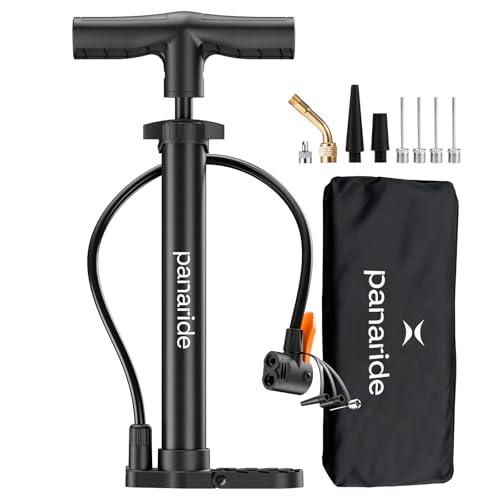
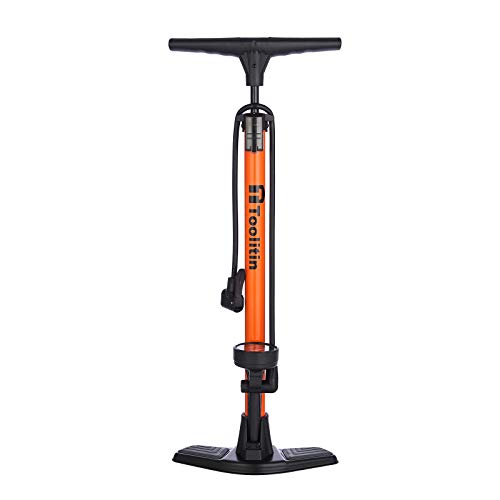
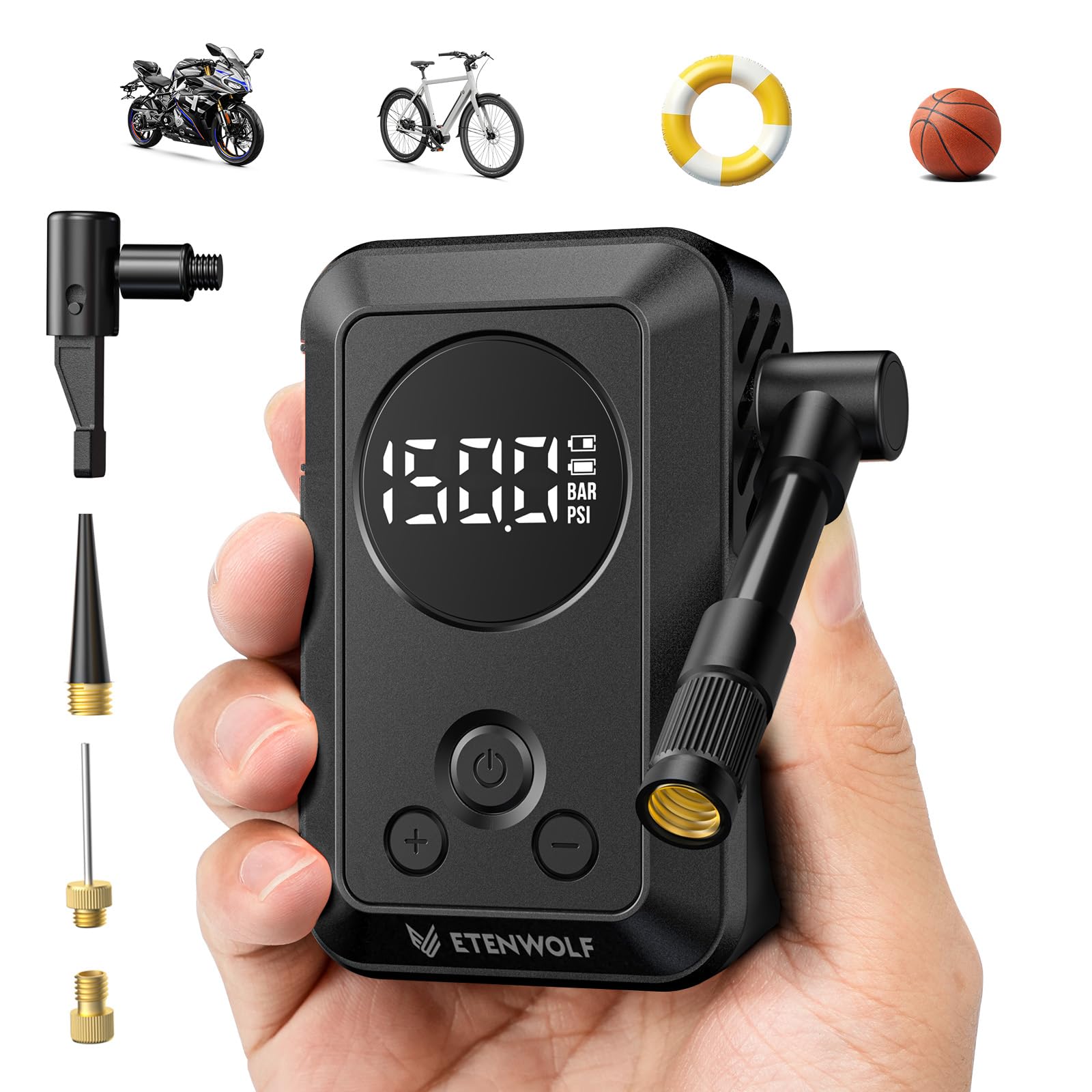
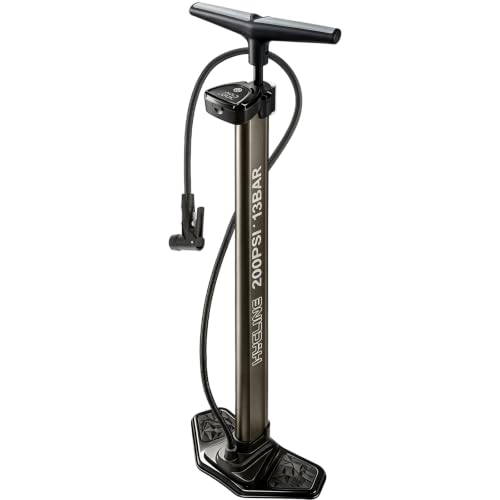
Who Should Buy Which Type
For Commuters and City Riders
Commuters need a reliable floor pump at home and a compact pump or inflator in a bag for punctures. A mini pump that fits a jersey pocket or bag suits city riding, while a floor pump handles weekly top ups. Check that both fit your valve type without adapters that get lost.
For Road Riders and Long Distances
Road riders going far from home need a dependable roadside pump that reaches high pressure, plus a floor pump for accurate home inflation. A mini pump with a hose reduces valve stress at high pressure, while CO2 inflators offer speed but limited uses. Carry a spare tube alongside any pump choice.
For Mountain and Trail Riders
Trail riders need volume for wide tires, so a high volume mini pump or a larger frame pump suits trail use. Tubeless riders should check whether their pump can seat a tire bead, because many mini pumps cannot. A floor pump with a tubeless boost feature helps at home for tubeless setup.
Key Features Explained in Plain English
Floor Pumps for Home Use
Floor pumps offer the fastest, most accurate home inflation, with stable bases and clear gauges. They suit weekly top ups and full inflation before rides. Choose a floor pump by valve fit, gauge clarity, and stability, because those three features decide daily satisfaction.
Mini Pumps for Roadside Repairs
Mini pumps prioritize size and weight over speed, so expect many strokes to reach riding pressure. A hose design protects valves, while a frame mount keeps the pump accessible. Test your mini pump at home, because learning its effort on the roadside is poor timing.
CO2 Inflators and Hybrid Options
CO2 inflators inflate quickly with cartridges, which suits racing and fast repairs, but each cartridge works once and adds ongoing cost. Hybrid pumps combine a mini pump with CO2, offering backup if cartridges run out. Carry enough cartridges for your ride length and know how to use them safely.
Gauges, Valves and Adapters
Gauges on mini pumps are often rough, so use your floor pump gauge for accurate home pressure and treat roadside gauges as guides. Valve adapters should be stored with the pump, not loose in a bag where they vanish. Check compatibility with Presta and Schrader before every ride season.
How to Compare Options and Set a Budget
Budget tiers cover a kit, not one pump. A good floor pump costs about $40 to $90, a reliable mini pump about $20 to $50, and CO2 inflators plus cartridges add ongoing cost. A sensible starter kit pairs a mid range floor pump with a proven mini pump, which covers most riders without premium spending.
Compare options by your ride distance, tire type, and valve needs. A kit that inflates accurately at home and reliably on the road beats a single expensive pump that only works in one place. Practice roadside inflation at home, so a real puncture does not become a lesson in pump technique.
Related guides can help you narrow the choice further. See our guides to the best bicycle floor pumps, the best mini bicycle pumps and the best bicycle pumps with gauge for narrower choices.
Care, Safety and Common Mistakes
Maintain floor pumps by cleaning, lubricating as directed, and replacing worn seals. Keep mini pumps clean and check mounts, because a pump that falls off on a trail is useless. Store CO2 cartridges safely away from heat, and check expiry or damage before long rides.
A common mistake is buying only a mini pump and expecting home accuracy, which leads to chronic underinflation. Another is never testing roadside gear until a puncture happens. Test every pump at home, carry a spare tube and tire levers, and know your target pressures by heart.
A Final Check Before You Buy
Before building your pump kit, list your bikes, valve types, and typical ride distances. A commuter riding short city trips needs a different kit than a road rider going fifty miles from home. Match floor pump accuracy at home with roadside reliability on rides, and avoid duplicating tools that serve the same job poorly.
Test your roadside pump at home before relying on it. Inflate a tire from flat with your mini pump or inflator, count strokes or cartridges, and learn the effort involved. A pump that feels manageable in a warm garage may feel exhausting on a cold roadside, so practice matters more than specifications.
Check spare tube, tire levers, and patch kit compatibility with your pump choice. A pump alone cannot fix a large cut or a failed valve, so carry a complete repair kit. Store adapters with the pump, not loose, because a missing adapter renders an otherwise good pump useless on the road.
Consider tubeless needs if you ride tubeless tires. Seating a bead often needs a burst of volume that mini pumps cannot supply, so a boost floor pump or CO2 inflator helps at home and on trails. Know your tubeless setup before a ride, and carry a tube as backup for beads that will not seat.
Frequently Asked Questions
Do I need both a floor pump and a mini pump?
Yes for most regular riders, because floor pumps give accuracy at home and mini pumps save rides on the road. A floor pump alone leaves you stranded on punctures, while a mini pump alone makes home inflation slow and inaccurate. A pair covers both needs sensibly.
Are CO2 inflators worth it?
CO2 inflators suit riders who value speed and light weight, especially racers and long distance riders. They cost more per use and offer limited inflations, so carry spare cartridges. A hybrid pump gives CO2 speed plus manual backup, which many riders prefer.
How do I seat a tubeless tire?
Tubeless tires often need a burst of air volume to seat the bead, which many mini pumps cannot supply. A floor pump with a boost chamber, a compressor, or a dedicated tubeless inflator helps at home. On the trail, a CO2 inflator often seats beads more reliably than a mini pump.
What pressure should I ride?
Follow tire sidewall ranges and adjust for weight, load, and surface, with lower pressure for rough trails and higher for smooth roads. Check pressure before rides with a floor pump gauge, because tires lose air over days. Comfort and grip improve when pressure suits the surface.
Why does my mini pump take so long?
Mini pumps move little air per stroke by design, to stay small and light. Expect many strokes, especially for wide tires or high pressure road tires. A high volume mini pump helps wide tires, while a high pressure design helps road tires, so choose by your tire type.
Final Thoughts
Build a kit around a good floor pump for home and a tested mini pump or inflator for the road, matched to your valves and tires. That combination covers daily riding and unexpected punctures. On that basis, best bicycle pumps becomes a practical kit decision, and the product table above helps confirm your shortlist.


