
Best Bicycle Hand Pumps: A Buying Guide for 2026
Disclosure: We may earn a commission when you buy through links on this page, at no extra cost to you. As an Amazon Associate I earn from qualifying purchases. Learn more

Learn how bicycle hand pumps differ by valve fit, pressure, hose design, and mounting, and how to pick one that keeps you rolling on every ride.
A flat tire far from home turns a good ride into a long walk, which is why best bicycle hand pumps matter more than their small size suggests. The product table above lists current hand pumps, so you can compare size, pressure, and valve fit at a glance. The right pump is the one you will actually carry on every ride.
This guide covers valve types, pressure limits, hose versus direct heads, and mounting options. It also explains how to use a hand pump well, since technique matters as much as the pump itself when you are beside the road.

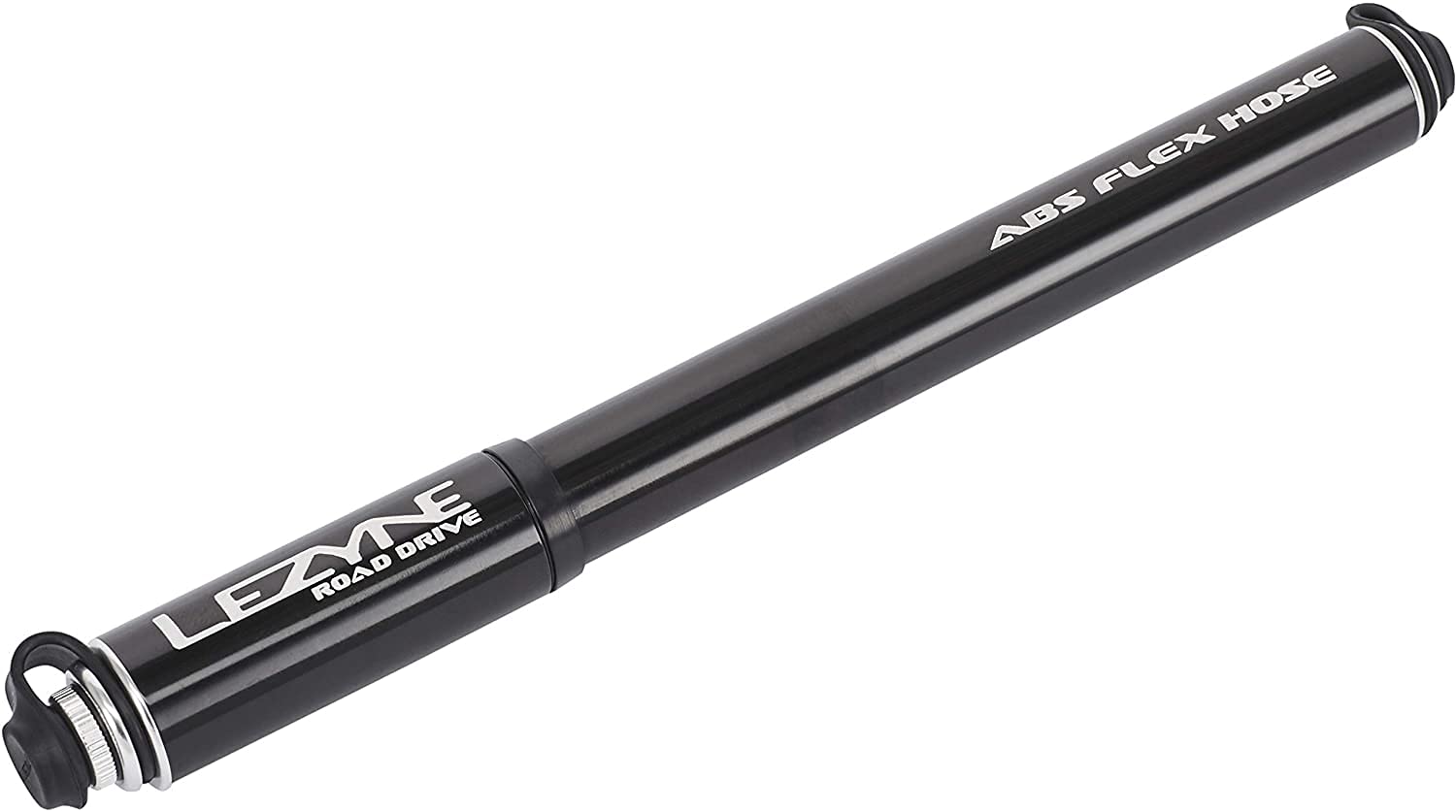
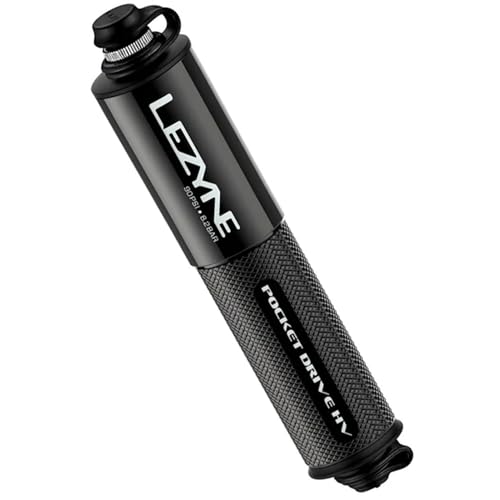
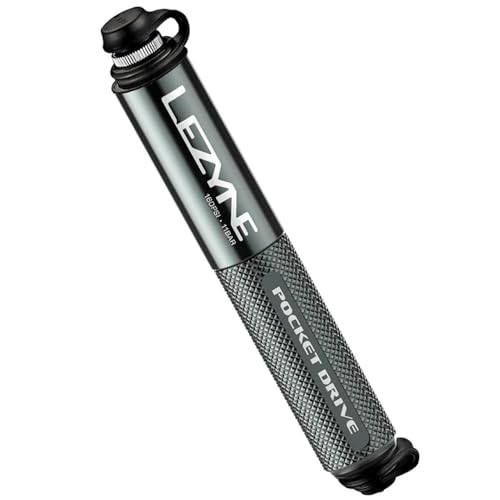


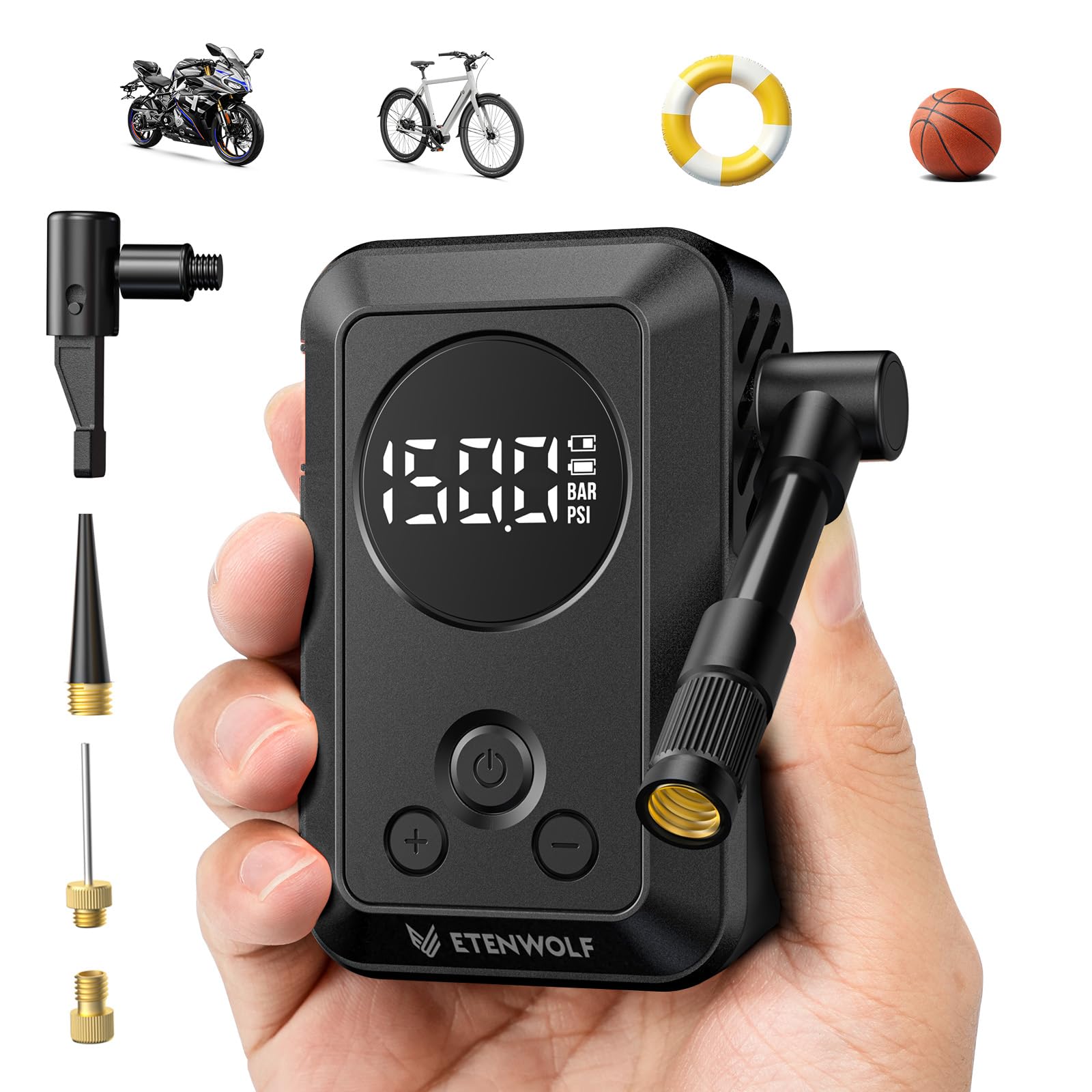

Who Should Buy
For Road Riders
Road riders need higher pressures, often above 80 psi, so a pump with a narrow barrel and a firm seal matters most. A mini pump that reaches high pressure with steady strokes beats a bulky pump left at home. Check that the head seals tightly on Presta valves, since leaks waste effort when pressure is high.
For Mountain Bikers
Mountain bikers need volume more than extreme pressure, since wide tires run at lower pressures. A pump with a larger barrel moves more air per stroke and fills a wide tire faster. A hose head helps here too, because it reduces strain on the valve while you pump on uneven ground.
For Commuters and Casual Riders
Commuters want a pump that mounts neatly on the frame and works on both common valve types. A dual head that fits Presta and Schrader valves covers family bikes and borrowed bikes alike. Reliability matters more than light weight when the pump lives on a daily commuter.
Key Features to Compare
Valve Compatibility
Most bicycle tires use Presta or Schrader valves, and a good hand pump should handle the type on your bike. Some heads switch between valve types with a reversible part, while others fit both without adjustment. If your household owns both valve types, a dual head pump saves you from carrying adapters.
Pressure and Barrel Size
Narrow barrels reach high pressures with less effort per stroke, while wide barrels move more air per stroke at lower pressures. Road riders should favor narrow barrels, and mountain bikers should favor wider ones. Check the stated maximum pressure, but remember that reaching it by hand takes steady effort either way.
Hose Versus Direct Head
A hose head connects the pump to the valve through a flexible tube, which protects the valve stem from sideways force. A direct head locks straight onto the valve and keeps the pump compact. Hose heads suit high pressure pumping and fragile valve stems, while direct heads suit riders who value the smallest possible package.
Mounting and Carry Size
A pump you leave at home helps nobody, so mounting matters. Frame mounts, bottle cage mounts, and jersey pocket sizes each suit different riders. Measure your frame space before buying, and test that the mount holds firm over rough roads so the pump does not rattle loose.
For a wider look at pump styles, the related guides on best bicycle pumps, best hand pumps, best bicycle floor pumps, and best mini bicycle pumps compare full size, floor, and pocket options in more detail.
Hand Pumps, Mini Pumps, and Floor Pumps Compared
Hand pumps and mini pumps overlap heavily, but mini pumps tend to be shorter and lighter for jersey pockets, while larger hand pumps offer longer strokes for faster inflation. Floor pumps stay at home and inflate tires with far less effort, so many riders own both: a floor pump for home and a hand pump for the road.
Before a ride, check that the pump head seals on your valve and that the mount is secure. A quick test inflation at home reveals leaks and loose fittings before they matter on the road. Carry a spare tube and tire levers alongside the pump, since a pump alone cannot fix a torn tire.
Common Mistakes to Avoid
- Buying a pump that does not fit your valve type and discovering it on the road.
- Choosing the smallest pump without checking whether it reaches your tire pressure.
- Forcing a direct head sideways and bending or snapping a valve stem.
- Leaving the pump at home because the mount rattles or fits poorly.
Setup and Care Tips
Keep the pump clean and dry, and check the seals and hose for cracks every few months. A drop of light lubricant on moving seals keeps the stroke smooth, but wipe away excess so it does not attract grit. Replace worn seals promptly, since a leaking seal doubles the effort of every inflation.
After roadside use, release pressure from the hose, fold the pump closed, and remount it firmly. Store a floor pump indoors rather than in a damp garage, since moisture corrodes metal parts over time.
Roadside Inflation Without the Stress
Practice with your hand pump at home before you need it beside the road, since calm practice beats roadside panic every time. Inflate a tire from flat in your garage, time yourself, and learn how the head locks onto your valve. That single rehearsal reveals loose fittings, stiff seals, and awkward mounting before they matter on a real ride.
Check your valve cores occasionally, since a loose core leaks slowly and mimics a puncture. A small valve tool costs little and fits in a saddlebag alongside a spare tube and levers. Tighten cores gently rather than forcing them, since overtightening damages the valve and creates a new problem.
Frequently Asked Questions
How much pressure can a hand pump reach?
Most hand pumps reach 80 to 120 psi, which covers road tires, though reaching the top end takes many steady strokes. Mountain bike tires need far less, usually 25 to 40 psi, so a hand pump fills them quickly. Check the stated maximum and match it to the pressures printed on your tire sidewall.
Do I need a Presta adapter for my hand pump?
You need an adapter only if your pump head fits Schrader valves alone and your bike uses Presta valves. Many modern hand pumps fit both valve types without an adapter. Check the head design before buying, and carry a small adapter as backup if your pump covers only one type.
Is a hose head better than a direct head?
A hose head is better when you pump to high pressures or use delicate Presta valve stems, since the hose absorbs sideways force. A direct head is better when compact size matters most. For road riders pumping above 80 psi, a hose head usually feels easier and safer for the valve.
Should I carry a hand pump or CO2 inflator?
A hand pump never runs out, which makes it the safer choice for long rides and remote routes. A CO2 inflator fills a tire in seconds but works only until the cartridges run out. Many riders carry both: CO2 for speed and a small pump as backup when cartridges fail or run dry.
How do I keep a hand pump working well?
Keep seals clean, lubricate moving parts lightly, and store the pump dry. Check the hose and head for cracks before long rides, and replace worn seals at the first sign of leaking. A pump that holds pressure with few strokes is ready for the road, while one that leaks deserves new seals.
Final Thoughts
The right hand pump balances pressure, valve fit, and carry size for the riding you actually do. Road riders should favor high pressure narrow barrels, mountain bikers should favor high volume designs, and commuters should favor dual valve heads and secure mounts. The product table above makes those trade offs easy to compare.
Test the pump at home, mount it firmly, and carry it on every ride. That habit turns best bicycle hand pumps from a hopeful purchase into the tool that gets you home when a tire goes flat.


