
Best Bicycle Gear Sets: A First Time Buyer's Guide for 2026
Disclosure: We may earn a commission when you buy through links on this page, at no extra cost to you. As an Amazon Associate I earn from qualifying purchases. Learn more

Shopping for the best bicycle gear sets for the first time? Learn the terms, compare options, and avoid rookie mistakes with this easy guide.
Buying your first gear set is confusing because the parts have unfamiliar names and the numbers seem to argue with each other. A gear set, also called a groupset or drivetrain kit, is the group of parts that moves your bike and shifts your gears: shifters, derailleurs, cassette, chain, and usually the crankset and chainrings.
This guide walks you from the basic terms to a confident choice among the best bicycle gear sets, one step at a time. The product table above gives a quick scan, and the sections below work in order if you are starting from zero.


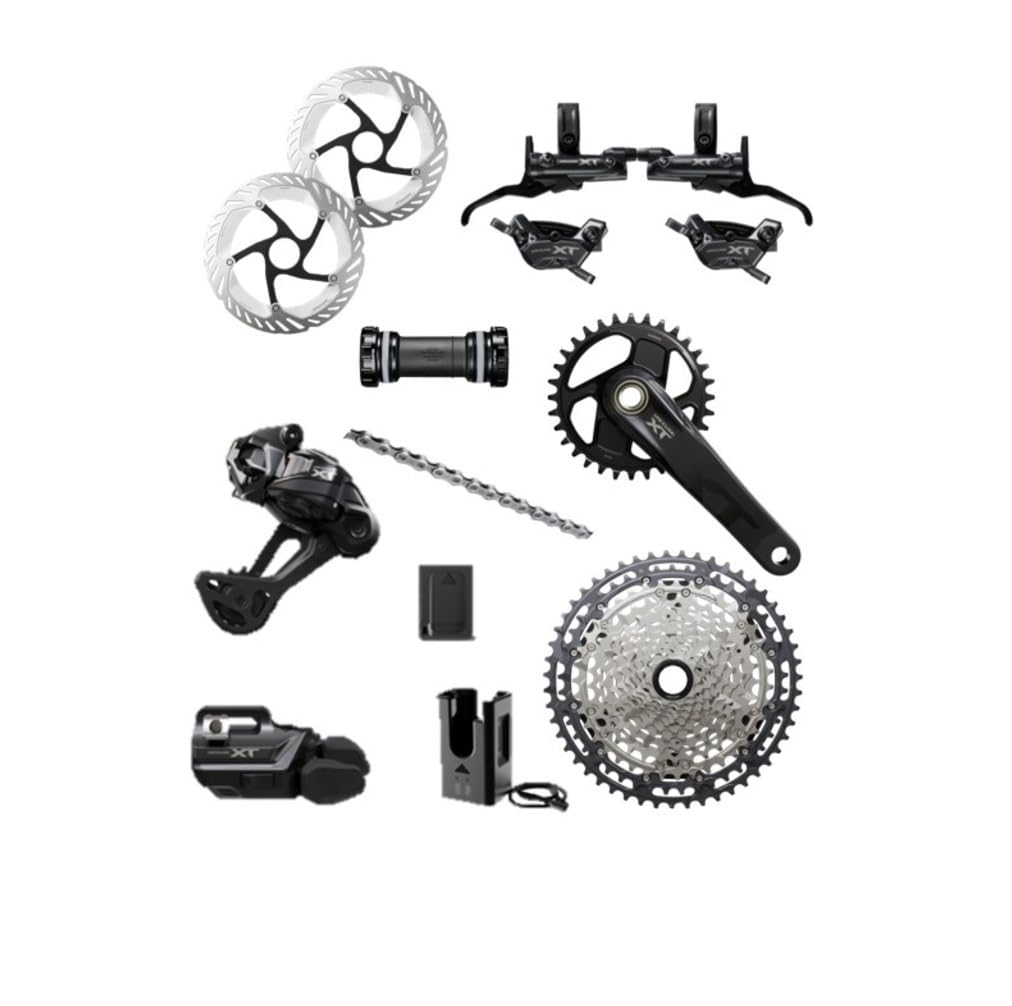
Bicycle Gear Sets 101: The Basics
When you press a shifter, a cable or a wireless signal tells the derailleur to move the chain across the cassette cogs at the rear wheel or across the chainrings at the pedals. Small cogs make pedaling harder and faster, while large cogs make climbing easier and slower. The total spread between the easiest and hardest gear is called the gear range.
Sets are described by speed count, such as 1 by 11 or 2 by 10, meaning chainrings at the front times cogs at the back. A single front ring with a wide range cassette is simple and popular for mountain and gravel riding. Two front rings give smaller steps between gears, which road riders often prefer for steady pacing. Neither layout is better in general. The right one depends on your terrain, your legs, and how much shifting simplicity matters to you.
Key Specs Explained in Plain English
Bike Type and Riding Style
Your bike type sets the rules before you shop. Mountain gear sets use a clutch derailleur that keeps the chain steady over rough ground, plus very low gears for steep climbs. Road sets favor light weight and small steps between gears for smooth pacing on pavement. Gravel and hybrid sets sit between the two, with wide range gearing and durable parts.
Commuter e bikes add one more demand, because motor torque passes through the same chain and cassette. Look for e bike rated chains and sturdy cogs if your bike has a mid drive motor.
Weight and Components Upgrade Path
Higher price tiers mainly buy lower weight, smoother shifting under load, and better corrosion resistance. The performance gap between mid range and top tiers is real but small for a first time buyer, while the gap between the cheapest tier and mid range is large in daily feel. Spend in the middle if you can.
Upgrade path matters because drivetrain parts must match. Shifter and derailleur brands and speed counts rarely mix, and cassette fit depends on the freehub standard on your wheel. A smart first purchase leaves room to upgrade the cassette or chainrings later without replacing the shifters. Our guide to the best shimano gear sets shows how one major brand ladders its tiers, which helps you read other brands too.
Brakes (Hydraulic vs Mechanical Disc)
Full groupsets often bundle brakes with the drivetrain, so the choice can land in your lap. Hydraulic disc brakes give stronger and smoother stopping with light finger effort, and they self adjust as pads wear. Mechanical disc brakes use a cable, cost less, and are simpler to service on the road with basic tools.
For a first bike, either type is safe when it is set up well. Hydraulic suits riders in hilly or wet areas and anyone who values easy power on long descents. Mechanical suits riders who want low cost and simple home repairs. If your set is drivetrain only, this choice stays with your bike or frame instead, and either brake type works with any gear set.
Sizing and Fit
Gear sets have their own fit questions. Crank arm length, commonly about 170 to 175 mm on adult bikes, should suit your leg length, and very long cranks on a small frame can cause toe overlap and knee strain. Chainring size should suit your terrain, with smaller rings for hills and larger rings for flat speed.
Cassette fit is the other trap. Check the largest cog your rear derailleur can handle, called its capacity, and confirm the cassette fits your wheel freehub before you order. Standover height and frame size belong to the bike purchase, but a gear set that ignores crank length and cog limits will annoy you on every ride, so confirm both numbers in the listing.
Wheel Size and Tires
Wheel size changes how a gear feels. A 29 inch wheel rolls farther per pedal turn than a 27.5 inch wheel with the same cassette, so mountain riders on larger wheels often choose slightly easier gearing. Road and gravel wheels follow their own standards, and the point for a first buyer is simple: the same gear set can feel harder or easier depending on the wheel it drives.
Tires add a smaller effect. Wide and knobby tires drag more than narrow smooth ones, which nudges many trail and gravel riders toward a lower climbing gear. Tubeless tires do not change gearing at all, but they pair well with low gears because you can run lower pressure for grip on steep and loose climbs.
Suspension (Hardtail vs Full Suspension) and Travel
Suspension design affects the chain, not the shifters. On a full suspension bike with about 100 to 160 mm of travel, the rear wheel moves in an arc that changes chain length as the suspension works. Modern clutch derailleurs and proper chain sizing handle this well, so your job is to buy a chain of the right length and a derailleur with a strong clutch.
On a hardtail, none of that movement exists, and almost any current gear set works cleanly. If you ride rough trails, favor durability and clutch strength over small weight savings. If you ride smooth paths and roads, suspension type is irrelevant to your gear choice, and you can spend the whole budget on shift quality and gear range instead.
Rookie Mistakes to Avoid
- Mixing brands and speeds at random. Shifters, derailleurs, and cassettes must match in brand family and speed count, or shifting will never tune properly.
- Ignoring the freehub. A cassette that does not fit your wheel hub cannot be installed at all, so check the standard before you buy.
- Choosing gears for flat ground only. Your easiest gear decides whether you ride or walk the steepest hill on your route, so size the low end honestly.
- Reusing a worn chain on a new cassette. A stretched old chain wears new cogs quickly and skips under load, wasting the money you just spent.
- Chasing the highest speed count. More cogs help only when the steps between gears suit your riding, and they raise replacement costs for chains and cassettes.
Getting Started: Setup and First Use
Once your set arrives, check every part against the order before any tools come out, and keep the packaging until the first ride is done. A bike shop install is money well spent for a first timer, because derailleur alignment and cable tension decide how the whole set feels. If you install at home, work slowly, follow the maker guide for your exact parts, and test shifting on a stand before you ride.
Two habits protect your new parts from day one. Check tire pressure before every ride, because soft tires waste the energy your gears deliver, and clean and lube the chain every 100 to 200 miles so grit does not grind your cassette away. Riders building a full kit can also compare the best bicycle light sets for the visibility side of a safe setup.
Bicycle Gear Sets: Your Questions Answered
What is the difference between a groupset and a drivetrain kit?
The terms overlap. A drivetrain kit usually means shifters, rear derailleur, cassette and chain, while a full groupset adds the crankset, front derailleur and sometimes brakes. Check the listing for the exact parts included before you compare prices.
Can I mix brands in one gear set?
Usually not. Shifters and derailleurs from different makers often use different cable pull, so shifting never tunes well. Keep shifter, derailleur and cassette in the same brand family and speed count.
How much should I spend on a gear set?
Budget kits start around $80 to $150 and suit casual riders or a bike refresh. Mid range sets cost about $150 to $400 and shift better under load, while premium electronic groupsets cost much more. Spending on a good mid range drivetrain usually improves a bike more than spending on looks.
Do I need a bike shop to install it?
Not always, but a shop install is a good idea for a first timer, since derailleur alignment and cable tension decide how the set feels. If you install at home, follow the maker guide for your exact parts and test shifting on a stand.
Will it fit my bike?
Check the speed count, the freehub standard on your rear wheel, the bottom bracket type and the largest cog your derailleur supports. If any of these do not match, ask the seller before you order.
Our Verdict
For a first purchase, the winning formula is a matched set from one brand family, a gear range that honestly covers your steepest hill, and parts that fit your wheel and frame without adapters or guesswork. Compare your shortlist in the product table above against those three tests.
Choose the best bicycle gear sets for the riding you do this season, not the riding you imagine in three years. A clean shifting mid range set that you maintain with a lubed chain will serve you far better than a premium set that is poorly matched to your bike.


