
Best Bicycle Frame Pumps 2026: Buying Guide
Disclosure: We may earn a commission when you buy through links on this page, at no extra cost to you. As an Amazon Associate I earn from qualifying purchases. Learn more
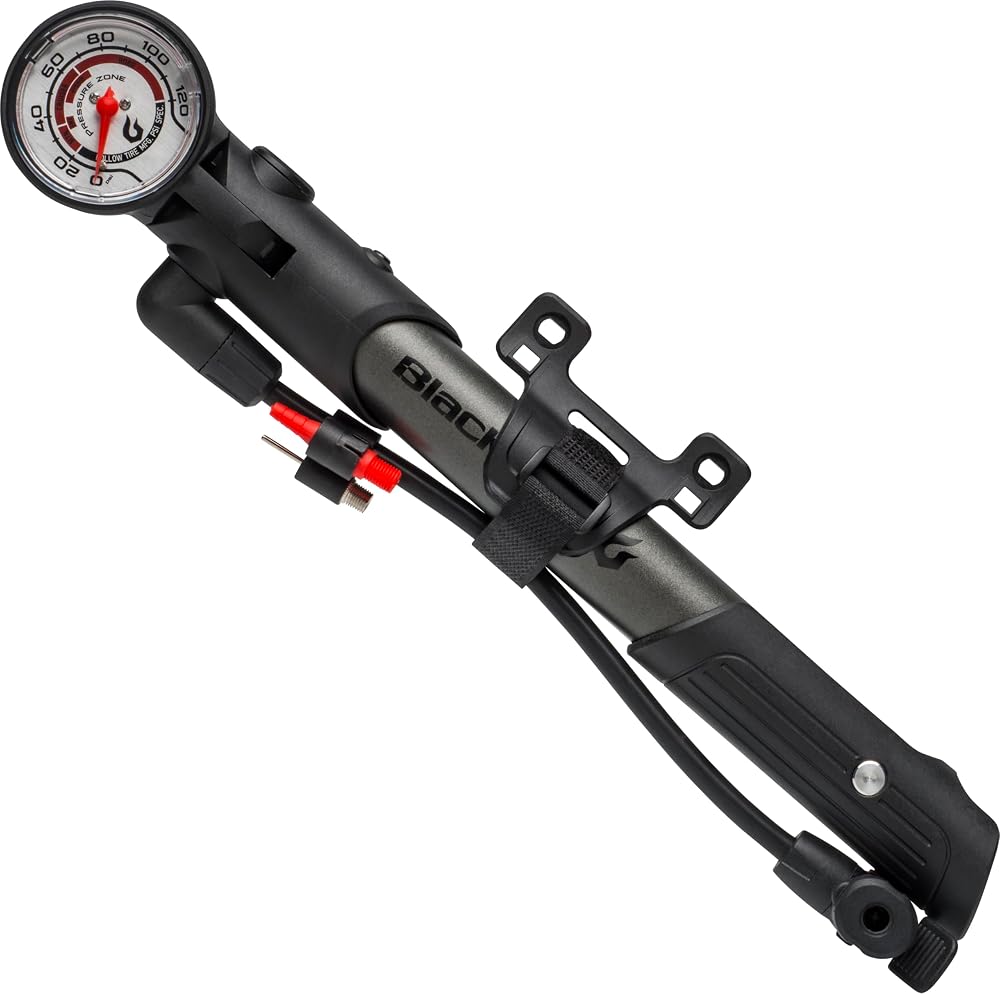
Full length, telescoping and mini frame pumps compared for pressure, valve fit and mounting, so a flat tire never ends your ride.
A frame pump clips to your bike and gets you rolling again after a flat. The best bicycle frame pumps are long enough to fill a tire in a reasonable number of strokes, light enough to forget about, and secure enough to stay put on rough roads. This guide covers the main types, the features that matter and the checks to make before you order, and the product table above lists current options.
Frame pumps are the classic roadside choice. They are longer than the mini pumps that fit in a jersey pocket, so they move more air per stroke, and they ride on the frame instead of in a bag. Pick the right length and valve head, and a flat becomes a five minute stop.




Best Bicycle Frame Pumps by Type
Full Length Frame Pumps
Traditional frame pumps run the length of the top tube or seat tube, often 16 to 20 inches. The long barrel fills a tire quickly and reaches higher pressure with less effort, which suits road riders and tourers. The trade off is fit: a pump that is too long will not mount on a small frame or a frame with a sloping top tube.
Telescoping and Compact Pumps
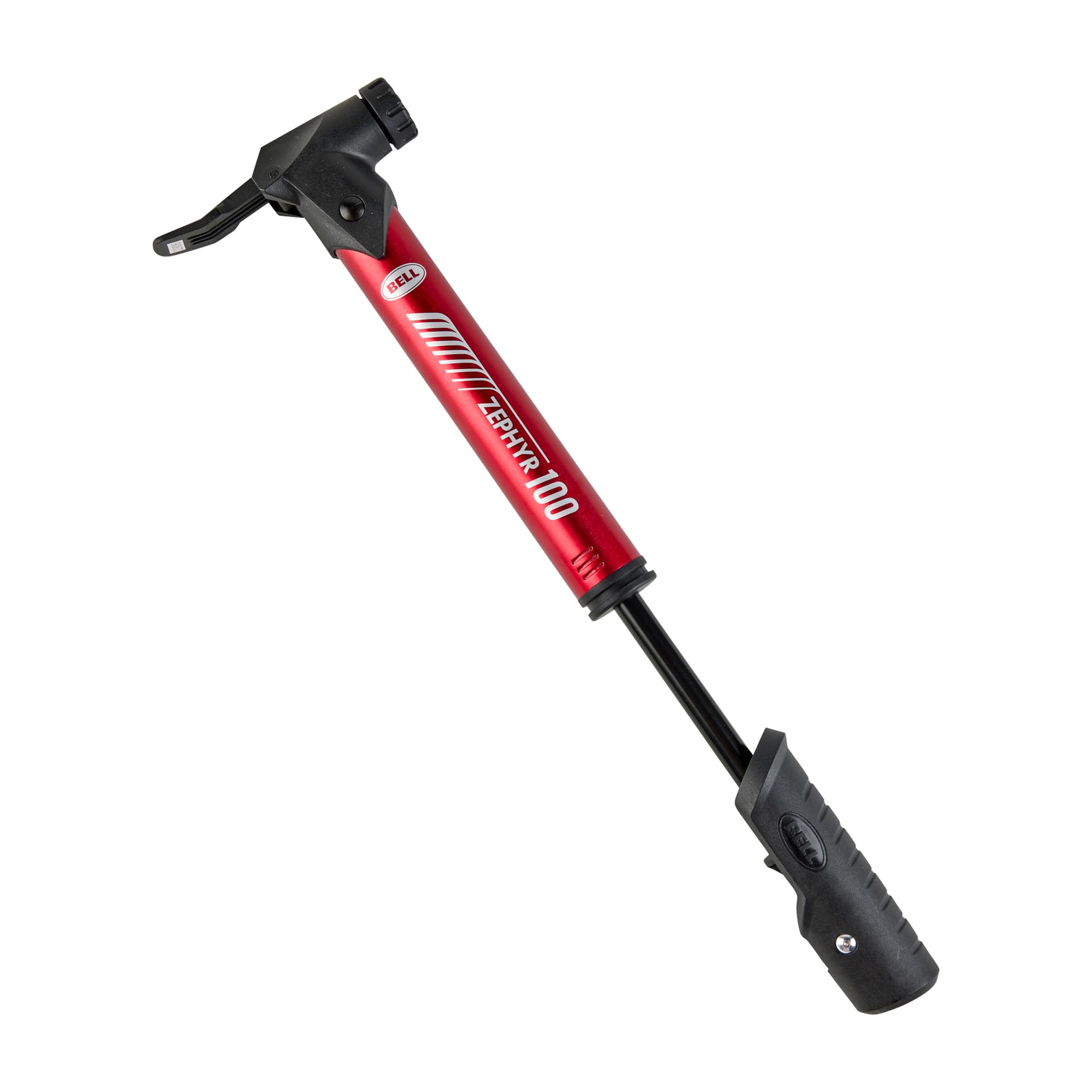
Telescoping pumps shorten for carrying and extend for use, so they fit smaller frames and cluttered bike layouts. They are a good compromise for commuters and mountain bikers who want a frame mount without a long barrel. Check the lock mechanism on the listing, since a loose telescoping barrel wastes effort.
Mini Pumps With Frame Mounts
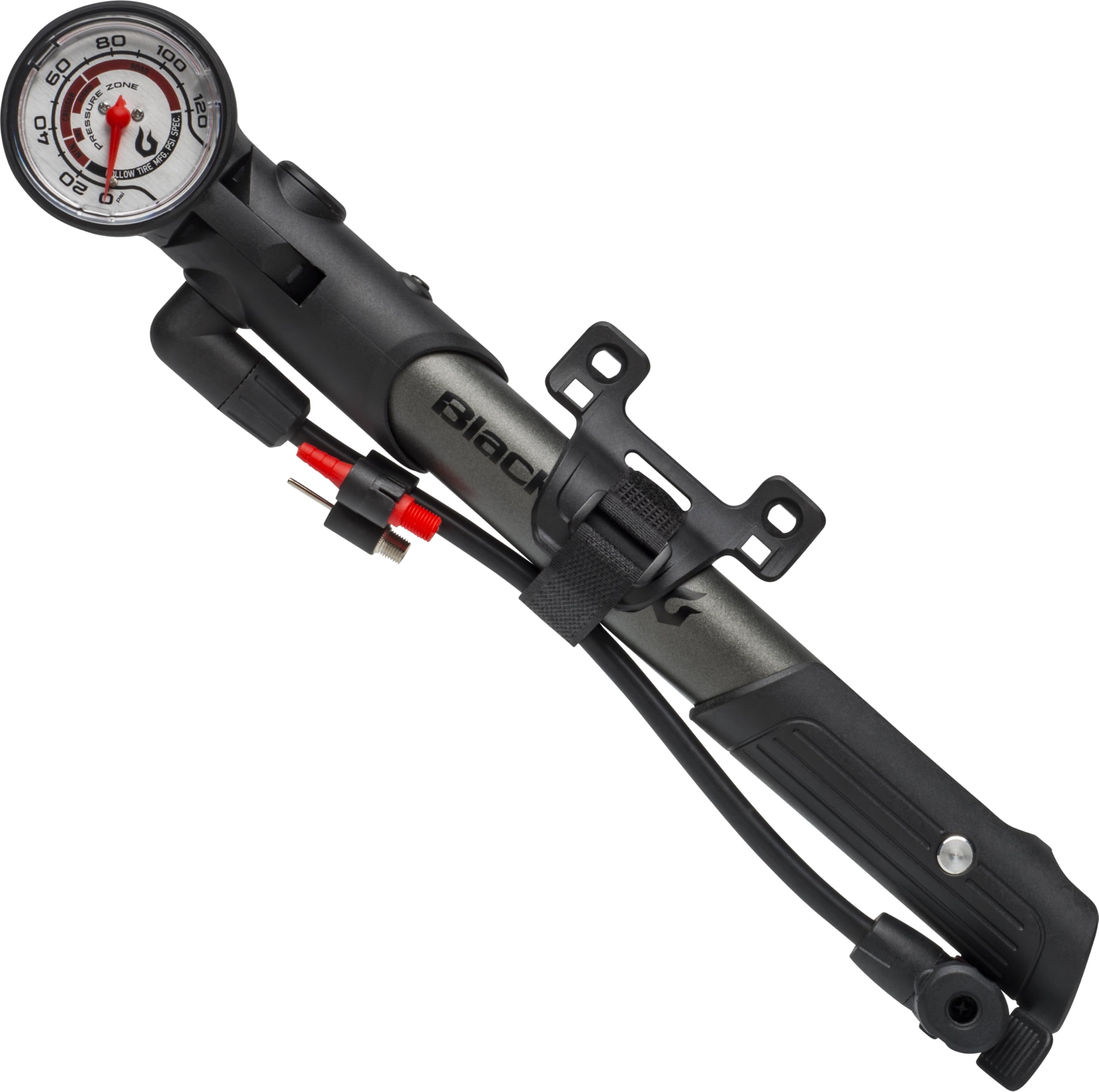
Some mini pumps ship with a bracket that mounts under a bottle cage or on the frame. They are the lightest option and suit riders who care about weight. Expect more strokes to reach pressure, and check the maximum pressure on the listing if you ride narrow road tires.
Key Features to Check
Maximum Pressure and Volume
Road tires need high pressure, while mountain and hybrid tires need volume. A narrow pump reaches higher pressure but moves less air. A wider barrel moves more air at lower pressure. Match the pump to your tires, and check the pressure range on the listing, not only the highest number.
Valve Head
A good head locks onto the valve and seals right away. Dual heads fit both Presta and Schrader valves, which helps if you ride more than one bike. Look for a head that does not bend the valve stem when you pump, since a bent stem can lose air.
Mounting Bracket
The bracket holds the pump against the frame, so rattling and slipping come from poor brackets. Look for a firm clip or strap system and check that the pump fits the mounting points on your frame. A pump that rattles loose can fall off on a rough road.
Hose and Gauge
Some frame pumps include a flexible hose, which protects the valve from side forces while you pump. A built in gauge helps you hit a target pressure without guessing, though gauges on small pumps are only rough guides.
Choosing the Right Fit
- Frame size: measure the space between the bottle cage bosses or along the tube before you buy.
- Valve type: check whether your tubes use Presta or Schrader, and make sure the head matches.
- Tire width: narrow road tires need pressure, while wide tires need volume.
- Riding style: a long frame pump suits touring, while a compact pump suits fast road rides and trails.
Care, Safety and Common Mistakes
Try the pump at home before you rely on it on the road. Keep the seals clean, check the bracket screws now and then, and carry a spare tube. When you stop to inflate, move well away from traffic. Look the tire over for cuts before riding on, and replace a damaged tire rather than relying on repeated inflation.
- Never testing the pump before a ride.
- Buying a pump whose maximum pressure falls short of road tire needs.
- Mounting the pump where it rattles loose.
- Forgetting an adapter for the second valve type.
Bicycle Frame Pumps: Your Questions Answered
What is the difference between a frame pump and a mini pump?
A frame pump is longer and moves more air per stroke, so it inflates faster and reaches pressure with less effort. A mini pump is smaller and lighter but takes many more strokes. Many riders choose a frame pump for touring and a mini pump for short rides.
Will a frame pump fit my bike?
It depends on frame size and tube shape. Measure the space along the top tube or seat tube, and check the pump length on the listing. Small and sloping frames often suit telescoping or compact models better.
Can a frame pump reach road bike pressure?
Some can, but many hand pumps top out at lower pressures. Check the maximum rating on the listing, and expect a long arm workout to reach high pressure with any hand pump.
Do I need a pump if I carry CO2 cartridges?
CO2 is fast but runs out after a few uses and cannot be refilled on the road. A pump is the backup that never runs out, so many riders carry both.
How do I stop the pump from rattling?
Tighten the bracket, add a small piece of rubber or tape between the pump and the frame, and check that the pump sits snug in the mount. A rattling pump can scratch the frame and may fall off.
Final Thoughts
Choose valve fit first, then length and pressure, and finish by checking the mount on your frame. Compare your shortlist in the product table above, and pick the best bicycle frame pumps for the bikes you ride most. For other angles, see our guides to the best bicycle pumps, the best mini bicycle pumps and the best bicycle tire pumps.


