
Best Bi Wire Speakers: Matching the Right Model to Your Routine for 2026
Disclosure: We may earn a commission when you buy through links on this page, at no extra cost to you. As an Amazon Associate I earn from qualifying purchases. Learn more
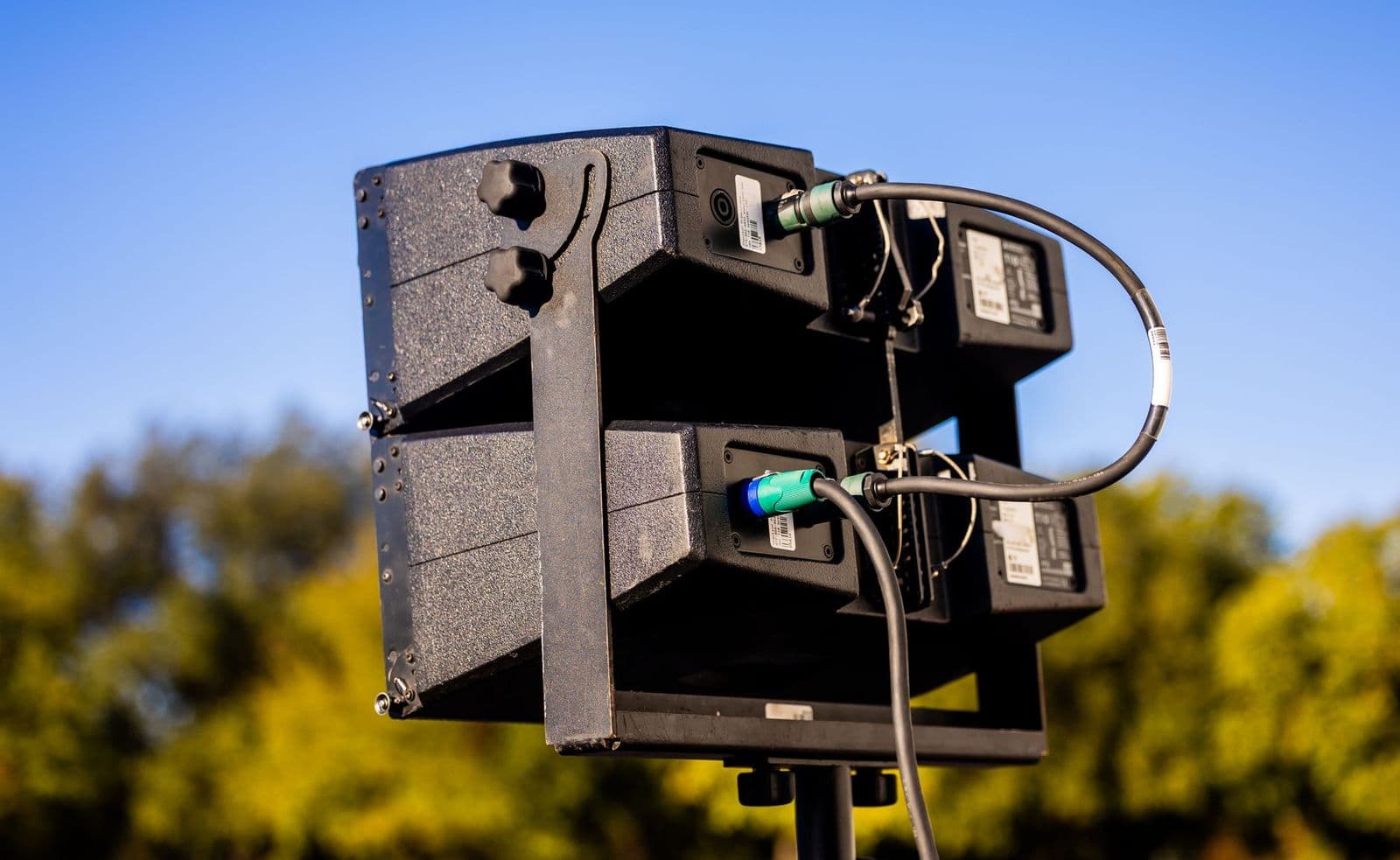
Not all bi wire speakers fit every routine. See which best bi wire speakers match how you actually use them, what features to prioritize, and what to skip.
There is no single speaker that suits every listener, room, and routine. A bi wire speaker adds one more choice to the usual list, because its two pairs of binding posts let you run separate cables to the woofer and the tweeter from one amplifier, or keep the standard single cable setup with jumper plates in place.
This guide matches the best bi wire speakers to real routines first, then covers the features that matter once you know your use case. Start with the section that sounds most like your week.
Who Should Buy Which Bi Wire Speakers?
For Remote Workers and Creators
Your priority is clear sound at close range for calls, editing, and long listening at a desk. Choose compact bookshelf speakers with bi wire terminals, a smooth midrange for voices, and a front port if they must sit near a wall. You will also want an amplifier with a clean volume control at low levels, since most of your listening happens quietly.
Reliability matters more than raw power here. Stable terminals that grip cable firmly, banana plug support, and a finish that tolerates a busy desk all count. Creators who edit video should favor neutral tuning, because exaggerated bass hides problems in a mix that listeners will hear later on other systems.
For Gamers and Power Users
You need low latency, strong dynamics, and enough power handling for films and games at real volume. Wired connections are non negotiable here, since any wireless link in the chain adds delay. Choose speakers with firm binding posts, healthy sensitivity, and a woofer of about 5 to 6 inches for impact at a desk or in a small media room.
Bi wiring itself will not change your frame rates or your aim, so judge these speakers on clarity at high volume and on how their treble holds together during loud scenes. Power users should also leave headroom in the amplifier budget. A speaker run within its limits sounds cleaner than a larger speaker starved by a weak amp, whatever the cable layout.
For Students and Everyday Users
Your needs are simple. Music, films, and lectures should sound pleasant at moderate volume, setup should take minutes, and the total price should leave room for the amplifier and cables. Standard size bookshelf speakers with bi wire terminals give you an easy system now and a wiring option to explore later.
Stability and value lead here. Look for a forgiving tuning that flatters compressed streams, terminals that accept bare wire without fuss, and a warranty of at least two years. If you are building a first full system, our guide to the best wire for speakers explains cable basics in the same plain style as this page.
Key Features to Compare
Terminals and Cables
Bi wire speakers are passive, so any streaming features live in your amplifier, not in the cabinet. The speaker side of the chain is the terminal panel. Two pairs of binding posts, solid jumper plates or jumper cables, and room for banana plugs or spade connectors make setup and later changes easy.
What matters for the cable run is length and gauge. For guidance on thickness by distance, see our guide to the best gauge wire for speakers before you order a spool.
Sound Quality and Tuning
Start with frequency response and sensitivity. A response that reaches near 50 to 60 Hz gives satisfying bass without a subwoofer in a small room, while higher sensitivity, around 88 dB and up, means the speaker plays louder from the same amplifier power. Driver size supports those numbers, with larger woofers moving more air for low notes.
Then consider tuning character. Neutral speakers reveal recording detail and suit creators, while warmer speakers with a gentle treble suit long casual listening. Bi wiring does not retune a speaker. At most, some listeners hear a small change in treble clarity when the jumper plates come out, and many hear none, so buy on the base sound first.
Common Mistakes to Avoid When Buying Bi Wire Speakers
- Judging by price alone. A costly cabinet with poor placement still sounds poor, while a modest speaker set up well can delight you daily.
- Ignoring the amplifier match. Check impedance and sensitivity against your amp, because a hard to drive speaker on a weak amp gives thin and strained sound.
- Expecting bi wiring to transform the sound. Buy the speaker for its drivers and tuning. Treat the second cable run as a small optional tweak, not the reason to buy.
- Buying the wrong size for the room. Large floor speakers swamp a small bedroom, and tiny satellites vanish in an open plan living space.
- Skipping the warranty check. Confirm warranty length and what it covers for drivers and crossovers before you pay, not after a fault appears.
Care and Maintenance Tips
Passive speakers ask for very little care, which is part of their appeal. Keep the amplifier firmware updated if it has streaming features, since updates fix pairing and control issues. Dust cabinets with a soft dry cloth, keep grilles clean with a gentle brush, and check terminal tightness twice a year, because snug connections prevent crackle and channel dropouts.
Store spare jumper plates and any port plugs in a labeled bag with your cables, so a future move or a change of amplifier does not leave you short of parts. If a speaker will sit unused for months, cover it to keep dust off the drivers and keep it in a dry room away from direct sun.
Bi Wire Speakers: Your Questions Answered
Wired or wireless: which sounds better?
Wired sounds better for a main system, because the amplifier feeds the drivers directly with no compression or delay. Wireless links belong in the source side of a passive setup, such as streaming to your amplifier, where modern Bluetooth is close enough for casual listening. For films, games, and careful music sessions, keep the final path wired and keep cable runs as short as your room layout allows.
Wrapping Up
Match the speaker to your routine, your room, and your amplifier, in that order. Check tuning and sensitivity before cable layout, and remember that bi wire terminals are an option to use later, not a promise of instant transformation.
Owners of certain tower and bookshelf models often ask about brand specific wiring, and our guide to the best wire for klipsch speakers covers one common case in depth. Whichever pair you choose, the best bi wire speakers for you are the ones that fit your space, pair cleanly with your amp, and make you want to press play every day.


