Best Bi Fold Door Hardware of 2026: Complete Buying Guide
Disclosure: We may earn a commission when you buy through links on this page, at no extra cost to you. As an Amazon Associate I earn from qualifying purchases. Learn more
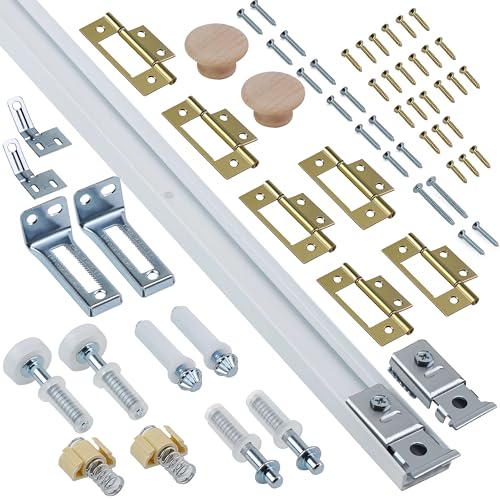
Closet door sticking or sagging? Learn how to pick the best bi fold door hardware by weight, track type and price for a smooth, quiet fit.
Choosing the best bi fold door hardware starts with the opening you already have, not with the prettiest track in a catalog. A closet door that folds neatly, stays on its track and closes without a push deserves hardware matched to its weight, width and panel count. This guide explains how to measure, compare types and avoid the common fit problems that cause sticking and sagging. Use the product table to narrow the options before you look at prices.
Bi fold doors work as a team of panels, pivots, guides and a track, so one weak part can spoil the whole door. The sections below cover who each setup suits, the specs that matter, the main hardware types, setup and care, and answers to the questions buyers ask most. By the end you should know what size to buy, which material fits your room and how much to spend for a quiet result.
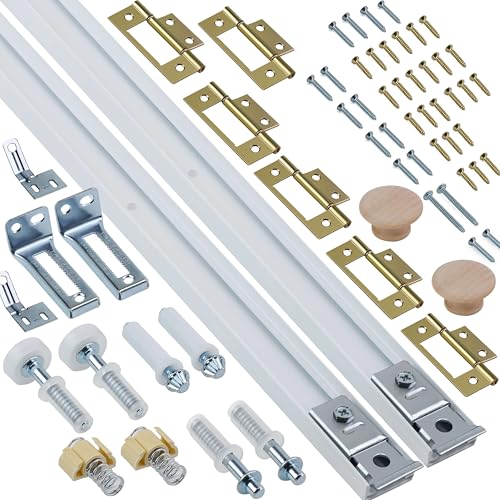
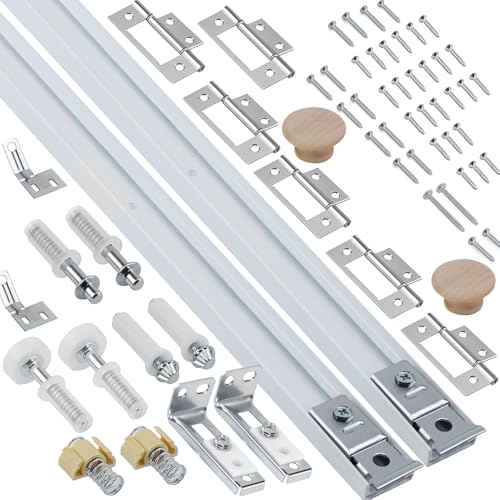


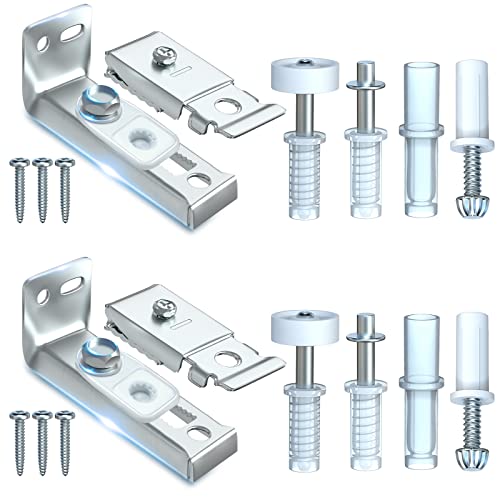
Spending Level Guidance
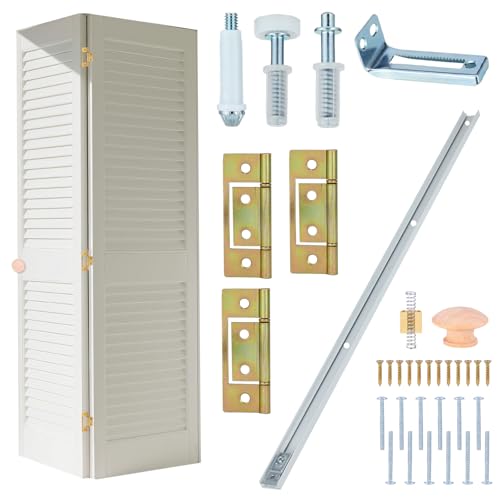
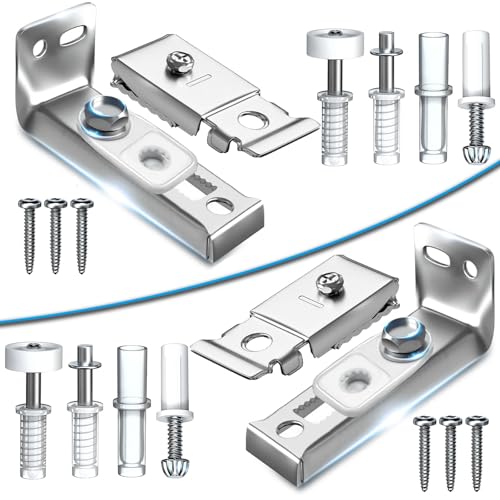
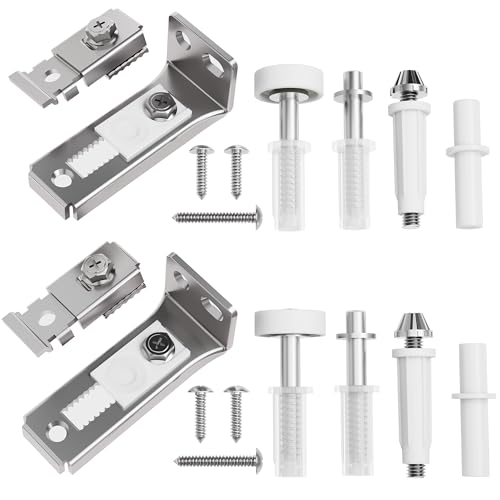
Price tells you something about materials and finish, but it does not tell you whether a kit fits your door. A low cost kit can work well on a light hollow core closet door, while a heavy solid door needs stronger pivots and a stiffer track even if the budget kit looks similar. Compare the parts in the kit, not just the price on the box, and check the weight rating before you decide.
Spending Less
A lower cost kit usually suits a light closet door that is opened a few times a day. Expect steel or lighter alloy parts, a simple top track and basic plastic guides. These kits can still run smoothly if the opening is square, the panels are light and the installer follows the maker instructions for pivot placement. Check that the kit includes all pivots, brackets and screws for your panel count, since buying missing parts later can erase the saving.
Spending in the Middle
A middle priced kit is often the practical choice for a bedroom closet or a laundry door that gets daily use. You are more likely to find smoother rollers, stronger pivots and a track that resists bending. Finishes also tend to look better and match other door hardware in the home. This level suits most solid core panels and wider openings, provided the weight rating covers the full door.
Spending More
A higher priced kit makes sense for heavy doors, wide openings and doors that will be used many times a day. Look for thicker track sections, ball bearing rollers and pivots built for repeated load. Soft close or quiet running features can be worth the extra cost on a bedroom door, where noise matters at night. Even at this level, correct measuring and fitting matter more than any single feature.
How to Choose Bi fold Hardware: A Buying Guide
This section covers the factors that decide whether a door folds smoothly or fights you every time. Work through them in order, starting with use and size, then moving to performance, safety, upkeep, ease of fitting and price. A kit that passes every check here is a better buy than a kit that only looks good in a photo.
Intended Use and Who It Is For
Closet doors, pantry doors, laundry doors and room dividers all fold, but they do not all need the same hardware. A closet door needs smooth daily running and a neat closed look, while a room divider needs stability across a wider opening and panels that stay aligned when fully open. Heavy use calls for stronger pivots, while a rarely used storage closet can accept a simpler kit. If you plan to match finishes across the home, see our guide to the best front door hardware sets for ideas on choosing a consistent look.
Key Performance Specs
The most important specs are the maximum door weight, the opening width, the panel count and the track length. Check the maker weight rating against the full weight of all panels together, not just one panel. Measure the finished opening width, height and depth, and confirm the track can be cut or extended to fit if needed. Also check the panel thickness range, since pivots made for thin hollow panels may not grip a thick solid panel securely.
Safety and Certifications
Good hardware keeps fingers clear of pinch points where panels fold together, and it keeps panels from dropping if a pivot works loose. Look for clear maker guidance on weight limits, screw sizes and fixing points, and follow local building rules where they apply. A kit that meets a stated maker standard for load or cycle life gives you a useful comparison point, but it does not replace careful fitting. For entry doors, see our guide to the best door locks when security is part of the same project.
Maintenance and Long Term Costs
Long term cost is mostly about rollers, guides and pivots that wear, plus the time needed to adjust them. Kits with replaceable rollers and guides are cheaper to keep running than kits where a worn part means replacing the whole track. Clean the track, check screws for looseness and listen for grinding or dragging at least once a year. A small adjustment early often prevents a bent track or a damaged panel later.
Ease of Use and Setup
Ease of use starts with clear instructions, a full parts list and brackets that suit your frame material. Some kits suit a do it yourself installer with basic tools, while others need precise drilling and alignment that are better left to a skilled installer. Check whether the kit suits a top hung or bottom rolling design, since that choice changes how the door hangs and how it is adjusted. Try the fold by hand after fitting, and adjust the pivots until the panels meet evenly.
Price vs Value
Budget kits run about $20 to $50, mid range kits about $50 to $120, and premium kits about $120 to $250 or more, depending on size and finish. Value comes from the right weight rating, smooth rollers and parts you can replace, not from extra features you will never use. A cheap kit that bends under a heavy door costs more in the end than a mid range kit that fits correctly the first time. Spend where the load is highest, and save on finish where it is hidden inside a closet.
Warranty and Customer Support
A clear warranty helps when a roller fails or a finish peels, but the length of cover matters less than what it covers. Read whether the warranty covers moving parts, finish and track bending, and whether it requires fitting by the maker instructions. Keep the receipt, the kit part numbers and photos of the opening in case you need a replacement part. Support that can identify a part from a photo or a part number saves a lot of time.
Types of Bi fold Door Hardware
Hardware types differ mainly in how the door is supported and how the panels fold. Top hung kits hang the weight from the top track, while bottom rolling kits spread some of the load to the floor guide. The right type depends on your frame, your floor and how much adjustment you want after fitting.
| Hardware type | Best for | Watch out for |
|---|---|---|
| Top hung | Closets with a sound header | Header must carry the full weight |
| Bottom rolling | Heavy or wide doors | Floor guide must stay clear and level |
| Light duty | Small hollow panels | Not suited to solid panels |
| Heavy duty | Solid panels and daily use | Needs precise fitting |
Premium Options
Premium kits use thicker tracks, smoother rollers and pivots rated for heavier doors. They suit solid panels, wide openings and rooms where quiet running matters. The extra cost buys durability and adjustment range rather than a different look, so check the weight rating and roller type before paying more.
Budget Options
Budget kits suit light hollow panels in a standard closet opening. They use simpler rollers and lighter brackets, which can still work well when the opening is square and the door is light. Avoid them for heavy panels, since a bent track or a worn guide will soon cost more in repairs.
Compact Options
Compact kits suit narrow openings, small closets and doors with two panels. They use shorter tracks and fewer parts, which makes fitting simpler and cleaning easier. Check the minimum opening width, since a compact kit may not suit a wider opening even if the panels look similar.
Mid Range Options
Mid range kits suit most homes because they balance strength, smooth running and price. They often include better rollers and a wider range of finishes than budget kits. This type is a safe starting point when you are unsure about panel weight, provided you still check the rating.
Setup and Care Tips
Good setup prevents most bi fold door problems. Read the maker instructions before you drill, measure twice, and fit the track level so the panels do not drift open or closed on their own.
- Read the manual before first use, and confirm every part in the kit matches the parts list.
- Clean and inspect the track regularly, and remove dust and grit that can slow the rollers.
- Store spare rollers and guides in a dry place, and keep small parts away from children.
- Keep the receipt with the part numbers, and register the product for warranty where the maker offers it.
- Check screws and pivots after the first month, then once a year, and tighten only to the maker torque guidance.
- When you check other doors in the same home, see our guide to the best screen door hardware for matching care ideas.
Bi fold Door Hardware: Your Questions Answered
How much should I spend on bi fold door hardware?
Spend based on panel weight and daily use rather than on room size alone. A light closet door can run well on a kit costing about $20 to $50, while a solid door used daily is better served by a kit in the about $50 to $120 range. Wider openings and heavy panels push the sensible spend higher, since stronger tracks and pivots cost more. Always check that the kit rating covers the full door weight before you compare prices.
How long does bi fold door hardware last?
A well fitted kit on a light door can last many years with only cleaning and small adjustments. Life depends more on panel weight, track condition and how often the door is used than on the finish. Rollers and guides wear first, so kits with replaceable parts last longer in practice. A door that drags, sags or sticks will wear parts faster, so fix alignment early rather than forcing the door.
What features matter most when buying bi fold door hardware?
Weight rating, track strength, roller quality and panel thickness range matter most. These four factors decide whether the door runs smoothly and stays aligned over time. Finish, soft close action and quiet running matter next, especially on bedroom doors. A kit that fits your opening and panel count beats a kit with extra features but the wrong size.
How do I maintain bi fold door hardware?
Clean the track, wipe the rollers and check screws and pivots at least once a year. Remove grit from the track with a soft brush, and use only the lubricant type the maker recommends, since the wrong product can attract dust. Replace a worn roller or guide promptly, and recheck panel alignment after any adjustment. Keep the maker instructions with the receipt so you can order the right part later.
Is expensive bi fold door hardware worth it?
Expensive kits are worth it for heavy doors, wide openings and doors used many times a day. Stronger tracks, better rollers and a wider adjustment range pay off when the load is high. For a light closet door opened rarely, a mid range kit often gives the same smooth result for less money. The deciding factors are always fit and weight rating, not price alone.
Our Verdict
Start with weight, width and panel count, then choose a track and pivot set rated for that load. Smooth rollers, replaceable guides and a finish that matches the room complete a good buy. The best bi fold door hardware is the kit that fits your opening correctly, runs quietly and can be adjusted and repaired over time. Check the details in the product table before you order, and measure once more before you drill.