
Best Bi Amp Speakers of 2026: Complete Buying Guide
Disclosure: We may earn a commission when you buy through links on this page, at no extra cost to you. As an Amazon Associate I earn from qualifying purchases. Learn more

Compare the best bi amp speakers with a clear buying guide on sound, power, connections, and room fit, so you can choose the right pair for your space.
A bi amp speaker uses two separate amplifiers inside one cabinet, one driving the woofer and one driving the tweeter. That split gives each driver clean power and tighter control, which is why so many studio monitors and powered PA speakers use this design.
Choosing among the best bi amp speakers means looking past watt claims and checking driver size, tuning, inputs and room fit. The product table above lets you scan current options, and this guide explains each factor in plain terms.
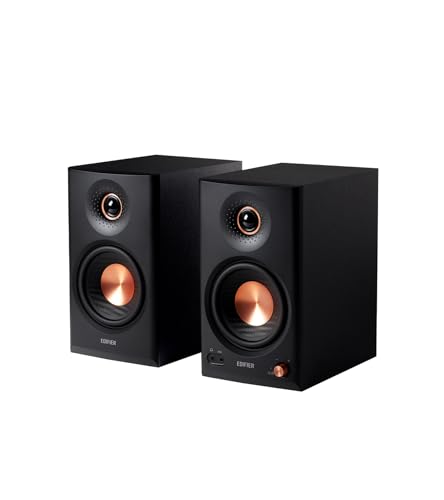

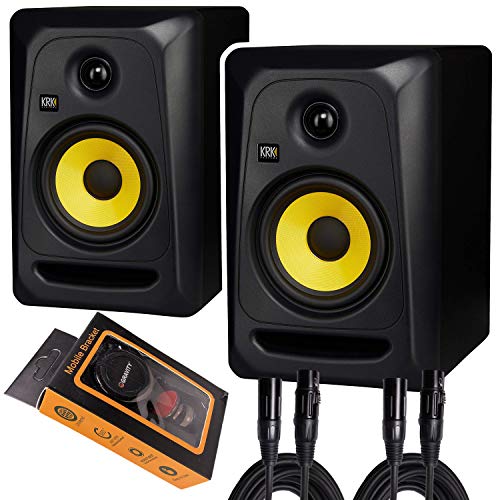

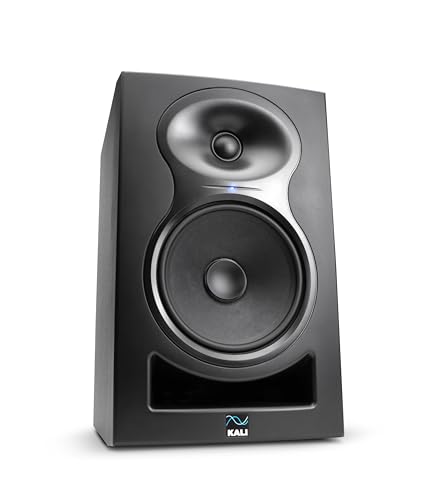
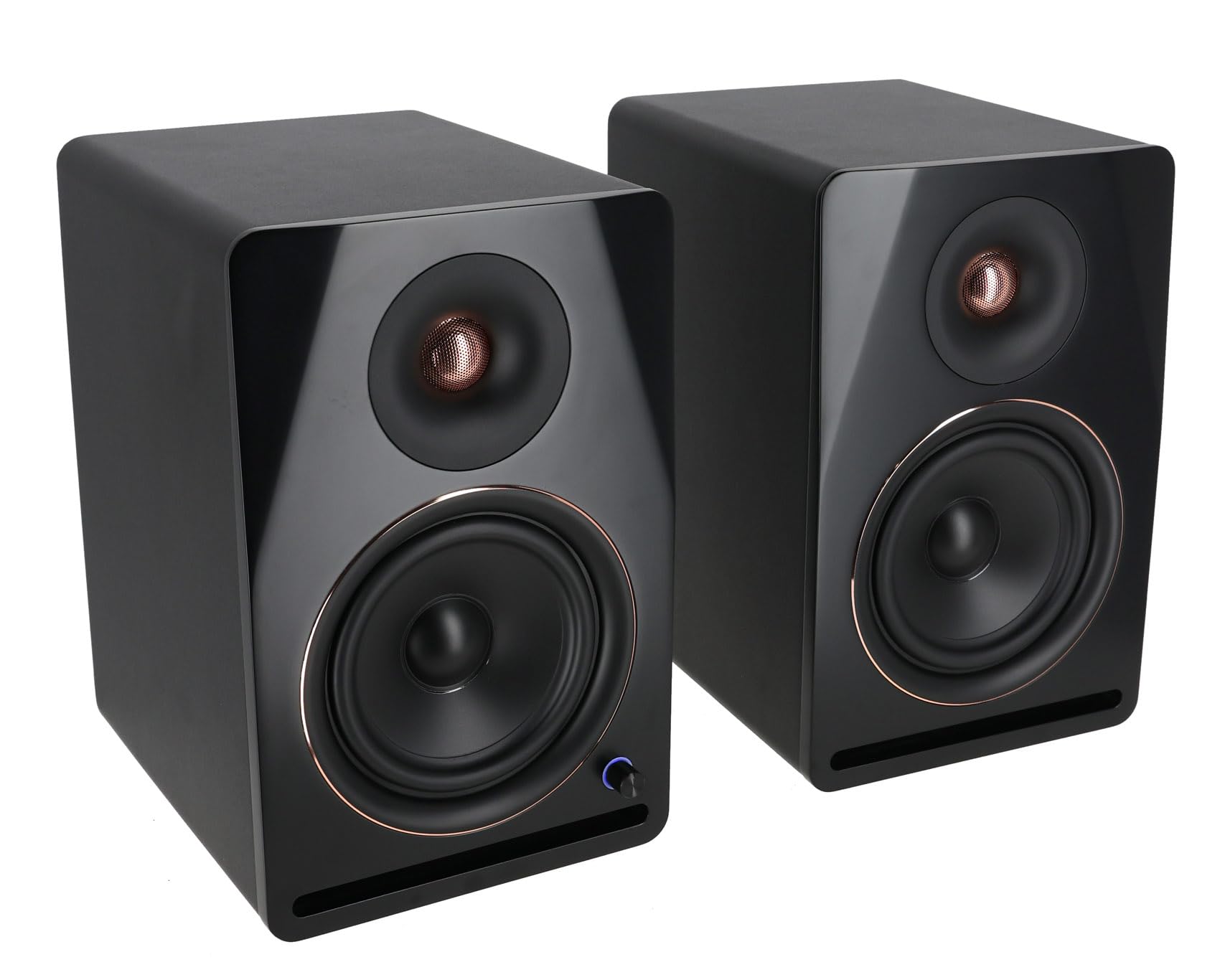
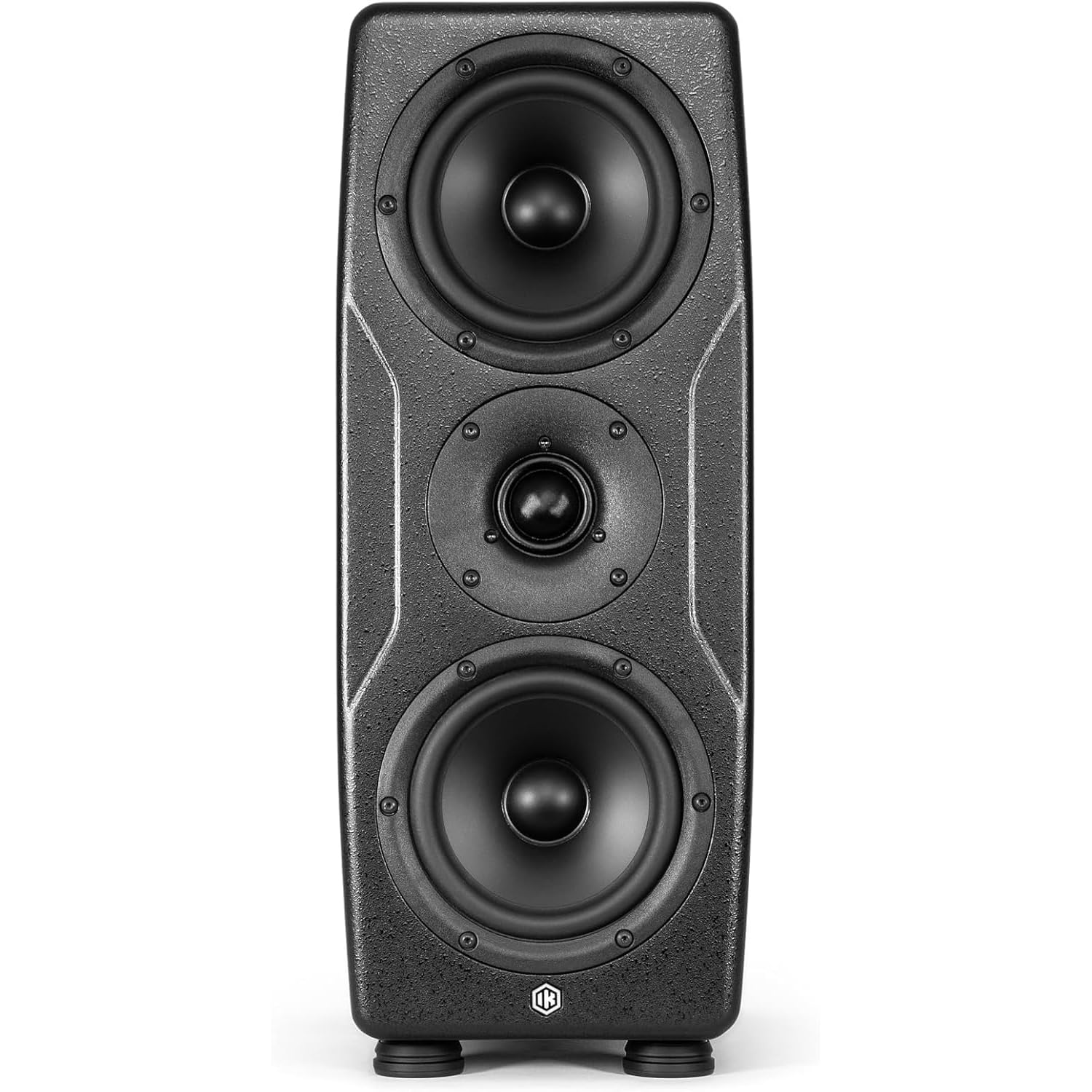


How Bi Amp Speakers Work
In a passive speaker, one amplifier sends a signal through a crossover that splits it between the woofer and the tweeter. In a bi amped speaker the crossover works first, and each driver gets its own amplifier matched to its job. The result is lower distortion at volume and more control over bass, which is why this layout is common in studio monitors.
You may also see the term bi amping used for a setup where two amplifier channels feed one passive speaker through its two sets of terminals. This guide focuses on self powered speakers that have the two amplifiers built in, because they need no extra gear beyond a source and a power cable. If you plan to drive passive speakers with a separate amplifier, see our guide to the best amp for speakers.
How to Choose the Best Bi Amp Speakers
Driver Size and Bass
Driver size shapes the bass you can expect. A 3 to 4 inch woofer suits voice and light music at a desk, a 5 to 6 inch woofer covers most home listening, and an 8 inch woofer adds real low end for larger rooms. Check the frequency response range and treat the lowest number with care, since small cabinets cannot move much air.
Tuning and Room Controls
Flat or neutral tuning suits mixing and editing because it reveals flaws in a recording. A warmer tuning with a gentle bass lift suits relaxed music listening. Switches that trim bass near walls are genuinely useful, because placing any speaker close to a wall boosts low frequencies and can make voices sound muddy.
Power Ratings
Look for watts per amplifier (RMS), not peak figures. A pair rated at 50 to 80 watts RMS fills a medium room at a desk or on stands. A listing that quotes only a large peak number tells you little about clean volume, so compare RMS values and check that driver size is stated alongside them.
Inputs and Connections
Balanced XLR or quarter inch inputs reject hum on long cable runs from an audio interface, while RCA inputs suit turntables and home gear. Some models add Bluetooth for phone streaming. Bluetooth always adds a small delay, which is fine for music but annoying for video editing, so use a wired connection as your main path when sync matters.
Placement and Room Size
Near field listening at a desk, about 3 to 4 feet from the speakers, suits compact models at lower volume. A living room setup at 8 to 12 feet needs larger drivers and more power. Put tweeters near ear height, form a triangle between the two speakers and your seat, and leave some space from rear walls. Foam pads or simple stands reduce desk vibration.
Types of Bi Amp Speakers
Studio Monitors
Studio monitors are the most common bi amped speakers. They aim for flat, honest sound and offer balanced inputs, which makes them the standard choice for home studios and careful listening. The trade off is convenience, since every source needs a cable and most models have no remote.
Powered PA and Stage Monitors
Larger powered cabinets with a 10 or 12 inch woofer suit live music, events and large rooms. They are louder and sturdier, though less refined for critical listening at a desk. Check the weight if you plan to move them often, and use a stand or pole mount to place the horn near head height.
Desktop and Bookshelf Models
Compact bi amped pairs with 3 to 5 inch woofers fit a desk or shelf and often add Bluetooth or a headphone jack. They suit music, video and calls at moderate volume. They rarely match larger monitors for deep bass, so add a subwoofer later if you need more low end.
Tips to Get the Most From Your Speakers
- Use balanced cables where possible. They cut hum and noise, especially on long runs.
- Avoid maximum volume for long sessions. Pushing any amplifier to its limit adds distortion and heat, so choose a speaker with headroom for your room.
- Keep dust off the cones. Use a soft dry cloth for cabinets and a gentle brush for grilles.
- Check cables each season. A loose or damaged cable is the most common cause of hum and crackle.
- Leave airflow behind the cabinet. Built in amplifiers produce heat and need space around the rear panel.
Bi Amp Speakers: Your Questions Answered
What is the difference between bi amp and passive speakers?
A bi amp speaker has two built in amplifiers, one for each driver, and needs only a power cable and a source. A passive speaker has no amplifier and needs a separate receiver or amp. Bi amped designs are simpler to set up, while passive pairs let you upgrade the amplifier later.
Do I need a subwoofer with bi amp speakers?
Not always. Monitors with a 6 inch woofer or larger cover most music well. If you listen to bass heavy music or watch films, a subwoofer adds the lowest octave, and many monitors include an output for one.
Are bi amp speakers good for gaming and movies?
Yes, they give clear dialogue and accurate effects at a desk. Choose a model with the inputs your PC or console uses, and use a wired connection to avoid delay.
Wired or wireless: which sounds better?
Wired sounds better in almost every case, with no compression, no pairing dropouts and no delay. Wireless wins on convenience for background music. If you can only choose one, choose wired for a fixed setup.
How much should I spend?
A good desktop pair often costs around $150 to $300, while larger studio monitors and powered PA cabinets cost more. Spend on driver size and clean amplification first, and skip extras you will not use.
Our Verdict
Let room size, inputs and tuning guide your choice. A medium room and an audio interface point to a balanced wired pair, while a small desk and a phone point to a compact model with Bluetooth. Compare your shortlist in the product table above against those points, and ignore watt claims that lack driver size beside them.
The right pair from the best bi amp speakers should disappear into your routine and give you clear sound with no fuss about hum or placement. Buy for the room you have now, and your first pair can serve you well for years.


