Best Benchtop Table Saw: Types and Buying Tips (2026)
Disclosure: We may earn a commission when you buy through links on this page, at no extra cost to you. As an Amazon Associate I earn from qualifying purchases. Learn more
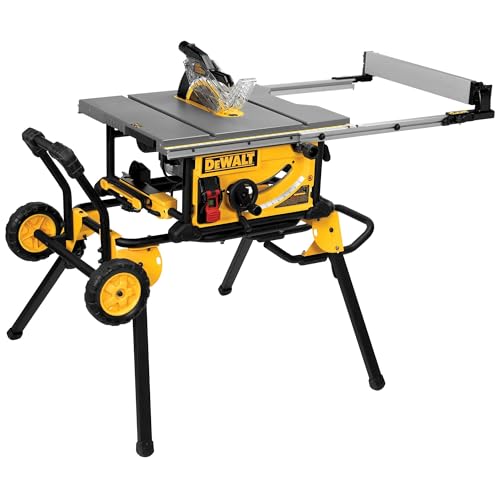
Fence accuracy, rip capacity and storage size set the fit. Compare three types to find the best benchtop table saw for your home shop.
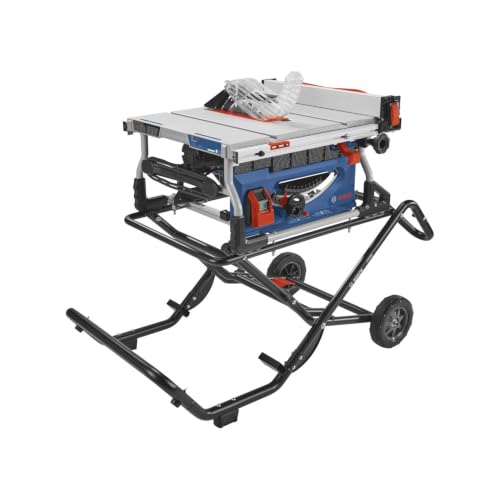
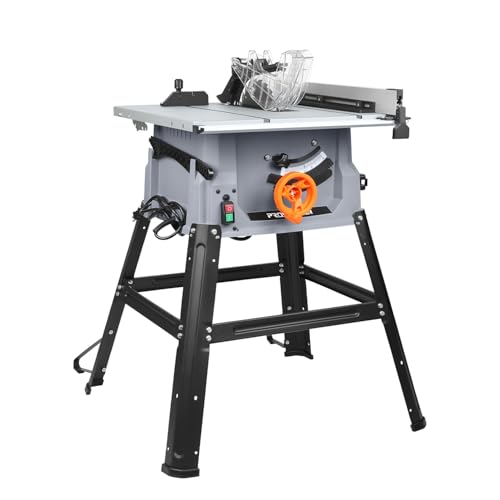
A benchtop saw promises accurate cuts without taking over your garage, but small size hides big differences in fence quality, rip capacity, and stability. This guide helps you find the best benchtop table saw for your space by comparing types, power, and the features that change your results. See the comparison table below.



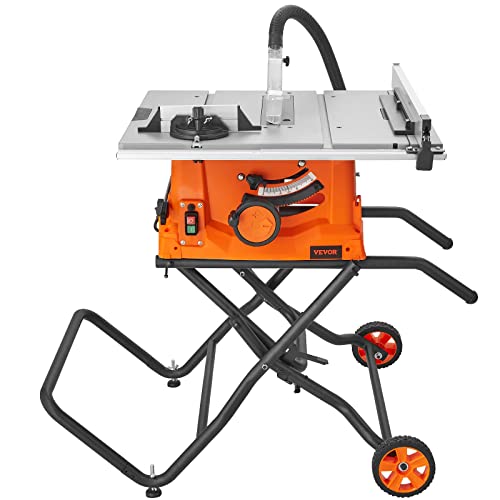
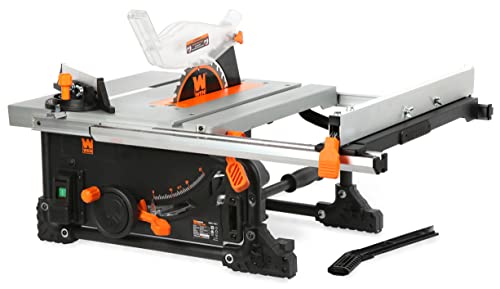
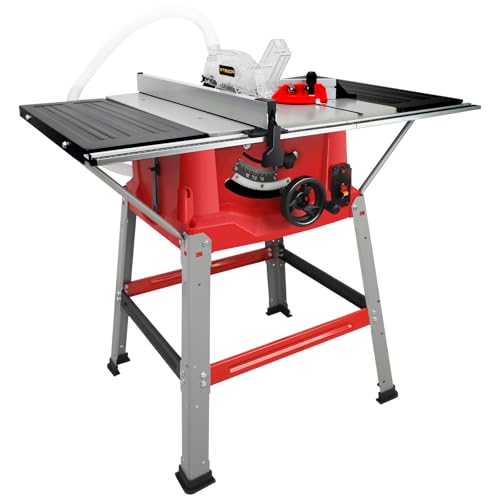
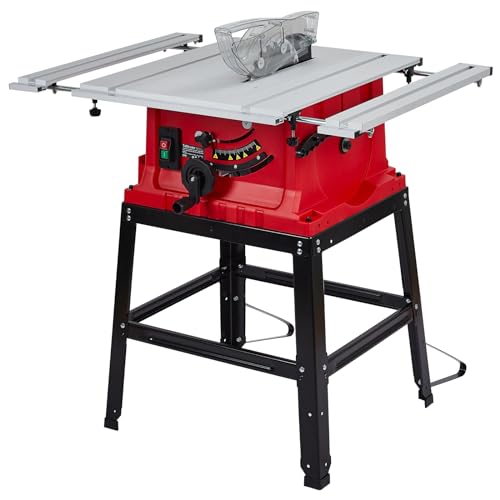
Who Should Buy a Benchtop Table Saw?
Homeowners With a Small Shared Shop
If your shop is a garage bay or a basement corner shared with bikes and bins, a benchtop saw earns its place. You set it up for a weekend build, then lift it onto a shelf when the car comes back inside. Look for a weight you can lift alone, secure handles, and a fence that locks without shifting.
DIY Builders Working on Furniture and Trim
Furniture, shelving, and trim work demand repeatable rip cuts and clean crosscuts. A benchtop saw suits this work when the fence stays parallel to the blade and the miter gauge has little play in its slot. If most of your lumber is solid wood under 2 inches thick, a standard 10 inch model covers nearly all of it.
Renters and Movers Who Need Portability
Renters often cannot build a permanent shop, and frequent movers need tools that pack into a truck without a crew. A corded model avoids extra battery costs and runs as long as an outlet is nearby. Choose onboard storage for the guard, push stick, and wrenches, because loose parts get lost during a move.
Three Types of Benchtop Table Saws Compared
Three broad styles cover most of the market. Compact 8 inch saws suit light trim work and easy carrying. Standard 10 inch saws handle thicker stock and accept more blades and dado sets. Safety focused models add flesh sensing technology that stops the blade on contact with skin, at a much higher price.
Choose by the thickest material you cut and the safety level you want. Compact saws save money but can bog down in dense hardwood, while standard saws feel calmer on long rips.
How to Evaluate Benchtop Table Saws
Start with the fence, because fence accuracy decides whether cuts come out straight or tapered. Lock it at several points and check that its distance to the blade stays equal at the front and back of the table. Next, compare rip capacity, table size, and accessory storage. Finally, weigh motor power against noise, dust output, and lifting weight. Our guide to the best table saw shows how benchtop models sit alongside larger floor models.
Key Features to Compare
Motor Power and Blade Speed
Most corded benchtop saws use a universal motor rated at about 15 amps, spinning the blade at roughly 4000 to 5000 revolutions per minute with no load. That power covers pine, plywood, and most hardwoods at moderate feed rates. What you feel in use is torque under load. Feed the work at a pace the motor accepts instead of forcing the board through.
Rip Capacity and Table Size
Rip capacity is the widest board you can cut between fence and blade, and many models offer about 24 to 25 inches to the right of the blade. A larger table keeps boards steadier before and after the blade. A roller stand or flat bench often adds the same support for less money.
Fence Design and Accuracy
A rack and pinion fence moves both ends together as you turn the knob, which helps it stay parallel to the blade. Simpler clamp style fences cost less but can skew when locked, so you may need to measure at the front and back for every setup. Confirm the first cut with a tape measure even when the scale looks right. Accuracy you can repeat quickly beats a long list of extras.
Dust Collection and Noise
Benchtop saws throw fine dust from the guard port and under the table, so a rear port that fits a standard shop vacuum hose makes cleanup far easier. Port sizes vary, so budget for an adapter if your hose does not match. Universal motors are loud enough that hearing protection is a must for everyone in the room.
Safety Features That Matter
Every benchtop saw should ship with a blade guard, a riving knife, anti kickback pawls, and a push stick. The riving knife keeps the kerf open behind the blade and lowers the chance of a board pinching and kicking back. A large paddle switch lets you stop the saw with your knee when both hands hold the work. Check that the guard lifts smoothly and still lets you see the cut line.
How to Choose the Right Table Saw
Type
Jobsite saws are benchtop saws built to travel, with rugged frames for uneven ground, and the portable and benchtop labels overlap a great deal. Cabinet and hybrid saws are floor standing shop saws that do not belong in a small space comparison. If carrying the saw to the work is your main need, see our guide to the best portable table saw.
Features Worth Paying For
A rolling stand is worth paying for when you move the saw every session, because setup becomes unfolding rather than lifting and leveling. A rack and pinion fence earns its cost when you change rip widths often. Skip laser guides you will rarely trust and blade bundles of unknown quality. Spend first on the fence, the stand, and dust control.
Cordless vs Corded Power
Corded saws deliver full power as long as you need it, cost less for the same cutting ability, and never pause for a charge. Cordless models free you from outlets, but add battery and charger costs and can slow as the pack drains. For a home shop with outlets near the bench, corded power is the simpler route. Choose cordless only when outlet access truly limits where you can work.
Battery Platform and Brushless Motors
If you go cordless, a saw that shares packs with your drill and circular saw saves money and shelf space, and larger packs give longer run time in thick material. Check cuts per charge in plywood and in hardwood, because those numbers can differ a lot. Brushless motors stretch run time and deliver steady torque without brush wear. On corded saws, brushed universal motors remain the norm, so do not pay a premium for brushless there.
Accessories and Warranty
Useful additions include a zero clearance insert for cleaner cuts in plywood, a crosscut sled you build yourself, and a featherboard to hold stock against the fence. Warranty length is often about 1 to 3 years for home use. Register the saw and keep your receipt, since commercial use can shorten coverage.
How Much Should You Spend?
Basic models cost about $200 to $300 and suit occasional trim and craft work, with simpler fences and smaller tables. The middle range, about $300 to $600, brings better fences, larger rip capacity, and sturdier stands. Above about $600, you pay for safety technology and build quality aimed at daily use. New users can start with our guide to the best table saw for beginners, then return here to compare sizes.
Benchtop vs Other Table Saws: Pros and Cons
The pros are price, storage size, and the freedom to set up anywhere with a flat surface. The cons are smaller tables, louder motors, and less mass, which means more vibration on long cuts in thick stock. A cabinet saw gives smoother power and a larger surface, but needs dedicated space and a much larger budget. For many home shops, benchtop limits appear only on very large or very thick work.
If you mostly break down sheet goods and rarely rip solid lumber, our comparison of table saw vs circular saw shows when a guided circular saw covers the same jobs with even less storage space. If you rip boards every week and need straight edges for glue joints, the table saw wins on speed and repeatability.
Common Mistakes to Avoid
- Setting the saw on a wobbly bench, which lets it shift mid cut and ruins accuracy.
- Removing the blade guard and riving knife for a clearer view, which strips away kickback protection.
- Trusting the fence scale without a test cut, so a small offset repeats across every part.
- Ripping long stock without infeed and outfeed support, which makes the board tip and bind.
- Standing directly behind the blade path instead of to one side, in line for a kickback.
- Buying on motor amps alone and ignoring fence design, which shapes daily results more.
How to Make Your Table Saw Last Longer
Wipe the table after each session and apply a thin coat of paste wax every few months, which lets boards slide smoothly and slows rust in damp garages. Blow dust from the motor vents and fence rails with low pressure air. Inspect the cord for cuts, confirm the guard and riving knife still align with the blade, and replace a dull blade early.
Store the saw dry, with the blade lowered and the fence locked. For project driven setup advice, read our guide to the best table saw for woodworking. Before your first cuts, review our walkthrough on how to use a table saw so your stance and push stick habits start out right.
FAQ
What is the best benchtop table saw for a home shop?
For most home shops, the strongest choice is a 10 inch corded model with a rack and pinion fence, about 24 inches of rip capacity, and a stable bench or stand plan. That mix handles furniture parts, plywood, and trim without crowding a garage. Add flesh sensing safety technology only if your budget allows it comfortably. Bench height and dust control shape daily satisfaction as much as the saw itself.
Are benchtop table saws worth it?
Yes, when your work is furniture, shelving, and home repairs in a space shared with cars or storage. You get straight, repeatable rips that a handheld saw cannot match without guides and extra setup. It is less worth it if you mill thick slabs every week or need a huge table for daily sheet work. In that case, saving toward a larger floor saw avoids buying twice.
How long does a benchtop table saw last?
A benchtop saw used on weekends can serve for many years, often a decade or more, if you keep dust out of the motor vents and store it dry. Wear items include motor brushes, fence locks, and the table finish, all of which you can service or adjust. Heavy daily use in a pro setting shortens that life a great deal. A fresh blade and a tighter miter gauge restore much of the new saw feel.
Is a table saw worth it if you already own a circular saw?
It can be, because the tools reward different habits. A circular saw travels to the work and breaks down big sheets with a guide, while a table saw brings the work to a fixed blade for fast repeat cuts of the same width. If you build cabinets with many matching parts, the table saw saves real time.
How do you clean a benchtop table saw?
Unplug the saw, remove the blade, and brush pitch off the teeth with an old toothbrush and a mild blade cleaner, then dry the blade fully before refitting it. Vacuum dust from the cabinet interior and fence rails, and wipe the table with a dry cloth. A light coat of paste wax helps boards glide afterward. Avoid soaking any part in water, and keep liquids away from the motor and switch.
What is the most reliable table saw brand?
No single brand wins for every buyer, and reliability depends more on the model line, fence design, and parts support in your area than on the logo. Look for brands that sell replacement guards, inserts, and fence parts for years after launch. A strong local return policy also matters, because a flawed fence shows its problems in the first week.
Final Thoughts
The right benchtop saw is the one whose fence you trust, whose size fits your storage corner, and whose power matches the thickest stock on your project list. Compare the types and criteria in the product table above, set a budget in the middle range if you can, and plan your bench, support, and dust control before the saw arrives. Chosen with care, the best benchtop table saw turns rough lumber and sheet goods into accurate parts for years of home projects.