
Best Benchtop Ovens at Every Price: What Your Money Really Gets You for 2026
Disclosure: We may earn a commission when you buy through links on this page, at no extra cost to you. As an Amazon Associate I earn from qualifying purchases. Learn more
See what each budget buys in the best benchtop ovens, with size, wattage, convection, and counter clearance explained.
Benchtop ovens range from simple toaster ovens under $60 to feature packed countertop models over $400, and the price gap buys real differences in size, speed, and temperature control. This guide breaks down what each tier actually delivers, so you can find the best benchtop ovens for your counter and your cooking without paying for modes you will never touch.
Start with the comparison table below for capacities and prices, then use the tier guide to set your budget. A benchtop oven earns its counter space every week, so the right size and the right controls matter more than a long feature list.
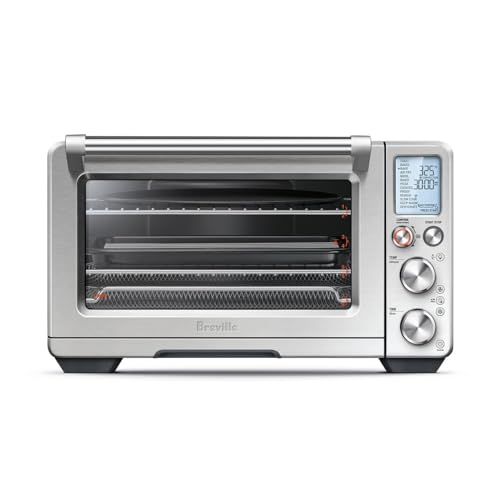
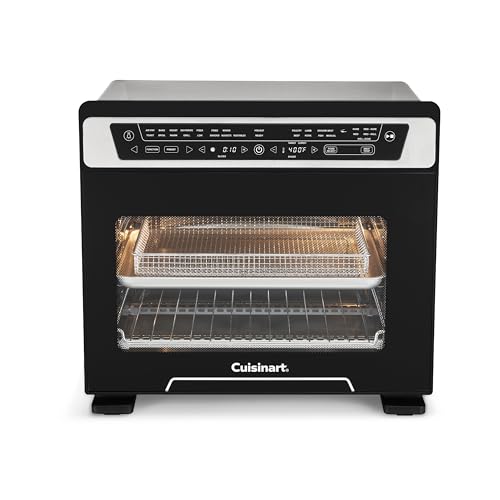

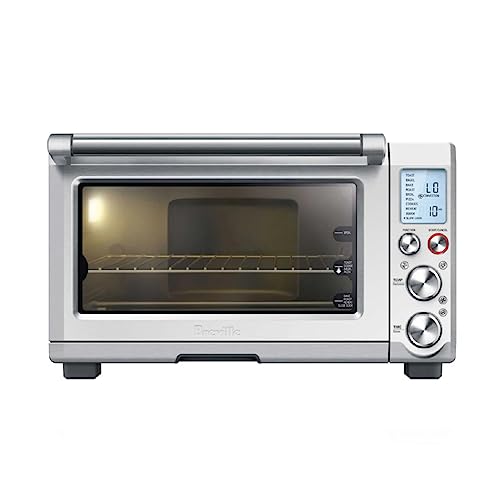

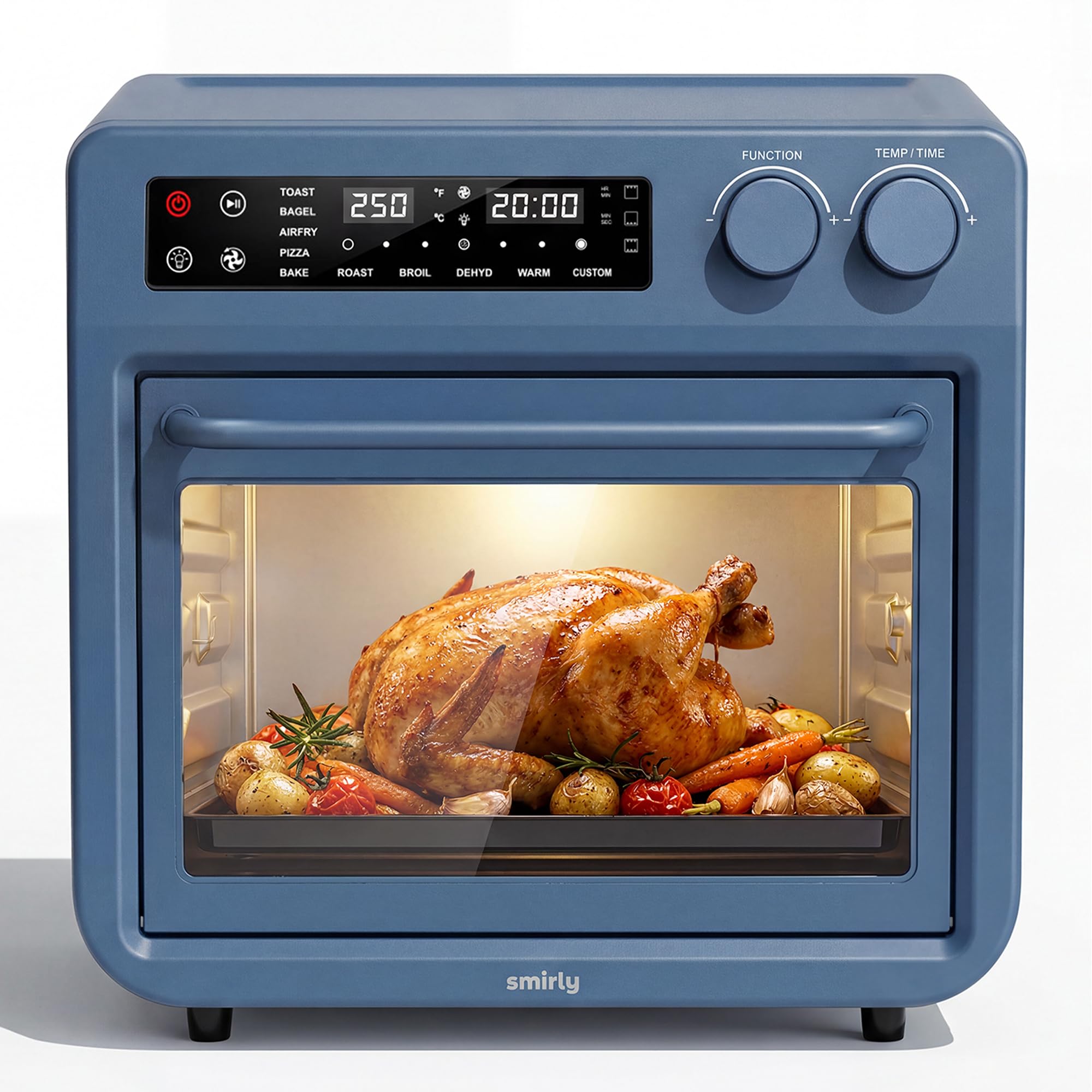

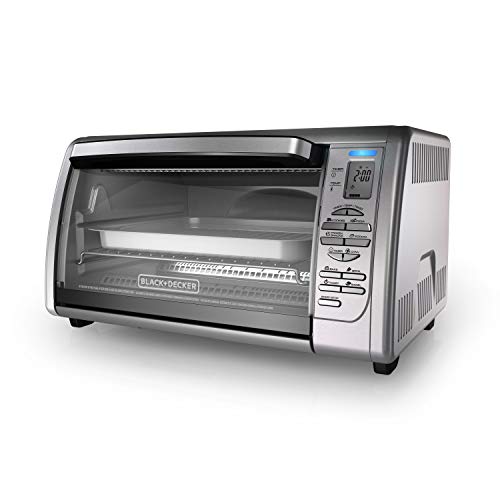

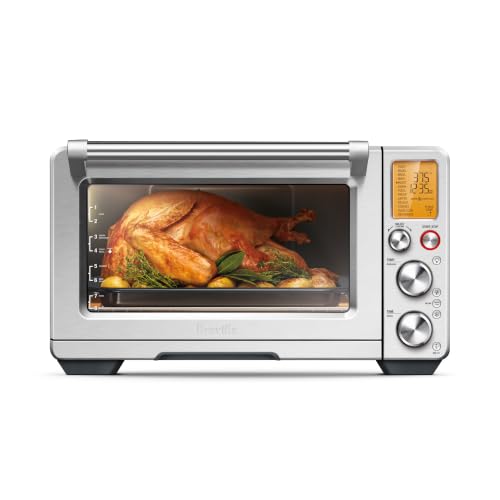
Top Profiles by Budget
Rather than chasing names, judge each oven against the profile for its price. These three profiles describe who each level suits, what it should include, and the compromise built into the price.
The Budget Profile
The budget profile, usually around $50 to $120, covers toast, reheating, and simple baking for one or two people. Expect a compact cavity that fits four pieces of toast or a small frozen pizza, basic dials or a few presets, and wattage around 1,100 to 1,400 watts. Strengths at this level are small footprints and simple cleanup, often with a removable crumb tray. The limitation is temperature accuracy: budget ovens tend to run hot or cool compared with the dial, so an inexpensive oven thermometer helps. For snacks and sides in a dorm, office, or small apartment, that trade off is perfectly reasonable.
The Midrange Profile
The midrange profile, around $120 to $280, is the sweet spot for most kitchens. You typically gain convection cooking, more accurate digital controls, and a cavity that fits a nine by thirteen inch pan or a twelve inch pizza. Wattage climbs to about 1,500 to 1,800 watts, so preheating is faster and browning is more even. Many models add air fry and dehydrate modes that genuinely work at this size. The compromise is counter space: a midrange oven is a large appliance that will live out permanently. Measure before you buy, and this tier will handle weeknight dinners and weekend baking with ease.
The Premium Profile
The premium profile, around $280 to $450 and up, buys precision and capacity. Expect fast and even convection, probe thermometers on some models, interior lights, and controls that hold a set temperature within a narrow band. Large cavities can fit a whole chicken, a Dutch oven, or two trays at once, which makes the oven a true second oven for holidays. Build quality improves too, with sturdier doors and better insulation that keeps the exterior cooler. The honest limitation is value for light users: if you mostly make toast, premium precision is money spent on capability you will rarely notice.
What Your Money Gets You at Each Price Tier
Budget Tier: What to Expect
Budget money buys the core job: heating food on a counter without firing up a full size range. Controls are simple, often three dials for function, temperature, and timer, and that simplicity is a virtue for shared kitchens and older users. You give up convection, precise temperatures, and interior room, and the exterior can get quite hot, so clearance matters. This tier works best as a toaster first and an oven second. If your main goal is baking cakes or roasting meat weekly, save longer and start at the midrange tier instead of fighting a small, uneven cavity.
Midrange Tier: The Sweet Spot for Most Buyers
Midrange models add the features that change daily cooking. Convection fans even out hot spots, digital timers shut the oven off automatically, and preset programs take guessing out of pizza, bagels, and air fried vegetables. Capacity grows enough for family meals, and many households find the big oven stays off most weeknights, saving energy. Shoppers who are also weighing full size options can compare with our guide to the best quality ovens to see where countertop models genuinely compete. For most buyers, this tier delivers the best years of service per dollar.
Premium Tier: When Spending More Pays Off
Premium spending pays off when you cook often and care about repeatable results. Better elements and smarter controls mean a roast cooks the same way in January and July, and a baking stone or steel fits inside for serious bread and pizza. Steam assist and slow cook modes appear at this level on some models, widening what a countertop appliance can do. You also get quieter fans, brighter lights, and doors that close with a solid feel. Buy this tier as a long term appliance, the way you would a stand mixer, not as a seasonal gadget.
Features Worth Paying For (and Ones to Skip)
Element Wattage and Power
Benchtop ovens are electric, so wattage describes how much heat they can make. Around 1,500 to 1,800 watts is the range to want for quick preheating and strong browning, while lower wattage models suit toast and gentle reheating. More important than the peak number is element layout: upper and lower elements with a convection fan give the most even results. Judge wattage, fan, and cavity insulation together.
Power Source and Plug
Benchtop ovens plug in and run on electricity, which makes them portable between kitchens and easy to install. There is no gas line to connect, so electric power plus a standard outlet is the whole story, and that simplicity is a genuine advantage.
Installation and Electrical Requirements
Installation means choosing a safe spot and checking your circuit. Most benchtop ovens run on a standard household outlet, but at up to 1,800 watts they draw heavily, so avoid sharing the circuit with a microwave or kettle at the same time. Leave several inches of clearance on all sides and above, because exterior surfaces get hot enough to damage cabinets and melt nearby plastic. No gas line, no conversion kit, and no special wiring are involved. Keep the cord away from the oven body, never operate it under a low cabinet without the maker’s stated clearance, and unplug it before cleaning.
Size and Counter Fit
Benchtop sizing is about interior capacity and counter footprint. Capacity is often given in quarts, liters, or slices of toast, but the useful test is what fits: a twelve inch pizza, a nine by thirteen inch pan without handles, or a four pound chicken. Measure your counter depth and the height under cabinets, then add clearance for heat. Also check door swing and how far racks slide out, since loading a heavy dish needs two hands and open space. Our comparison with the best countertop oven category shows how these measurements compare across footprints.
Long Term Costs to Factor In
Running costs for a benchtop oven are modest, and using one instead of heating a full size oven for small meals can lower your electricity use noticeably. The real extras are accessories: a fitted baking pan, an air fry basket, replacement racks, and parchment or foil liners add up over years. Budget around $30 to $80 for the pieces your model omits. Elements and fans can fail eventually, so a warranty of at least one year, with two years being better, matters more than an extra preset mode. Factor in counter space as a cost too, since a large oven that crowds your prep area taxes every meal. Readers comparing heating styles may also want our notes on the best conventional ovens for a full picture of ownership costs.
FAQs
How long does a benchtop oven last?
A benchtop oven typically lasts five to eight years with regular use. Heating elements and convection fans are the usual failure points, and heavy air fry use at maximum temperature shortens life a little. Wiping the interior often prevents grease buildup that smokes and stresses components. Premium models with better insulation and sturdier doors tend to sit at the long end of that range, especially when they are not stored in damp spaces.
Can a benchtop oven replace a full size oven?
For small meals, toast, reheating, and baking for one to four people, often yes. A benchtop oven preheats quickly and uses less energy than heating a full size oven. For big roasts, several dishes at once, or large holiday meals, a full size oven still has the advantage.
What size benchtop oven do I need for my kitchen?
Choose by the largest dish you cook regularly, not by the largest dish you can imagine. A compact oven suits toast, snacks, and meals for two, while a large model that fits a nine by thirteen inch pan serves families and holiday side dishes. Measure counter depth and under cabinet height before ordering, and keep heat clearance in the plan. Buying one size up is wise only if the counter can hold it comfortably all year.
Do I need a special outlet for a benchtop oven?
No special outlet is needed. A benchtop oven plugs into a standard outlet, provided the circuit is not already loaded with another heating appliance. If breakers trip when the oven runs with other devices, move it to a different circuit rather than using adapters or extension cords. Persistent tripping with the oven alone is a sign to have an electrician check the circuit.
Is convection worth paying extra for?
Yes, for most buyers convection is the upgrade most worth buying. The fan evens out temperature, so cookies bake uniformly and chicken skin crisps without constant tray rotation. It also lets you cook slightly faster or at a modestly lower setting. The exception is the buyer who only makes toast and reheats leftovers, because a fan adds little there. If you bake or roast even twice a month, choose convection and skip fancier modes instead.
Wrapping Up
Set your size first, then your tier, then your features, in that order. Capacity that fits your pans, wattage around 1,500 to 1,800 watts, and convection cooking will decide your daily satisfaction far more than preset counts. Compare your finalists in the product table above, confirm the counter measurements one last time, and the best benchtop ovens choice for your kitchen will be the one that fits your space, your circuit, and the way you actually cook.

