Best Bench Clamps: Types Compared and How to Choose for 2026
Disclosure: We may earn a commission when you buy through links on this page, at no extra cost to you. As an Amazon Associate I earn from qualifying purchases. Learn more
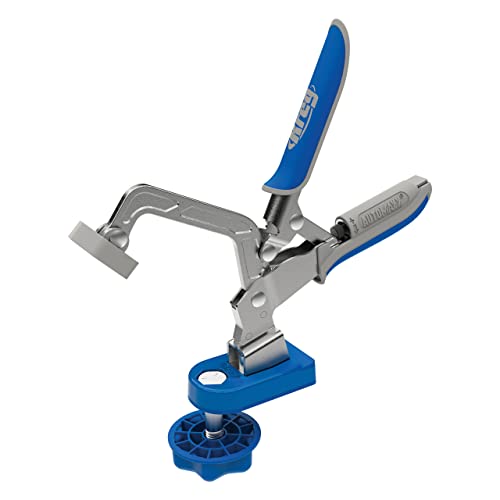
Best bench clamps compared by type, jaw size, force, and material, so you can pick a steady hold for woodworking and repairs.
Choosing a best bench clamps setup starts with a simple question: what will you hold, and how firmly does it need to stay put? A clamp that is too small will slip, while one that is too large can be awkward on a small bench. The comparison table below summarizes the main types, and the sections that follow explain how jaw size, force, and material affect real work.
Bench clamps are not all the same tool. Some are made for quick, light holds during gluing, while others are made for heavy pressure during cutting, drilling, or assembly. Think about your bench space, the thickness of your usual workpieces, and whether you need one handed operation. A clear view of these needs will narrow the field faster than any list of features.

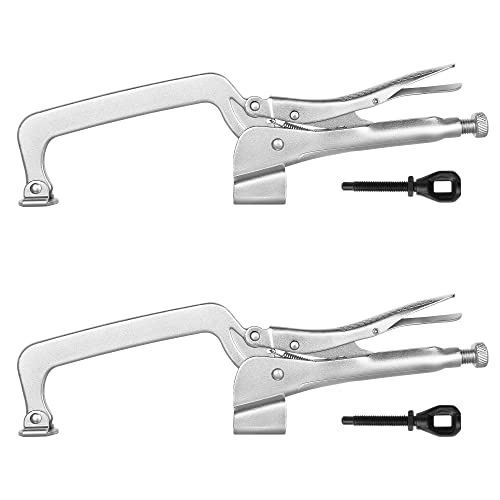
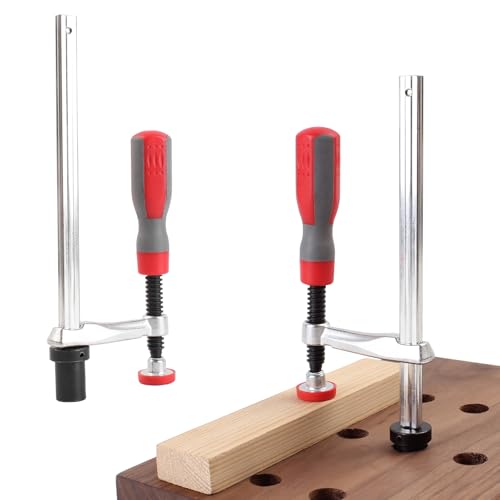


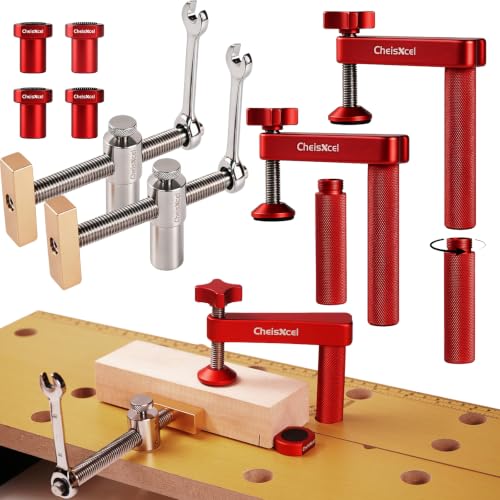
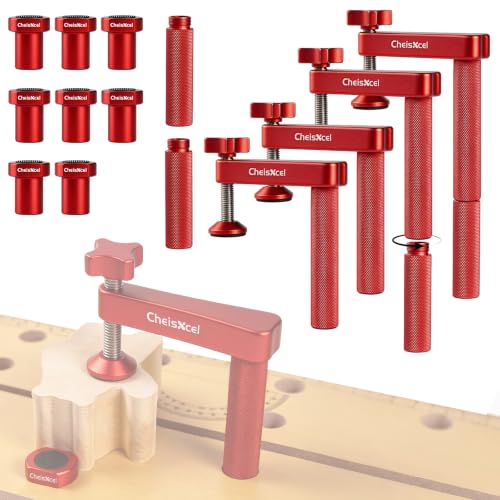

Best Bench Clamps Compared by Type
| Type | Best For | Pros | Cons | Typical Price |
|---|---|---|---|---|
| Spring clamps | Light, quick holds | Fast, one handed | Low force | About $5 to $15 |
| Bar clamps | Long glue ups | Even pressure, long reach | Bulky on small benches | About $15 to $40 |
| C clamps | General bench work | Strong, simple | Slow to adjust | About $10 to $30 |
| Corner clamps | Square joints | Holds angles true | Limited to corners | About $15 to $35 |
The table above is a starting point, not a final answer. Spring clamps are handy for holding a piece while glue sets or while you mark a cut, but they cannot replace a bar clamp on a wide panel.
Bar clamps spread pressure along a longer bar, which helps keep panels flat during glue ups. C clamps are the workhorse for many benches, offering strong force in a compact frame, though they take longer to open and close. Corner clamps solve a specific problem, holding two pieces at a right angle while you fasten them.
Mid Range Options
Mid range bench clamps, usually about $20 to $40 each or per set, suit buyers who work regularly and want reliable force without a professional price. Expect sturdier frames, smoother screws, and pads that protect work surfaces better than entry level models. These clamps often offer a useful balance of jaw opening, throat depth, and weight.
Premium Options
Premium bench clamps, usually about $40 to $80 each or per set, tend to use thicker castings, finer threads, and more durable pads and handles. They suit frequent users who clamp daily or who work with heavy stock that demands high, even pressure. The extra cost buys smoother operation, less flex under load, and parts that are more likely to be replaceable.
Budget Options
Budget bench clamps, usually about $5 to $20 each or per set, suit light work, occasional repairs, and buyers building a first toolkit. Expect simpler frames, basic pads, and screws that may feel rougher under load. They work well for holding small pieces, light gluing, and temporary positioning. For heavy pressure or long glue ups, budget clamps may flex or slip, so try the clamp on scrap before trusting it on a finished piece.
Mid Range Options vs Premium Options: Which Should You Choose?
Compare mid range and premium clamps on five points: force, flex, screw smoothness, pad quality, and durability. Premium clamps usually win on force and flex, holding heavy stock with less bending of the frame.
Mid range clamps often match premium models on everyday force for panels, frames, and repairs, while costing much less. Screw smoothness matters when you adjust often, since a rough screw slows work and can mar a workpiece if you rush. Pad quality matters for finished surfaces, because a hard or missing pad can dent soft wood.
Choose premium clamps if you clamp daily, work with thick or heavy stock, or need the smoothest adjustment and longest service life. For most home benches, a mix of mid range and budget clamps works well. That mix covers more jobs than spending the whole budget on one premium clamp.
How to Choose the Right Bench Clamp
Start with jaw opening and throat depth, since these two numbers decide what the clamp can actually hold. Jaw opening is the maximum thickness the clamp can grip, while throat depth is how far from the edge the clamp can reach. A wide opening with a shallow throat cannot hold the middle of a panel. Measure your usual workpieces and your bench thickness before buying, and leave room for pads and protective blocks.
Intended Use and Who It Is For
Woodworkers doing glue ups need bar clamps with even pressure and long bars, while repair users need versatile C clamps that grip benches, frames, and odd shapes. Hobbyists and model makers may prefer smaller clamps with lighter force that will not crush delicate parts. Metalworkers and heavy repair users need strong frames and high force, plus pads that resist heat and abrasion.
Ease of Use and Setup
Ease of use depends on how quickly you can open, position, and tighten the clamp, especially when one hand is holding a workpiece. Spring clamps and trigger style clamps are fastest, while screw clamps take longer but offer finer control.
Check handle comfort, since a small or sharp handle becomes painful during long glue ups. For corner work, see our guide to best corner clamps.
Maintenance and Long Term Costs
Long term costs are mostly replacement pads, cleaning, and eventual replacement of worn screws or handles. Keep threads clean and lightly oiled where the maker allows, and wipe off glue before it hardens on bars and jaws.
Buying a clamp with replaceable pads is often cheaper over time than replacing a whole clamp because a pad wore out. For long panels, see our guide to best bar clamps.
Safety and Certifications
Follow maker guidance on rated force, jaw opening, and safe use, and never exceed the stated capacity. Wear eye protection when cutting, drilling, or working near a clamped piece that could shift or break free.
Keep hands clear of the jaw path, and check that the workpiece is stable before applying full force. Keep small parts, such as pads and screws, away from children, and store clamps where they cannot fall from a shelf onto someone below.
Care and Maintenance Tips
Read the manual before first use, since different clamp types have different limits on force, jaw opening, and care. Clean and inspect regularly, removing glue, dust, and metal chips from threads, bars, and pads.
Replace worn or missing pads promptly, since a bare metal jaw can dent wood and slip under load. Store clamps in a dry place, hang them where possible, and avoid stacking heavy clamps on top of delicate ones. For general bench clamping, see our guide to best c clamps.
Frequently Asked Questions
How long does a bench clamp last?
A well made bench clamp can last for many years, often decades, when it is used within its rated force and stored dry. Threads wear fastest when they are dirty or overloaded, while frames last longest when they are not dropped or used as hammers. Retire any clamp with a cracked frame, bent bar, or stripped screw, since it can slip without warning and damage work or cause injury.
How do I maintain a bench clamp?
Clean threads and bars after each use, remove glue before it hardens, and wipe metal parts dry to prevent rust. Apply a light oil to threads only where the maker allows it, and keep pads clean and intact. Inspect the frame, screw, and handle for cracks or bending before heavy work, and tighten any loose handles or pad screws. Store clamps hung or upright in a dry place, rather than piled in a damp box where they can rust and bend.
Are expensive bench clamps worth it?
Expensive bench clamps are worth it for frequent users who need high force, low flex, and smooth adjustment every day. For occasional home use, mid range clamps usually hold just as well and cost far less, especially for panels, frames, and repairs. The extra money buys durability and refinement, not a different basic function.
How much should I spend on a bench clamp?
Most home users do well spending about $15 to $40 per clamp for solid mid range bar or C clamps, and less for simple spring clamps. Spend about $5 to $15 each for light, quick hold clamps that you will use for positioning and small glue ups. Spend about $40 to $80 each only for heavy, daily use where flex and screw smoothness matter. Build your set gradually, starting with the sizes that fit your bench.
What features matter most when buying bench clamps?
Jaw opening, throat depth, clamping force, and frame stiffness matter most, because they decide what the clamp can hold and how firmly it holds it. Pad quality comes next, since good pads protect surfaces and prevent slipping. Handle comfort and screw smoothness matter for frequent adjustment, while weight and size affect how easily you can position the clamp on a crowded bench.
The Bottom Line
The best approach is to match clamp type, jaw size, and force to your actual work, rather than buying the biggest or most expensive clamp available. Start with versatile bar and C clamps, plus spring clamps for quick holds. Check jaw opening and throat depth against your bench and workpieces, and prioritize sturdy frames and good pads over novelty features. A best bench clamps set built this way will hold work steadily, last for years with simple care, and make every project safer and easier. The picks in the product table are a good place to start comparing.