Best Bar Clamps for 2026: A Complete Buying Guide
Disclosure: We may earn a commission when you buy through links on this page, at no extra cost to you. As an Amazon Associate I earn from qualifying purchases. Learn more

Pick the best bar clamps for glue ups and home projects by size, jaw style, clamping force, and material, with care tips and answers.
Glue ups fail when boards shift, gaps open, or pressure lands in the wrong place, and the right clamp is what prevents those problems. The best bar clamps hold boards flat and square while glue sets, spreading even pressure along the joint instead of pinching one spot. This guide explains sizes, jaw styles, clamping force, and materials, so you can buy clamps that match your projects rather than a random set. The product table shows how the main options compare at a glance.
Bar clamps come in many lengths and strengths, and the best set for a small repair is not the best set for a tabletop glue up. Length decides what you can hold, jaw design decides how pressure is applied, and bar stiffness decides whether the clamp stays straight under load. The sections below cover project based choices, buying factors, clamp types, care, and common questions, with maker tool safety guidance throughout.



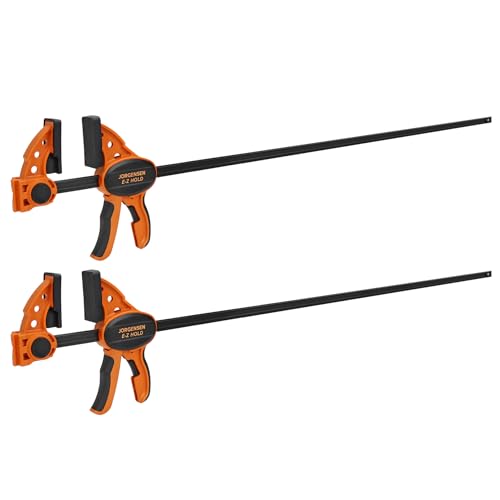
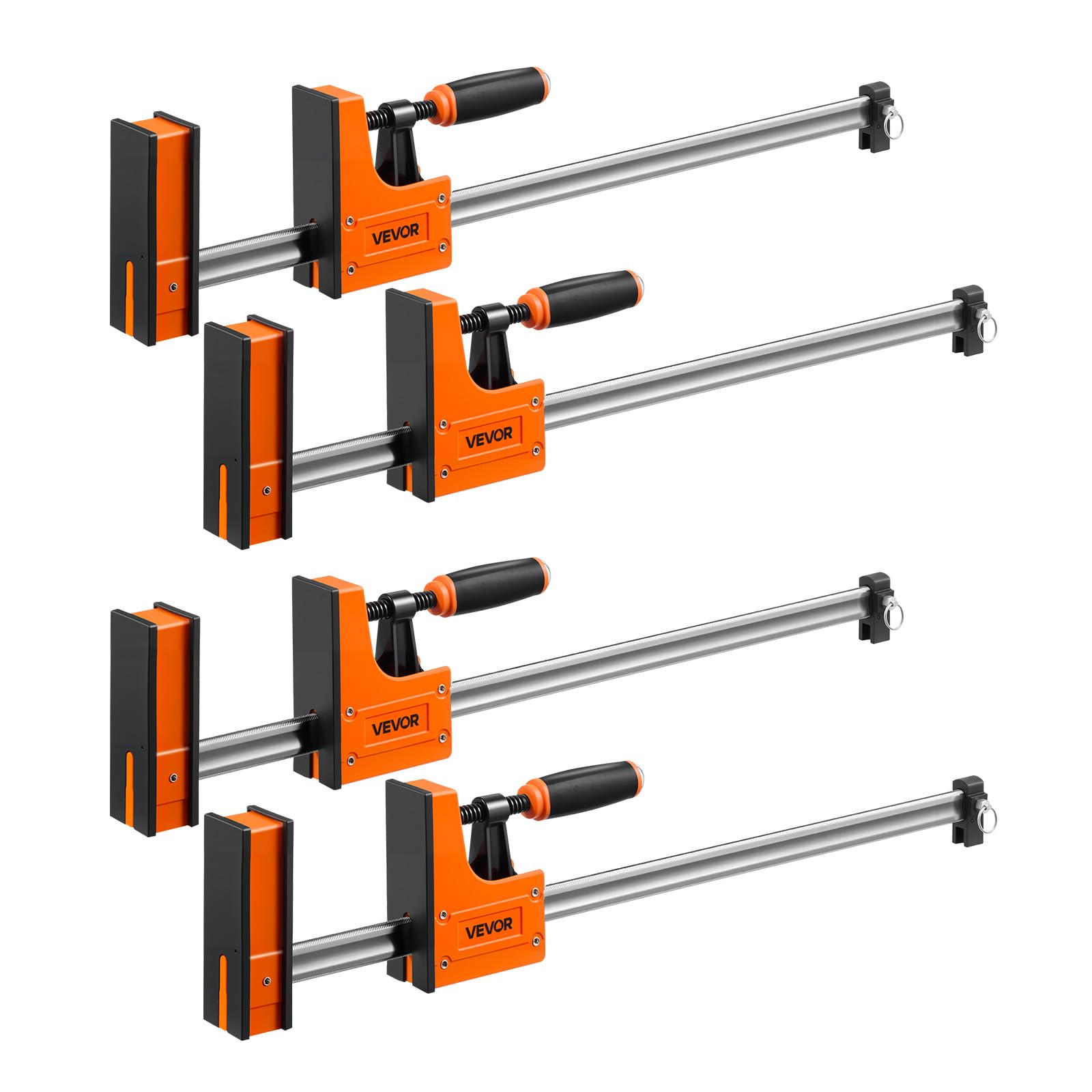


Clamp Choices by Project and Budget
Start with the projects you actually do, then choose lengths and strengths to suit them. A few well chosen clamps beat a large set of the wrong size, and you can add lengths later as projects grow. The groups below describe common buyers, so you can find the one closest to your work.
For Light Home Repairs
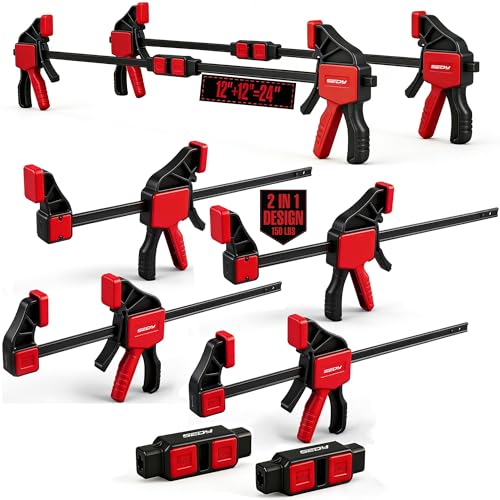
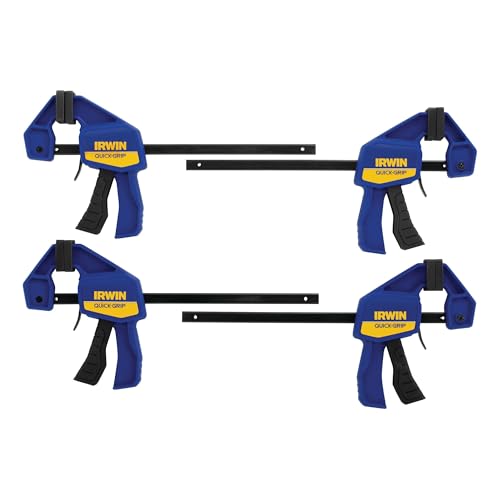
Light home repairs need shorter clamps that are easy to handle with one hand and store in a small space. Clamps around 12 to 24 inches cover most picture frames, small shelves, and furniture fixes. Look for padded jaws that protect finished surfaces, and a simple screw or trigger action that is easy to tighten. A small set of two to four clamps is usually enough for this kind of work.
For Regular Woodworking
Regular woodworkers need a mix of lengths, typically from 24 to 48 inches, to handle panels, cabinets, and larger glue ups. Stiffer bars matter here, since longer clamps flex more under pressure and can bow a panel if they are too light. Parallel jaws help keep panels flat, while standard jaws suit general holding work. Building a set gradually, adding a pair of each useful length, is more practical than buying every size at once.
For Large Glue Ups
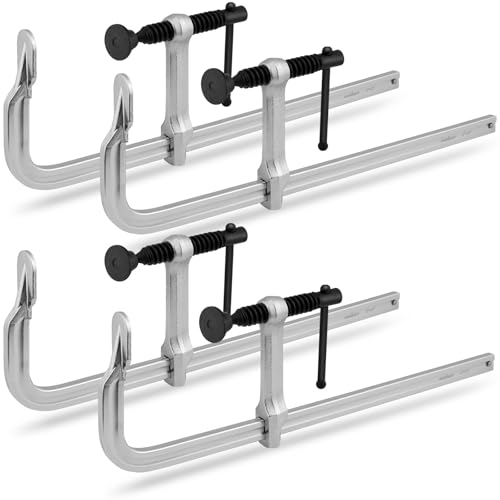
Large glue ups, such as tabletops and wide panels, need longer clamps and enough of them to space pressure evenly along the joint. Clamps of 48 inches and longer suit this work, but they are heavier and need solid storage. Pair long clamps on both faces of the panel to balance pressure and reduce bowing. For very wide panels, alternate clamp direction and check flatness often while the glue is still workable.
How to Choose Bar Clamps: A Buying Guide
Choosing well means matching length, jaw style, force, and bar strength to the joint, not just buying the longest clamp available. Each factor below changes the result in a different way, so weigh them together against the projects you plan. A clamp that is too light for the job will flex, while one that is far too heavy will be tiring to use.
Intended Use and Who It Is For
Your main projects decide the lengths and jaw styles you need most. Small repairs suit short clamps with padded jaws, while panel work suits longer clamps with parallel jaws. If you work alone, look for clamps that can be set and tightened with one hand while the other holds the boards. If you build large furniture, plan for several clamps of the same length, since even pressure needs even spacing.
Build Quality and Materials
Bars are commonly steel, and heavier bars resist bending better under load. Jaws may be cast metal, reinforced plastic, or a mix, and each choice trades weight against durability. Handles should feel secure and comfortable, since a handle that slips makes it hard to apply steady pressure. Check that moving parts slide smoothly without wobble, because a loose jaw will not hold alignment.
Size, Weight, and Fit for Your Space
Length is measured by the maximum opening, so choose clamps that open a little wider than your widest common joint. Longer clamps are heavier and harder to store, so balance reach against handling and storage space. Throat depth, the distance from the bar to the jaw face, decides how far from an edge you can clamp. Measure your bench and storage area before buying long clamps, since they need a rack or wall space.
Key Performance Specs
Clamping force, often listed in pounds, tells you how hard the clamp can squeeze, but more force is not always better for delicate joints. Excess pressure can squeeze out too much glue and starve the joint, so match force to the wood and glue you use. Bar stiffness matters as much as force, because a flexible bar bends before full pressure reaches the middle of a long joint. Look for a clamping range and jaw size that fit your usual stock thickness.
Safety and Certifications
Follow the maker guidance for safe use, and wear eye protection when cutting, sanding, or working near spring loaded parts. Keep fingers clear of the jaws while tightening, since a closing jaw can pinch hard. Inspect clamps before use, and set aside any clamp with a cracked jaw, bent bar, or damaged screw. Store clamps securely so heavy bars cannot fall from a rack onto feet or work surfaces.
Maintenance and Long Term Costs
Long term costs include replacement pads, cleaning, and eventual replacement of worn screws or jaws. Glue on bars and jaws should be cleaned while it is still soft, since dried glue blocks smooth sliding. A light wipe and occasional lubrication of the screw, as the maker directs, keeps action smooth. Pads wear with use, so check them regularly and replace pads that no longer protect surfaces.
Types of Bar Clamps
Bar clamps differ mainly in jaw action and bar design, and each type suits a different kind of work. The three groups below describe the trade offs in general terms, so you can narrow the field before comparing lengths. Remember that length and jaw style matter more than the label on the box.
Budget Options
Budget clamps suit light work and occasional use, offering simple screw action and lighter bars at a low price. They work well for small repairs and holding parts while glue sets, though longer budget bars may flex under heavy pressure. Choose budget clamps for short lengths, where flex is less of a problem, and keep expectations realistic for wide panels. They are a good starting point if you are building a first set.
Compact Options
Compact clamps suit tight spaces, small parts, and one handed work, with shorter bars and lighter jaws that are easy to position. They are handy for frames, boxes, and repairs where a full size clamp would be awkward. The trade off is reach and force, so compact clamps are not the right choice for wide glue ups. Keep a few compact clamps alongside longer ones for detail work.
Premium Options
Premium clamps suit frequent use and demanding glue ups, with stiffer bars, smoother actions, and jaws that stay parallel under load. They cost more, but they hold alignment better and last longer under daily shop use. This level makes sense if you glue panels often or rely on clamps for paid work. For occasional home use, the extra stiffness may go unnoticed, so weigh cost against how often you clamp.
How to Make Your Bar Clamp Last Longer
Good care keeps clamps sliding smoothly and holding square for years. Follow these habits after every project, and your clamps will stay reliable far longer.
- Read the manual before first use, so you know the correct way to tighten and release each clamp type.
- Clean and inspect regularly, wiping glue from bars and jaws before it hardens and checking for cracks or bent parts.
- Store in a dry place, hanging clamps on a rack or wall so bars stay straight and jaws stay clean.
- Protect the pads, replacing worn pads promptly so finished wood is never marked by bare metal.
- Register the product for warranty where the maker offers it, and keep proof of purchase with your records.
- Avoid overloading clamps, since forcing a clamp past its rated force can bend the bar or damage the screw.
Bar Clamps: Your Questions Answered
How do I maintain a bar clamp?
Maintain a bar clamp by cleaning glue from the bar and jaws after each use, before it hardens. Wipe the bar dry, check pads for wear, and lubricate the screw only as the maker directs. Inspect jaws for cracks and bars for bends, and set aside damaged clamps for repair or replacement. Store clamps hanging in a dry place, since damp storage can rust steel bars and stiffen moving parts over time.
Are expensive bar clamps worth it?
Expensive clamps are worth it when their stiffness and jaw alignment change your results. For wide panels and frequent glue ups, stiffer bars and parallel jaws keep joints flatter and reduce rework. For small repairs and occasional use, budget clamps often do the same job at a lower price. Judge by how often you clamp and how wide your joints are, rather than by price alone.
How much should I spend on a bar clamp?
Spend based on length and frequency of use, with short clamps for repairs often about $10 to $25 each and longer panel clamps about $25 to $60 each. Start with a few clamps in the lengths you use most, then add pairs as projects grow. Buying two clamps of the same length matters more than owning one of every size, since even pressure needs matched pairs. Quality pads and smooth action are worth a small premium.
What features matter most when buying bar clamps?
The most important features are bar stiffness, jaw alignment, length, and pad quality. A stiff bar keeps pressure even across a long joint, while parallel jaws keep panels flat. Length must exceed your widest joint, and pads must protect finished surfaces.
Smooth screw or trigger action also matters, since jerky tightening can shift boards. Compare these factors first, and treat extra features as secondary.
How long does a bar clamp last?
A bar clamp can last many years with basic care and normal shop use. Bars bend only under overload or poor storage, while jaws and pads wear gradually and can often be replaced. Screws last longest when kept clean and lightly lubricated as the maker directs. Replace a clamp when the bar is bent, a jaw is cracked, or the screw no longer holds pressure, since a failing clamp can ruin a glue up.
The Bottom Line
Choose clamps by length first, then by jaw style and bar stiffness, and buy pairs in the lengths you use most. Padded jaws protect your work, parallel jaws keep panels flat, and a stiff bar keeps pressure even across wide joints. The best bar clamps are the ones that fit your bench, your projects, and your hands, so start with a small set and add lengths as your work grows. Check the product table once more, then pick the set that matches your next project.