Best Basin Wrench at Every Price: What Your Money Really Gets You in 2026
Disclosure: We may earn a commission when you buy through links on this page, at no extra cost to you. As an Amazon Associate I earn from qualifying purchases. Learn more
The best basin wrench depends on sink space, nut size and budget. See what each price tier buys and which features are worth paying for.
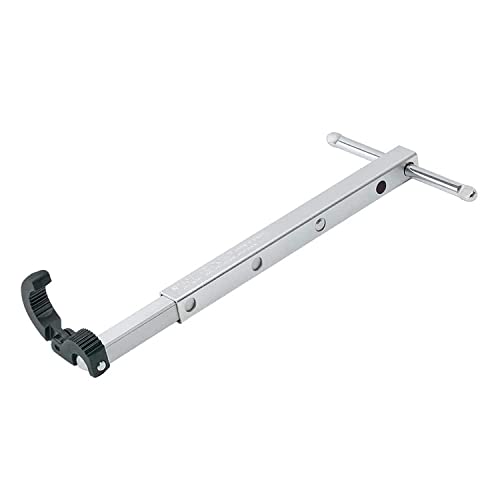
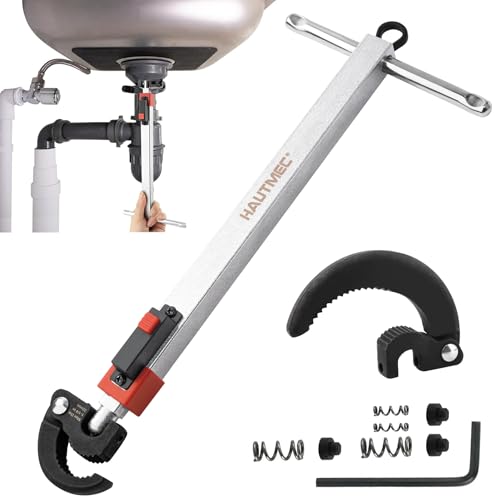
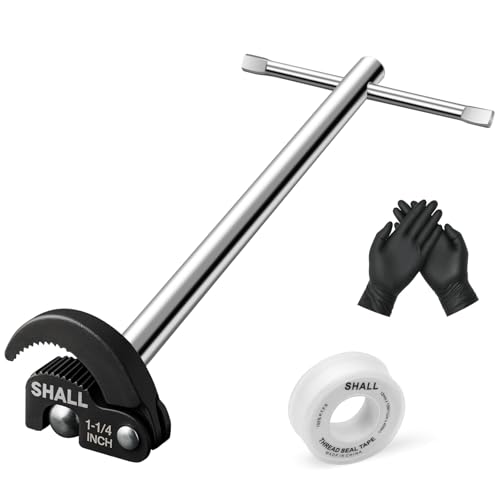
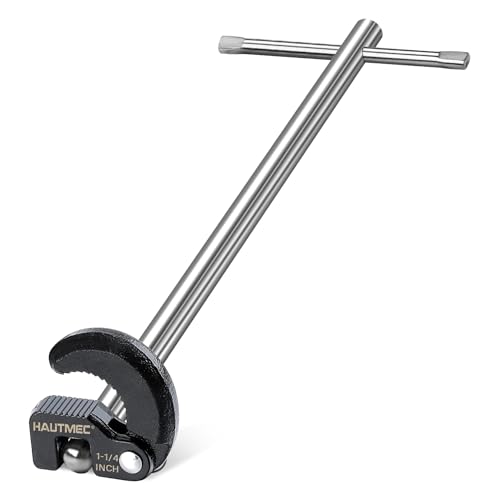
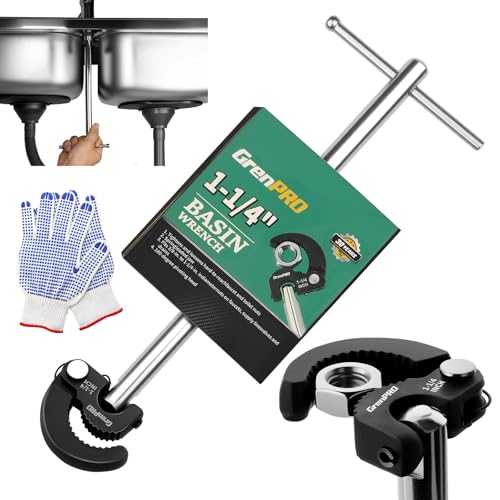
Shopping for the best basin wrench can feel confusing because prices vary widely, and the differences are not always obvious from a photo. A basin wrench is a long handled tool with a pivoting jaw that reaches the nuts behind a sink, where a standard wrench cannot fit. This guide explains what each price level usually buys, which features are worth paying for, and which ones you can safely skip. Use the product table to compare the picks side by side before you decide.
The right choice depends mainly on the space under your sink, the size of the nuts you need to turn, and how often you will use the tool. The sections that follow walk through spending levels, key features, fit checks, and long term costs, so you can match your budget to your real job.



Who Should Buy a Basin Wrench
A basin wrench earns its place when you need to reach fasteners tucked behind a sink bowl or against a wall. Standard wrenches are too short and too wide for that space, and pliers often slip on smooth supply nuts. If you plan to replace a faucet, tighten a loose supply line, or remove an old fixture, this tool turns an awkward job into a manageable one.
Homeowners Replacing a Faucet
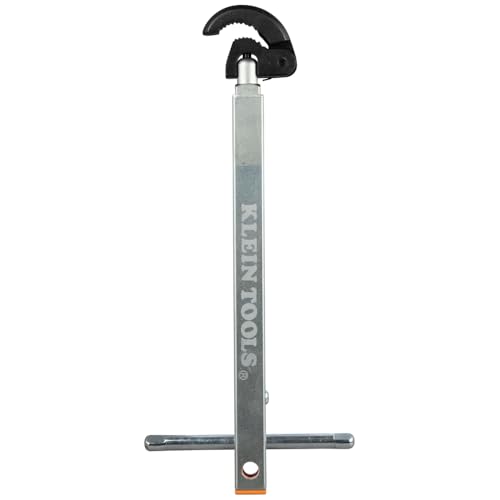
If you are swapping out a kitchen or bathroom faucet, a basic basin wrench with a pivoting jaw and a reach of about 10 to 17 inches usually covers the job. Look for a jaw that grips in both directions, for loosening old nuts and tightening new ones. A comfortable grip helps, since you will work overhead in a cramped cabinet. You do not need professional grade steel for a single project, but you do need a jaw that holds its grip without slipping.
Renters and Occasional Fixers
Renters often need a tool that handles one small repair and then sits in a drawer for a year. A compact basin wrench with a telescoping handle fits that need well, storing easily and extending only when needed. Check that the jaw opens wide enough for the nuts under your sink, which are commonly around 3/8 inch to 1 inch across.
Frequent Repair Work
People who repair sinks often should weigh durability more heavily than price. For broader fastener work, see our guide to best socket wrench sets. A forged steel head, a smooth pivot, and a stiff handle will hold up across many jobs.
A longer handle gives more leverage on stubborn nuts, and a jaw that swaps between sizes saves trips back to the toolbox. For this group, paying more for solid construction usually pays off in fewer slipped nuts and less frustration.
Best Basin Wrench by Price Tier: What Your Money Gets You
Price tiers for basin wrenches are fairly narrow, but the differences still matter. Budget tools run about $10 to $20, mid range tools run about $20 to $40, and premium tools run about $40 to $70. The jump between tiers usually buys better steel, a smoother pivot, and a more comfortable handle, rather than a completely different tool. The picks in the table show how the tiers compare at a glance.
Budget Tier Basics
Budget basin wrenches typically use stamped or cast steel and a simple spring jaw. They work fine for a single faucet swap on standard sized nuts, and they are a sensible choice if you expect to use the tool once or twice. The trade off is a jaw that may flex on tight nuts and a handle that feels less solid under load. Check the jaw opening first, since some budget tools cover a narrower range than the listing suggests.
Midrange Tier Value
Mid range basin wrenches usually offer forged steel heads, a smoother pivot action, and a telescoping handle that locks firmly at several lengths. This tier suits homeowners who handle a few plumbing jobs a year and want a tool that still feels solid on the third or fourth use. For most buyers, this tier gives the best balance of cost and capability.
Premium Tier Extras
Premium basin wrenches tend to add refined touches such as a precisely machined jaw, a ratcheting action, and a handle shaped for extended use. These extras help most on corroded or hard to reach nuts, where a small slip can round a nut and turn a simple job into a long one. For a one time job, the premium tier is rarely necessary.
Features Worth Paying For (and Ones to Skip)
Not every feature on a basin wrench listing deserves your money. Focus first on jaw grip, reach, and handle strength, and treat cosmetic extras as a low priority.
Build Quality and Materials
Forged steel heads resist flexing better than thin stamped steel, which matters when you apply force at an awkward angle. A jaw with clean teeth grips a nut without chewing its edges, and a pivot that moves smoothly lets you reposition the tool without removing it from the nut. These qualities are worth paying for with repeated use.
Jaw Design and Reach
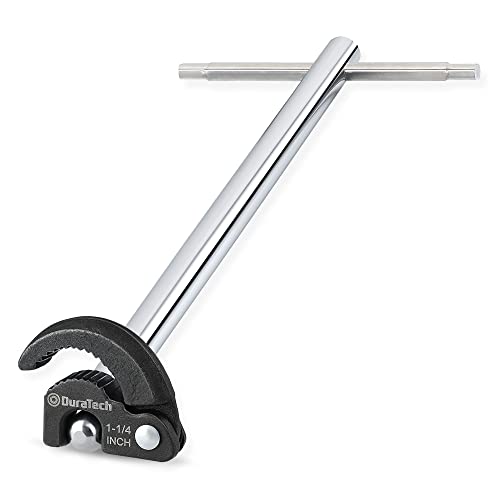
The jaw is the working end of the tool, so its design deserves close attention. A pivoting jaw that locks in both directions lets you tighten and loosen without flipping the tool. Reach matters just as much: a handle that extends to about 17 inches covers most sinks, while a short fixed handle may leave deep nuts out of reach.
Handle Length and Grip
A longer handle gives more leverage, but it needs room to swing under the sink. Telescoping handles collapse for storage and extend for leverage, and they are worth the small premium over a fixed handle. The grip should feel secure when your hands are damp. Avoid smooth, texture free handles, which are harder to hold steady overhead.
Size and Fit for Tight Spaces
Before you buy, measure the space behind your sink and the size of the nuts you need to turn. A wide jaw head may not fit between the basin and the wall, even if its size range looks right on paper. Slim jaw profiles help in narrow gaps.
For fasteners outside the sink, see our guide to best adjustable wrench. If your sink has very little clearance, a slimmer tool beats a stronger but bulkier one that cannot reach the nut at all.
Maintenance and Long Term Costs
A basin wrench needs little care, but a few habits keep it working well. Wipe it dry after use, since standing water in a toolbox invites rust on the pivot and jaw teeth. A drop of light oil on the pivot once a year keeps the action smooth. Replacement costs are low, and most owners never need a second wrench, so long term spending is mainly about choosing a tool that does not need replacing after the first tough job.
How to Measure and Check Fit Before You Buy
Measuring takes five minutes and prevents the most common buying mistake, which is a wrench that cannot reach or grip the nut. First, measure from the cabinet opening to the nut behind the sink, and compare that distance with the handle length. Next, measure the nut across its flat sides, and make sure the jaw range covers that size.
Finally, check the gap between the basin and the wall to confirm the jaw head will fit. If any of these numbers falls outside the tool range, choose a different size rather than forcing a poor fit.
Also confirm which direction you need to turn. Removing an old faucet means loosening nuts that may be corroded, so a jaw that grips firmly in reverse matters. Installing a new faucet means tightening supply nuts evenly without over tightening, so a controlled grip matters too. Follow the maker guide for your faucet and your wrench, and shut off the water supply before you start work.
Long Term Costs to Factor In
The purchase price is usually the whole cost of owning a basin wrench. There are no consumables, no batteries, and no regular parts to replace. The main long term cost is replacement if a cheap jaw bends or a pivot wears loose, which is why a mid range tool often costs less over time than the cheapest option.
Storage costs nothing beyond a dry spot in a toolbox. If you are building a toolkit, see our guide to best wrench sets. If you already own a socket set, check whether a basin wrench adapter would cover occasional jobs, but a dedicated wrench still grips better in the tightest spaces.
Common Mistakes to Avoid
- Buying without measuring the nut size and the reach behind the sink, which can leave the tool unable to grip.
- Over tightening supply nuts, which can crack a fitting or damage a supply line.
- Using pliers on smooth nuts, which can round the edges and make later removal much harder.
- Choosing the longest handle available for a cramped cabinet, where it cannot swing freely.
- Skipping the water shutoff before loosening a supply nut, which risks a sudden leak.
- Storing the wrench wet, which invites rust on the pivot and jaw teeth.
Frequently Asked Questions
Are expensive basin wrenches worth it?
Expensive basin wrenches are worth it mainly for frequent use, where forged steel, a smooth pivot, and a ratcheting jaw save time and reduce slipped nuts. For a single faucet swap, a budget or mid range wrench usually does the same job for less money. If you expect to use the tool once, spend at the budget or mid range level and put the savings toward a new supply line or faucet parts.
How do I maintain a basin wrench?
Maintain a basin wrench by wiping it dry after each use and storing it in a dry place away from standing water. A drop of light oil on the pivot once a year keeps the jaw moving smoothly, and a quick check of the jaw teeth before a job catches wear early. Avoid damp storage, since rust can stiffen the pivot. With this simple care, a decent wrench can last for many years of occasional use.
What features matter most when buying basin wrenches?
The features that matter most are jaw grip, jaw size range, handle reach, and handle strength. A pivoting jaw that locks in both directions saves time, and a telescoping handle covers both shallow and deep sinks. Cosmetic finish, extra adapters, and fancy packaging matter least. Measure your sink space and nut size first, then choose the simplest tool that covers those numbers with a comfortable grip.
How long does a basin wrench last?
A basin wrench can last for many years when kept dry and used within its size range. The pivot and jaw teeth wear fastest when the tool is forced onto oversized nuts or stored wet. Budget tools may wear sooner under heavy use, while forged steel tools hold up better across many jobs. Replacement is usually needed only when the jaw slips repeatedly or the pivot no longer locks firmly.
How much should I spend on a basin wrench?
Most buyers should spend about $20 to $40 for a mid range basin wrench with a telescoping handle and a forged steel head. Budget tools at about $10 to $20 suit a single simple job, while premium tools at about $40 to $70 suit frequent repair work. Measure your sink first, since a well sized mid range tool beats an expensive tool that does not fit your space.
Final Thoughts
The best basin wrench for you is the one that reaches your nuts, grips them firmly, and fits your budget for how often you will use it. Measure your sink space and nut size, choose a jaw range that covers them, and favor a telescoping handle with a comfortable grip. Most buyers will be well served at the mid range level, where build quality and reach meet a fair price. Look over the picks in the table once more and confirm the fit before you order.