Best Beginner Women's Climbing Shoes Made Simple: A Clear Buying Guide for 2026
Disclosure: We may earn a commission when you buy through links on this page, at no extra cost to you. As an Amazon Associate I earn from qualifying purchases. Learn more

Shopping for the best beginner women's climbing shoes for the first time? Learn the terms, compare options, and avoid rookie mistakes with this easy guide.
Buying your first pair of climbing shoes can feel confusing because the sizing, shapes, and rubber terms are unlike anything in a normal shoe store. This guide walks you through best beginner women's climbing shoes in plain language, starting with the basics and ending with a simple way to choose with confidence.
You do not need the tightest or most curved shoe on the wall of the shop. You need a pair that fits your feet, supports your first months of learning, and lets you focus on movement instead of foot pain. The comparison table below gives you a quick overview while you read.


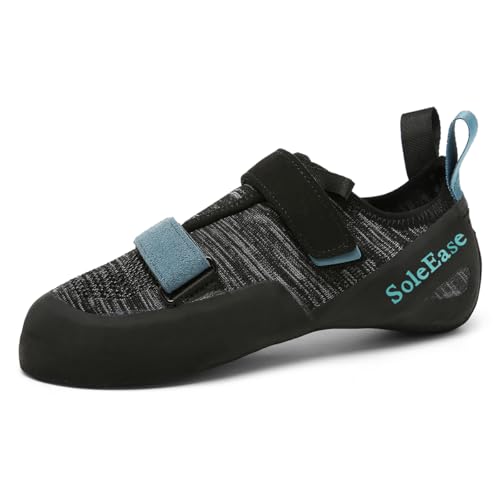
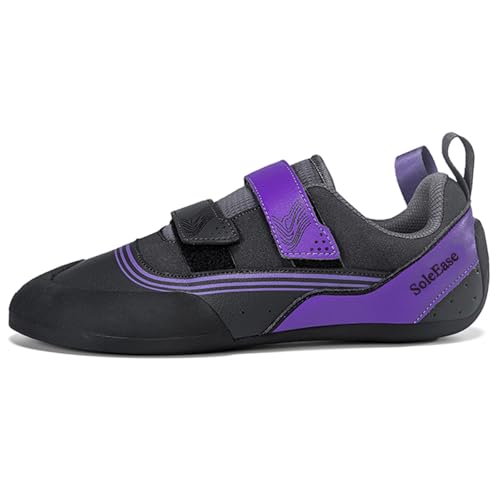
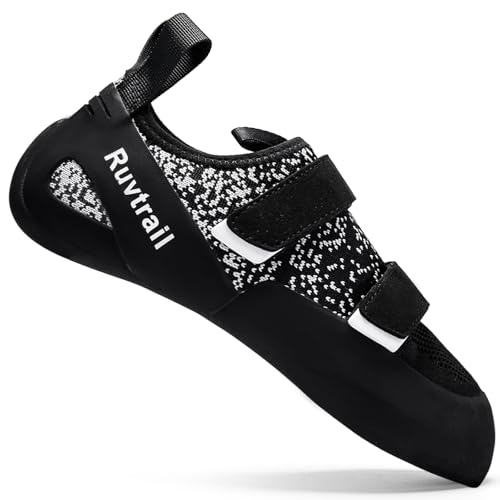
By the end, you will know which features matter for a new climber, which ones you can safely ignore for now, and how to care for your shoes so the rubber stays grippy for many sessions.
Climbing Shoes 101: The Basics
A climbing shoe is a snug fitting shoe with a sticky rubber sole that helps your feet stay on small holds. Unlike a running shoe, it has almost no soft cushioning, because you need to feel the hold under your toes and place your foot with precision. The front of the shoe concentrates your weight onto a small area so a tiny edge can support you.
Most beginner models use a flat or gently curved sole, a moderate amount of stiffness, and a closure that is quick to adjust between climbs. If you want a broader overview of first pairs in general, see our guide to the best shoes for rock climbing beginners for extra background. Women specific models usually have a lower volume fit, a narrower heel, and a shape that suits a smaller foot.
Three terms explain most product pages. The last is the part of the shoe that covers your foot. The midsole adds stiffness under the front of the foot. The outsole is the sticky rubber layer that grips rock and gym holds, and its thickness affects both grip and how long the shoe lasts.
Key Specs Explained in Plain English
Beginner Friendly Features That Matter
Look for a flat sole shape, a comfortable lining or padded tongue, and a closure you can open and close quickly between routes. Hook and loop straps suit most new climbers because they are fast in a busy gym and easy to adjust as your feet warm up during a session. A slightly thicker rubber sole, around four millimeters, forgives sloppy foot placement and lasts longer while you learn. Clear size guidance from the maker and a simple return policy also matter, because first pairs often need one exchange before the fit feels right.
Skill Level and Intended Use
Beginner shoes favor comfort and durability over extreme precision, so you can wear them for a full session while you build basic technique. Intermediate shoes add a mild downturn and softer rubber for steeper walls, while advanced models curve sharply and fit very tight for tiny holds on hard routes. Most women climb happily in a beginner model for six months to a year, then move on once footwork improves. When that time comes, our guide to the best women's rock climbing shoes explains the wider range of shapes and stiffness levels.
Materials and Construction
Uppers are usually leather or synthetic fabric. Leather stretches over the first few weeks and molds to your foot, so a leather pair that feels snug at first may fit perfectly later. Synthetic uppers stretch very little, which makes their sizing more predictable but less forgiving. The rubber compound matters more than the upper for grip, and softer rubber grips better but wears faster. A lined shoe feels softer against the skin and stretches less, while an unlined leather shoe gives the closest fit over time.
Indoor vs Outdoor Use
Gym climbing uses smooth plastic holds, controlled temperatures, and short routes, so comfort and easy on and off closures matter most indoors. Outdoor rock is rougher, routes are longer, and a slightly stiffer shoe protects your feet on sharp edges and in cracks. One good beginner pair can handle both settings while you learn. If most of your climbing will happen at a gym, our guide to the best indoor climbing shoes for beginners covers the comfort features that matter most on plastic holds.
Size, Weight, and Fit
Climbing shoes should feel snug everywhere with no empty space at the heel and no painful pressure on top of your toes. Your toes should touch the front of the shoe and lie flat or bend only slightly in a beginner model. Try shoes late in the day when your feet are at their largest, and climb a few easy moves on a shop test wall if one is available. Weight differences between beginner models are small and rarely matter, so put fit first and ignore small gram counts on product pages.
Rookie Mistakes to Avoid
- Copying advanced sizing advice. Downsizing several sizes causes pain and bruised toenails, and it teaches you to avoid using your feet, which slows your progress.
- Buying for looks alone. A bright color is fine, but fit, sole shape, and rubber thickness decide whether you enjoy your first months of climbing.
- Wearing thick socks. Thick socks create folds inside a snug shoe and reduce your feel for small holds, so wear thin socks or bare feet instead.
- Walking around in climbing shoes. Dirt and grit grind the sticky rubber away, so take your shoes off between climbs and keep the soles clean.
- Skipping the try on. Sizes vary a lot between brands, and a size that works in one model can feel completely different in another.
One more useful habit is to separate your climbing footwear from your training footwear. The soft shoes you use for other workouts serve a different purpose, and our guide to the best women's running shoes for beginners explains that side of your gear if you also run or train in the gym.
Getting Started: Setup and First Use
Start by wearing your new shoes at home for short periods so your feet adjust to the snug fit before your first full session. At the gym, warm up on easy routes and focus on placing the front of your shoe quietly and precisely on each hold. Take your shoes off every twenty minutes or so during the first weeks to rest your feet.
Check wear before each use, especially at the front edge of the sole where the rubber thins first. Store your shoes out of direct sun and extreme heat, because heat softens rubber and weakens glue over time. Air them out after every session rather than sealing them in a gym bag, which also keeps odor under control.
If you shop with a climbing partner who is also starting out, trying pairs on the same day makes comparing fit much easier. Our guide to the best men's beginner climbing shoes can help a partner with a wider or higher volume foot find an equivalent starting point. Always stop climbing and rest if you feel sharp pain in a toe joint, because pushing through pain can turn a small strain into a longer layoff.
FAQs
What makes climbing shoes for beginners different from advanced shoes?
Beginner climbing shoes use a flat sole, firmer rubber, and a relaxed fit that you can wear for a full session. Advanced shoes curve downward, use softer rubber, and fit painfully tight for precision on very small holds. A beginner model also costs less, which matters when your first pair will take extra wear while your foot placement is still rough and you drag your toes on the wall more often.
What size beginner climbing shoes should I get?
Start at your normal street shoe size and adjust from there. Your toes should reach the front, curl only slightly, and never feel crushed or folded under. If one foot is larger, fit the larger foot and accept a slightly looser heel on the smaller one. Try at least two brands if you can, because a low volume women specific last from one maker can fit very differently from another.
Does it matter if beginner climbing shoes are used indoors or outdoors?
One beginner pair works well in both settings for your first year. Indoors, you will value quick closures and comfort because you take your shoes off between short routes. Outdoors, the same pair gives enough support for easy and moderate routes, though longer days on rough rock wear rubber faster. Choose based on where you will climb most often, and do not buy a separate outdoor pair until your technique settles.
Is it worth buying premium climbing shoes as a beginner?
Premium shoes are rarely worth the extra cost for a first pair. Higher prices usually buy a sharper downturn, softer rubber, and a tighter performance fit, which help on hard routes but hurt comfort while you learn. A sensible mid range beginner pair leaves money for a harness, a chalk bag, and gym sessions, all of which improve your climbing far more than an advanced shoe would at this stage.
How long do beginner climbing shoes last?
A first pair often lasts six months to a year of regular gym climbing before the front rubber wears thin. Dragging your feet on the wall is the fastest way to wear them out, so quiet and precise foot placement extends their life a lot. When the sole feels thin or a small hole appears near the big toe, look into resoling early, because resoling only works while the structure under the rubber is still sound.
Our Verdict
Fit, a flat and supportive sole, and durable rubber are the three things that matter most in a first pair. Use the product table above to compare beginner models on those points, and choose the pair you can wear comfortably for a full session. The right best beginner women's climbing shoes should disappear on your feet so you can think about climbing, not about your toes.