Best Beach Toy Sets: Every Type Explained Side by Side for 2026
Disclosure: We may earn a commission when you buy through links on this page, at no extra cost to you. As an Amazon Associate I earn from qualifying purchases. Learn more
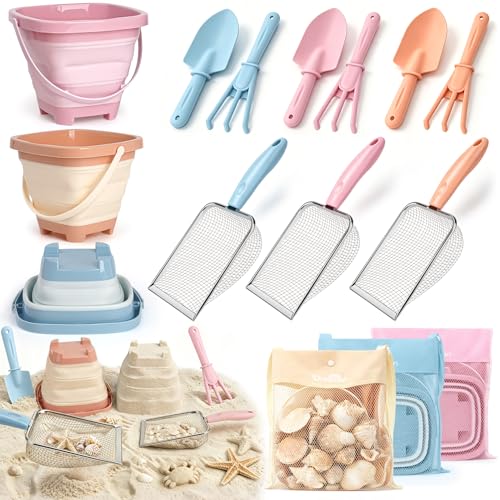
Confused by all the options? We compare every type of beach toy set side by side so you can choose the best beach toy sets for your space and budget.
Walk into any store before a beach trip and you will face a wall of buckets, molds, trucks, and nets, all sold as complete sets. The confusing part is that these sets are built for very different ages and styles of play. Choosing best beach toy sets for your family starts with matching the type to your youngest player and your typical beach day.
This guide compares each type side by side, with honest strengths, limits, and typical prices. The product table below gives you a quick snapshot, and the sections after it explain which type fits toddlers, groups, older kids, and even adults who join in.

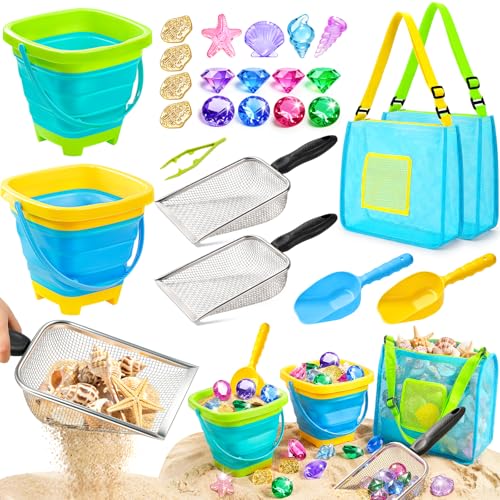


Types of Beach Toy Sets Compared
Beach toy sets fall into four broad types based on who plays and how. Sand building sets center on buckets, shovels, and molds. Water play sets add funnels, wheels, and pouring tools, while active sets bring balls, nets, and toss games. If you are also shopping for shore gear beyond toys, our guide to the best beach sets covers the wider kit. The four groups below cover the main choices.
For Young Kids
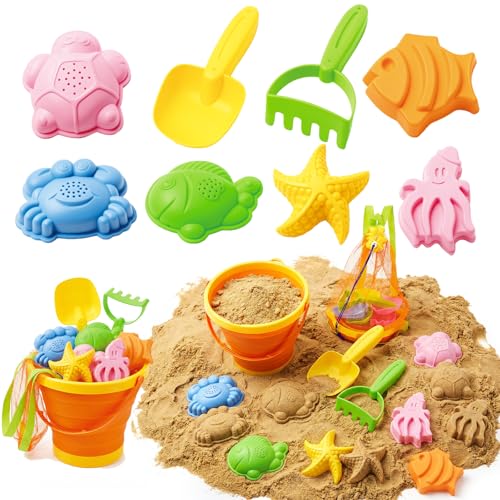
Sets for young kids, roughly ages 18 months to 4 years, keep pieces large, light, and simple. Expect a bucket, a chunky shovel, a rake, a sifter, and a few bold molds shaped like animals or stars. There are no small detachable parts, handles are thick for small hands, and edges are smooth so a dropped piece will not hurt bare feet.
The strength of this type is open ended play with almost no rules, which suits short attention spans and builds hand strength and coordination. The limit is replay value over years, since most children outgrow simple molds by age five or so. Choose this type if your youngest child is under four, and treat it as a starter set you can pass down or donate later.
Family and Group Picks
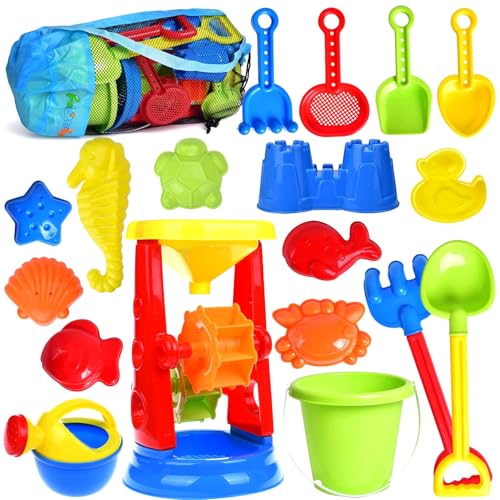
Family and group sets raise the piece count, often to 15 pieces or more, so siblings and friends are not waiting for the only shovel. They mix building tools with shared activities such as ring toss, scoop ball, or a collapsible bucket for hauling water. Bigger molds let several kids build one large castle together instead of working alone.
The advantage is fewer arguments and longer group play, which matters on all day outings with cousins or neighbors. The trade off is bulk, since a large set needs a mesh bag and more storage room at home. Pick this type if three or more children usually play together, and check that the set includes at least two shovels and two buckets.
For Adults and Collectors
It surprises some shoppers, but a real segment of sets targets adults and collectors. These include detailed castle molds with towers and walls, sand sculpting tools with shaped blades, and themed sets tied to popular characters that adults collect. Pieces are more precise, materials feel sturdier, and the goal shifts from random digging to building something that looks impressive.
The appeal is genuine creative satisfaction and photos worth sharing, plus tools that double for garden or kinetic sand play at home. The downside is price and patience, since detailed molds fail often in dry sand and frustrate younger kids. Choose this type for hobbyists, sand art fans, or families with older children who enjoy a building challenge together.
For Tweens and Teens
Sets for tweens and teens lean active and social rather than cute. Typical contents include paddle ball, water squirters, diving toys for the pool or shore break, mesh nets for catching small sea life, and waterproof pouches for phones. Designs use muted colors and sporty shapes because older kids reject anything that looks like a toddler toy.
The strength is replay value with friends, since games and challenges hold attention far longer than molds at this age. The weakness is that pieces scatter easily and small items like diving sticks vanish in sand. Pick this type if your youngest player is about nine or older, and add a bright storage bag so the group can gather everything before you leave.
For Young Kids vs Family and Group Picks: Which Should You Choose?
These two types overlap the most, so compare them on five points. For age fit, young kid sets suit toddlers and preschoolers, while group sets assume at least one child aged five or up who can handle smaller molds. For piece count, young kid sets hold about 5 to 10 large pieces, while group sets hold 15 or more mixed pieces.
For play time, toddler sets fill 20 to 40 minutes before interest fades, while group sets support an hour or more of shared building. For price, young kid sets usually cost under $20, and group sets run about $20 to $40. If your group includes a child under three, start with the young kid type for safety, then add group pieces later as skills grow.
How to Choose the Right Beach Toy Set
Number of Pieces, Players, and Play Time
Match piece count to player count first, because sharing one shovel among three kids ends play fast. A good rule is at least one digging tool and one container per child, plus a few shared molds. More pieces also raise replay value, since kids can rotate tools and invent new games. If you shop for larger collections in general, our guide to the best toy sets explains how piece counts shape value across categories.
Educational Benefits
Beach play quietly builds STEM foundations, because pouring, sifting, and dam building teach volume, flow, and simple cause and effect. Molds and stacking pieces develop fine motor control and early shape recognition, while group building practices planning and negotiation. Sets with measuring cups, funnels, and water wheels give the richest learning mix. None of this needs worksheets or instructions, since the sand itself supplies the feedback when a wall stands or falls.
Age Range and Skill Level
Follow the age range on the box, because it reflects safety testing rather than marketing. Look for the ASTM F963 mark, the United States toy safety standard, and respect small part warnings for children under three. Also weigh skill honestly, since a frustrated child abandons a set that demands precision. A set slightly below your child top skill level usually gets more use than an advanced set saved for later.
Gift Worthiness and Price
Beach sets make strong gifts because they are affordable, seasonal, and easy to wrap, with most options between about $10 and $40. A mid priced set with a storage bag feels more generous than a larger loose set at the same cost. Add a practical note for the giver: toys that nest inside the bucket store neatly and survive the trip home. Avoid gifting sets with glitter or paint that can flake into the sand and water.
Care and Maintenance Tips
Rinse every piece with fresh water after each beach day, because salt and sand scratch plastic and dull colors over time. Shake pieces dry and store them in a mesh bag or labeled bin so air flows and mildew cannot grow. Check age labels and small part warnings each season, since cracked pieces can break into sharp or tiny fragments. Clean toys regularly with mild soap, and retire any piece with cracks, rough edges, or a broken handle before the next trip.
Frequently Asked Questions
How long does it take to finish or play with a beach toy set?
A single play session usually lasts 20 minutes to over an hour, depending on age and piece count. There is no finish line, since sand play is open ended and resets with every wave or kick. If you are comparing the best beach toy sets options for a long vacation, choose a higher piece count, because variety is what stretches each session.
What age is a beach toy set best for?
Most sets suit ages 18 months to about 10 years, split by type as this guide describes. Toddlers need large pieces with no small parts, while tweens prefer active games over molds. Always follow the printed age range and the ASTM F963 safety mark on the box. When siblings span wide ages, buy for the youngest child safety needs first.
Is a beach toy set worth the price?
Yes, for most families, because a set costing about $15 to $30 can fill many full days of play across a whole summer. Value drops when pieces crack early or when half the set duplicates tools you already own. Compare cost per piece and check plastic thickness in store photos. A sturdy mid priced set almost always beats two flimsy bargain sets.
Is a beach toy set a good gift?
Yes, beach sets are easy and welcome gifts for birthdays and summer holidays, especially with a storage bag included. They suit a wide age range, need no batteries, and pack flat in a suitcase for vacation visits. Choose neutral colors if you do not know the child taste, and add a small mesh bag if the set lacks one. Avoid sets with tiny pieces for households with babies.
Wrapping Up
The decision comes down to three things: the age of your youngest player, how many children share the set, and how much variety you need for long play sessions. Young kid sets win on safety and simplicity, group sets win on sharing, and active sets win for older kids. Whichever type you choose from the best beach toy sets in the product table above, rinse the pieces after each trip and store them dry, and one good set will serve your family for many summers.