
Best Beginner Pickleball Sets: A First Time Guide for 2026
Disclosure: We may earn a commission when you buy through links on this page, at no extra cost to you. As an Amazon Associate I earn from qualifying purchases. Learn more

New to pickleball? Learn what belongs in a beginner set, how paddle weight and grip size affect play, and which mistakes first time buyers should avoid.
Shopping for best beginner pickleball sets can feel confusing when every set looks similar in the box. The product table sorts the main set types, so you can see what you actually get for your money before you buy. A good beginner set should help you learn the game, not fight you while you learn it.
This guide explains paddle materials, grip sizes, ball types, and the extras that matter for a first set. It also covers the mistakes new players make most often, so your first set supports your game instead of holding it back.





Who Should Buy
For Casual Social Players
If you plan to play with friends at a local park a few times a month, a set with two or four paddles and a mix of indoor and outdoor balls covers most games. Shared sets work well here, since everyone can grab a paddle and play. A carry bag keeps the gear together between games.
For New Players Taking Lessons
If you are learning through lessons or clinics, a lighter composite paddle helps you practise proper form without tiring your arm. Ask your coach about grip size, since a grip that fits your hand makes control easier. A set with extra balls helps too, because drills use more balls than casual games.
For Families Playing Together
If children and adults will share the set, look for paddles in a middle weight range that most hands can manage. Smaller grips suit smaller hands, and grip tape can adjust a handle that feels slightly large. Sets with four paddles let the whole family play doubles without waiting on the sideline.
Key Features to Compare
Paddle Material
Beginner paddles usually use wood, composite, or graphite faces. Wood costs least but weighs most, which tires the arm during longer games. Composite faces balance price, weight, and control for most new players. Graphite faces feel lighter and more responsive, and they suit players who already know they will play often.
Paddle Weight
Paddle weight shapes how the paddle feels in your hand and how quickly you can react at the net. Light paddles, at about 7 to 7.5 ounces, suit fast net play and players with smaller frames. Middleweight paddles, at about 7.5 to 8.5 ounces, suit most beginners because they blend power and control.
Grip Size and Comfort
Grip size affects both comfort and control, and a grip that is too large strains the wrist. Most adults suit a grip circumference of about 4.25 inches, while smaller hands suit 4.125 inches. Overgrip tape can build up a slightly small grip, but it cannot fix a grip that is far too large.
Ball Type: Indoor Versus Outdoor
Indoor balls are softer with larger holes, while outdoor balls are harder with smaller holes to resist wind. Playing with the wrong ball changes bounce and speed, so match the ball to where you play. Beginner sets often include both types, which is handy if you play in parks and gyms.
To compare set contents in more detail, see the related guides on best pickleball paddle sets for beginners and best pickleball sets, which break down paddle choices and full set options for new players.
What Belongs in a Complete Beginner Pickleball Set
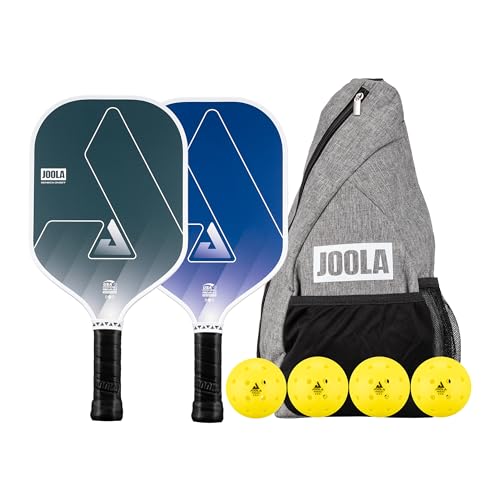
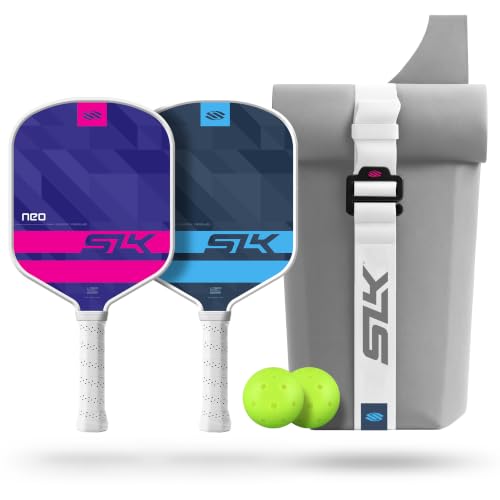
A complete beginner set should include at least two paddles, several balls, and a bag to carry them. Some sets add a portable net, which matters if your local courts lack permanent nets. Check the ball count carefully, since balls crack over time and spares keep a game going.
The product table shows how set contents change across price tiers. Price tiers are simple here. Sets at about $30 to $60 suit casual players testing the game. Sets at about $60 to $120 add lighter paddles and better bags for regular play.
Above that range you pay for lighter materials and finer build, which new players rarely need.
Common Mistakes to Avoid
- Choosing the heaviest paddle in the box, which tires the arm and slows reactions.
- Using outdoor balls indoors, or indoor balls on a windy outdoor court.
- Buying a grip far too large and hoping it will feel better with practice.
- Skipping a carry bag, then losing balls and paddles between games.
Setup and Care Tips
Wipe paddles clean after play and store them away from extreme heat, which can warp cores and loosen edge guards. Keep balls in the bag rather than loose in a hot car, since heat shortens their life. Replace a ball as soon as it cracks, because a cracked ball bounces unevenly and teaches bad timing.
Regrip a paddle when the grip feels slick or worn, since a fresh grip costs little and improves control at once. If an edge guard loosens, fix it promptly so the paddle face stays protected during play.
Building Skills With Your First Set
Your first set should support learning, so spend the first weeks on basic skills rather than worrying about gear upgrades. Practise dinks at the net, gentle serves, and soft returns with a partner, since control matters far more than power at beginner level. A lighter paddle helps here, because it lets you focus on placement and footwork instead of fighting arm fatigue.
Finding regular courts makes practice easier, so check local parks, community centres, and clubs for open play sessions. Open play welcomes beginners and pairs you with varied partners, which accelerates learning faster than solo drilling alone. Bring your set, extra balls, and water, and arrive early enough to warm up properly before games start.
Grip care is a small habit with a big payoff, since a worn grip slips at the worst moments. Replace grip tape when it feels smooth or starts peeling, and keep a spare overgrip in your bag for quick changes. If your hand blisters during long sessions, check grip size first, since a grip that is too small forces you to squeeze harder than necessary.
As your game improves, you will notice which paddle traits matter to you: weight, balance, and grip shape usually top the list. Note what you like and dislike about your first paddle before shopping for an upgrade, since that record prevents buying a second paddle with the same flaws. Most beginners benefit from six months of regular play before upgrading.
Finally, look after your set between games so it lasts until you are ready to upgrade. Store paddles away from car heat, keep balls in the bag, and wipe grips clean after sweaty sessions. A set treated well holds up through a full season of learning, which is exactly what a beginner set should do.
Frequently Asked Questions
How many paddles should a beginner set include?
Two paddles suit a single player who plays with a partner who owns gear, while four paddles suit couples and families playing doubles. A four paddle set costs more, but it means nobody waits on the sideline. If you are unsure how often you will play, start with two paddles and add more later.
Do I need indoor and outdoor balls?
You need the ball type that matches where you play most often. Indoor balls bounce softer and suit gym floors, while outdoor balls resist wind and suit park courts. A set with both types covers you if you play in both places, and spare balls are always useful. Carrying one of each type in your bag covers mixed schedules without any extra planning.
What grip size should a beginner choose?
Most adults suit a grip of about 4.25 inches, while smaller hands suit 4.125 inches. Hold the paddle as you would shake hands and check that your fingers wrap comfortably without strain. Overgrip tape can adjust a slightly small grip, but a grip that is far too large is hard to fix.
How long does a beginner paddle last?
A beginner paddle often lasts a year or more of casual play before the face or edge guard shows real wear. Heavy players who play several times a week may wear a paddle faster. Replace a paddle when the face feels dead, the grip will not stay firm, or the edge guard keeps loosening.
Do I need a net in a beginner set?
You need a net only if your courts lack permanent nets. Many parks and clubs already have nets up, so a set without a net saves money. If you play on driveways or open courts, a portable net turns almost any flat surface into a playable court. Check your regular courts first, since many parks already provide nets and a portable net would sit unused.
Final Thoughts
The best first set is the one that gets you playing often: light enough to control, comfortable to hold, and complete enough that you never hunt for gear. Match the ball type to your courts, pick a middleweight paddle, and let the product table above guide the final comparison.
Once you play regularly, your preferences will sharpen and an upgrade will make sense. Until then, the best beginner pickleball sets give you everything needed to learn the game and enjoy it from the first match.


