
Best Beginner Dual Suspension Mountain Bike: Budget, Midrange, and Premium Picks for 2026
Disclosure: We may earn a commission when you buy through links on this page, at no extra cost to you. As an Amazon Associate I earn from qualifying purchases. Learn more

Learn how to choose the best beginner dual suspension mountain bike by budget, with suspension, sizing, and component guidance for new trail riders.
Prices for dual suspension mountain bikes span an enormous range, from a few hundred dollars to sums that rival a used car. As a beginner, the hard part is knowing which spending actually improves your rides and which only lightens your wallet. The right best beginner dual suspension mountain bike puts its money into suspension quality, brakes, and fit before anything decorative.
This guide is organized by budget. It shows what each tier normally delivers, which features are worth paying for, and which you can skip, so you can compare the options in the comparison table below with a clear plan.
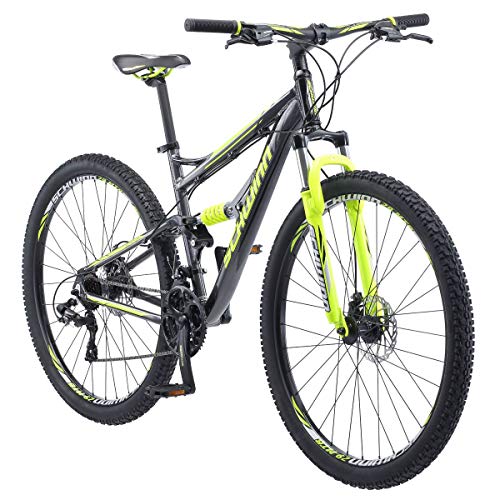


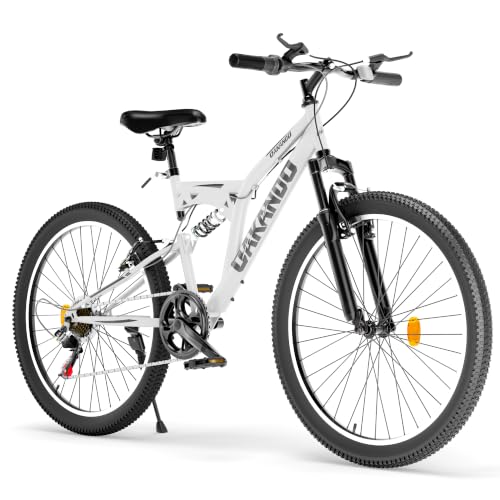
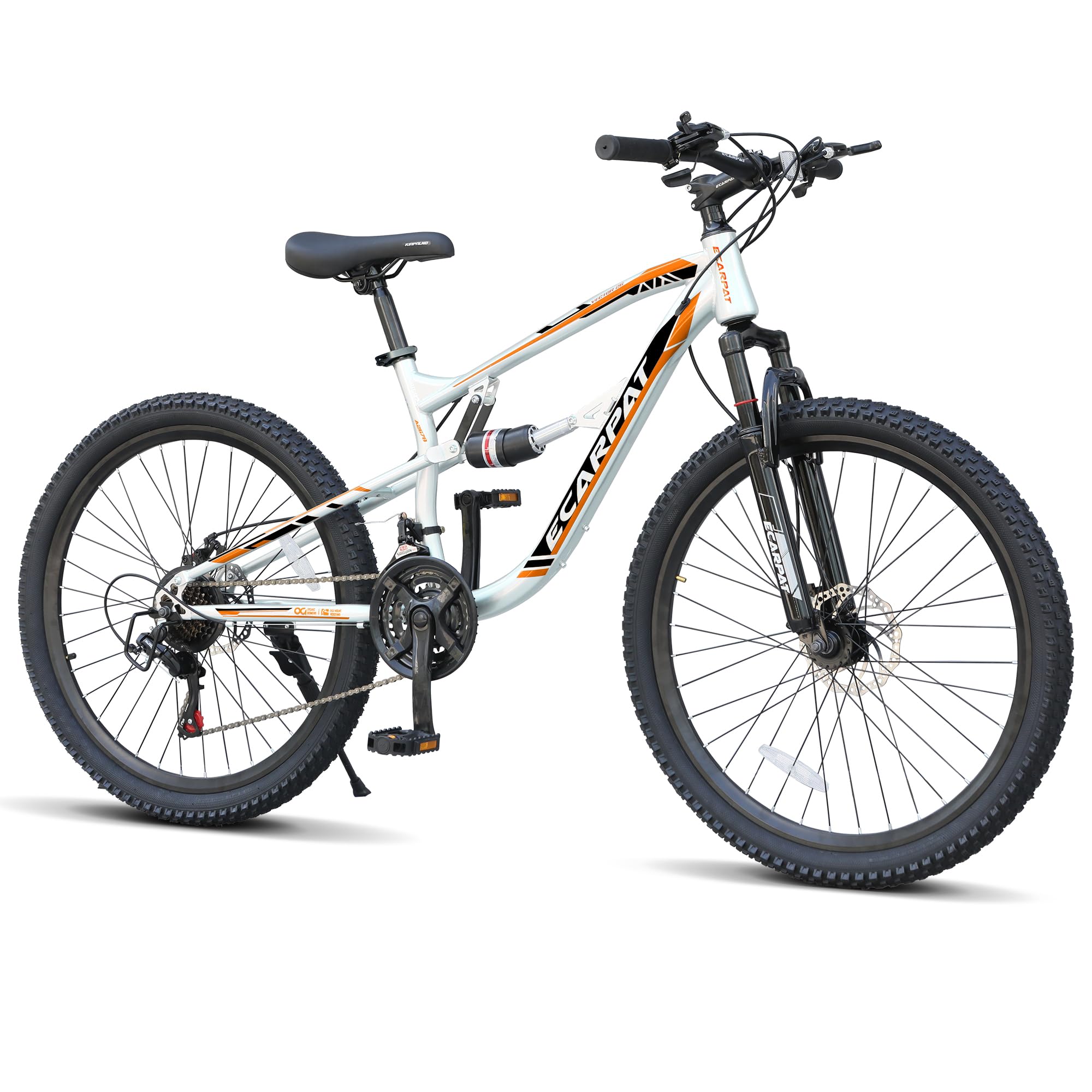
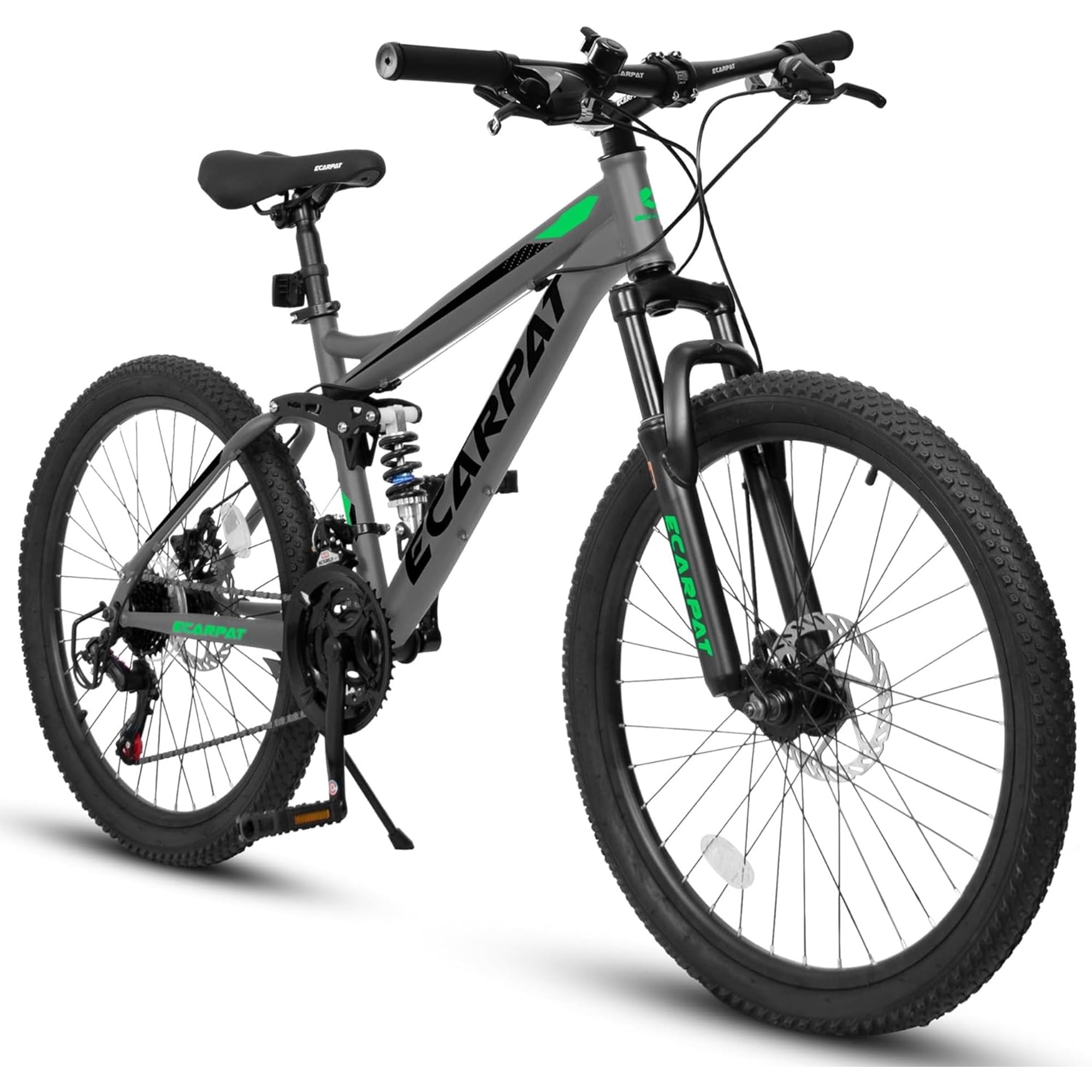
Three Budget Bands to Choose From
Budget Band, Around $800 to $1,300
The true starting point for a trail worthy dual suspension bike sits higher than many expect. In this band you get an aluminum frame, a basic air or coil fork with about 120 to 130 mm of travel, a simple rear shock, and a 1x drivetrain on the better examples. These bikes suit smooth to moderate trails and riders learning body position and braking. Expect more weight and plan on upgrading tires and brake pads first. Bikes far below this band often use heavy frames and suspension that cannot be adjusted or serviced, so treat very low prices with suspicion.
Midrange Band, Around $1,300 to $2,500
Midrange is where dual suspension starts to make complete sense for a beginner. Forks and shocks become proper air units with rebound adjustment, hydraulic brakes grow stronger, and most models add a dropper post and tubeless ready wheels. Weight drops and the bike tracks the ground instead of bouncing off it. If you ride weekly on real trails with roots and rock gardens, this band repays its cost in control, comfort, and parts that last. Riders who want the wider category view can see our guide to the best dual suspension mountain bike designs.
Premium Band, Around $2,500 to $4,000
Premium beginner friendly bikes bring lighter carbon or high grade aluminum frames, supple suspension with compression adjustment, and crisp wide range drivetrains. The bike accelerates easier, holds a line through rough sections, and asks less of your arms and back on long descents. This band makes sense if you already ride often, live near demanding trails, or want to buy once and keep the bike for many seasons. The riding gains are real, but they are refinements of the midrange formula rather than a different sport.
What Your Money Gets You at Each Price Tier
Budget Tier: What to Expect
At the budget tier, judge the frame and suspension first. A frame with modern geometry and standard parts can be upgraded for years, while a shiny drivetrain on a dated frame cannot. Simple suspension with a lockout or firm setting still pedals acceptably on climbs. Accept heavier wheels and mechanical feeling brakes as the trade offs, and keep some budget aside for a helmet, gloves, and a shock pump, which an air fork and shock genuinely need.
Midrange Tier: The Sweet Spot for Most Buyers
Midrange money buys the components that decide control: an air fork and shock you can tune to your weight, hydraulic brakes with larger rotors, and tires with real tread in a grippy compound. Setup help matters here, so a retailer or brand that publishes sag and pressure charts for your weight adds genuine value. Most beginners who ride twice a week will stop noticing the bike and start noticing their skills at this tier, which is exactly the goal.
Premium Tier: When Spending More Pays Off
Spending more pays off in weight, suspension feel, and durability of small parts such as bearings and hubs. It also buys better resale value and longer service intervals. It does not buy skill, and a premium bike on easy trails feels much like a midrange one. Be honest about your terrain. If your local trails are smooth, bank the difference for trips and coaching. If they are steep and rocky, the premium tier earns its price every descent. Shoppers watching value closely should also read our guide to the best affordable dual suspension mountain bike options.
Features Worth Paying For, and Ones to Skip
Beginner Friendly Features That Matter
Pay for suspension you can set up with a simple chart and a shock pump: sag around 25 to 30 percent at the rear is the usual starting point. A dropper post is the other beginner friendly feature worth real money, because lowering the saddle before descents builds confidence immediately. Wide handlebars around 760 to 800 mm and a short stem steady your steering. Skip decorative extras such as color matched accessories and built in lights for trail use; they add cost without control.
Wheel Size and Tires
Most current dual suspension bikes use 29 inch wheels, which roll over trail obstacles smoothly and hold momentum. Some models mix a 29 inch front wheel with a 27.5 inch rear for quicker turning, and smaller riders may prefer 27.5 at both ends. Tire width around 2.3 to 2.5 inches with an aggressive front tread and a faster rear tread is a proven beginner setup. Tubeless wheels are worth paying for, since lower pressure improves grip and small punctures seal as you ride.
Frame Material and Geometry
Aluminum dominates the beginner and midrange bands because it balances weight, strength, and price. Carbon appears at premium prices and saves roughly 1 to 3 lb while muting vibration, but it needs a careful check after any hard crash. Geometry shapes handling: a head angle near 65 to 67 degrees suits all around trail riding, and reach should let you stand centered with bent elbows. Always size by the brand chart and your inseam, and remember that correct sizing beats any material upgrade.
Bike Type and Riding Style
Dual suspension covers several riding styles. Cross country bikes use about 100 to 120 mm of travel and favor climbing speed. Trail bikes use about 130 to 150 mm and are the right default for most beginners, because they climb well enough and descend with real confidence. Enduro bikes add travel and weight for bike park terrain and make poor first bikes for general trails.
Long Term Costs to Factor In
The purchase price is only part of ownership. Budget for a helmet, gloves, a floor pump, a shock pump, a multitool, and spare tubes or sealant in the first month. Suspension needs periodic service, commonly a basic service each season and a fuller service every year or two depending on hours ridden, and shops charge real money for it. Tires, brake pads, chains, and grips are wear items you will replace yearly with regular riding. A modest maintenance reserve of around $200 to $400 a year keeps a dual suspension bike quiet and safe, and a longer frame warranty protects the biggest single part of your investment.
FAQs
What makes dual suspension mountain bikes for beginners different?
They use moderate travel, stable geometry, and durable parts rather than race weight components. The suspension is tuned to support learning riders, the brakes are strong and predictable, and the sizing and setup guidance assumes you are new. They also skip fragile extremes, because a beginner needs a bike that survives mistakes and keeps setup simple.
What size bike do I need?
Use the brand size chart with your height and inseam as the starting point, then check standover clearance and reach. Between sizes, most beginners do better on the smaller frame for maneuverability, while tall riders with long legs may prefer the larger one for climbing room. A brief test ride, even in a parking lot, tells you more than any chart.
How much should I spend on my first bike?
Plan on around $1,300 to $2,500 for a dual suspension bike you will enjoy for several seasons. Below that range, suspension quality drops quickly. If your total budget is under $1,000, a good hardtail usually rides better than a cheap dual suspension bike, and you can move up later with stronger skills and a clearer sense of your trails.
Hardtail or full suspension for beginners?
Choose full suspension if your trails are rocky or rooty and your budget reaches the midrange band, because comfort and rear wheel grip build confidence fast. Choose a hardtail if your budget is tight or your trails are smooth, since the same money buys far better parts on a hardtail. Either way, fit and brakes matter more than the number of pivots.
Final Thoughts on Beginner Dual Suspension Mountain Bike
Decide by tier first: budget for learning on gentle trails, midrange for the best value in real control, and premium only when your terrain and riding frequency justify it. Within any tier, spend on suspension setup, brakes, and correct sizing before anything else. Compare the best beginner dual suspension mountain bike options in the product table above with those rules, and your money will land where it helps your riding most. Apply these checks to any best beginner dual suspension mountain bike you compare.


