
Best Beginner Birding Binoculars: The Buyer Checklist for 2026
Disclosure: We may earn a commission when you buy through links on this page, at no extra cost to you. As an Amazon Associate I earn from qualifying purchases. Learn more
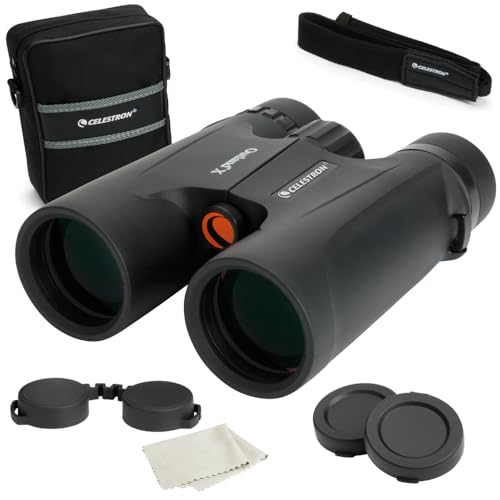
New to bird watching? Use this checklist to pick the best beginner birding binoculars by magnification, brightness, field of view, fit, and sealing.
Choosing your first pair for watching birds can feel confusing because every listing seems to promise a sharper view. This guide keeps the choice simple by giving you a short checklist to use before you spend anything. A good first pair should be easy to hold steady, easy to focus, and comfortable enough to carry on a long walk, and the best beginner birding binoculars for you will be the pair that meets those tests in your hands. The product table can help you compare the main options side by side once you know what to look for.
Birding rewards patience and a steady view, not the strongest magnification you can find. A very strong view narrows what you see and shakes more in your hands, which makes it harder to follow a moving bird through trees. This guide explains each factor in plain language, flags the claims to ignore, and ends with questions you can answer before you order. By the end you should be able to explain why a pair suits you, rather than guessing from a list of numbers.


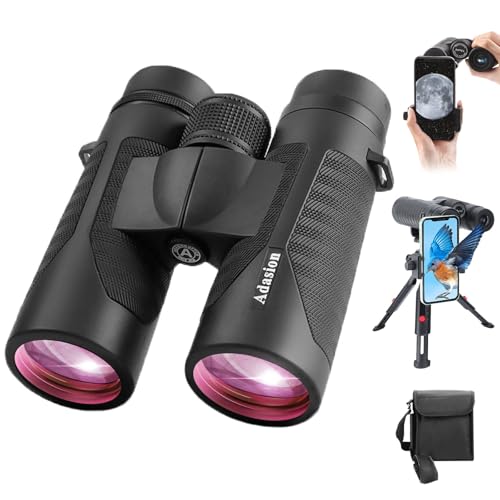
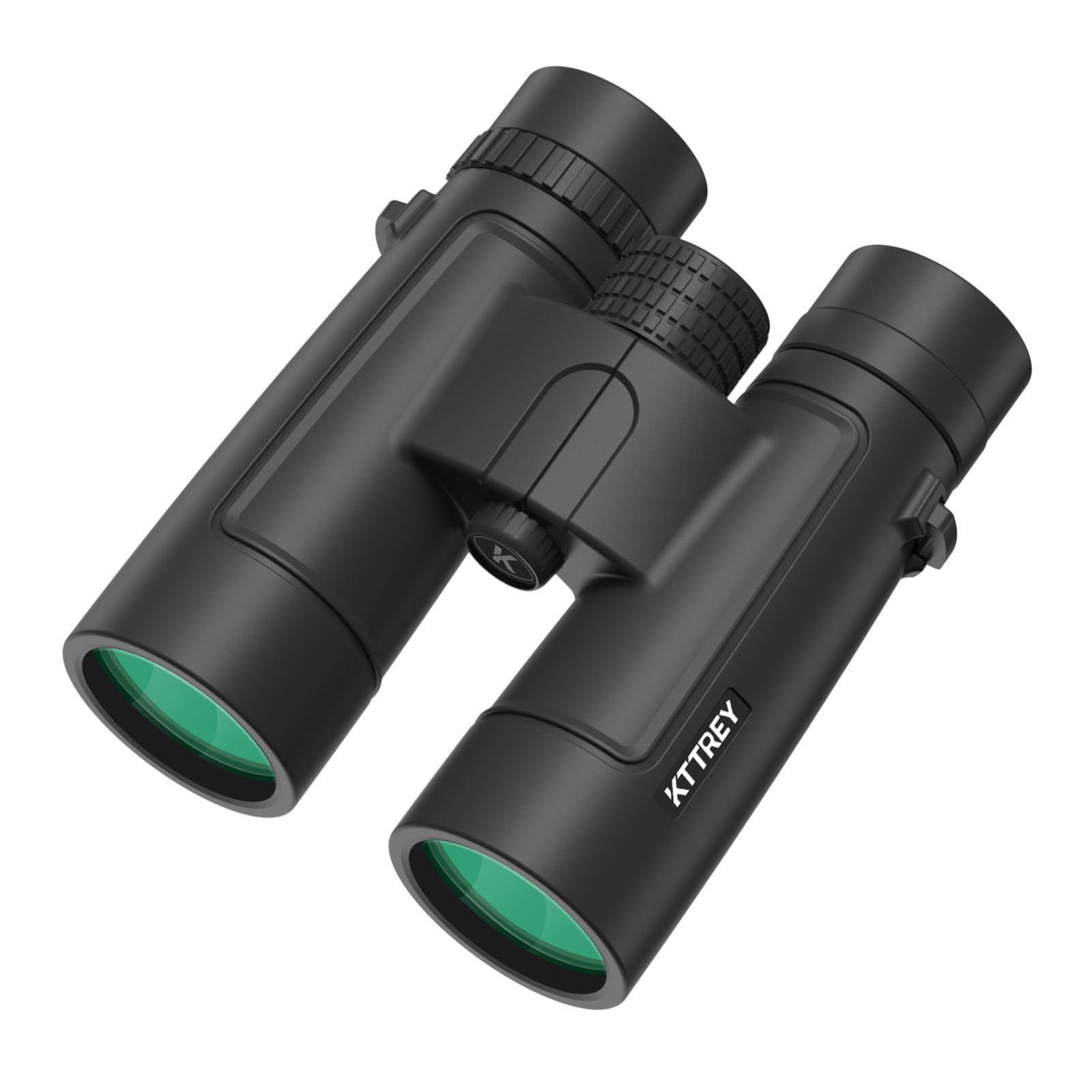
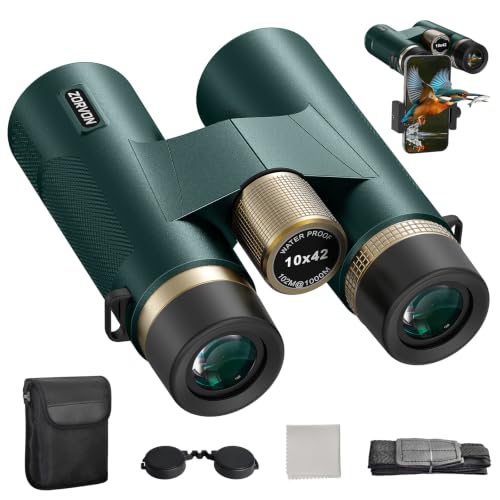


How to Choose the Best Beginner Birding Binoculars
Use the checks in this section like a scorecard. A pair does not need a perfect mark on every point, but it should pass the points that matter most for how you plan to use it. Beginners often do best with a forgiving view, a smooth focus control, and a body that feels secure in the hand. If a pair fails on comfort or ease of use, its other strengths rarely make up for it on a real outing.
Beginner Friendly Handling That Matters
Look for a focus wheel that turns smoothly with one finger and stops without a loose or gritty feel. The eyecups should twist up and down in clear steps and stay where you set them, because a slipping eyecup changes the view every time you lift the pair to your eyes. A neck strap that adjusts easily also matters, since a pair that hangs at the wrong length will swing while you walk. Simple handling beats extra features for a first pair, so treat a complicated control layout as a warning sign rather than a bonus.
Magnification and Objective Size in Plain Terms
The first number in a size such as 8x42 tells you how many times closer the view appears, while the second number tells you the width of the front lens in millimeters. An 8 power view is a sensible starting point for most new birders because it gives a wider scene and a steadier image than a 10 power view. A 42 millimeter front lens gathers a useful amount of light without making the pair heavy, which is why that size is so common for general birding. Larger front lenses can brighten the view in dim woods, but they also add weight that you will notice after an hour on a trail.
Brightness and the Low Light View
Brightness depends on more than the size of the front lens. Lens coatings reduce glare and help more light reach your eyes, and a well made prism system keeps the image clear from edge to edge. In shade, at dawn, or under a thick canopy, a bright and contrasty view helps you pick a bird out from leaves and branches. You can check this by looking into a shaded area rather than at a bright sky, since a pair that only looks good in sunlight may disappoint on a woodland walk.
Do not judge brightness from a single number on a box, because coatings and build quality change the result.
Field of View and Focus Speed
Field of view describes how wide a scene you can see at a set distance, and a wider field makes it much easier to find a bird and follow it as it moves. Beginners should favor a generous field over extra magnification, because finding the bird matters more than enlarging it. Close focus matters too if you enjoy watching birds at a feeder or in a garden, since some pairs cannot focus sharply on a nearby subject. A smooth focus wheel that moves from near to far in a short turn helps you react quickly when a bird lands close by.
Size, Weight, and Ergonomics
A pair you leave at home helps no one, so weight and balance deserve as much attention as optics. Full size pairs give a bright view but can tire your arms on a long outing, while compact pairs travel well but may feel cramped for larger hands. Hold the pair with both hands and check that your fingers rest naturally without crowding the focus wheel. If you wear glasses, check the eye relief, which is the distance from the eyepiece to the point where the full view appears.
For smaller options, see our guide to best small binoculars for birding. Enough eye relief lets you see the whole scene without pressing the eyecups hard against your glasses.
Durability and Weather Sealing
Birding happens in dew, drizzle, dust, and heat, so a sealed body is worth seeking even for a first pair. Sealing keeps moisture and dust out of the tubes, and a nitrogen filled body resists internal fogging when you move between cool shade and warm air. A rubber armor coating helps grip and cushions small knocks, which matters when you carry the pair on rough ground. Check that the lens covers fit well and stay attached, because lost covers leave glass exposed to scratches.
Never look at the sun through any binocular, since focused sunlight can injure your eyes in an instant.
Spending Levels Worth Considering
A sensible starting budget covers a sealed body, decent coatings, and a smooth focus, and many new birders are happy at this level for years. Prices in this range often sit at about $100 to $200, though the exact figure depends on size and build. A step up for regular outings may bring a brighter view, a wider field, and a more refined focus, and prices often sit at about $200 to $400. A long term choice may add better coatings, a tougher body, and a more comfortable balance, and prices can run above $400.
Spend more only when you can name the improvement you want, such as a wider field or better low light performance, rather than paying for a higher number on the box. If funds are tight, see our guide to best budget binoculars for birding.
Quick Buyer Checklist
Answer these questions before you order, and skip any pair that fails more than one of them.
- Can you hold the pair steady for a full minute without your arms tiring?
- Does the focus wheel turn smoothly and bring a nearby bird into sharp view quickly?
- Can you see the full scene comfortably, with or without your glasses on?
- Is the field wide enough to follow a bird moving through branches?
- Is the body sealed against moisture and filled to resist internal fogging?
- Do the eyecups stay in place and the lens covers fit securely?
- Does the weight feel right for the length of walk you usually take?
- Are the warranty terms clear, and do you know what they cover?
Red Flags to Watch For
Be wary of listings that give vague optical claims without naming magnification, objective size, field of view, or eye relief. A listing that hides those basics may also hide weak build quality. Watch for claims of extreme magnification in a tiny body, since a very strong view in a small pair usually shakes badly and gives a dim image. Short or unclear warranty terms are another warning sign, as are reviews that repeat the same phrases or praise features that the product does not have.
Finally, be cautious with sellers that cannot confirm the maker or the country of support, because warranty help may be hard to get later.
How to Make Your Pair Last Longer
Use a soft lens cloth, not your shirt, to clean the glass, since fabric and grit can scratch coatings over time. Blow loose dust off first, then wipe gently in a circular motion, and keep the lens covers on when the pair is in your bag. Store the pair in a dry, padded bag away from heat and damp, and avoid leaving it in a hot car. Check the strap and hinges now and then for wear, and follow the maker guidance for cleaning and storage.
If you get caught in rain, dry the outside with a soft cloth and let the pair air dry before you put it away. For a closer look at general purpose options, see our guide to best beginner binoculars.
Frequently Asked Questions
What makes birding binoculars for beginners different?
Birding optics for beginners favor a forgiving view over extreme power. They usually offer moderate magnification, a wide field, a smooth focus, and a comfortable weight, so a new user can find and follow birds without fighting the instrument. They also tend to have simple controls and clear eyecup settings, which helps when you are still learning how to hold and aim the pair. A good first pair teaches you what you like, such as a wider field or a brighter view, and that knowledge guides any later upgrade far better than a guess.
What specs matter most for beginners?
Magnification, objective size, field of view, eye relief, and close focus matter most for a first pair. Magnification sets how close the bird appears, objective size affects brightness and weight, and field of view sets how much scene you can see at once. Eye relief matters if you wear glasses, while close focus matters for garden and feeder watching. Weight and sealing matter too, since a heavy or unsealed pair may stay home on the days you most want to use it.
What does 8x42 or 10x42 mean?
The first number is magnification, so 8x makes a bird look eight times closer and 10x makes it look ten times closer. The second number is the width of the front lens in millimeters, and a wider lens can gather more light. An 8x42 pair gives a wider and steadier view than a 10x42 pair, which is why many beginners start with 8 power. A 10 power view enlarges the bird more but narrows the scene and shakes more in the hand.
Which is better for low light?
A larger front lens, good coatings, and a well made prism system all help in low light, but no single factor tells the whole story. A 42 millimeter pair with strong coatings often beats a larger pair with weak coatings, especially in shade or at dawn. A wider exit pupil, which is the beam of light that leaves the eyepiece, can also help your eyes use the available light. When you compare pairs, try them in shade rather than bright sun, and look for contrast and detail in dark foliage.
Is a smartphone enough instead?
A smartphone is handy for photos and for identifying birds by sound, but it cannot match a binocular for finding and following a distant bird. A phone screen shows a small image that washes out in sunlight, and digital zoom quickly loses detail. Binoculars give a bright, direct view with depth that helps you track movement through trees. Many birders carry both, using optics to find the bird and a phone to record or identify it.
How much should I spend on my first one?
Many new birders are well served at about $100 to $200, where you can find a sealed body, decent coatings, and a smooth focus. Spending more can bring a brighter view and a wider field, but only spend extra when you know which improvement you want. A very cheap pair may lack sealing and give a dim or distorted view, which can put a beginner off birding entirely. Set your budget after you decide how often you will go out and in what weather, since frequent use in wet conditions justifies a tougher build.
Final Thoughts
Start with a forgiving view, a comfortable fit, and a sealed body, and let your own outings teach you what to favor next. Check the focus, the field, and the weight in person when you can, and use the checklist in this guide before you commit. Follow local wildlife rules on every outing, keep a respectful distance from nests and roosting birds, and never point optics at the sun. With a little patience, the best beginner birding binoculars for you will be the pair that makes finding birds feel easy, and the product table above is a good place to compare your shortlist.


