
Best Beginner Binoculars for Birding for 2026: Every Type Explained Side by Side
Disclosure: We may earn a commission when you buy through links on this page, at no extra cost to you. As an Amazon Associate I earn from qualifying purchases. Learn more
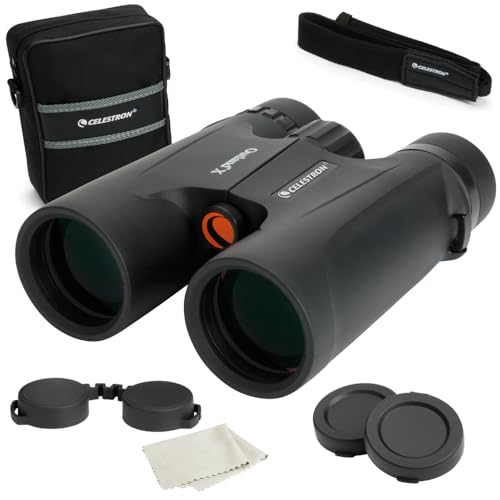
Pick the best beginner binoculars for birding by comparing magnification, lens size, focus and weight for a bright, steady first pair.
Choosing the best beginner binoculars for birding can feel confusing because magnification numbers, lens sizes and focus styles all look similar at first glance. A pair that suits a wide open field may feel heavy on a long walk, while a tiny pair may feel dim in shaded woods. This guide compares the main types in plain terms so you can match the optics to your birding habits.
Use the comparison table in the first section to narrow the field by size, brightness and price, then read the detailed sections on magnification, focus and comfort. The right first pair should feel natural in your hands and give a clear, steady view without constant fiddling.


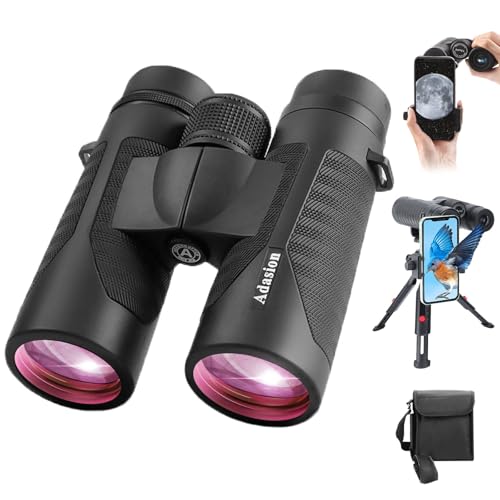

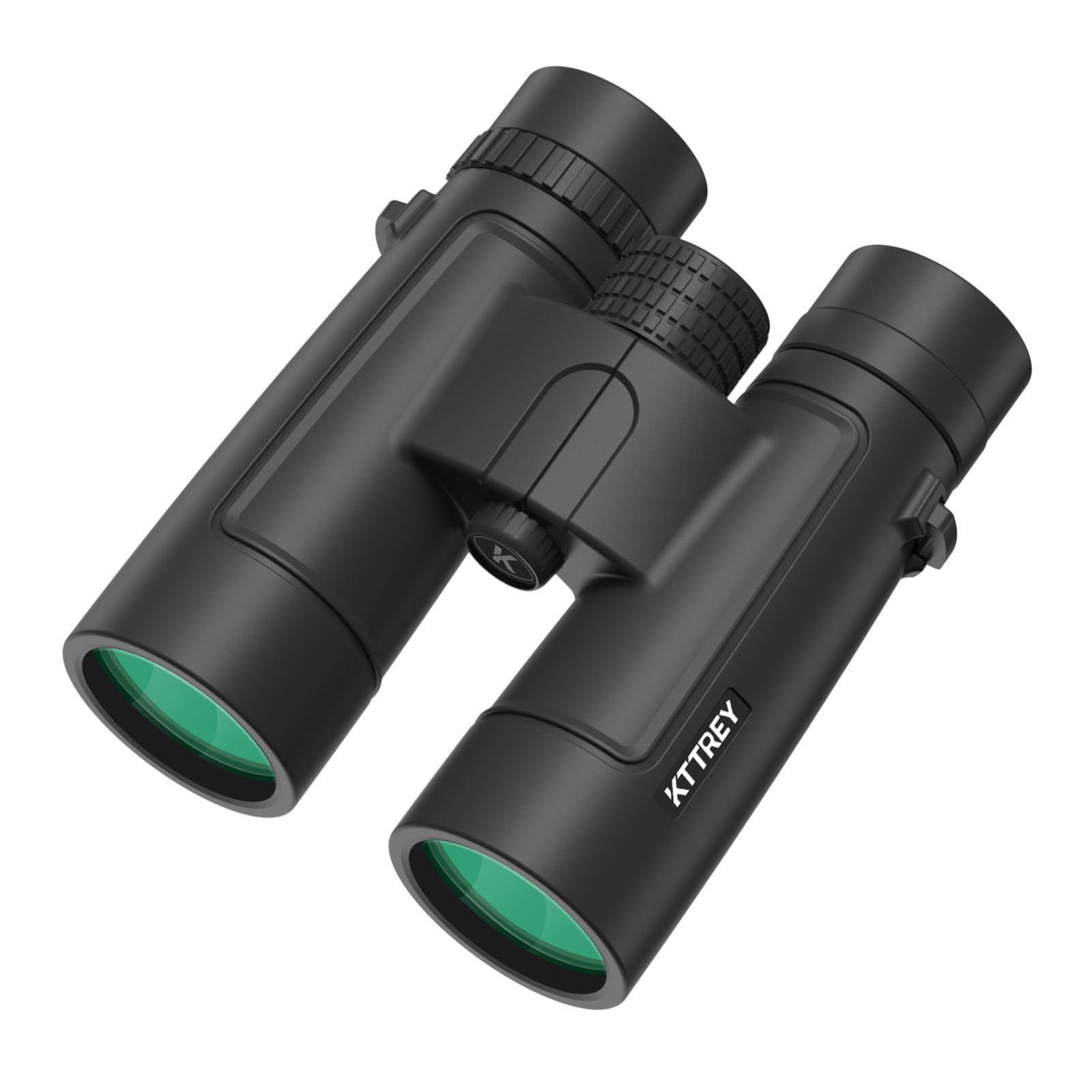

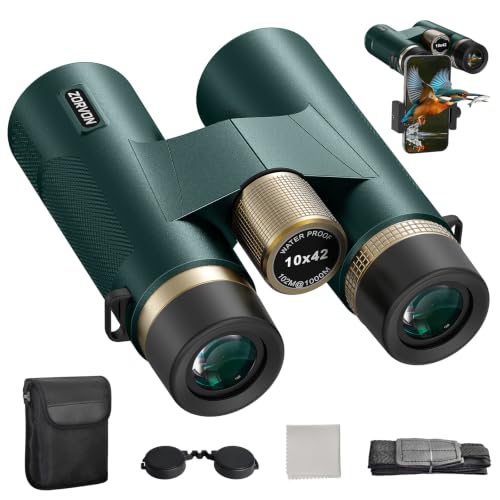

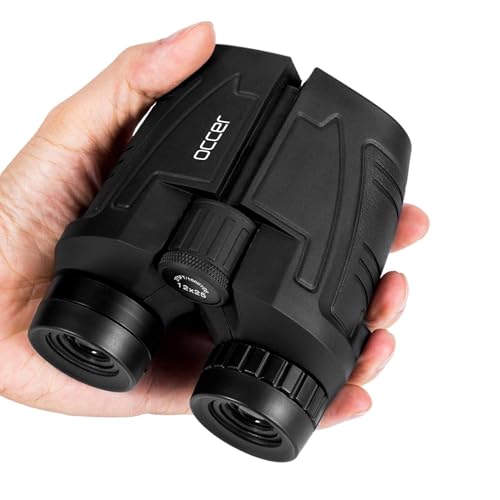
Types of Binoculars Compared
Beginner binoculars differ mainly in size, weight, magnification and lens diameter. Larger lenses gather more light, but they also add weight and bulk. Smaller pairs travel well, but they may show a narrower or dimmer view in low light. The table below gives a quick view of the main options.
| Type | Best For | Pros | Cons | Typical Price |
|---|---|---|---|---|
| Compact Binoculars | Travel and day walks | Light and easy to carry | Dimmer in low light | about $50 to $150 |
| Full Size Binoculars | Bright, steady views | Wide, bright image | Heavier to carry | about $100 to $300 |
| Zoom Binoculars | Changing distances | Flexible magnification | Narrower view at high power | about $80 to $250 |
Compact Binoculars
Compact binoculars use smaller lenses and a folding design to save space in a bag or jacket pocket. They suit day walks, travel and birding trips where weight matters more than maximum brightness. Many beginners like them because they are easy to carry for hours and simple to raise quickly when a bird appears.
The main trade off is brightness in shade, dawn or dusk, since smaller lenses gather less light. A compact pair can still work well in daylight, especially with good lens coatings. Choose this type when portability is your top need and most of your birding happens in open, well lit places. For more travel friendly options, see our guide to the best small binoculars for birding.
Full Size Binoculars
Full size binoculars use larger objective lenses, often around 42 mm, to give a bright and steady image. They suit beginners who want an easy view, a wide field and less eye strain during longer watching sessions. The larger exit pupil also helps when light changes under trees or on cloudy days.
The main drawback is weight, since a full size pair can feel heavy around the neck after a long walk. A padded strap and a balanced shape help a great deal. Choose this type when brightness and comfort matter more than packing small, and when you can carry a little extra weight.
Zoom Binoculars
Zoom binoculars let you change magnification, for example from a wide view for finding birds to a closer view for detail. They suit mixed birding where birds appear at very different distances and you want one pair to cover both jobs. Beginners should check that the zoom control moves smoothly and that focus stays easy at each setting.
The trade off is that the view can grow narrower and dimmer at the highest setting, and hand shake becomes more obvious. A zoom pair works best when you use the lower range most of the time and save high power for still, well lit views. If you want the simplest first pair, a fixed magnification pair is often easier to learn.
Compact Binoculars vs Full Size Binoculars: Which Should You Choose?
Compact binoculars win on weight, packing size and ease of carrying, while full size binoculars win on brightness, field of view and viewing comfort. If you walk long distances or travel light, a compact pair may keep birding enjoyable. If you watch from one spot, walk short trails or bird in shaded woods, a full size pair may show more detail with less strain.
Consider light next, then hand steadiness and budget. Larger lenses help in shade and at dawn, while smaller pairs suit bright, open days. Choose compact for travel and full size for the brightest, most relaxed first experience. If price matters most, see our guide to the best budget binoculars for birding for low cost options that still suit beginners.
How to Choose the Best Beginner Binoculars for Birding
The sections below cover brightness, beginner friendly controls, birding needs, lens size and image quality. Work through them in order when comparing pairs, and note which factors matter most for your usual birding spots. A pair that suits open fields may differ from one that suits shaded woods. Your notes will make the final choice simpler.
Viewing Clarity and Brightness
Brightness depends on lens size, lens coatings and the quality of the prisms inside, not on magnification alone. A modest magnification with large, well coated lenses often looks clearer than a high magnification pair with small lenses. Check the view in shade as well as sunlight, and look for even sharpness across the image rather than a bright center with soft edges.
Beginner Friendly Features That Matter
Beginner friendly features include a smooth central focus wheel, a simple diopter adjustment for your eyes and a comfortable eye relief for glasses wearers. Twist up eyecups help glasses wearers find the full view, while a neck strap and a rain guard protect the pair between sightings. Clear maker instructions also help, since a first pair should not need constant adjustment in the field. If you want a broader starting list, see our guide to the best beginner binoculars.
Features That Matter for Birding
Birding needs quick focus, a wide enough field to find moving birds and enough brightness for shaded trees. Close focus matters when birds perch nearby, and a steady view matters when you follow birds in flight. Water resistance and fog resistance help on damp mornings, while a light, balanced body helps during long walks. Never look at the sun through binoculars, since focused sunlight can injure your eyes in an instant.
Lens and Zoom Range
Magnification is shown first in numbers such as 8x42, where 8 is the magnification and 42 is the objective lens diameter in millimeters. For most beginners, 8x42 offers a good balance of detail, brightness and steadiness. Higher magnification such as 10x42 shows more detail but also magnifies hand shake and narrows the view, so it suits steadier hands and open views. For a closer look at this popular size, see our guide to the best 8x42 binoculars for birding.
Objective Lens Size and Image Quality
Objective lens size affects how much light reaches your eyes, while glass quality and coatings affect contrast and color. Larger lenses help in low light, but they add weight and size. Do not judge a pair by megapixels or camera terms, since binocular image quality comes from optics, coatings and build, not from a sensor. A well made 8x42 pair often beats a cheap high power pair in real field use.
Care and Maintenance Tips
Use a lens cloth, not your shirt, to clean lenses, and blow off dust before wiping to avoid scratches. Carry the pair in a dry, padded bag, keep lens caps on when not watching and store the pair away from heat and damp. Check the strap, hinge and eyecups now and then, and follow maker guidance for cleaning and storage. Follow local wildlife rules, keep a respectful distance from nests and birds, and avoid disturbing wildlife for a closer look.
Before a long trip, check focus, eyecups and strap attachments so small faults do not spoil a day outdoors. Keep a lens cloth in the case and avoid leaving the pair in a hot car, since heat can affect seals and lubricants over time. If the pair gets wet, wipe it dry and let it air before storing it away. Simple care keeps the view clear and the pair ready for the next outing.
Binoculars: Your Questions Answered
What makes binoculars for beginners different?
Binoculars for beginners are different because they favor simple focus, forgiving eye placement and a steady view over extreme magnification or complex controls. A beginner pair should be easy to hold, quick to focus and comfortable for longer sessions. It should also be light enough to carry without fatigue. Advanced pairs may offer wider fields or finer optics, but they often cost more and demand steadier handling.
What features matter most in binoculars for birding?
The features that matter most for birding are quick focus, a wide field of view, good brightness and a comfortable fit in your hands. Close focus helps with nearby birds, while water resistance helps on damp mornings. Eye relief matters if you wear glasses, since it lets you see the full image without pressing the eyecups hard. A padded strap also helps, because a comfortable pair stays in use longer.
Which is better for low light?
A full size pair with larger objective lenses is usually better for low light, since larger lenses gather more light than small compact lenses. Lens coatings and prism quality also affect brightness, so two pairs with the same numbers can still look different. For dawn, dusk or shaded woods, a bright 8x42 pair is a sensible starting point. Avoid very high magnification in low light, since it can make the image dimmer and harder to hold steady.
How much should I spend on my first one?
For a first pair, about $80 to $250 covers many solid beginner options with good optics, water resistance and comfortable handling. Lower cost pairs can work for casual daylight use, but they may show softer edges or dimmer views in shade. Spending more can buy better coatings, smoother focus and a tougher body. Start with a clear budget, then compare brightness and comfort rather than chasing the highest magnification.
Is a smartphone enough instead?
A smartphone is enough for recording a sighting, checking a bird guide or taking a quick photo, but it is not a full replacement for binoculars in the field. Phones use digital zoom that can soften distant detail, and holding a phone steady at high zoom is hard. Binoculars give a bright, direct view with both eyes and help you find birds faster. Many birders carry both, using binoculars to watch and a phone to record notes.
Our Verdict
Start with magnification, lens size and weight, then check focus ease, eye relief and water resistance. A bright, steady 8x42 style pair suits many beginners, while a compact pair suits travelers and long walkers. The picks in the product table can help you compare real options once you know which type fits. For a first pair that is easy to learn and pleasant to use outdoors, the best beginner binoculars for birding are the ones that feel balanced in your hands, focus quickly and keep the view bright in changing light.


