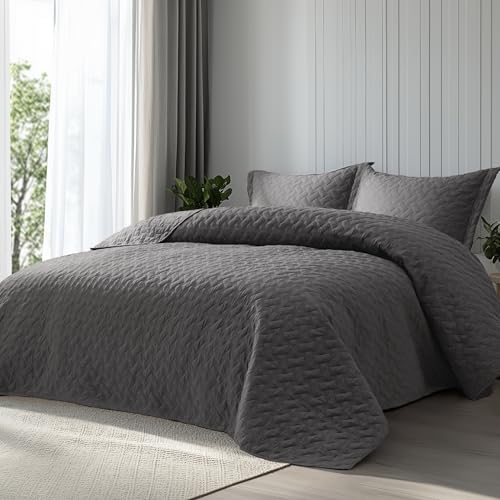
Best Beds and Mattresses for Back Pain: Budget, Midrange, and Premium Picks for 2026
Disclosure: We may earn a commission when you buy through links on this page, at no extra cost to you. As an Amazon Associate I earn from qualifying purchases. Learn more

Compare the best beds and mattresses for back pain by price tier, firmness, support, and trial terms, so you spend on comfort that truly helps your back.
Mattress prices range from a few hundred dollars to several thousand, and a higher price does not automatically mean better sleep for a sore back. This guide to the best beds and mattresses for back pain shows you what each price tier actually delivers, which upgrades change how your spine feels, and which extras you can safely skip. People comparing the best bed mattresses for back pain often focus on firmness alone, but support, sleep position, and trial terms matter just as much.
Use the comparison table below to see how tiers differ, then read the sections that follow before you spend. Back pain also deserves care beyond shopping. If you have numbness, weakness, pain after an injury, fever, or changes in bladder or bowel control, see a doctor promptly rather than trying to solve it with a new bed.
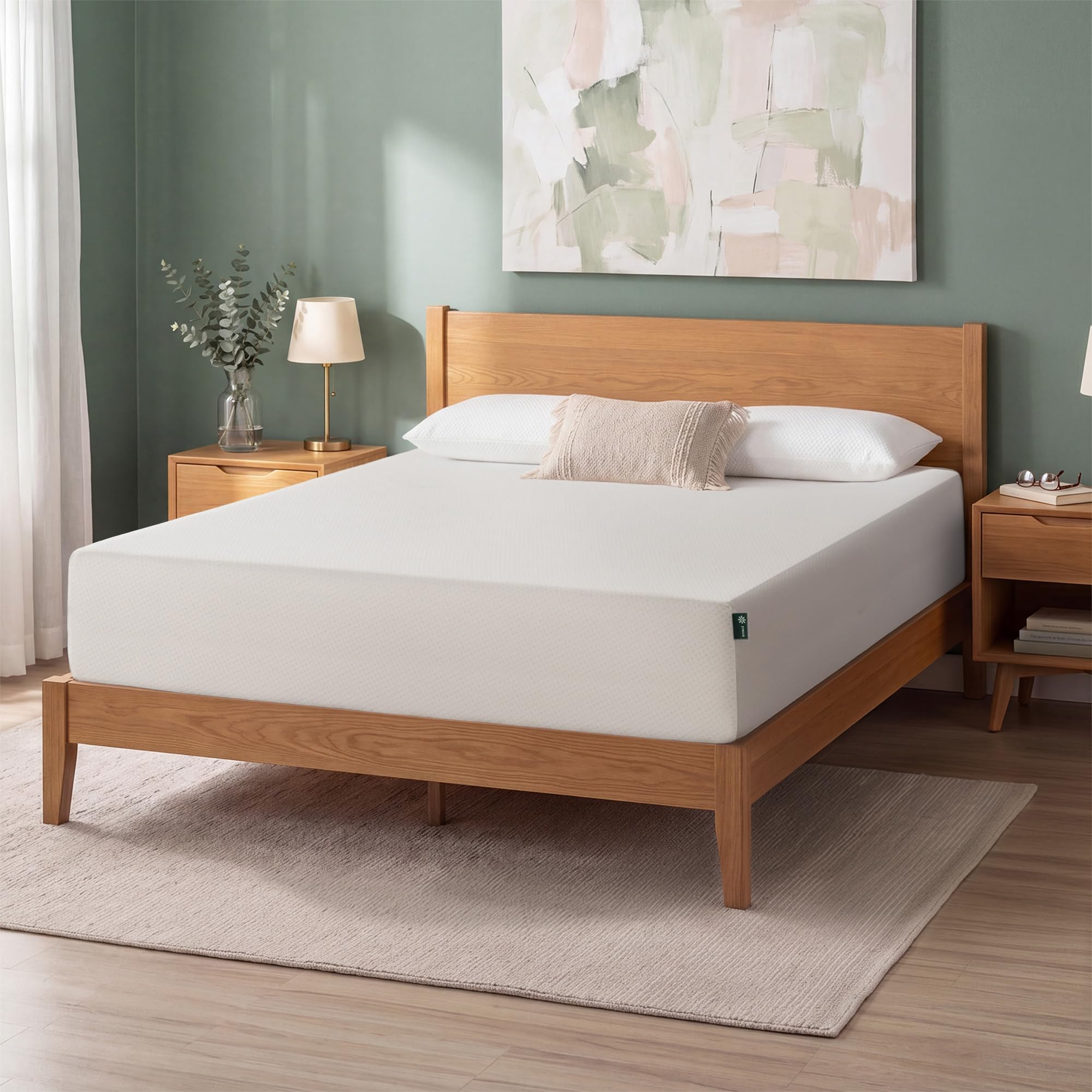


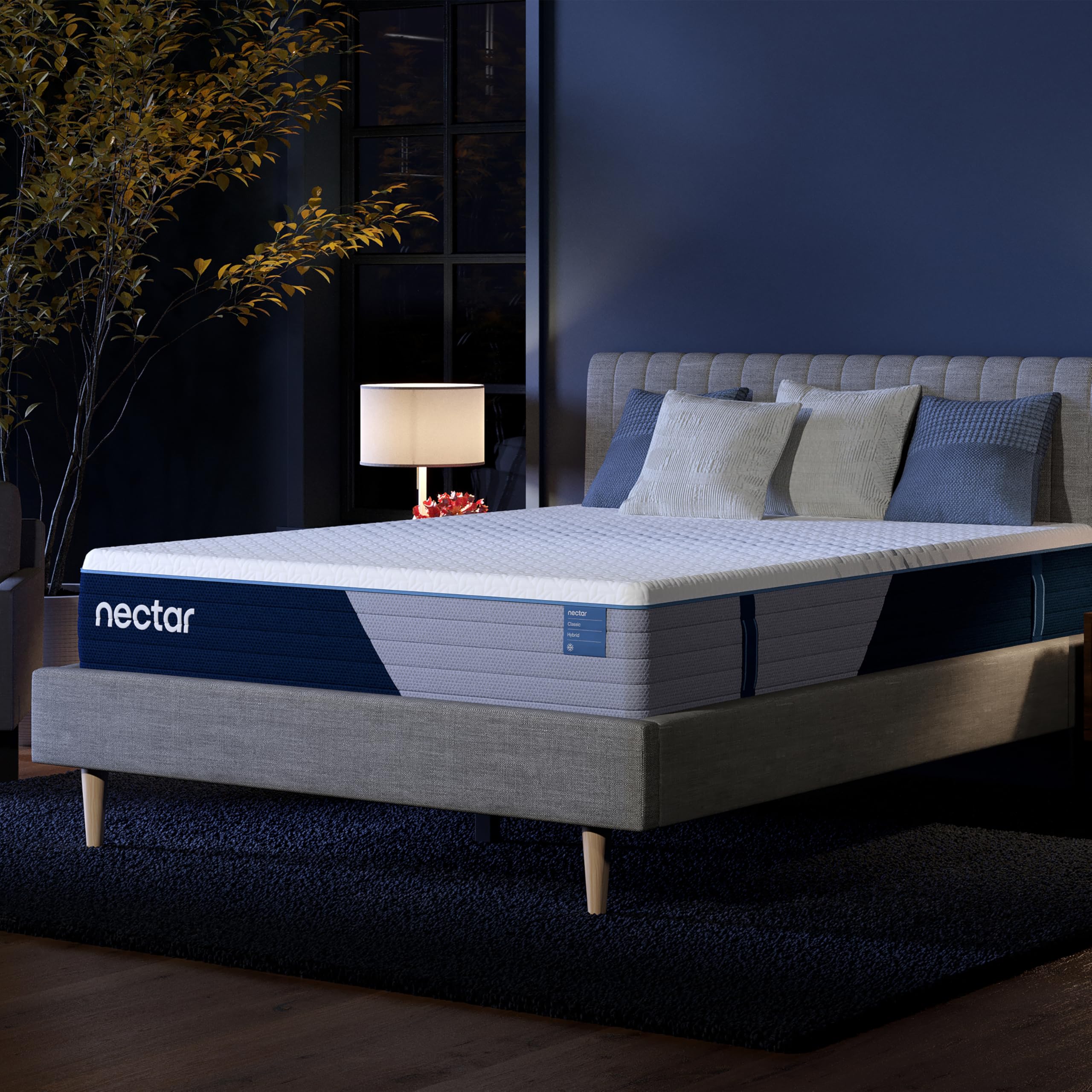
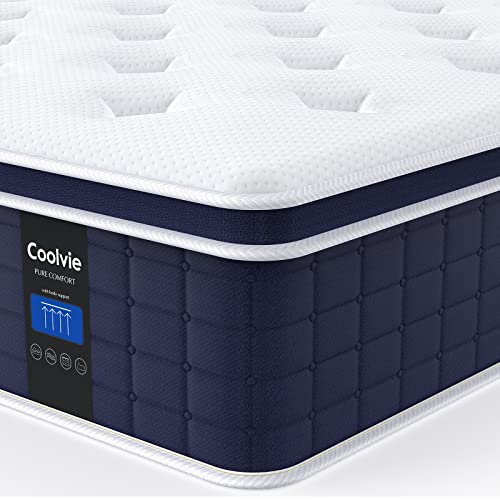


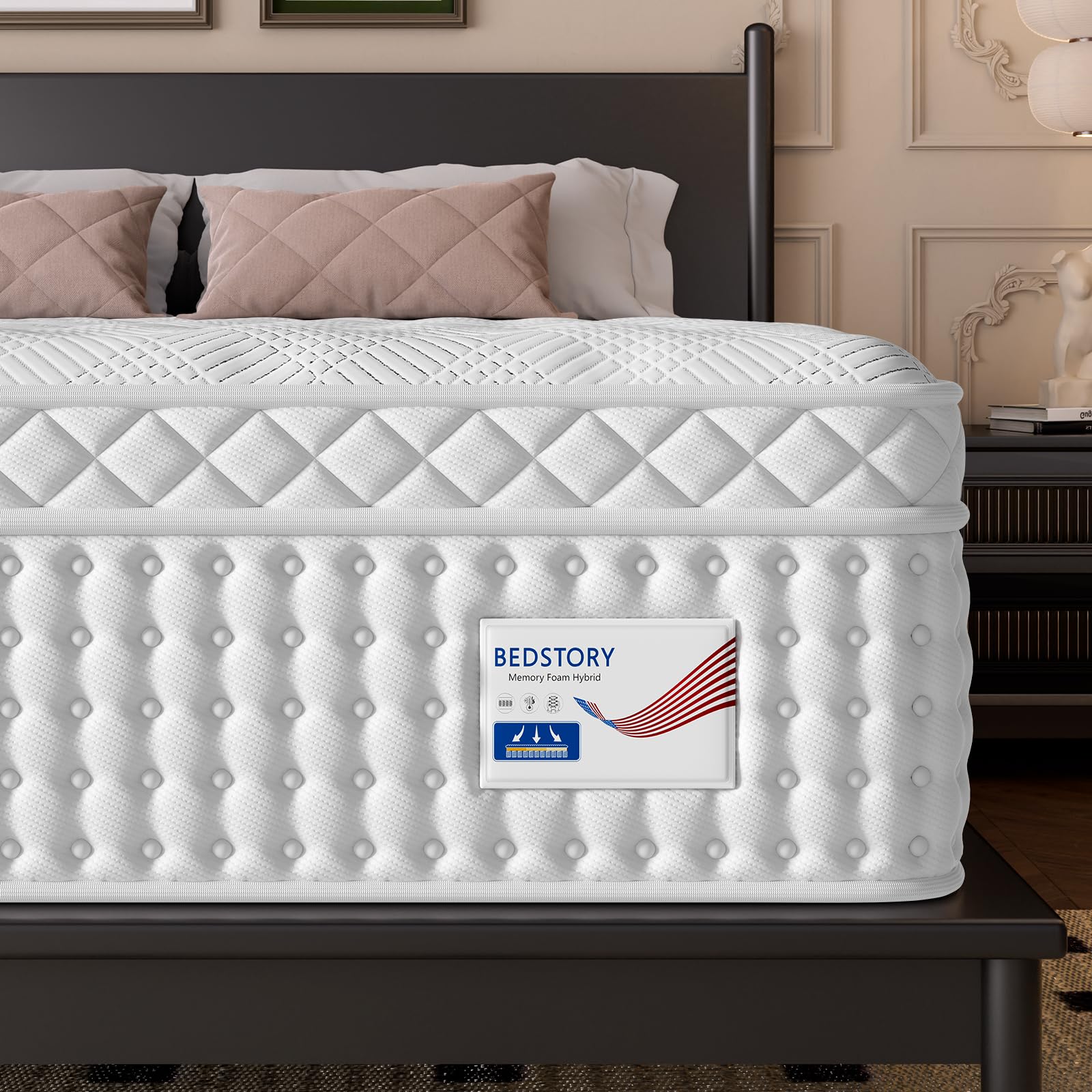
Price Tiers at a Glance
Budget Tier
Budget beds, often about $300 to $700 for a queen, suit guest rooms, first apartments, and buyers who need relief now while saving for a later upgrade. Expect simple foam or basic hybrid builds, thinner comfort layers, and shorter trials. A good budget choice still keeps your spine level and does not sag at the hips. The limit is lifespan. Softer foams in this tier often soften further within a few years, so judge value by trial length and warranty terms as much as by the first night feel.
Midrange Tier
Midrange beds, often about $700 to $1,500 for a queen, are the practical choice for most back pain shoppers. This tier usually adds zoned support, thicker pressure relief layers, and stronger edges, plus a sleep trial long enough to judge real change. Hybrids in this range combine foam comfort with coil support that resists sagging. The main limit is choice overload. Many models feel similar, so your sleep position and body weight should drive the final call rather than feature lists.
Premium Tier
Premium beds, often about $1,500 to $3,000 or more for a queen, can pay off for couples with different needs, heavier sleepers, and people whose pain reacts to small changes in support. Expect durable latex or high density foams, adjustable firmness options on some designs, and longer warranties. The limit is diminishing returns. Past a certain point you are paying for finishes, cooling extras, and brand, not for extra spinal support, so buy premium for construction quality rather than for luxury language.
What Your Money Gets You at Each Price Tier
Budget Tier: What to Expect
At the budget level, put every dollar into support and trial protection. A medium firm feel, a base that does not dip under your hips, and at least a short home trial matter more than cooling covers or thick pillow tops. Simple designs have fewer layers to fail, which can be an advantage. Protect the mattress with a good protector from day one, rotate it as the maker directs, and pair it with a flat and sturdy foundation, because a weak base can make even a decent mattress feel unsupportive.
Midrange Tier: The Sweet Spot for Most Buyers
Midrange money buys the features that most often change back comfort: zoned coils or firmer foam under the hips, pressure relief at the shoulders, and edge support that keeps the full width usable. Trials in this tier often run long enough for your back to adjust, which matters because the first week can feel worse before it feels better. This is also the tier where hybrid designs shine, giving you contour without the deep sink that can twist the lower back.
Premium Tier: When Spending More Pays Off
Spending more pays off when it buys durability and adjustability you will use for a decade. Natural latex resists sagging, split firmness designs let couples tune each side, and reinforced support zones help heavier sleepers keep spinal alignment. It does not pay off when the upgrade is only a thicker cover or a more elaborate story. Ask what is physically different inside the bed, how long the trial runs, and what the warranty covers when sagging appears.
Readers whose pain extends beyond the lower back can compare our guide to the best mattresses for back problems for a broader look at support designs.
Features Worth Paying For and Ones to Skip
Certifications
Certifications such as CertiPUR US for foams and OEKO TEX for fabrics tell you the materials were checked against limits for certain chemicals and emissions. They do not prove a mattress will help your back, but they do reduce guesswork about what you are breathing near for eight hours a night. At the budget tier, one recognized foam certification is a reasonable expectation. At higher tiers, look for clear disclosure of each layer rather than vague claims about purity or wellness.
Support, Pressure Relief, and Edge Support
Support keeps your spine in a straight line from the side view, while pressure relief cushions shoulders, hips, and knees so you do not toss to escape sore spots. You need both, in balance. A bed that is only firm can create pressure pain, and a bed that is only soft can let hips sink and strain the lower back. Edge support matters if you sit on the side of the bed to dress or share the full surface, because collapsing edges shrink your usable sleep space.
Material and Fill
Memory foam contours closely and relieves pressure but can sleep warm and make movement slower. Latex feels springy, durable, and easier to move on, which many back pain sleepers prefer. Hybrids pair foam or latex comfort with coils for airflow and support. Innerspring beds feel firm and cool but may lack pressure relief without a good comfort layer. Judge material by your sleep position and temperature, not by fashion, and treat thread count claims on included bedding as a minor detail.
Features That Matter for Back Pain
Back pain shoppers should look for a level sleep surface, firmer support under the hips and lower back, and enough surface cushioning to prevent pressure points. Zoned construction, where the middle third is firmer, directly addresses the heaviest part of the body. Avoid deep sagging, hammock shapes, and very soft pillow tops that let the midsection drop. Your pillow also matters, since a pillow that pushes the head far forward can undo good spinal alignment from the mattress below.
Firmness and Sleep Position
Back sleepers usually do well with medium firm support that fills the curve of the lower back without lifting it. Side sleepers need a little more softness at the shoulder and hip while keeping the waist supported, so medium to medium firm often works. Stomach sleepers need firmer support to stop the belly from pulling the spine into an arch. Heavier sleepers should choose firmer and thicker builds, while lighter sleepers may find firm models create pressure because they do not sink in enough to engage the support layers.
If firm designs interest you most, see our guide to the best firm mattresses for back pain for how firmness scales differ between brands.
Long Term Costs to Factor In
The mattress price is only part of the cost. Budget for a suitable foundation or adjustable base, a waterproof protector, and pillows that match your sleep position. Delivery, old mattress removal, and return fees on a failed trial can add up, so read those terms before ordering. A durable midrange bed kept for ten years often costs less per year than a cheap bed replaced after four. Warranty value depends on the sag depth the maker accepts as a defect, so check that number rather than counting warranty years alone.
For combined pain patterns, compare our guide to the best mattresses for back and hip pain, our guide to the best bed mattresses for bad backs, and our guide to the best mattresses for back and neck pain before you settle on firmness.
FAQs
What features matter most in beds and mattresses for back pain?
Level support under the hips, pressure relief at contact points, and a trial long enough to judge real change matter most. Zoned support and a sturdy foundation help keep the spine straight through the night. The best bed mattresses for back pain are rarely the softest or the firmest in the store. They are the ones that hold your midsection up while letting shoulders and hips settle just enough.
How do I wash beds and mattresses safely?
You do not wash a mattress itself. You protect it. Use a washable protector, launder sheets weekly in warm water, and spot clean stains with a small amount of mild detergent, then dry the area fully before remaking the bed. Vacuum the surface with an upholstery tool when you rotate it. Keeping moisture out of the foam protects both hygiene and support, since damp foam degrades faster and can develop odors that are hard to remove.
What firmness is best for back pain?
Medium firm suits the widest range of back pain sleepers, because it supports the hips while cushioning pressure points. Side sleepers may prefer a touch softer, stomach sleepers a touch firmer, and heavier sleepers should lean firmer than the label suggests. Use the trial honestly. If pain is clearly worse after two to three weeks of adjustment, exchange firmness rather than hoping your back will surrender to a poor match.
How often should I replace my bed and mattress?
Most mattresses serve well for about seven to ten years, depending on materials, body weight, and care. Replace yours sooner if you see visible sagging, feel coils or lumps, or wake with pain that fades as the day goes on, which is a classic sign the bed is part of the problem. Latex and quality hybrids tend to outlast basic foam. A topper can buy a little time, but it cannot restore a failed support core.
Is a higher thread count always better?
No. Thread count describes bedding fabric, not mattress support, and very high counts can be inflated by multi ply yarns. For sheets, fiber quality and weave matter more than a big number, and breathable cotton often feels better than dense high count fabric. For back pain, spend your attention and budget on the mattress layers, foundation, and pillow. Sheets affect surface comfort and temperature, but they cannot fix a sagging bed.
Final Thoughts
Choose your tier by durability and trial terms, match firmness to your sleep position and weight, and demand level support under your hips. Those decisions shape back comfort far more than luxury extras. When a set of best beds and mattresses for back pain options meets those tests, compare them in the product table above, and talk with your clinician about personal needs if pain persists or worsens.