Best Bed Mattresses for Bad Backs 2026 Buying Guide
Disclosure: We may earn a commission when you buy through links on this page, at no extra cost to you. As an Amazon Associate I earn from qualifying purchases. Learn more
Learn how to choose bed mattresses for bad backs by firmness, support, and sleep position. Find one that keeps your spine aligned and eases stiffness.
Choosing best bed mattresses for bad backs is one of the most personal purchases you can make, because the right firmness depends on your body, your sleep position, and your pain pattern. A mattress that keeps your spine in a neutral line will usually feel better than one that is simply hard or soft. This guide explains how to judge support and firmness wisely, and the product table lists mattresses to shortlist.
Back pain has many causes, and a mattress can help comfort but cannot diagnose or treat a medical condition. If you notice numbness, weakness, bladder or bowel changes, fever, or pain after a fall, seek prompt medical advice. Use this guide for comfort and support choices, and talk with your clinician about persistent pain.
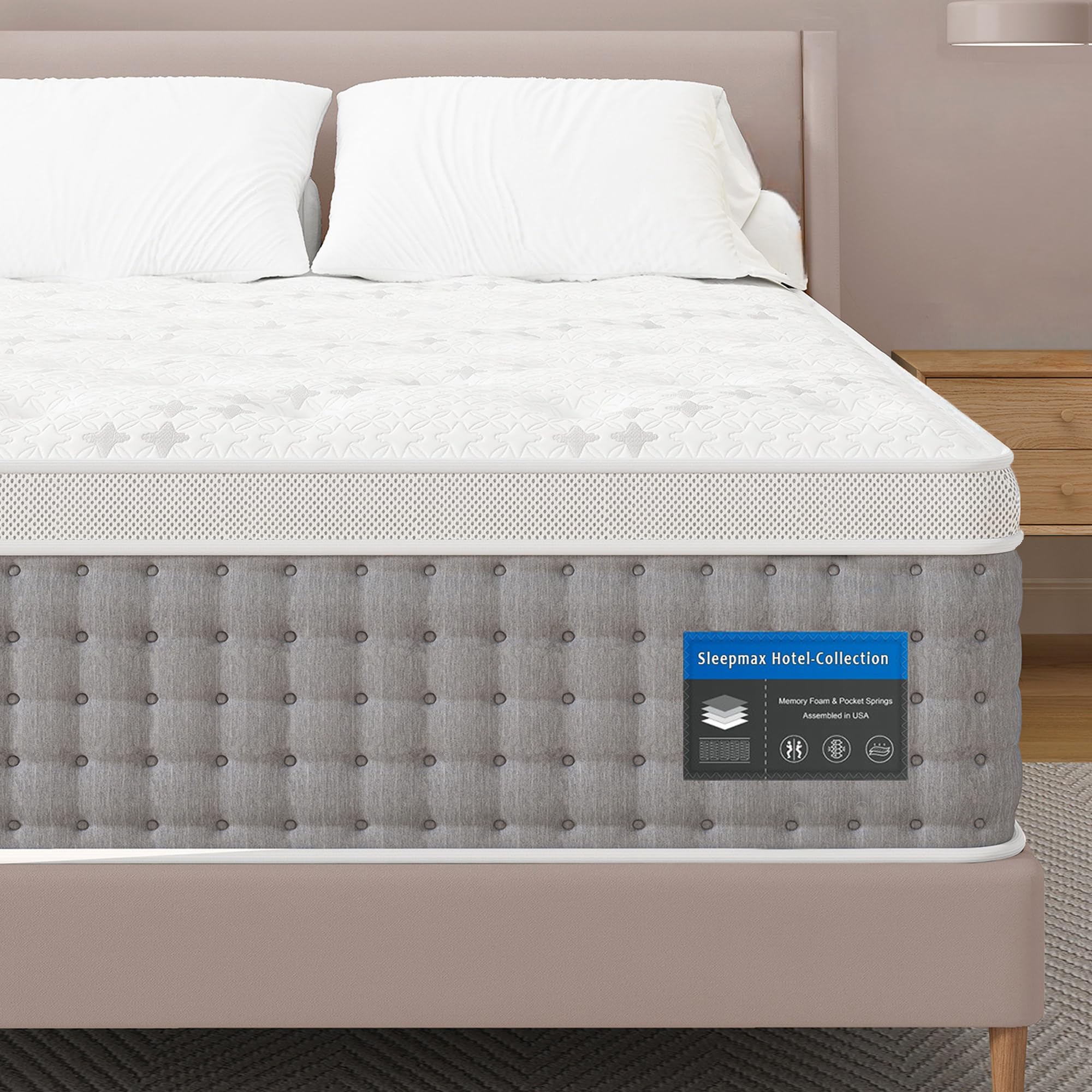

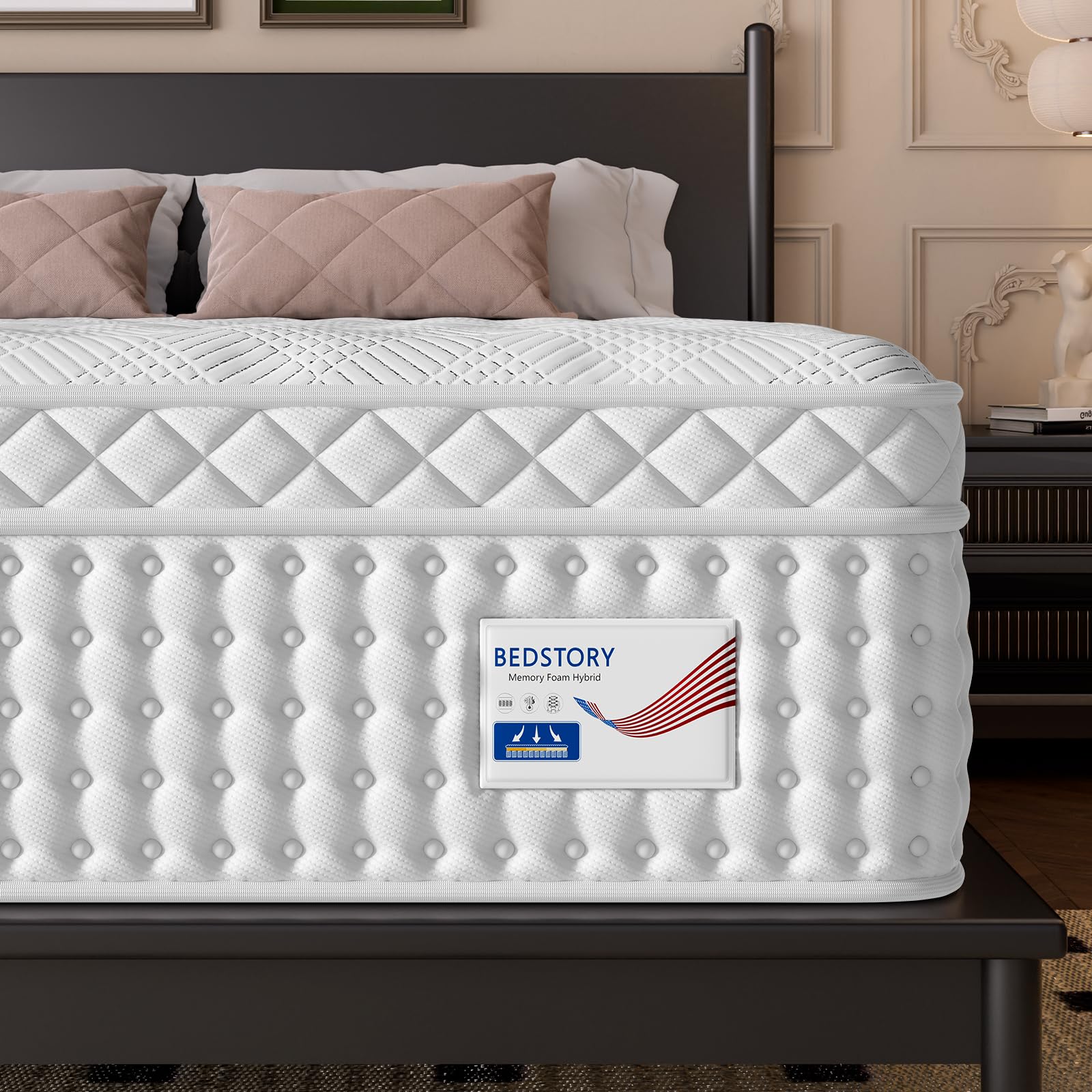

Firmness Versus Support
Firmness describes how the surface feels, while support describes how well the mattress holds your spine aligned. A very hard mattress can still fail to support the waist, leaving the lower back unsupported. A softer mattress can support well if its layers fill the waist gap.
Most people with back pain do well on a medium to medium firm mattress, though body weight and sleep position shift the ideal. Heavier sleepers usually need firmer support, while lighter sleepers may prefer a softer surface. Lie in your usual position for several minutes to judge it.
Sleep Position and Spinal Alignment
Side sleepers need enough give at shoulders and hips so the spine stays straight. A mattress that is too firm pushes the shoulder up and twists the spine. Back sleepers need support under the lower back without a gap, while stomach sleepers need a firmer surface to stop the hips sinking.
Ask someone to check your alignment from behind while you lie down. Your spine should look fairly straight, not sagging or arched sharply. Pillow height matters too, since a wrong pillow can undo good mattress support.
Mattress Types for Back Pain
Memory foam contours to the body and relieves pressure, but some sleepers find it sleeps warm or feels hard to move on. Latex feels responsive and cooler, with a gentle bounce that suits combination sleepers. Hybrid mattresses combine coils for support with foam for pressure relief.
Innerspring mattresses feel firmer and cooler, with strong edge support, but may transfer motion more. Adjustable bases let you raise the head or legs, which some back pain sufferers find helpful. Try types in person when possible, since feel varies widely.
Trial Periods and Trying a Mattress at Home
A home trial of several weeks gives a fairer picture than a few minutes in a shop. Your body needs time to adjust, and pain patterns may take days to settle. Keep notes on morning stiffness, night waking, and daytime soreness during the trial.
Check return terms before buying, including who pays return shipping and whether a restocking fee applies. Use a mattress protector during the trial to keep return options open. Do not judge a mattress on one bad night, since many factors affect sleep.
When to Seek Professional Advice
Seek prompt advice for numbness, weakness, loss of bladder or bowel control, fever with back pain, or pain after an injury. These warning signs need medical assessment, not a new mattress alone. Persistent pain that lasts weeks, worsens at night, or limits daily life also deserves clinician input.
A clinician or physiotherapist can advise on sleep position, pillows, and activity alongside mattress choice. Closing advice: talk with your clinician about ongoing back pain before relying on any mattress change.
Related Buying Guides
For a related angle, see our guide to best mattresses for bad backs. For a related angle, see our guide to best mattresses for back problems. For a related angle, see our guide to best firm mattresses for bad backs. For a related angle, see our guide to best mattresses for bad lower backs. For a related angle, see our guide to best mattresses for bad backs and hips.
Bedroom Setup Beyond the Mattress
Your bed base affects mattress performance, since a sagging base undermines even a good mattress. Slatted bases need slats close enough to support the mattress evenly, usually no more than a few inches apart. A solid base suits foam mattresses, while a sprung base can soften a firm mattress slightly.
Bed height matters for getting in and out, especially with back pain. A bed that is too low forces deep bending, while one that is too high makes sitting and swinging legs difficult. Aim for a height where your feet rest flat on the floor when seated on the edge.
Daily Habits That Support Your Back
Sleep position habits matter alongside mattress choice, since even a good mattress cannot fix a twisted sleep posture. Try sleeping on your side with a pillow between your knees, or on your back with a pillow under your knees, to ease lower back strain. Avoid sleeping on your stomach if it worsens pain.
Morning stiffness often eases with gentle movement before heavy activity. Stretch slowly after waking, and avoid sudden lifting until your back loosens. If stiffness lasts most of the day or worsens over weeks, talk with your clinician rather than only changing bedding.
Before You Buy Checklist for a Back Friendly Mattress
A mattress for a bad back must support alignment, not merely feel hard or soft. Use this list alongside a fair home trial.
- Firmness in the medium to medium firm range as a starting point
- Support fills the waist gap when lying in your usual position
- Spine looks fairly straight when checked from behind
- Mattress type suits your sleep style, whether foam, latex, hybrid, or spring
- Pillow height checked together with the mattress
- Trial period of several weeks available, with clear return terms
- Bed base slats close enough to support the mattress evenly
- Bed height allows easy getting in and out without deep bending
Keep notes during the trial on morning stiffness and night waking, and seek clinician advice for warning signs.
Mattress Shopping Mistakes to Avoid
One common mistake is buying purely on firmness labels, since firmness varies between brands and says little about support. Two mattresses labeled medium firm can feel very different, so judge support in your sleep position rather than trusting labels. Lie down for several minutes and check spinal alignment honestly.
Another mistake is shopping while tired or rushed, since a quick showroom bounce tells you little about a full night sleep. Use home trials whenever possible, and keep notes over weeks rather than judging by one night. A mattress that feels impressive for five minutes may disappoint over months.
A third mistake is ignoring the base, since a sagging or widely spaced slatted base undermines even a premium mattress. Check slat spacing and base condition before blaming a new mattress for poor support. Replacing a worn base can transform an existing mattress.
Finally, many buyers ignore pillows, yet pillow height and firmness shape neck and spine alignment as much as the mattress does. Try pillow and mattress together, and replace pillows that have flattened or lost support. A complete sleep system beats a single expensive component.
Frequently Asked Questions
Is a firm mattress always better for a bad back?
Not always, since very firm mattresses can leave the waist unsupported and increase pressure points. Most people do better on medium to medium firm support that keeps the spine neutral. Your weight and sleep position matter more than a simple firm label.
Memory foam or hybrid for back pain?
Memory foam relieves pressure and contours well, while hybrids add coil support and easier movement. Combination sleepers often prefer hybrids, while still sleepers may prefer foam. Try both if possible, since personal comfort varies widely.
How long should I trial a mattress for back pain?
A trial of at least three to four weeks gives your body time to adjust and reveals patterns in morning stiffness. Keep simple notes on sleep quality and pain during the trial. Check return terms in advance so you can act within the window.
Can a mattress topper help a bad back?
A topper can soften a too firm mattress or add pressure relief, but it cannot fix a sagging or unsupportive base. If the mattress sags visibly, a topper will follow the sag. Replace a worn mattress rather than masking it with a thick topper.
What pillow height suits back sleepers?
Back sleepers usually need a low to medium pillow that supports the neck without pushing the head forward. Side sleepers need a thicker pillow to fill the shoulder gap. Try pillow and mattress together, since they work as a system.
Final Thoughts
Judge support in your own sleep position, use a fair trial, and seek clinician advice for warning signs or persistent pain. That careful path through best bed mattresses for bad backs gives you the best chance of waking more comfortably.