Best Bedroom Slippers for Elderly: Everything to Know Before Your First Purchase for 2026
Disclosure: We may earn a commission when you buy through links on this page, at no extra cost to you. As an Amazon Associate I earn from qualifying purchases. Learn more

Shopping for the best bedroom slippers for elderly for the first time? Learn the terms, compare options, and avoid rookie mistakes with this easy guide.
Buying slippers for an older adult is different from buying them for yourself at a younger age. Balance, foot swelling, thinner skin, and the effort of bending down to pull on a shoe all shape what will actually get worn. This beginner friendly guide to the best bedroom slippers for elderly wearers starts with plain language basics, then moves step by step toward a safe and comfortable choice.
You do not need to learn every footwear term. You only need the few that affect safety and comfort at home, and you will find them explained below. Use the comparison table below to see common styles side by side as you read.
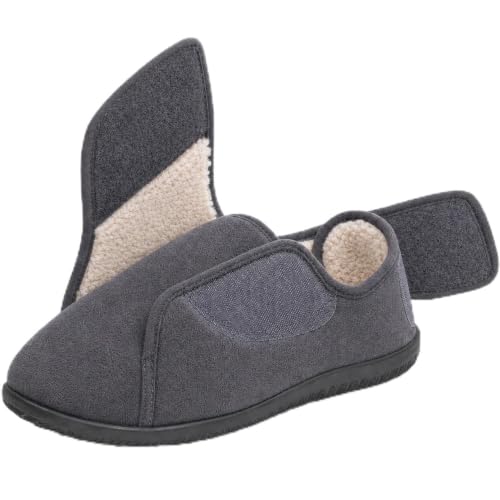
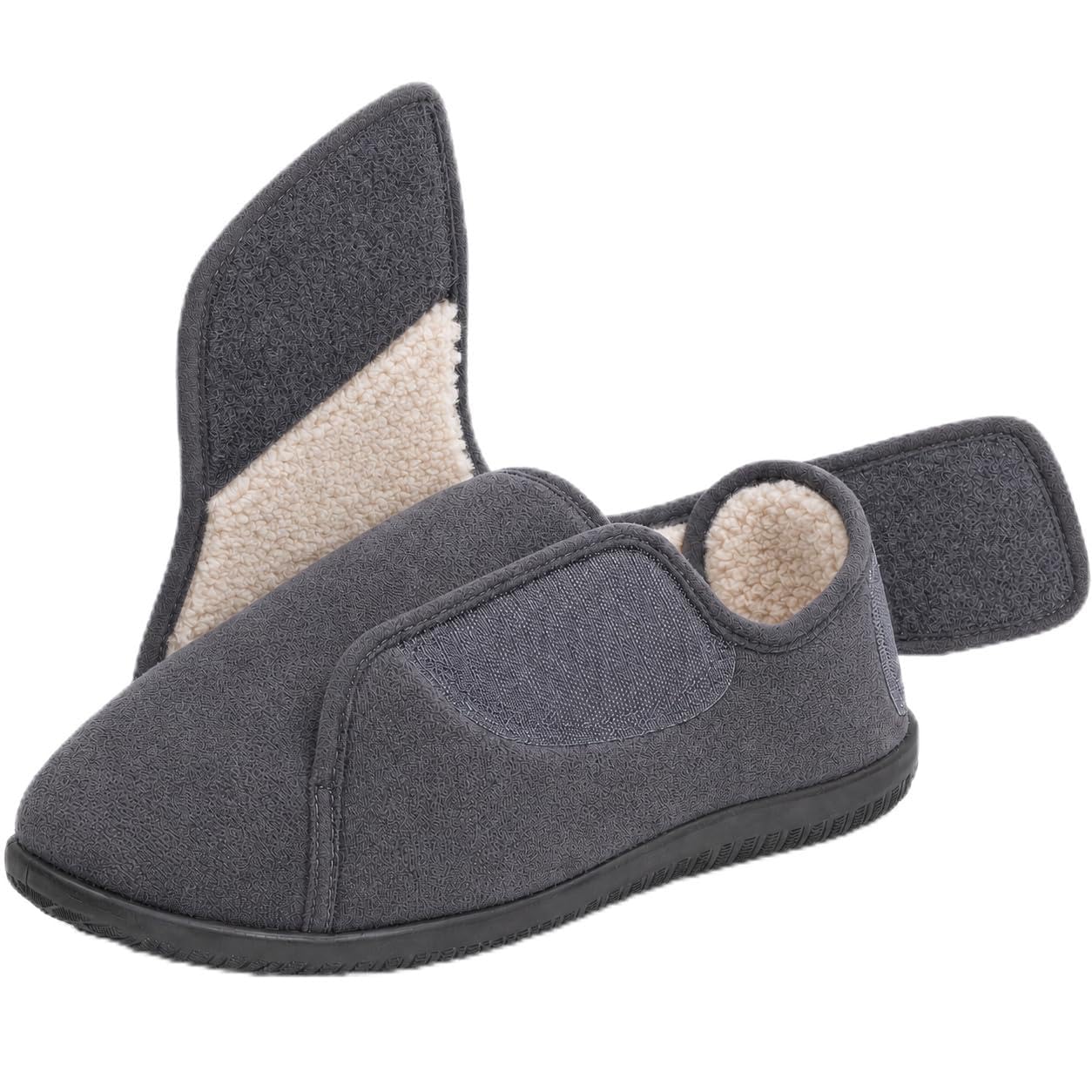


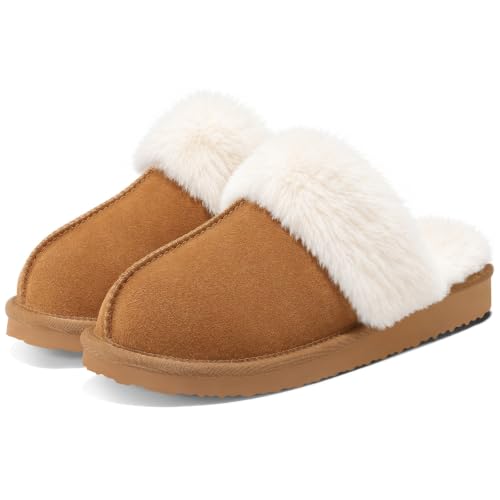


Bedroom Slippers 101: The Basics
A bedroom slipper is a soft indoor shoe meant for short walks inside the home, from bed to bathroom, kitchen, and living room. Unlike outdoor shoes, slippers trade weather protection for ease of use, warmth, and a gentle fit. The main parts are simple. The upper covers the top of the foot, the insole is the surface your foot rests on, and the outsole is the bottom layer that touches the floor.
For older adults, those parts carry extra weight. The outsole decides grip on tile and wood, which affects fall risk. The upper decides whether swollen feet can enter the slipper without force. The insole decides whether standing at the sink or stove stays comfortable. A closed heel or a heel strap often helps the slipper stay on during walking, while a fully open back can slide on stairs. Keep those jobs in mind and the rest of the terms below will make sense.
For a general overview of styles before you narrow down, see our guide to the best bedroom slippers and note which shapes look easiest to put on.
Key Specs Explained in Plain English
What Seniors Should Look For
Start with three priorities: a sole that grips, an opening that is easy to enter, and a fit that stays secure without squeezing. Wide openings, adjustable straps, and low heels help people with limited bending, arthritis, or swelling. Avoid tall plush soles that feel wobbly, and avoid smooth fabric bottoms on hard floors. If the wearer uses a walker or cane, secure fit matters even more, because a loose slipper can catch or slide at the exact moment weight shifts.
Fit, Sizing, and Toe Box
Measure feet in the afternoon or evening, when swelling is greatest, and measure both feet because they often differ. Choose the size for the larger foot. The toe box should let toes lie flat and spread a little, with no pressure on bunions, hammer toes, or sore joints. Many older adults do better in a wide fit even if they wore regular widths when younger, because feet often widen with age. Check that the heel does not slip out with each step.
Cushioning and Support
Cushioning is the padding that softens each step on hard floors. Support is the shaping that keeps the foot stable on top of that padding. You want both. Foam that is too soft lets the foot sink and roll, while a hard flat insole can ache under the heel. A gentle arch, a cupped heel, and a modest heel to toe drop, where the heel sits slightly above the toes, give most seniors a stable and natural stance for indoor walking and standing.
Break In Period and Comfort Out of the Box
Good slippers for older adults should feel comfortable almost right away. A short adjustment of a day or two is normal as the upper relaxes, but pain, rubbing, or pressure points are not a normal stage to push through. Thinner skin tears and blisters more easily, and healing can be slow. Try new pairs indoors for short periods first, check the skin afterward for red marks, and exchange sizes or styles if you see rubbing rather than hoping the material will stretch a lot.
Waterproofing and Membranes
Full waterproofing is rarely needed indoors, and membranes such as Gore Tex are uncommon in bedroom slippers. What matters more is a sole that still grips when the bathroom floor is damp and an upper that dries after small splashes. Sealed and heavy uppers can trap heat and make feet sweat, which softens skin and raises the chance of slipping inside the slipper. For most homes, a rubber outsole and a quick drying upper are the practical combination.
Rookie Mistakes to Avoid
- Buying only for softness. The softest slipper is often the least stable, and stability is what protects against falls on hard floors.
- Choosing a fabric sole. Smooth cloth bottoms slide on tile, wood, and laminate, especially when floors are slightly damp.
- Ignoring swelling. A pair that fits in the morning may squeeze by evening, so sizing and adjustability must allow for daily change.
- Picking a loose open back for stair use. A slipper that slides at the heel can come off mid step, which is dangerous on stairs.
- Skipping the return policy. Fit can only be judged by walking at home, so an easy exchange for size or width is part of a safe purchase.
If you are comparing options made specifically for older wearers, see our guide to the best slippers elderly readers often consider alongside bedroom styles.
Getting Started: Setup and First Use
When the box arrives, check both slippers for even soles, secure stitching, and straps that fasten without great force. Put them on while seated, adjust any strap so the foot feels held but not tight, and stand up slowly while holding a stable surface. Walk first on carpet, then on the hardest floor in the home, and finally try a careful turn, because turning is when loose slippers often twist.
Wear the new pair for short periods over the first few days and look at the feet afterward. Redness that fades within minutes is common with a new strap, but marks that linger, swelling, or new pain mean the fit needs attention. Air dry wet slippers away from direct heat to protect the foam and sole. Keep a clear path from bed to bathroom at night, since even good slippers cannot prevent a fall caused by clutter in the dark.
For women shopping with swelling or width needs in mind, see our guide to the best women's slippers for elderly and our guide to the best women's bedroom slippers for more fit notes.
Bedroom Slippers: Your Questions Answered
What makes bedroom slippers for seniors different?
Safety and ease of use come first. Senior focused slippers tend to have grippy rubber soles, wide and adjustable openings, low and stable heels, and room for swelling or orthotic inserts. Regular fashion slippers often focus on plush looks with smooth soles and narrow fits. For an older wearer, a secure heel and a sole that holds on damp tile matter far more than extra padding piled on top.
Do I need waterproof shoes?
No, full waterproofing is not needed for normal indoor wear. What you do need is grip on damp floors, because bathrooms are a common fall location. A rubber outsole with grooves and an upper that dries quickly handles splashes well. Reserve waterproof styles for regular walks to a laundry room, garage, or porch where floors stay wet, and accept that they will feel warmer and less breathable at home.
Are expensive bedroom slippers worth it?
They can be, when the extra cost buys a real rubber outsole, adjustable fit, and foam that keeps its shape. For daily wear, those features affect safety and comfort every single day. Price alone proves nothing, though. A costly plush pair with a smooth sole is a poor buy for an older adult, while a modest pair with grip, width options, and a secure heel can be the smarter purchase.
How long is the break in period?
Expect little to no break in period. The slipper should feel secure and comfortable during the first indoor walk, with at most a day or two of mild adjustment as materials relax. Pain, rubbing, or heel slipping should not be waited out. Older skin heals slowly, so treat early discomfort as a fit problem and try another size or style rather than risking a blister.
How often should I replace my bedroom slippers?
Replace them when the tread smooths, the sole feels thin under the heel, or the upper stretches so much that the foot slides inside. For daily wear that is often about every six to twelve months. Do not wait for a visible hole. Grip and cushioning fade before the slipper falls apart, and for an older wearer that loss of grip is the real reason to replace the pair.
How should bedroom slippers fit?
They should hold the heel gently, leave room for toes to lie flat, and allow a little space for evening swelling without letting the foot slide forward. Straps should fasten without digging in. Try them at the end of the day, stand and walk on hard flooring, and check that the slipper stays on during a slow turn and a short walk to the bathroom and back.
Can I wear them all day?
Supportive slippers with a firm sole can be worn for much of the day at home, but very soft flat styles are better limited to shorter periods. Change into outdoor shoes for errands, and rest with feet up if swelling builds. Stop and talk with a clinician if you notice new foot pain, numbness, skin breakdown, or repeated near falls, since those can signal a medical issue beyond footwear.
The Bottom Line
Put grip, secure fit, and easy entry ahead of plush looks, and you will avoid most poor choices. Measure in the evening, favor wide and adjustable styles, and check new pairs carefully at home. When a pair of best bedroom slippers for elderly wearers truly fits those needs, compare it with the options in the product table above, and talk with their clinician about any personal foot or balance concerns before daily use.