Best Bedding Sets For Hot Sleepers 2026: Buying Guide
Disclosure: We may earn a commission when you buy through links on this page, at no extra cost to you. As an Amazon Associate I earn from qualifying purchases. Learn more

Hot sleepers need breathable bedding that stays cool and dry. Learn how to compare fibres, weave, weight, and washing for cooler nights and rest.
Hot sleepers often wake up damp, restless, or tangled in heavy covers. The right bedding set can help by letting heat escape, wicking moisture, and staying light through the night, so the best bedding sets for hot sleepers are chosen for fiber and weave first. Small changes there can make a bigger difference than a new mattress alone.
This guide compares bedding sets for hot sleepers by fiber, weave, weight, and care. The comparison table below gives a quick overview, and the sections that follow explain how to build a cooler bed from sheets to duvet. The goal is steady, dry comfort, not a cold room.

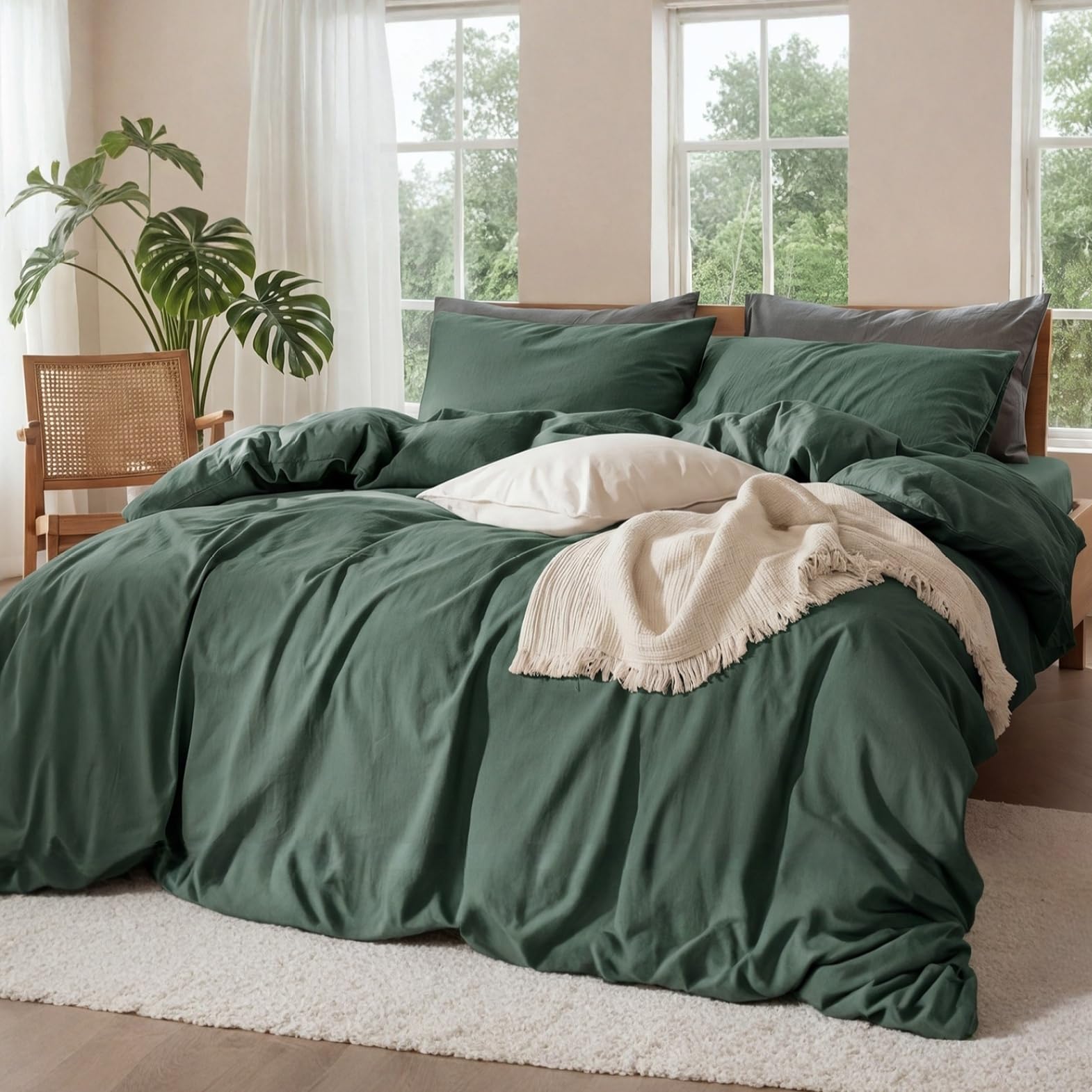


Who Should Buy
Bedding sets for hot sleepers suit people who feel warm at night, sweat during sleep, or live in warm climates. They also help couples when one partner sleeps hot and the other sleeps cool, since lighter layers are easier to adjust. If you sleep cold, a heavier set may suit you better.
Think about your room temperature, your mattress type, and your sleep clothes. Foam mattresses can trap heat, so breathable bedding matters even more on those beds. Light sleep clothes and a breathable mattress protector also help the bedding work well.
These sets are less ideal for very cold winters unless you add layers. A light summer set plus a separate blanket gives more flexibility than one heavy set used all year. Layering lets you adjust night by night as seasons change.
Key Features to Compare
Fiber choice is the first step. Cotton, linen, bamboo derived fibers, and some performance blends breathe well and wick moisture. Look for fibers that feel cool to the touch and dry quickly, and avoid heavy synthetic fills that trap heat unless they are made for cooling.
Weave and weight shape airflow. Percale cotton feels crisp and airy, while sateen feels smoother but can feel warmer. Linen feels textured and breathes well, though it wrinkles more. A lighter duvet or a flat sheet alone may suit the warmest nights.
Fit, care, and durability also matter. Deep pockets help sheets stay on thick mattresses, and easy washing matters because hot sleepers wash bedding often. Check washing temperature and drying guidance, since high heat can damage fibers and reduce breathability over time.
Types Compared
Light cotton sets are the most popular choice for hot sleepers. Percale cotton feels crisp, washes well, and suits most budgets. Cotton blends can add softness, but check the fiber mix, since a high synthetic share may reduce airflow.
Linen sets breathe very well and feel cool in warm rooms, though they cost more and wrinkle easily. They soften with washing and suit buyers who value airflow over a smooth look. Linen also dries quickly, which helps after washing.
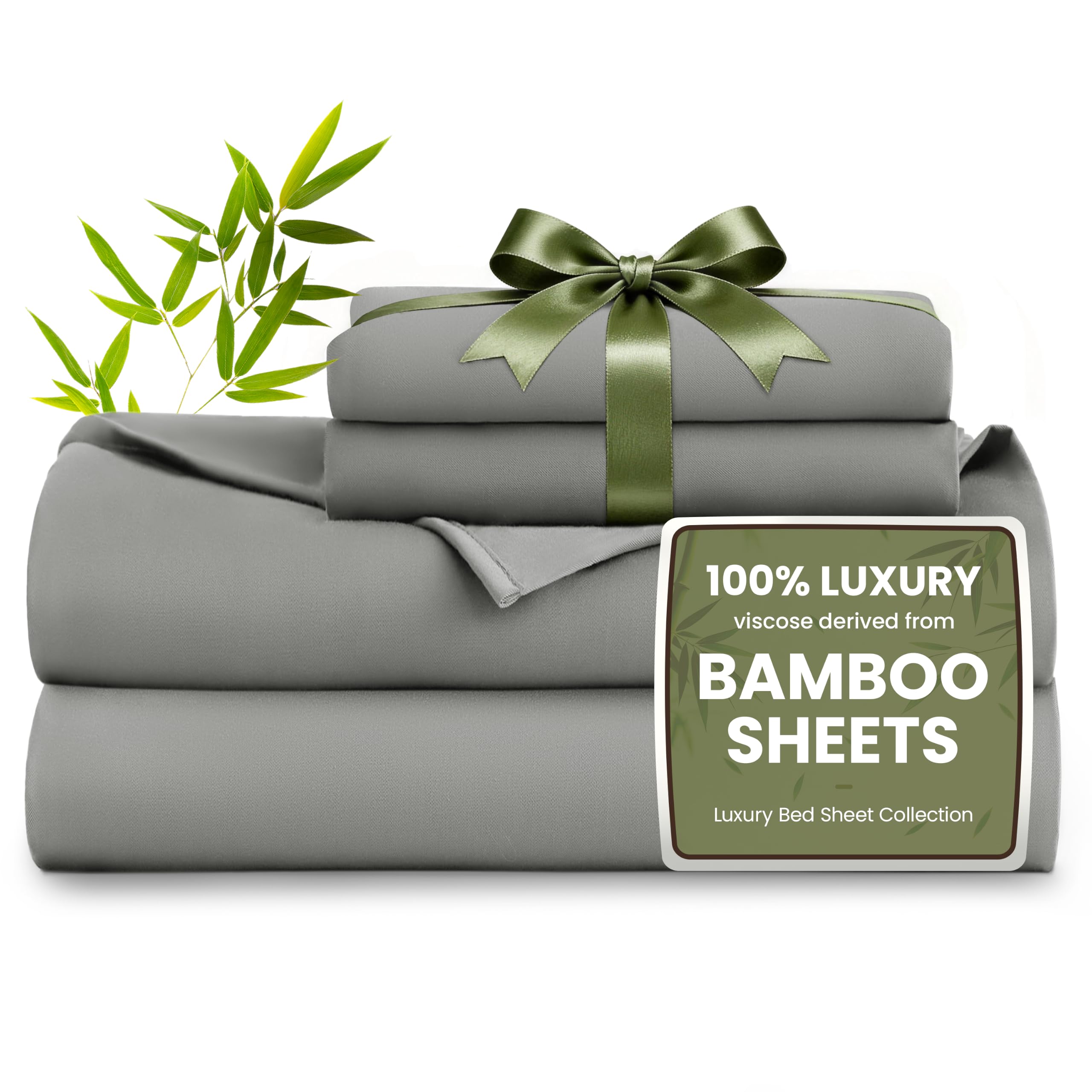
Bamboo derived and performance sets aim for moisture wicking and a silky feel. They can feel very cool at first touch, but quality varies, so check fiber content and care labels carefully. A performance set suits buyers who sweat heavily and wash bedding often.
If you want a heavier top layer, our guide to the best comforter sets for hot sleepers covers fills that stay light. You can also compare best bed sets for hot sleepers and best bedding sheets for hot sleepers for sheet focused advice.
Living With Your Choice
Build your bed in layers so you can adjust through the night. Start with a breathable sheet, add a light duvet or coverlet, and keep a thin blanket nearby for cooler hours. This approach beats one heavy duvet that is either too warm or too cold.
Wash bedding regularly in cool or warm water, and dry it fully before making the bed. Damp bedding feels clammy and can develop odor. Rotate two sets so one is always clean and dry, and air the mattress when you change sheets.
For general buying advice, see our guides to the best bedding sets to buy and the best cotton bedding sets.
Mistakes to Avoid
A common mistake is buying a heavy duvet for a warm room and hoping the fiber alone will fix overheating. Weight matters as much as fiber, and a light cover often helps more. Another mistake is using a waterproof mattress protector that blocks airflow.
Buyers also forget pillow and room factors. A hot pillow or a stuffy room can undo good bedding. Check pillow fill, room ventilation, and sleep clothes together with the bedding set for the best result.
A Final Check Before You Order
Before you order, check fiber content, weave, weight, and pocket depth for your mattress. Confirm washing guidance and whether the set includes pillowcases and a duvet cover in your size. Think about seasons, since a light set plus a blanket often beats one medium set.
Use the product table above to shortlist sets that breathe well and wash easily. The best set for a hot sleeper is one that stays light, dry, and comfortable through the whole night.
Getting the Most From Your Choice
Long term coolness depends on washing habits as much as on the first night feel of a bedding set. Fabric softeners and high heat drying can coat fibers and reduce airflow over time, so follow care labels and use mild detergent. A set that washes well and dries quickly will stay breathable through many laundry cycles.
Seasonal layering helps hot sleepers more than any single set alone, since spring, summer, and autumn nights differ in humidity and temperature. Keep a light flat sheet, a breathable duvet cover, and a thin blanket in rotation, and adjust layers night by night. This flexible approach beats buying a heavier set for winter and suffering through summer.
Sharing a bed with a partner who sleeps cool adds another layer of planning, since one set rarely suits both sleepers perfectly. Separate light duvets or a split top sheet can let each person adjust warmth without disturbing the other. Talk about night time comfort openly, since small bedding changes can improve sleep for both partners.
Finally, consider pillow and mattress protector choices together with sheets, since a hot pillow or a non breathable protector can undo good bedding. A breathable protector and a cool pillow fill help heat escape from head and body alike. Judge the whole sleep system together, not only the sheet set in isolation.
Room temperature and humidity also play a large role in how bedding feels, since a warm, stuffy room can overwhelm even the most breathable sheets. Aim for a cool, ventilated bedroom with fresh air flow, and avoid heavy curtains that trap heat near the bed. A fan that moves air gently across the bed can help moisture evaporate, making light bedding feel cooler without lowering the room temperature to an uncomfortable level.
If you use air conditioning, set it to a steady, moderate temperature rather than a very cold blast, since sudden cold can wake you just as surely as overheating. Check mattress ventilation too, since a mattress that traps heat will warm bedding from below no matter how breathable the sheets feel on top.
Frequently Asked Questions
What bedding is best for hot sleepers?
Light, breathable bedding in cotton percale, linen, or a moisture wicking blend usually works best for hot sleepers. These fibers let heat escape and dry faster than heavy synthetics. Pair them with a light duvet or a flat sheet, and avoid heavy fills that trap warmth through the night.
Is linen or cotton better for hot sleepers?
Linen breathes very well and feels cool in warm rooms, but it wrinkles and costs more than cotton. Cotton percale feels crisp, washes easily, and suits most budgets, making it a safe first choice. Choose linen if airflow matters most, and cotton if easy care and smooth value matter more.
Should hot sleepers use a duvet?
A light duvet can work if it has a low fill weight and a breathable cover, but many hot sleepers prefer a flat sheet plus a light coverlet. This layering lets you adjust through the night without waking fully. In very warm weather, a sheet alone may be enough with a thin blanket nearby.
How often should hot sleepers wash bedding?
Hot sleepers often wash sheets weekly, since sweat and skin oils build up faster in warm sleep. Pillowcases may need washing more often, especially in summer. Always follow the care label, and dry bedding fully before use so it feels fresh rather than damp.
Does a mattress protector make you hotter?
Some waterproof protectors trap heat because they block airflow, which can make hot sleep worse. A breathable protector made for cooling lets air pass while still guarding the mattress. If you use a protector, choose one labeled breathable and try it with your bedding set.
Final Thoughts
Cooler sleep starts with lighter, more breathable bedding. Choose fibers and weaves that let heat escape, keep layers adjustable, and wash bedding often. Small choices in sheets and covers can change how you feel by morning.
Check the product table above, then pick a set that matches your climate, mattress, and washing habits. With the right best bedding sets for hot sleepers on your bed, hot nights can feel calmer, drier, and far more restful.