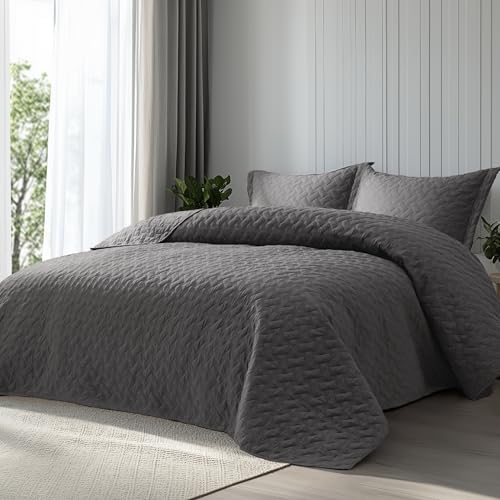
Best Bed Sheets for Thick Mattresses for 2026: Which One Fits the Way You Use It?
Disclosure: We may earn a commission when you buy through links on this page, at no extra cost to you. As an Amazon Associate I earn from qualifying purchases. Learn more

The best bed sheets for thick mattresses compared by pocket depth, elastic, weave and cooling, with a simple way to measure your bed.
A standard fitted sheet that climbs off the corners of a tall bed bunches under your shoulders, pulls loose during the night. The best bed sheets for thick mattresses solve that fit problem first, then deliver the fabric feel you want. No single set suits every tall bed, because pillow top designs, foam toppers, and adjustable bases each stress a sheet in a different way.
Start with your mattress height and how you sleep, then compare pocket depth, elastic strength, and weave. The product table gathers deep pocket sets in one place.


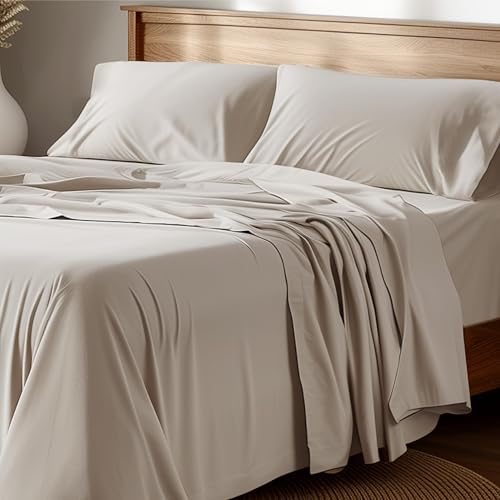
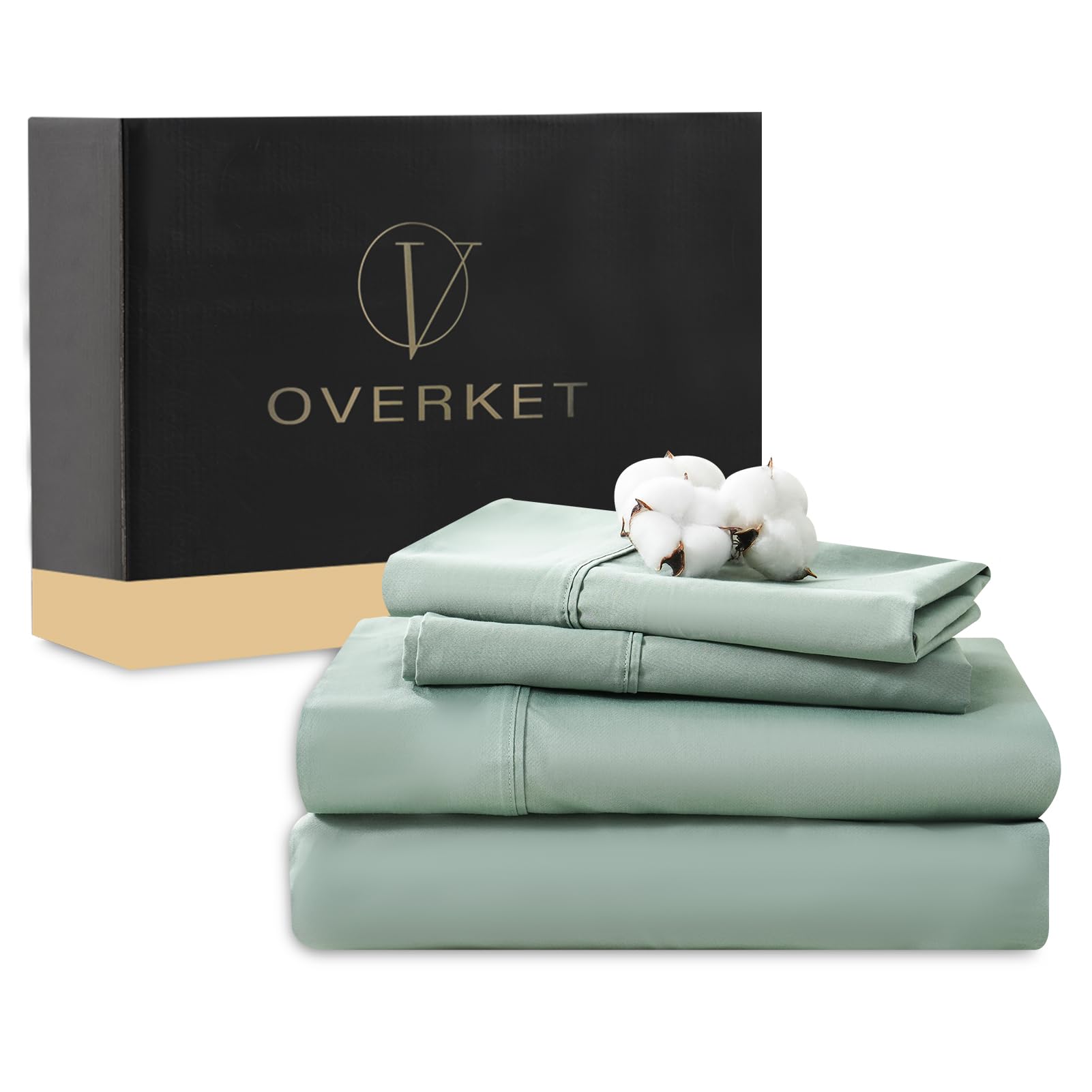


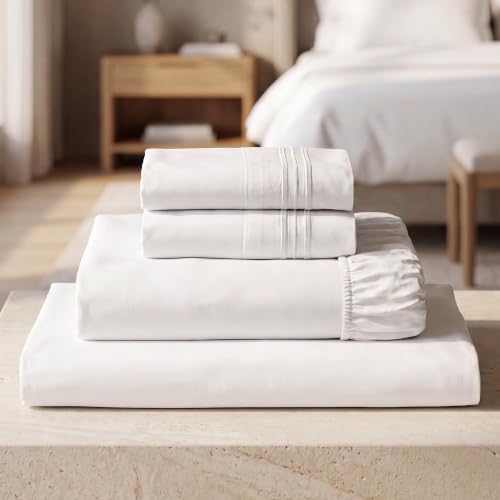
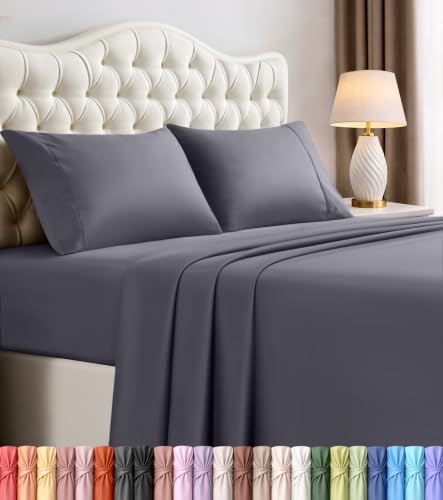

Who Should Buy Which Bed Sheets for a Thick Mattress?
Your reason for owning a tall mattress shapes what you should value most, from grip to airflow to budget.
For Owners of Pillow Top Beds and Topper Stacks
If a pillow top layer or a separate topper sits above your main mattress, measure the full stack as one bed. You need the deepest pocket in your size, plus elastic that runs all around the hem rather than only at the corners. A smooth cotton sateen or a soft lyocell blend slides over a plush top without dragging.
For Adjustable Base Users Who Raise the Head and Feet
Bending a thick mattress lifts the corners and works a loose fitted sheet free within a few nights. Look for corner straps or wide elastic bands that anchor each corner, and choose a fabric with a little natural give. For base choices that affect sheet fit, see our guide to the best mattresses for adjustable beds.
For Hot Sleepers on Tall Memory Foam Beds
Deep foam holds warmth, and a thick mattress gives heat more material to linger in, so your sheet becomes part of the cooling plan. Percale cotton, linen, and bamboo blends let air move across the surface and feel cooler than dense sateen. Skip heavy flannel on a foam bed outside the coldest weeks.
For Value Seekers Who Need a Set That Stays Put
You do not need the highest thread count to get a secure fit. A mid range cotton blend with a correctly sized deep pocket and full elastic will outlast a luxury set that is an inch too shallow. Spend first on size accuracy and corner hold, then on fabric.
Key Features to Compare
Read pocket depth and elastic together, because a deep pocket with weak elastic still slips, and strong elastic cannot stretch a shallow pocket over a tall corner.
Pocket Depth and True Mattress Height
Pocket depth is the height of the fitted sheet corner, and it must exceed your total mattress height by about two inches so the sheet can wrap under the bed and hold. Beds around 12 to 14 inches often work with pockets of 15 to 16 inches, while beds of 16 to 18 inches usually need pockets of 18 to 21 inches. Brands measure depth differently, so treat the listed number as a maximum rather than a promise.
Elastic, Corner Straps and Grip Around the Hem
Elastic sewn all around the hem pulls the sheet evenly under the mattress and resists the slow creep that frees one corner at a time. Elastic placed only at the corners leaves the long sides loose, and those sides are where a tall bed first lets go. Extra corner straps add a second anchor on very deep beds and help most on adjustable bases. Look for thick elastic rather than a thin cord, because a wide band keeps its tension longer.
Fabric and Weave for Airflow on Deep Foam
Cotton percale has a plain weave that feels crisp and breathes well, while cotton sateen feels smoother and slightly warmer. Linen allows strong airflow and softens with washing, though its texture feels relaxed rather than polished. Lyocell and bamboo viscose feel cool and manage moisture well for warm sleepers. If cooling is your top priority, compare options in our guide to the best cooling bed sheets.
Thread Count and Long Term Hold
Thread count counts the yarns in one square inch of fabric, and for cotton a range of about 300 to 500 usually balances softness, strength, and airflow. Counts pushed far higher often rely on thinner multi ply yarns and can feel dense and warm without lasting longer. For thick mattress sets, stitch quality at the corner seams matters more than a headline number, because those seams carry the strain each time you pull the sheet under the bed.
Flat Sheet Drape, Pillowcases and Set Sizing
A fitted sheet can fit perfectly while the flat sheet still feels short, because a tall mattress uses up width that would otherwise hang at the sides. Look for flat sheets with extra width, enough to leave about 12 to 15 inches of drape on each side after the bed height is covered. Pillowcases deserve the same check if you use thick pillows, since a standard case can strain at the opening on a lofty fill.
How to Measure a Thick Mattress Before You Order Sheets
Five minutes with a tape measure gives you the numbers that the best bed sheets for thick mattresses listings assume you already know.
- Strip the bed completely, including any protector, pad, or topper you plan to keep using at night.
- Place a hardcover book flat on top at one corner and measure from the bottom edge of the mattress up to the underside of the book.
- Repeat at the opposite corner, because pillow top beds can differ by an inch or more from side to side.
- Add the height of any topper or thick protector you removed, then use the larger corner total as your working height.
- Choose a pocket depth at least two inches greater than that total.
Keep the three numbers with your linen notes, and measure again after any change to the stack. Readers comparing near identical options should also see our guide to the best sheets for thick mattresses.
Common Mistakes to Avoid When Buying Bed Sheets for Thick Mattresses
- Guessing your mattress height instead of measuring it, so the pocket ends up too shallow and the corners pop off at night.
- Choosing a set by thread count alone, so you pay for a dense fabric that sleeps warm and still fits poorly.
- Ignoring the elastic layout, so loose sides gradually slide up a tall mattress and bunch under the sleeper.
- Forgetting the topper or protector in your total height, so a sheet that fit the bare mattress no longer reaches under the bed.
- Buying one size up to gain depth, so the extra length and width wrinkle across the surface instead of holding smooth.
- Skipping the return terms on a first deep pocket purchase, so a sizing error leaves you with a set you cannot exchange.
How to Make Your Bed Sheet Set Last Longer
Wash sheets weekly in warm water with a mild detergent, using only the amount the bottle directs, because excess soap builds up in the weave and makes cotton feel stiff. Skip fabric softener on lyocell and bamboo blends, since coating the fibers reduces their moisture control. Tumble dry on low and remove the set while it is still slightly damp to limit shrinkage that can steal pocket depth.
Rotate between at least two sets so each one rests between washes, and store the spare folded in a dry cupboard away from direct sun. Retire a fitted sheet once the elastic no longer snaps back, because a stretched hem will keep slipping however deep the pocket is. If you are comparing your set with a standard depth option, see our guide to the best bed sheets for the sizing differences.
FAQ
What pocket depth do bed sheets need for a thick mattress of 16 inches?
Bed sheets for a 16 inch mattress need a pocket depth of about 18 to 20 inches. That extra room lets the fabric clear the corner and tuck under the bed so the elastic can hold. If you also use a topper or a thick protector, add its height first and size up again.
Are cooling bed sheets worth it for hot sleepers with thick mattresses?
Cooling bed sheets are worth it for hot sleepers on thick mattresses because the sheet is the layer your skin actually touches. A breathable percale or linen weave cannot change the foam below you, but it can stop heat and moisture from building at the surface. Pair the sheet with a light blanket rather than a heavy duvet in summer.
Is a higher thread count always better for bed sheets on a thick mattress?
A higher thread count is not always better for bed sheets on a thick mattress. Beyond about 500 for cotton, gains in softness are small and the fabric can feel warmer and heavier. Corner seam strength and elastic quality decide whether a deep set stays in place, and neither improves with a larger count.
How often should you replace a bed sheet set used on a thick mattress?
You should replace a bed sheet set used on a thick mattress when the elastic loses its snap or the corners start slipping despite a correct pocket depth. For most households that point arrives after about two to three years of weekly washing. Thinning fabric at the foot of the bed and pilling across the center are earlier warnings.
How do you wash bed sheets for thick mattresses without losing pocket depth?
You protect pocket depth by washing bed sheets for thick mattresses in warm rather than hot water and drying them on low heat. High heat is the main cause of gradual shrinkage in cotton, and even half an inch of loss can matter on a tall bed. Fit the sheet while it is slightly damp so it settles to its full size.
Wrapping Up
Measure the full height of your bed, choose a pocket at least two inches deeper, and insist on elastic that runs all around the hem. Then pick a weave for how warm you sleep, and let thread count play only a supporting role. Matched to your use case that way, the best bed sheets for thick mattresses stay smooth, stay put, and stay comfortable wash after wash. Use the product table to compare your finalists against those three checks before you order.