Best Bed Pillows for Back and Side Sleepers in 2026: Which One Fits the Way You Use It?
Disclosure: We may earn a commission when you buy through links on this page, at no extra cost to you. As an Amazon Associate I earn from qualifying purchases. Learn more
The best bed pillows for back and side sleepers balance loft, firmness and fill, with cooling and adjustability tips for people who switch positions.
Switching between your back and your side asks one pillow to do two jobs. On your side you need enough height to fill the gap between your ear and the mattress, while on your back that same height can push your chin down and strain your neck. The best bed pillows for back and side sleepers solve that tension with a balanced loft, steady support, and often some way to adjust the fill. The best pillows for back and side sleeping are rarely the tallest or the softest option.
This guide walks through the loft ranges, firmness levels, fills, and shapes that suit people who use both positions. Start with the product table, then use the sections that match how you actually spend the night.


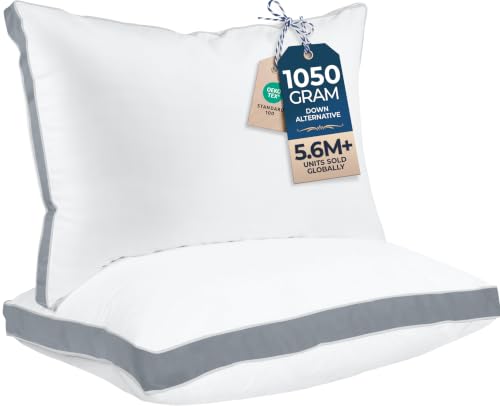
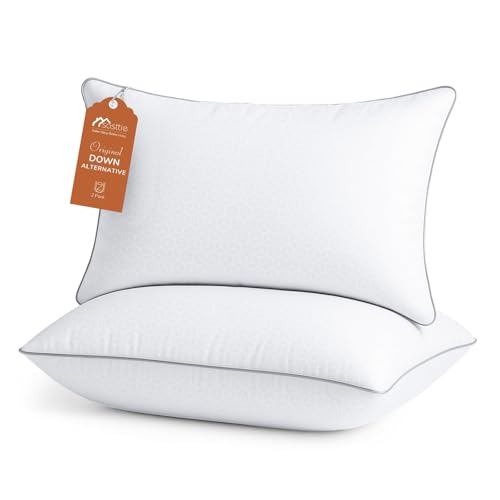



Who Should Buy Which Bed Pillows?
Your dominant position matters more than the label on the package. Start from the position you fall asleep in and the one you wake up in.
Side Dominant Sleepers Who Roll Onto Their Back
You spend most of the night on one side but finish stretches on your back, so side support should win the tie. Look for a loft at the higher end of the shared range, about 5 to 6 inches, with a firm edge that keeps your head level over your shoulder. A gusseted shape helps because the side panel holds that height instead of letting the fill spread flat.
Back Dominant Sleepers Who Turn to One Side
You fall asleep on your back and turn sideways only for part of the night, so a moderate loft around 4 to 5 inches usually feels better. Prioritize a smooth surface that cradles the back of your head and supports the curve of your neck without a hard ridge. If your shoulder aches during side spells, choose a fill that compresses a little at the edge. Readers who mostly stay on their back can also see our guide to the best bed pillows for back sleepers.
True Combination Sleepers Who Change Position Often
You move several times a night and rarely stay in one position for long, so adjustability matters more than any fixed spec. A pillow with removable fill lets you take out a handful at a time until both positions feel workable at home. Choose a fill that reshapes quickly when you turn, since slow foam can leave your head tilted while it settles. If side time grows longer, compare with our guide to the best bed pillows for side sleepers.
Picking the Right Bed Pillows for Different Uses
Most back and side sleepers shop by position first, but heat can decide whether a pillow stays on the bed. If you wake warm, treat cooling as a primary use case.
Best Cooling Pillows for Back and Side Sleepers
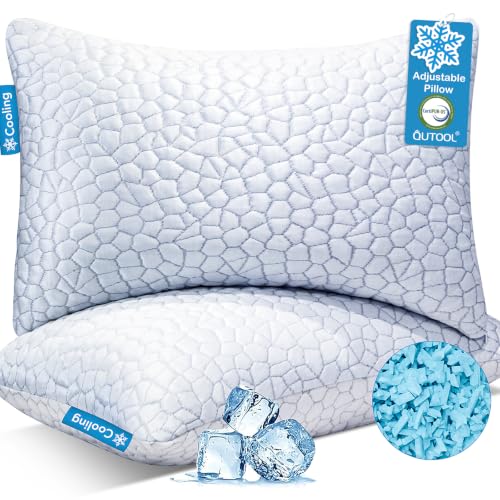
The best cooling pillows for back and side sleepers pair a breathable cover with a fill that does not trap heat. Cotton percale feels crisp and airy, while ventilated foam and shredded latex allow more air movement than a solid foam block. Check where the cooling claim applies, since a cool touch cover over dense fill may feel pleasant for ten minutes and warm by midnight.
Key Features to Compare
Compare these factors in order, starting with loft and firmness, because no cover fabric can rescue a pillow that holds your head at the wrong height.
Material and Fill
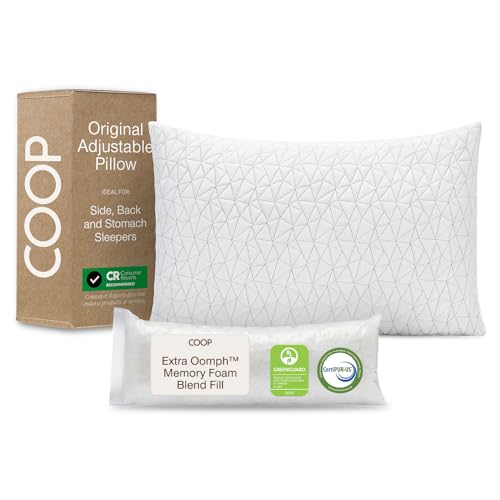
Fill decides how the pillow responds when you turn. Memory foam molds closely and holds its shape, which suits back sleepers who like a steady cradle, but a solid piece can feel tall on your side. Latex feels springier, so your head sits on top rather than sinking in. Down feels soft and easy to bunch, yet it flattens fast. Down alternative mimics that softness at a lower cost. Look for CertiPUR US foam or an OEKO TEX label if you want third party limits on certain chemicals.
Support, Pressure Relief, and Shoulder Comfort
Good support keeps your head, neck, and spine in one calm line in both positions, and pressure relief means no single spot takes all the load. On your side, the fill under your ear should stay thick enough that your shoulder is not forced to shrug upward. On your back, the area under your neck should feel filled rather than hollow. See a doctor promptly if you notice numbness or weakness in an arm or pain that keeps worsening, and talk with your clinician about personal needs instead of treating a pillow as a fix for ongoing pain.
Features That Matter for Back and Side Sleepers
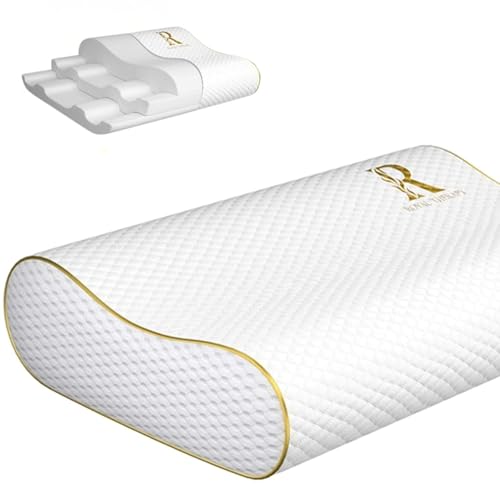
Two position use rewards small design details that single position pillows can skip. A gusset, the fabric panel around the edge, keeps loft at the sides where side sleepers need it most. A center that gives slightly more than the edges helps back sleepers settle without raising the chin. Adjustable fill is the most forgiving feature, since you can tune height in small steps at home. That middle ground is what defines the best bed pillows for back and side sleepers in practice, and a sleep trial protects you if the balance still feels wrong. See also our guide to the best pillows for back sleepers and side sleepers.
Firmness, Loft, and Sleep Position
Loft is the height of the pillow when nothing rests on it, and firmness is how much it gives under your head, so judge both together. Side sleepers with broad shoulders often need about 5 to 7 inches of loft and a medium firm to firm feel. Back sleepers usually do better with about 3 to 5 inches and a medium feel that supports without lifting the chin. Combination sleepers should start near 4 to 6 inches, then adjust for body weight, since heavier heads compress fill more.
Common Mistakes to Avoid When Buying Bed Pillows
- Choosing loft for your side position only, so your chin tips toward your chest every time you roll onto your back.
- Buying the softest pillow in the store, so the fill bottoms out under your ear and your neck bends downward all night.
- Ignoring shoulder width, so a narrow shouldered sleeper ends up on a tall pillow built for a much broader frame.
- Skipping the sleep trial and return terms, so a pillow that felt fine for one short nap cannot go back when week two disappoints.
- Judging by thread count alone, so you pay for a dense cover that sleeps warm while the fill inside stays ordinary.
Care Tips for Pillows Used by Back and Side Sleepers
Care for the pillow itself, not the rest of the bed, and it will hold its loft longer. Fluff adjustable and down style fills by hand each morning, working fill back into the corners. Use a washable pillow protector under your pillowcase and launder it often, since it catches sweat and oils before they reach the fill and dull its spring.
Follow the care label for washing, because foam pieces usually need spot cleaning while many fiber fills can go in a large machine on a gentle cycle. Dry any washable fill completely before reuse, since damp fill clumps and loses height. Air the pillow in a dry, shaded spot between washes. Folks who sleep mostly on one side can find more context in our guide to the best sleeping pillows for side sleepers.
Frequently Asked Questions
What features matter most in bed pillows for back and side sleepers who switch often?
Adjustable loft matters most for frequent switchers, followed by a fill that reshapes quickly after each turn. One fresh point to check in photos is the seam shape, since a gusseted edge usually signals a pillow built to hold height at the sides. Keep trial paperwork until you have slept on it for several nights.
Are cooling bed pillows worth it for hot back and side sleepers?
Cooling pillows are worth it if you regularly wake with a warm head or flip the pillow hunting for a cool spot. The new detail is placement, since a cooling model helps less under a thick flannel case that blocks airflow. Pair it with a light cotton percale case, and judge the effect over a full week.
How often should I replace my bed pillow?
Replace a bed pillow when it no longer springs back or keeps your head level, which for many fiber and foam pillows falls around one to two years of nightly use. A simple fold test adds a useful check, since a pillow that stays folded has lost the pushback your neck relies on. Replacement is also wise after illness that washing cannot fully address.
What firmness is best for back pain in back and side sleepers?
A medium or medium firm feel suits most back and side sleepers with ordinary morning back stiffness, because it supports the neck without forming a hard ridge. Your mattress plays a part that is easy to miss, since a very soft mattress lets your shoulder sink and can make a correct pillow feel too tall. Change one item at a time before you judge it.
Is a higher thread count always better for bed pillows for back and side sleepers?
No, a higher thread count is not always better, and beyond a moderate range it can make a cover feel dense and warm. Weave matters more for this group, since percale breathes and feels crisp while sateen feels smoother and warmer. If you turn often, a smooth sateen case also reduces tug on your ear.
How do I wash bed pillows safely without ruining the loft?
Wash bed pillows safely by following the fill label first, using a gentle cycle for washable fills, and keeping foam out of a soaked wash unless the maker allows it. Add clean dryer balls during drying if the label permits, because they separate clumps and help fill dry evenly. Do not use it until fully dry.
The Bottom Line
Start with loft that fits your broader position, choose firmness that keeps your neck level in both, and prefer adjustable fill if you switch often. When you compare the best bed pillows for back and side sleepers with those rules in mind, the shortlist gets short fast. Check the product table and adjust fill during the trial until both positions feel calm.