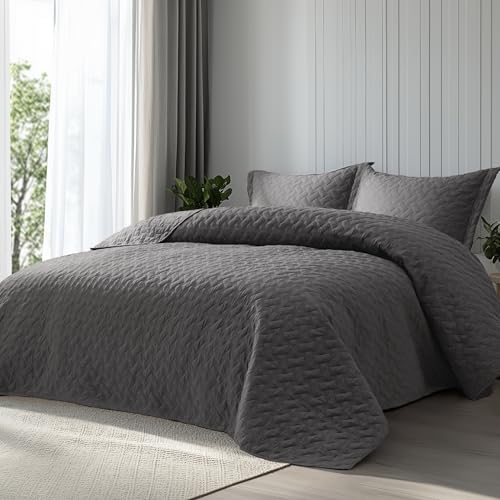
Best Bed Pillows for Allergies 2026: Types Compared and How to Choose
Disclosure: We may earn a commission when you buy through links on this page, at no extra cost to you. As an Amazon Associate I earn from qualifying purchases. Learn more

Confused by all the options? We compare every type of bed pillow side by side so you can choose the best bed pillows for allergies for your space and budget.
Waking up stuffy, itchy eyed, or sneezing through the first hour often traces back to the pillow under your head, where dust mites, pollen, and pet dander collect night after night. The best bed pillows for allergies limit that buildup with fills that resist mites, covers woven tightly enough to block allergens, and materials you can wash often without ruining the loft.
This guide compares pillow types side by side, explains which features actually reduce allergen exposure, and shows how loft should match your sleep position. Use the product table to shortlist a pillow, then check the care notes before you order.
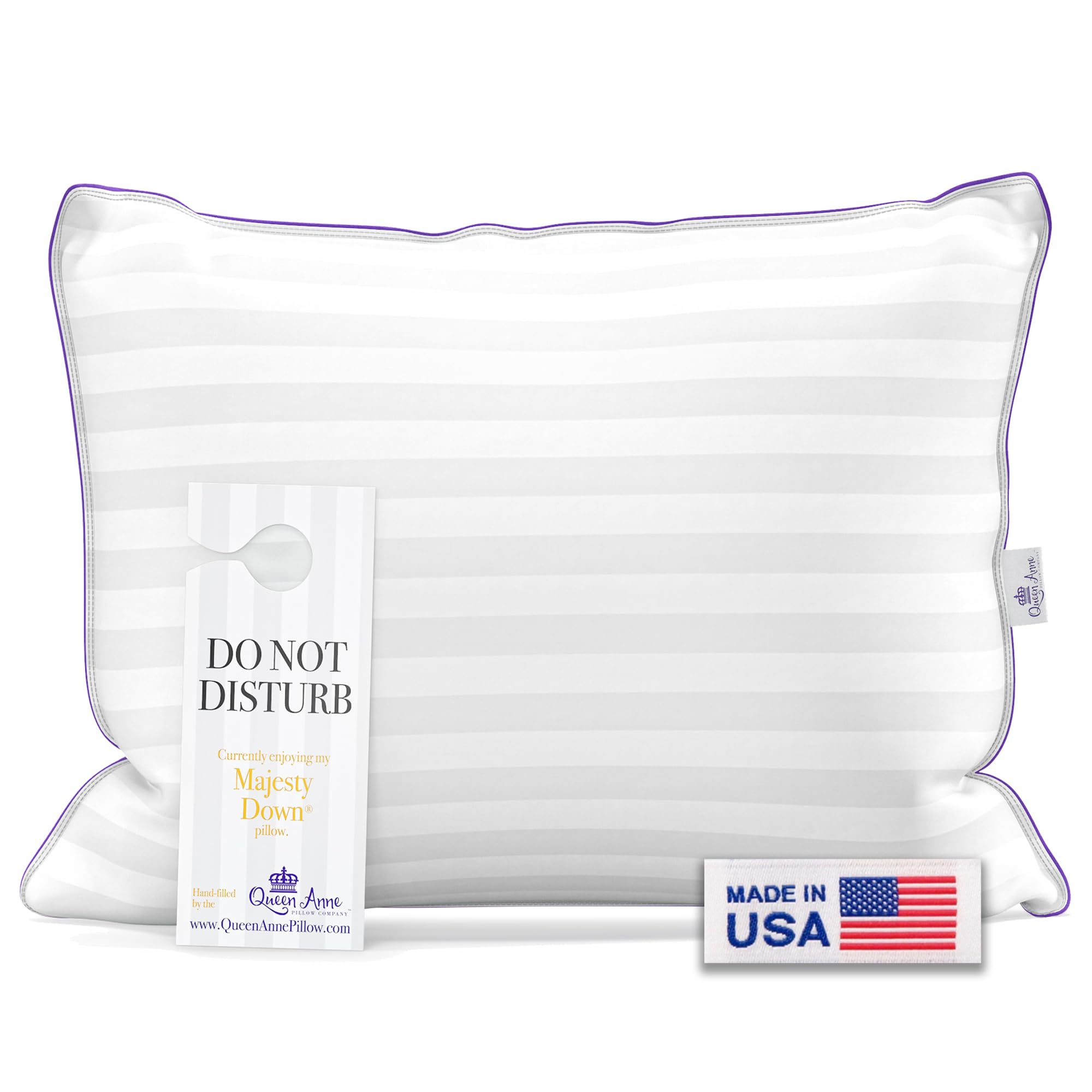

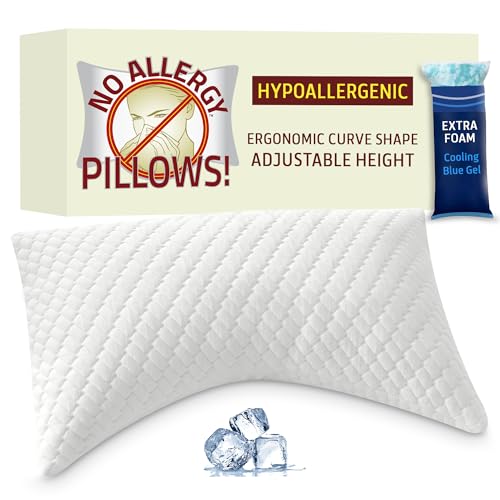


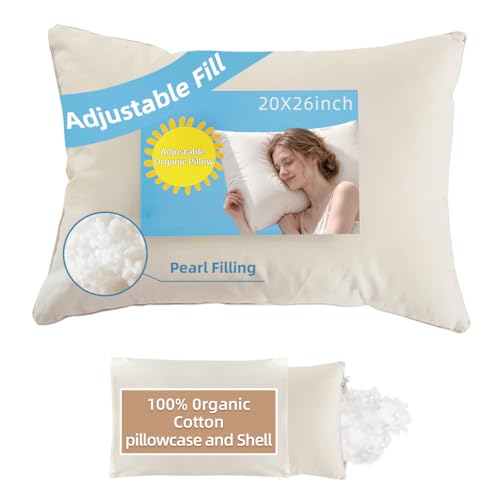
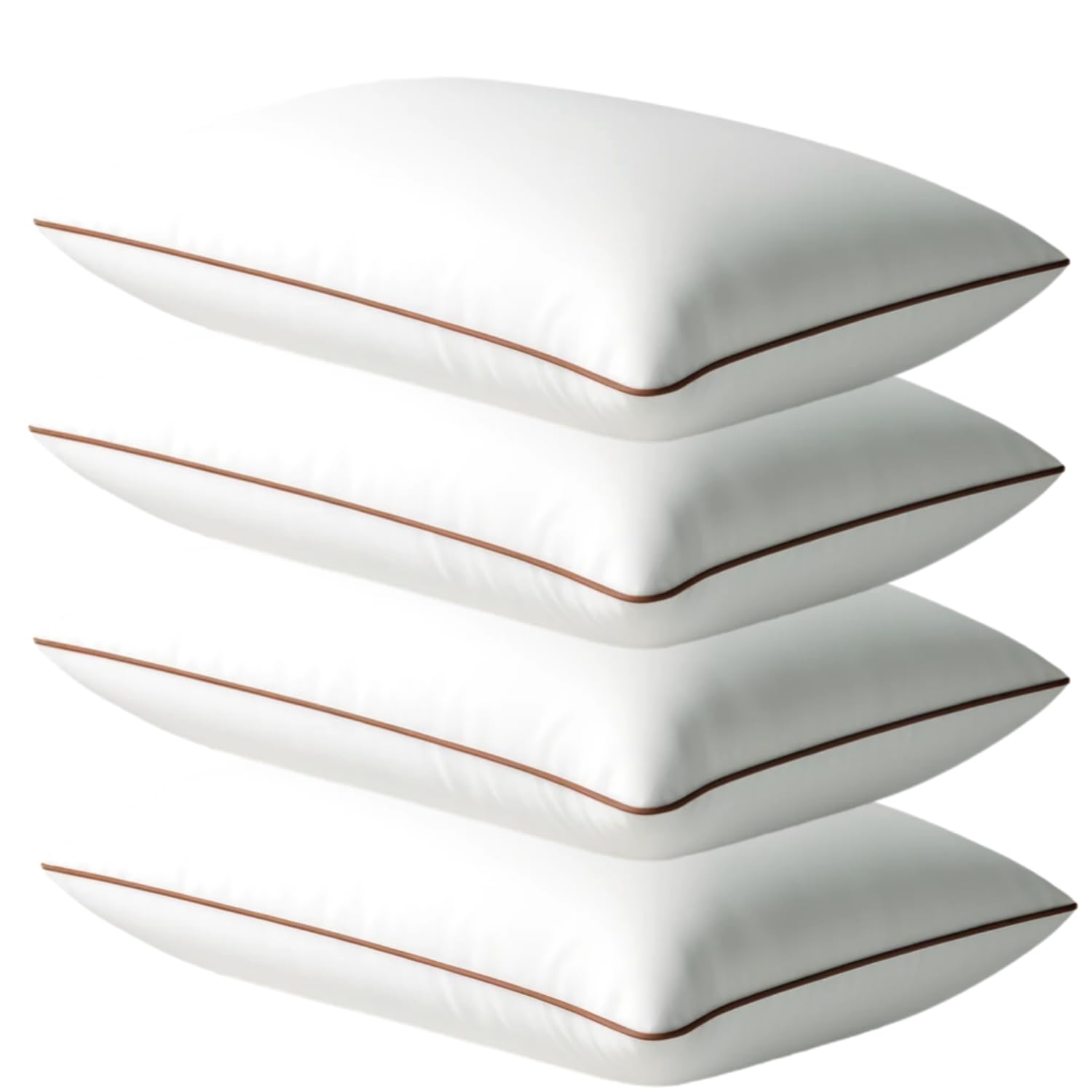
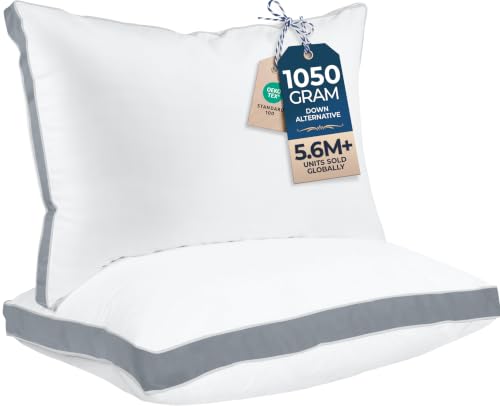
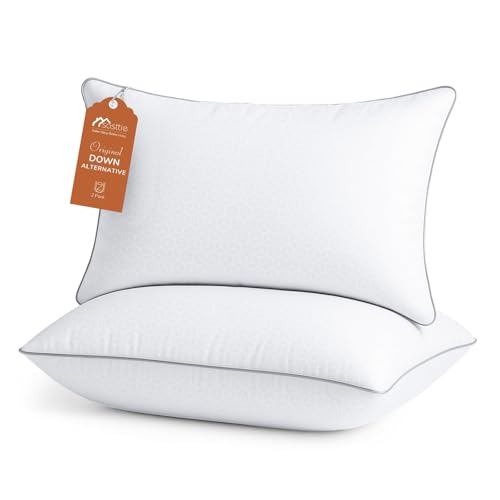
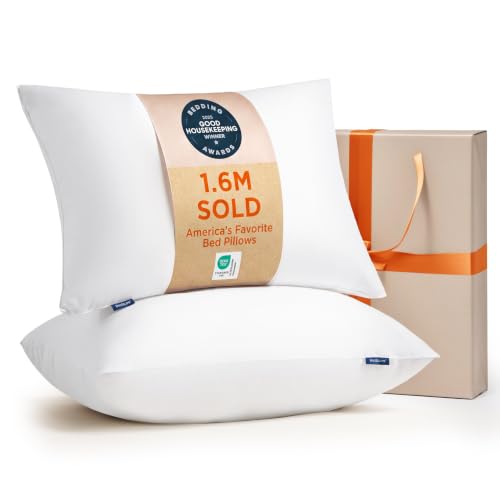
Types of Bed Pillows Compared
Each fill below handles allergens, washing, and support differently, and most solid options cost about $25 to $90 per pillow.
Latex Pillows for Steady Support and Mite Resistance
Latex has a dense, springy structure that gives dust mites few loose fibers to settle in, and it holds its loft for years without fluffing. It suits back and side sleepers who want consistent pressure relief without the slow sink of foam. A solid latex pillow usually cannot go in the washer, so a washable zippered cover is essential. Expect to pay about $50 to $90, and choose latex if washing the cover, rather than the whole pillow, fits your routine.
Cotton Fill and Cotton Covers in Percale and Sateen
Cotton appears in allergy pillows as a soft washable fill and as the cover fabric woven in percale or sateen. Percale feels crisp and breathes well, while sateen feels smoother and slightly warmer, and a tight weave in either finish helps block mite debris. Cotton fill washes easily but flattens faster than latex and can clump if dried poorly. At about $25 to $60, it suits stomach sleepers and anyone who wants to launder the entire pillow often.
Linen Covers for Warm Sleepers Who Wash Often
Linen is a cover choice rather than a fill, usually paired with foam, latex, or down alternative inside, and its airy weave moves heat and moisture away from your face. Linen alone is not a mite barrier, so check for an inner barrier cover beneath it. At about $40 to $85, linen covered pillows soften with each wash and suit hot sleepers who value breathability over a smooth surface feel.
Down and Down Alternative Pillows for Allergy Sleepers
True down can trigger reactions in some sleepers and needs careful washing, so most allergy shoppers do better with down alternative, a polyester fill made to mimic down softness at about $25 to $70. It resists mites better than feather blends, washes and dries evenly, and comes in several lofts. It compresses sooner than latex, so plan on more frequent replacement. Choose it if you love a soft, moldable feel and want the whole pillow in a standard home machine.
Latex vs Cotton: Which Should You Choose?
Latex wins on lifespan and steady support, since a solid latex pillow keeps its height for years and needs only its cover washed, while cotton wins on full washability and a lower price. Cotton fill softens and flattens sooner, so you will replace it more often, but you can launder the whole pillow after illness or a pollen heavy week. Choose latex for durable support with cover only care, and cotton for frequent whole pillow washing on a modest budget.
How to Choose the Right Bed Pillow for Allergy Needs
Start with your main trigger, then match fill, cover, and loft to it, because the best bed pillows for allergies for a dust mite problem differ from the right pick for scent sensitivity. The five checks below keep you focused on what changes your nights. For general loft and feel options beyond allergy models, see our guide to the best bed pillows.
Material and Fill
Fill decides how a pillow handles mites, washing, and support over time. Memory foam offers close pressure relief and a dense structure that mites penetrate poorly, yet most solid foam cannot be machine washed, so the cover does the cleaning work. Shredded foam and shredded latex let you add or remove fill to tune height, and hybrids blend foam with fiber for a softer top. Cotton and linen breathe well but need tight weaves or barrier covers, since loose plant fibers alone do not block allergen particles.
Features That Matter for Allergies
Look for a zippered protector woven tightly enough that mite debris cannot pass through, a fill you can wash or fully protect, and seams that stay closed under your head weight. If you also manage asthma alongside allergies, see our guide to the best pillows for allergies and asthma for further trigger control steps. Persistent wheezing, chest tightness, swelling of the lips or tongue, or symptoms that keep worsening despite clean bedding need a doctor promptly, and you should talk with your clinician about personal needs rather than relying on bedding changes alone.
Loft and Firmness for Your Sleep Position
Loft is the pillow height under your head, and it should keep your neck level with your spine. Side sleepers usually need a higher, firmer pillow around 4 to 6 inches, back sleepers a medium loft around 3 to 5 inches, and stomach sleepers a thin pillow under 3 inches. Measure the gap between your head and the mattress while lying in position, and if you sleep on a king bed, confirm the pillow width fills your side without crowding your partner, as covered in our guide to the best pillows for king bed.
Certifications That Check Chemical Content
Certifications tell you a third party has screened the materials, which matters when your face rests inches away for eight hours. CertiPUR US applies to foam and checks content, emissions, and durability, while OEKO TEX Standard 100 tests finished textiles, including covers, for harmful substances. None of these labels proves a pillow will end your symptoms, so treat them as a chemical safety check that supports, rather than replaces, washable mite control.
Cooling and Breathability
Cooling in an allergy pillow mostly means airflow, since a cooler, drier sleep surface discourages the warm and humid conditions mites prefer. Gel infused foam and open cell foam move a little more air than dense standard foam, shredded fills ventilate better than solid cores, and percale or linen covers feel cooler than sateen. Thread count alone does not predict coolness, because a very dense weave can slow airflow even while it blocks allergens.
Common Mistakes to Avoid
- Buying a mite resistant fill but skipping the barrier cover, so allergens still collect on the surface closest to your face.
- Choosing loft by habit instead of sleep position, so your neck bends all night and morning stiffness joins your allergy symptoms.
- Washing a pillow and putting it back damp, so mildew grows inside the fill and replaces one trigger with another.
- Keeping a flattened pillow years past its support life, so clumped fill creates uneven pressure and poor head alignment.
- Using scented sprays to freshen an allergy pillow, so fragrance residue sits against your nose and mouth for hours.
Care and Maintenance for Allergy Pillows
Use a zippered protector from day one and wash it every two to four weeks in warm water, since it catches most sweat, skin cells, and pollen before they reach the fill. Fluff fiber and shredded fills daily, and air solid foam and latex in a shaded spot rather than direct sun. Washing the bedding around the pillow helps too, and our guide to the best bed sheets covers fabrics that handle frequent warm washes well. Replace protectors once zippers gap or fabric thins.
Frequently Asked Questions
How often should I replace a bed pillow for allergies?
Replace a bed pillow for allergies every one to two years, sooner if the fold test fails. Fold the pillow in half and let go: a pillow with life left springs back, while a worn one stays folded. Down alternative and cotton sit at the short end of that range, and latex at the long end.
Are cooling bed pillows worth it for hot sleepers with allergies?
Cooling bed pillows are worth it for hot sleepers with allergies when the design relies on airflow rather than a gel layer alone. Shredded fills and percale covers stay drier through the night, and a drier pillow surface is less welcoming to mites. Pair the pillow with bedroom humidity around 40 to 50 percent for the strongest effect.
What firmness is best for back sleepers with allergies?
A medium firm pillow is best for most back sleepers with allergies, since it fills the curve behind the neck without pushing the head forward. A contoured foam shape can support the neck edge while the center cradles the head. Ongoing neck pain, numbness in the arms, or pain that spreads downward needs a clinician, not a firmer pillow.
Is a higher thread count always better for allergy pillow covers?
No, a higher thread count is not always better for allergy pillow covers. What blocks mite debris is a pore size too small for particles to pass, which some moderate count weaves achieve while still breathing. Very high counts can feel hot and stiff, so check for a stated allergen barrier rating and a working zipper instead of chasing the largest number on the label.
How do I wash bed pillows for allergies safely?
You wash bed pillows for allergies safely by checking the care label first, using warm water and a mild detergent, and adding an extra rinse so no soap stays in the fill. Wash two pillows together to balance the drum, and dry on medium heat until the center feels fully dry when squeezed. A pillow that still smells musty after drying needs another full dry cycle before use.
Wrapping Up
For allergy sleep, the winning formula is a mite resistant fill, a tightly woven washable protector, and a loft that matches your sleep position, with certifications as a useful chemical safety check. Latex suits buyers who want years of steady support, cotton suits frequent whole pillow washing, and down alternative suits a soft feel on a budget. Whichever type you pick from the product table, the best bed pillows for allergies only work as part of a routine, so protect the pillow from day one and wash the cover on schedule.