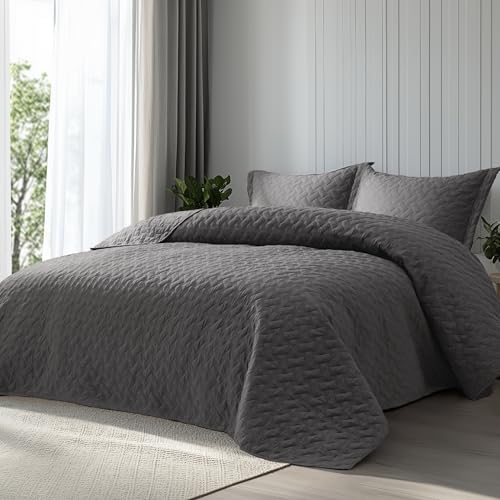
Best bed frames and mattresses Buying Guide 2026
Disclosure: We may earn a commission when you buy through links on this page, at no extra cost to you. As an Amazon Associate I earn from qualifying purchases. Learn more

Learn how to choose bed frames and mattresses together by support, size, height, material and sleep style for better rest. Compare options carefully.
A bed frame and a mattress work as one system: the frame decides how well the mattress is supported, and the mattress decides how the bed feels. Choosing the best bed frames and mattresses together avoids the common problem of a good mattress sagging on a weak frame, or a strong frame holding a mattress that does not suit your body. This guide covers frame types, mattress types, sizes, and the details that decide whether the pair lasts.
The product table lists platform frames and boxed mattresses in popular queen sizes, so you can shortlist both parts at once.





Choosing a Bed Frame
Platform Frames
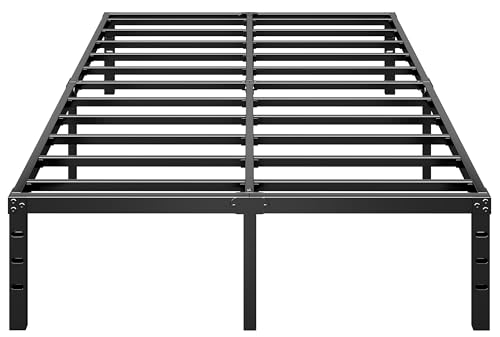
A platform frame has a solid deck or closely spaced slats, so it supports a mattress without a box spring. Metal platforms are affordable and quick to assemble, while wood and upholstered platforms add a headboard and a more finished look. Check that slats are no more than about 3 inches apart, which most foam and hybrid mattress makers require.
Storage Frames
Frames with drawers or lift up storage are ideal for small bedrooms. They cost more and weigh more, so confirm that the floor and doorways allow delivery and that the drawers clear nearby furniture.
Metal Frames Plus a Foundation
A simple metal frame with a box spring or bunkie board is the classic budget setup. It suits innerspring mattresses and renters who move often, but check that the center support legs reach the floor on queen and king sizes.
Adjustable Bases
These raise the head and feet for reading, rest, and comfort. They need a mattress that flexes, so most foam and hybrid models work and traditional innerspring models often do not. Check the maker's guidance before you buy.
Choosing a Mattress
Memory Foam
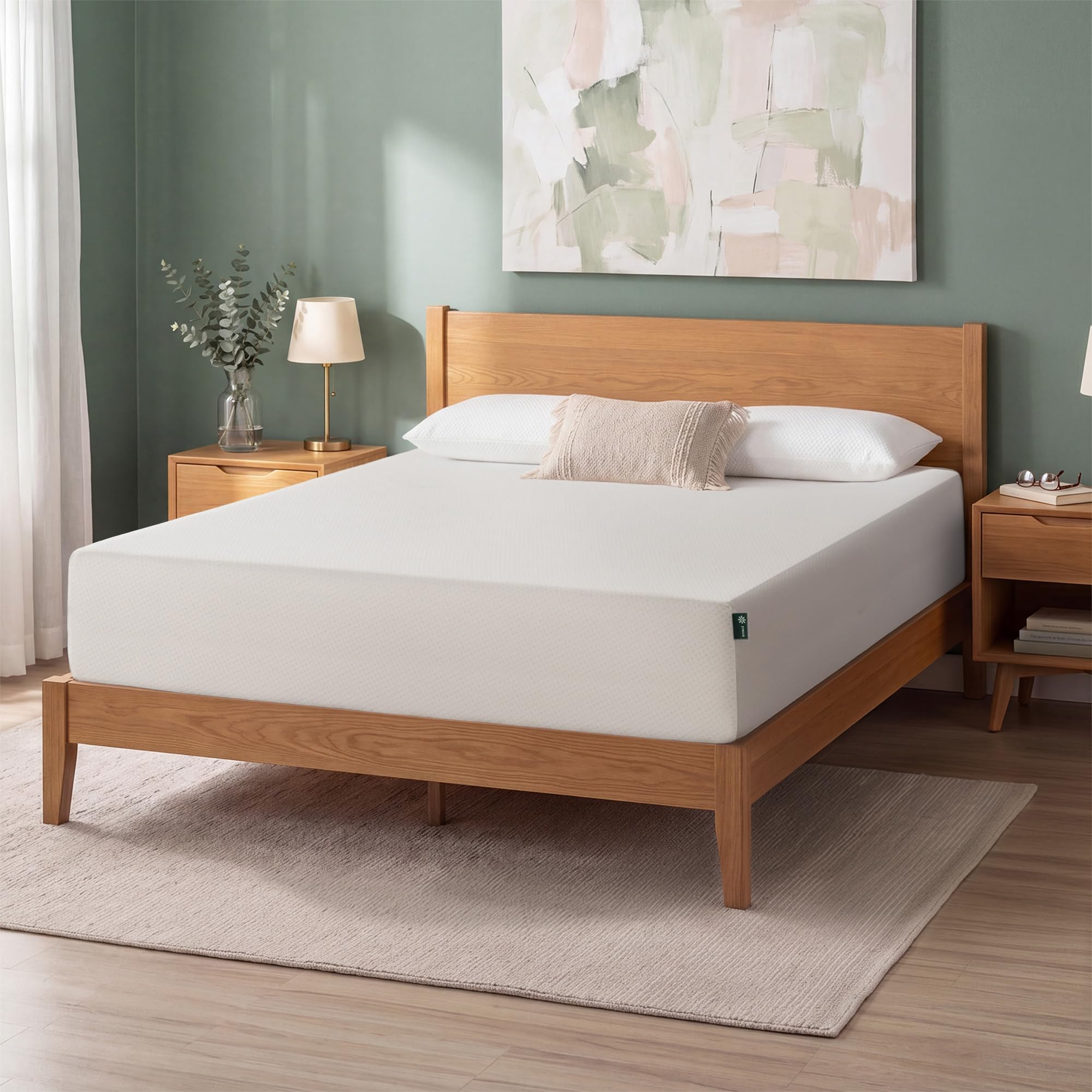
Memory foam contours to your body and cushions pressure at the shoulders and hips. It isolates motion well, which helps couples, but it can sleep warm. Look for gel or open cell layers if you run hot.
Hybrid
Hybrids combine coils with foam layers. They feel more bouncy and sleep cooler than all foam mattresses, and the coils give better edge support. They weigh more and usually cost more.
Firmness and Sleep Position
Side sleepers generally prefer medium to medium soft, back sleepers medium to medium firm, and stomach sleepers firmer support. Heavier sleepers sink deeper and often need firmer layers than the label suggests. Use the sleep trial to check comfort, and read the return terms before you order.
Size, Height, and Room Fit
Queen is the most common size for couples and fits most main bedrooms, while full suits one sleeper in a small room and king suits larger rooms. Leave at least 24 to 30 inches of walking space beside the bed. Add the frame height and the mattress thickness to find the sleeping surface height: a comfortable bed lets you sit with your feet flat and knees near a right angle.
Matching the Pair to the Sleeper
Couples usually do best with a queen or king bed, a frame with a center support, and a mattress that isolates motion, so one person turning over does not wake the other. Single sleepers in small rooms can choose a full size frame with storage underneath. Heavier sleepers should check the frame weight rating, which is often listed per bed rather than per person, and look for thicker mattresses with denser foam or stronger coils. Guest rooms are a good place for a simple metal frame and a mid range foam mattress, since they see only occasional use.
Children and teens grow quickly, so a durable full size frame and a medium firm mattress often make sense, with a protector to handle spills. If anyone in the home has back or joint concerns, ask your doctor which firmness and support level is right before you buy.
How to Shop for the Pair
- Measure the room, the doorways, and the stairs the boxes must pass through.
- Pick the mattress type and firmness first, then find a frame whose slat spacing and height suit it.
- Compare sleep trial length, return fees, and warranty terms for the mattress.
- Check the frame weight limit and whether the center legs reach the floor.
- Plan for sheets and a protector in the exact size you chose.
Price Ranges
Basic metal frames start around $50 to $100, while upholstered or solid wood frames run about $150 to $400 or more. Boxed foam mattresses range from about $200 to $500 for solid everyday options, and hybrid or premium models reach $600 to $1,500. Spending more on the mattress first usually pays off, because you feel it every night, while a simple sturdy frame is often enough.
Setup and Care
- Tighten frame bolts every few months so the bed stays quiet and stable.
- Let a boxed mattress expand fully before you judge its feel.
- Use a mattress protector against spills and dust.
- Rotate the mattress as the maker advises, unless it is single sided.
- Keep the bed away from heaters and trailing cables.
For a frame designed around a specific premium foam mattress, see our guide to the best bed frames for tempurpedic mattresses, and for the layer on top, our guide to the best bed sheets.
Common Mistakes
- Buying a mattress without checking slat spacing, which can void the warranty.
- Ordering a frame that is too tall for the mattress thickness you chose.
- Ignoring delivery access, so the box will not fit up the stairs.
- Choosing by price alone and ending up with a noisy frame.
FAQs
Should I buy a bed frame and mattress together?
Buying together helps because frame support affects mattress life and comfort. If you buy separately, check slat spacing, center support, and weight limits against the mattress guidance.
Do I need a box spring?
Most foam and hybrid mattresses work on a solid platform or close slats without a box spring. Traditional innerspring mattresses often pair with a box spring for height and bounce.
What firmness suits side sleepers?
Side sleepers usually need medium to medium soft, which cushions shoulders and hips while keeping the spine level.
How long should a bed frame and mattress last?
A quality frame can last a decade or more, while mattresses usually need replacement after seven to ten years. Sagging, lumps, and waking with aches suggest it is time.
Final Thoughts
Pick the frame for support, the mattress for comfort, and check that they fit each other and your room. Use the product table to compare both sides of the purchase. Chosen as a pair, the best bed frames and mattresses give you a bed that is quiet, supportive, and comfortable for years.