Best Bed Frame With Headboard: Styles and Buying Tips (2026)
Disclosure: We may earn a commission when you buy through links on this page, at no extra cost to you. As an Amazon Associate I earn from qualifying purchases. Learn more

Support, headboard height and room fit decide the match. Compare three styles to find the best bed frame with headboard for your bedroom.
Buying a frame and headboard as one piece sounds simple until the headboard hides behind a thick mattress or the bed adds more length than your room can spare. The best bed frame with headboard solves those problems at once, giving you mattress support, a backrest for sitting up, and a finished look without wall mounting. The comparison table below lines up the main styles by support, headboard height, and room fit.
Start with fit, because a frame that is wrong for your mattress or room will annoy you daily. Then check how you use the headboard, how much weight the base must carry, and whether the materials suit your cleaning habits. For the broader category, see our guide to the best bed frame first.




Frame Styles at a Glance
Three styles cover most bedrooms. Platform styles sit low and support the mattress on slats, so no box spring is needed. Upholstered styles add padding and fabric, which softens the backrest. Wood and metal panel styles use a firmer headboard and feel sturdy at the top rail, though they give less cushion when you lean back.
Three Frame Styles Compared
Instead of ranking named models, compare the styles themselves, since each can be a smart buy or a poor fit depending on your mattress and habits.
Platform Style With a Low Headboard
A platform style keeps the sleep surface close to the floor and shows a modest amount of headboard above the mattress. That lower profile helps in rooms with low windows or sloped ceilings, and shorter sleepers and kids get in more easily. Slat support suits foam and hybrid mattresses when the gaps stay narrow. The trade off is less backrest height, so sitting up feels less supported and tall pillows slide down more easily.
Upholstered Style With a Tall Padded Headboard
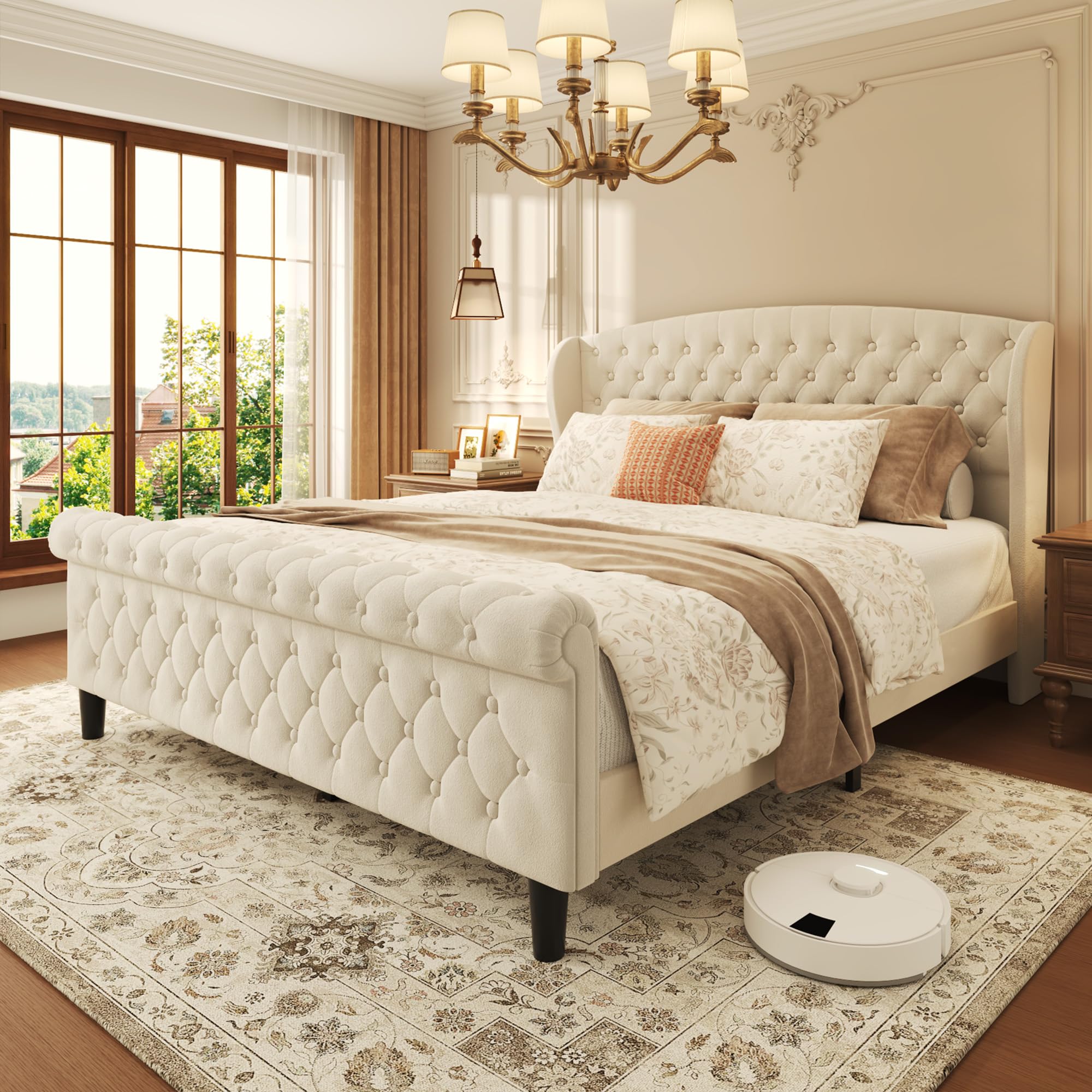
An upholstered style gives you the most comfortable backrest, because padding softens the surface behind your shoulders and head. Tall versions suit people who read or watch TV in bed for long stretches, and the padding buffers the wall from scuffs. Look for dense foam that springs back when pressed. The trade off is upkeep. Fabric collects dust and hair, and spills need prompt blotting rather than a quick wipe.
Wood or Metal Panel Style
A panel headboard in wood or metal offers a firm, flat backrest and a frame that feels rigid once the bolts are snug. Wood brings warmth and weight, while metal keeps the profile slimmer and often costs less. Both wipe clean with a damp cloth. The trade off is comfort while sitting up. You will likely want an extra cushion behind you, and metal joints need periodic tightening to stay quiet.
How We Chose the Best Bed Frames With Headboard
Our criteria came from manufacturer specifications, published weight limits, and patterns in verified buyer feedback about noise and durability. We weighed ergonomics and adjustability, build quality and materials, and size and weight capacity most heavily, then checked assembly and warranty terms. The advice below focuses on details you can confirm on a product page, such as slat spacing and headboard height above the mattress.
How to Choose the Right Bed Frame
Work through the decisions in the order that prevents returns. Size and support come first, then headboard use, then materials, assembly, and budget.
Size and Form Factor
Match the frame to your exact mattress size first, then measure the full outer length and width, because a headboard frame is longer than the mattress alone. Twin and full sizes fit most kids rooms and guest rooms, while queen remains the most common choice for couples. Compare the best queen bed frame options for standard rooms and the best king bed frame options when you have floor space for more width. Leave walking room on both sides.
Type and Mattress Support
Platform bases support the mattress on slats or a solid deck and skip the box spring, which keeps total height lower. If that setup appeals to you, our guide to the best platform bed frame covers slat based designs in depth. Storage frames add drawers under the base, but drawers need clear floor space to open. Canopy and floating styles are mostly about looks, so judge them last, after support and headboard height pass your checks.
Features Worth Paying For
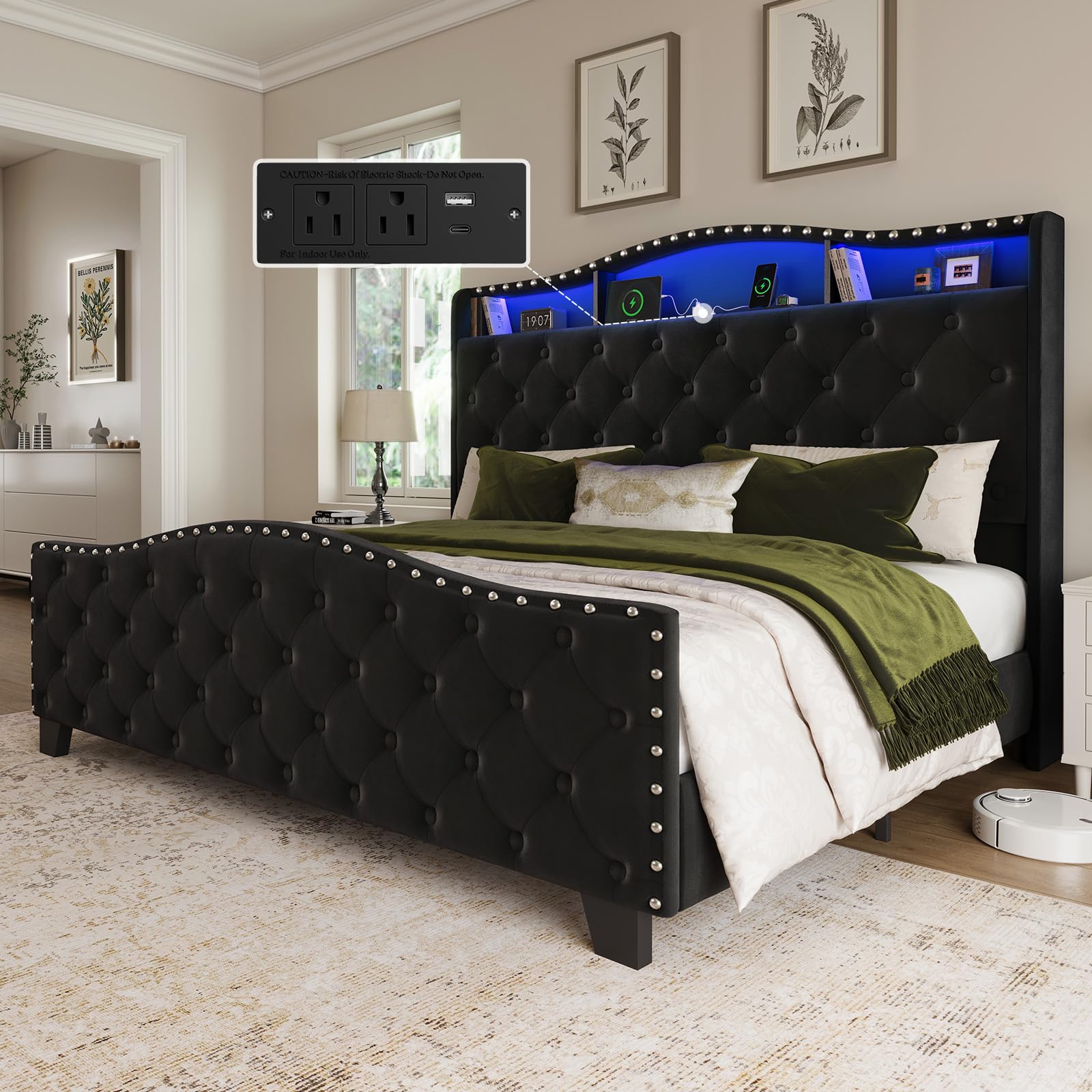
A few additions beyond the headboard earn their cost. Under bed storage helps when closet space is tight, though it raises the frame and can block robot vacuums. A charging station built into the headboard keeps cords off the floor, yet it ties your layout to the nearest outlet. LED lights can serve as soft reading light, but check that the switch is reachable from bed. Skip plug in features if outlets are scarce.
Body Size and Weight Capacity
Published capacity should cover the mattress, all sleepers, and bedding, with room to spare for movement. Heavier sleepers and couples should look for a center rail with a center leg on queen and larger sizes, plus thicker slats that flex less under load. Check slat spacing too, because wide gaps let foam sag and can shorten mattress life. A stiffer base also reduces motion transfer, so one person turning over disturbs the other less.
Adjustability and Ergonomics
True adjustability in this category is limited, so focus on fit points you can change. Some frames offer two or three headboard height settings, which lets you show more headboard above a thick mattress. Others accept an adjustable base inside the frame rails, but you must confirm the inner width and remove the slats first. For sitting comfort, aim for enough exposed headboard to support your upper back with a pillow behind you.
Materials and Durability
Solid wood and quality plywood feel dense and hold fasteners well, while engineered boards keep cost down but chip more easily at corners. Steel frames resist bending and suit higher loads, though thin tubes can squeak at the joints. Our comparison of metal vs wood bed frame materials explains weight, noise, and care differences in detail. For upholstered frames, choose tightly woven cloth if pets climb on the bed.
Assembly and Warranty
Most frames arrive flat and need one to two hours and two adults for larger sizes. Before ordering, scan the manual online for part count and whether the headboard attaches to the rails or stands on its own legs, because rail attached designs feel steadier. Our guide on how to assemble a bed frame shows the usual order of work. A warranty of a few years on the structure is a good sign.
How Much Should You Spend?
Budget frames at about $100 to $200 usually mean thinner slats, shorter headboards, and basic fabrics, which can still suit a guest room. Spending about $200 to $400 typically buys sturdier rails, better slats, and taller, better padded headboards. At about $400 to $700 you pay for solid wood, stronger joinery, and longer warranties rather than extra features. Above that range, cost reflects design and finish more than support.
Do You Really Need a Bed Frame With a Headboard?
You benefit most from an attached headboard if you sit up in bed often, if your pillows slip behind the mattress, or if the bed pushes against a wall that marks easily. The headboard also anchors the look of the room. If you never sit up, the gain is mostly visual, and a plain frame plus wall art may serve you just as well for less money.
Consider the costs too. A headboard adds several inches of length, which matters in short rooms, and tall designs can block a low window or cover an outlet. Separate wall mounted headboards are an alternative, but they need studs or solid anchors. An attached design moves with the frame and needs no wall fixings, which renters often prefer.
Common Mistakes to Avoid
- Measuring only the mattress and forgetting the extra frame length, so the bed blocks a door or vent.
- Choosing a headboard without checking mattress thickness, so only a few inches show above the pillows.
- Buying slats with wide gaps for a foam mattress, so the foam dips and wears unevenly.
- Skipping the center support on a queen or king frame, so the middle sags and the rails creak.
- Placing a tall headboard over the only outlet or a heat vent, so cords strain.
- Over tightening bolts during assembly, so wood splits or metal threads strip and the joint loosens later.
How to Make Your Bed Frame Last Longer
Retighten the main bolts after the first few weeks of use, because new joints settle, and again every few months if the bed starts to creak. Add felt pads under the legs to protect floors, and lift the frame rather than dragging it when you move the bed, since dragging twists the side rails. Keep the area under the bed dry and aired, so moisture does not sit against the rails.
When you change bedding, glance at the slats and center leg to confirm nothing has shifted. Rotate the mattress on the schedule its maker suggests, because even wear spreads load more evenly across the slats. If a single slat cracks, replace it promptly rather than sleeping on the gap, since neighboring slats then carry extra load. Keep spare bolts in a labeled bag taped under a side rail.
FAQ
What is the best bed frame with headboard?
The strongest choice depends on how you use the headboard, so match the style to your habits before comparing prices. Platform styles suit low rooms, upholstered styles suit long reading sessions, and panel styles suit easy cleaning. One check many buyers miss is the return terms for large furniture, because sending a frame back is costly. Favor sellers with clear return windows and replacement part support.
Is a bed frame with headboard worth it?
Yes, for most buyers the combined piece costs less than a frame and a separate headboard bought apart, and it avoids the rattle of a loose headboard knocking against the wall. Buying both as one unit also guarantees the finishes match and the bolt holes align. It is less worthwhile if you plan to switch to an adjustable base soon, because some attached headboards limit base movement.
How long does a bed frame last?
A solid wood or steel frame often lasts ten years or more with bolt checks and careful moving, while frames built from thin engineered board may show loose joints within five to seven years. On upholstered models the fabric can fade or pill well before the structure wears out. Moving house shortens life more than sleeping does, so protect the corners each time you relocate.
Is a bed frame worth it?
Yes, because raising the mattress off the floor improves air flow, makes getting in and out easier on your knees, and creates storage space below. A less obvious point is your mattress warranty, since many makers require a proper supportive base and can deny claims for a mattress used on the floor. A frame also keeps bedding off dusty floors and makes cleaning under the bed possible.
How do you clean a bed frame?
Start by stripping the bedding and vacuuming dust from the headboard, rails, and slats with a brush attachment. Wipe wood and metal with a cloth dampened with water and mild soap, then dry them fully so moisture does not sit in the joints. For upholstered headboards, vacuum first, blot spills at once, and check the fabric care label before using any cleaner.
What is the most reliable bed frame brand?
No single brand is most reliable for every buyer, so judge reliability by evidence you can verify. Look for published weight limits, spare parts you can order after purchase, and a warranty that covers joints and welds rather than finish alone. Read recent buyer reports for repeated themes such as missing hardware. A maker that sells replacement slats years later is a safer long term bet.
Final Thoughts
Choose the style first, then confirm size, slat spacing, exposed headboard height, and total capacity against your mattress and room measurements. The product table above pulls those details together so you can compare at a glance. When you want a backrest, wall protection, and a finished look in one purchase, the best bed frame with headboard is the simplest route, provided the numbers fit your space. Measure twice and check the manual before ordering.