
Best Bed Frame Guide for 2026: How to Choose With Confidence
Disclosure: We may earn a commission when you buy through links on this page, at no extra cost to you. As an Amazon Associate I earn from qualifying purchases. Learn more

Match size, support, slat spacing, capacity and materials to your room and mattress to choose the best bed frame for quiet, steady sleep.
A squeaky or sagging frame can undermine even a very good mattress, while a sturdy frame keeps support even and sleep quiet through the night. Finding the best bed frame starts with your mattress size, your room layout, and how much storage and clearance you need. This guide walks you through types, materials, slat support, and budgets so you can choose once and sleep well for years.
Use the product table to line up the main styles side by side, then read the profiles and feature sections that follow. You will see where a simple platform design is enough, where extra center support matters, and where paying more for solid materials and a longer warranty makes sense. By the end, you will know which specs to check before you order and which extras you can safely skip.

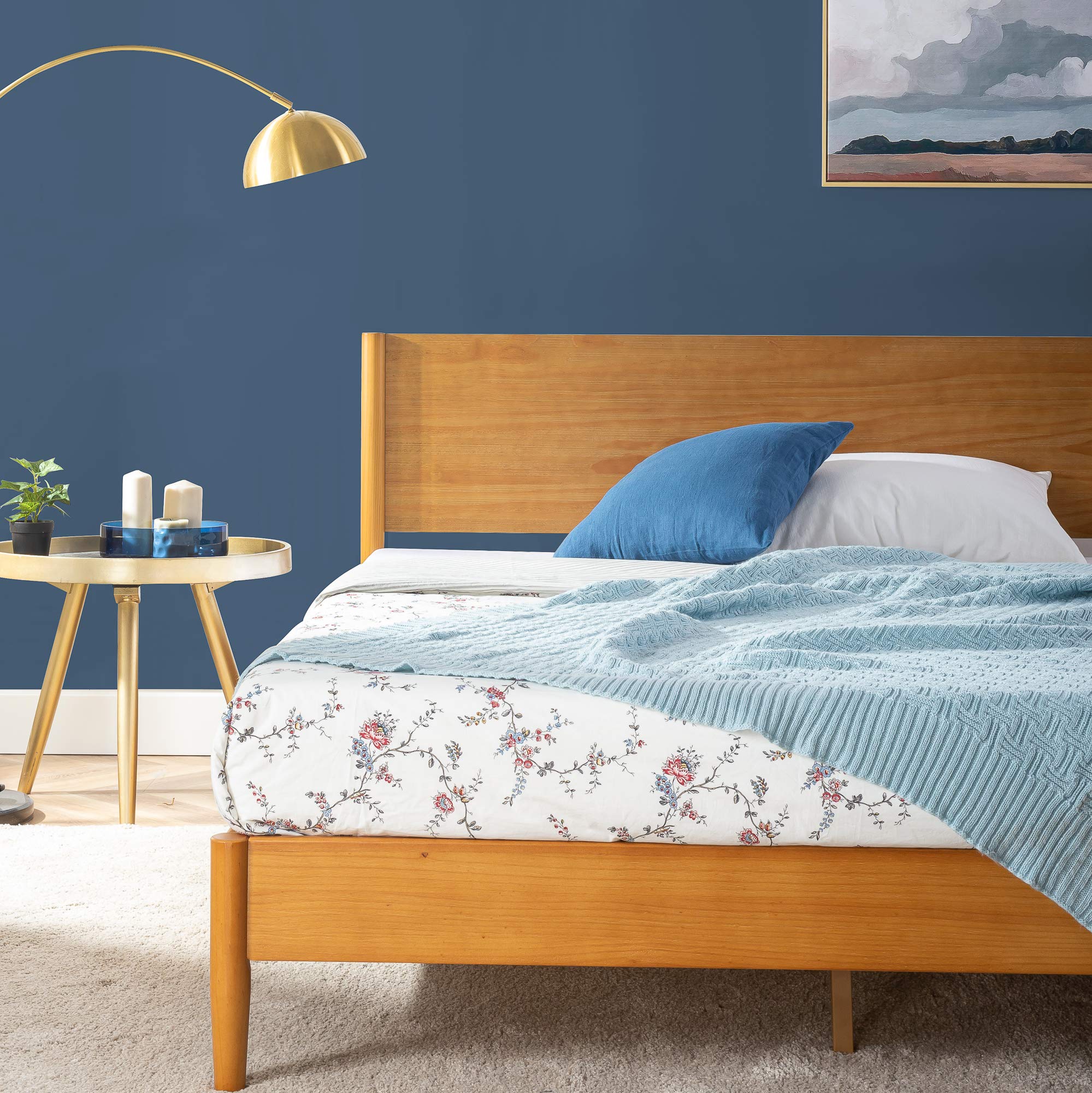

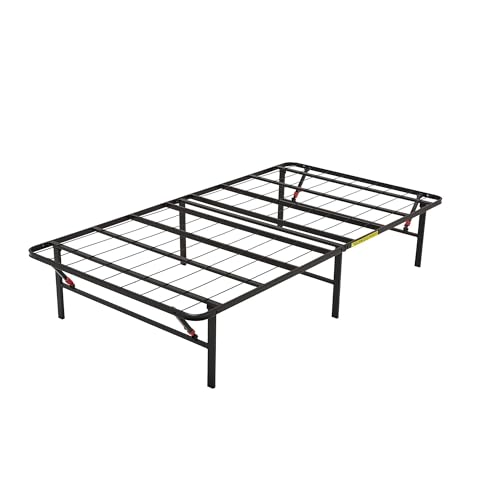

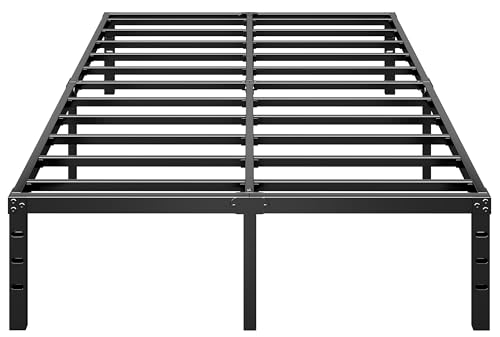

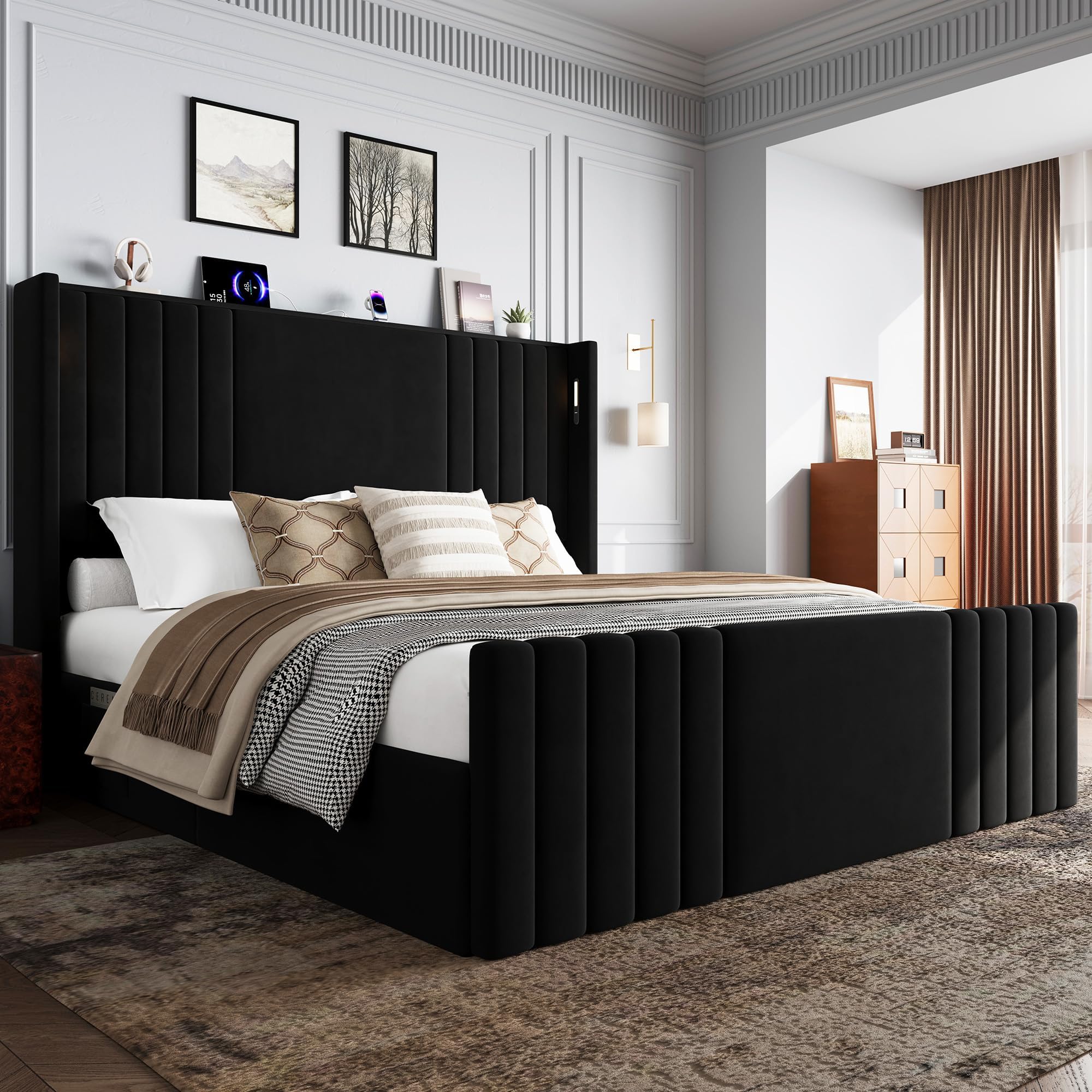
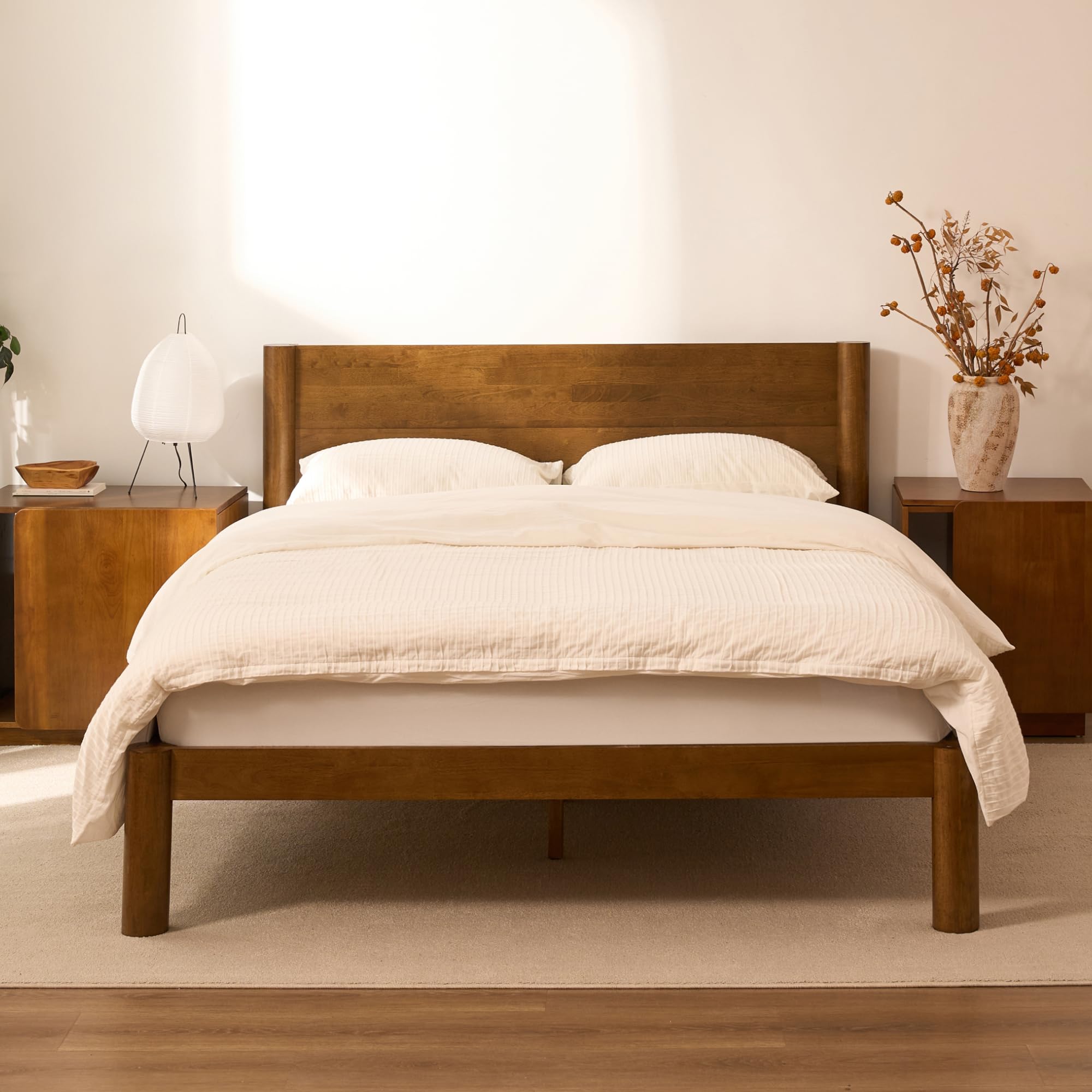


Buying Profiles at a Glance
Most shoppers fall into one of three profiles, and each profile points to a different set of priorities. Match yourself to the closest profile first, then use the feature sections later in this guide to confirm the details for your room and mattress.
- Balanced support: a platform or slatted frame with a center rail, medium height, and durable joinery for everyday use.
- Value focused: a simple metal or wood platform with fewer extras, chosen for a first bedroom, a guest room, or a rental.
- Premium feel: thicker materials, a tall headboard, quieter joints, and finishes that suit a primary bedroom you plan to keep for a long time.
Three Buying Profiles and What to Prioritize
Balanced Support for Most Sleepers
Choose this profile if you want one frame that handles a foam, hybrid, or innerspring mattress without fuss. Look for a center rail with at least one center leg, slats spaced about 2 to 3 inches apart, and a stated weight capacity that covers both sleepers plus the mattress with room to spare. A medium height, around 12 to 14 inches to the top of the platform, keeps getting in and out of bed easy for most adults.
Value Focused Setup for a First or Guest Bedroom
Choose this profile if the bed will see lighter use or if your budget needs to stretch to a mattress and bedding as well. A basic platform design in steel or manufactured wood keeps costs down and assembly simple. Spend your limited budget on correct slat spacing and a center support rather than on decorative extras. This is also where a best platform bed frame often fits, since the built in slats remove the need for a separate foundation.
Premium Feel With Stronger Materials
Choose this profile if this is your main bed for the next decade and you care about quiet joints, rich finishes, and a headboard that supports sitting up to read. Prioritize solid wood or heavy gauge steel, reinforced corners, and connectors that can be tightened again after a move. Upholstered panels add comfort against the wall and soften the look of the room. Expect to pay more, and expect that money to show up in stability and finish quality rather than in gadgets.
Evaluation Criteria to Use Before You Buy
Judge every frame against the same short list so your choice stays objective. Start with support: does the slat system and center rail suit your mattress type and its warranty terms? Move to build quality: are the rails thick, the corners reinforced, and the connectors metal rather than thin plastic? Finish with fit: the inside dimensions, the total footprint, the height, and the stated weight capacity all need to match your mattress, your room, and the people who will sleep on it.
Assembly and warranty complete the picture. Clear instructions, labeled parts, and spare hardware save real time on setup day. A warranty that covers bent rails and broken slats for several years tells you more about durability than marketing language does. If a listing hides its slat spacing, inside dimensions, or capacity, treat that silence as a warning.
How to Choose the Right Bed Frame
The sections below take the decision one factor at a time. Work through them in order, note your answers, and you will have a short and accurate spec sheet to shop with.
Size and Form Factor
Start with the mattress you own or plan to buy: twin, twin XL, full, queen, king, or California king. Measure the room and leave walking space on both sides plus room to open drawers and closet doors. Queen is the most common choice for couples, and our guide to the best queen bed frame covers that size in depth. Also decide on height early, since a low profile frame suits modern rooms and shorter sleepers, while a taller frame helps taller sleepers stand up with less effort.
Frame Type and Support System
Platform frames support the mattress directly on slats or a solid deck, while traditional frames expect a box spring or other foundation under the mattress. The platform bed vs box spring decision affects total height, cost, and how firm the bed feels, so settle it before you compare finishes. Upholstered frames add padding and fabric, canopy and floating designs are mainly style choices, and adjustable bases are a separate category with motors and remotes that need their own compatibility check.
Features Worth Paying For
A headboard is worth paying for if you sit up in bed or if your bed sits away from a wall. Storage is the other feature that earns its cost in small homes: if floorspace is tight, a best storage bed frame with drawers or a lift up deck can replace a dresser. Built in charging and LED lights are pleasant extras, but they should never come before slat quality and frame strength. Skip features you will not use weekly, since every mechanism adds cost and one more joint that can loosen.
Body Size and Weight Capacity
Add up the weight of both sleepers, the mattress, and bedding, then choose a frame rated well above that total. Heavier sleepers and couples who share with a child or a large dog should look for a center rail with multiple legs and thicker side rails. Capacity ratings assume weight spread evenly, so a generous margin matters more than a headline number that just barely covers you. If the listing gives no rating at all, move on to a frame that does.
Height and Under Bed Clearance
Measure from the floor to the top of the platform and add your mattress thickness to picture the final sleep surface. Around 24 to 30 inches total suits many adults, but shorter or taller sleepers will prefer a different target. Clearance under the frame, often about 6 to 14 inches, decides whether storage bins slide in and whether a robot vacuum can pass. Leave a little extra room, since bedding and bed skirts hang lower than the frame itself on most setups.
Materials and Durability
Solid wood brings warmth and can often be repaired or refinished, manufactured wood lowers the price but depends heavily on the quality of its core and veneer, and steel offers high strength in a slim profile. Our comparison of metal vs wood bed frame designs walks through noise, weight, and upkeep for each. Whichever material you choose, check how the slats attach and how the corners join, since those points carry the load and cause most squeaks when they are poorly made.
Assembly and Warranty
Most frames assemble in about 30 to 90 minutes with two people, and the job goes faster when parts are labeled and holes line up cleanly. Read a few owner comments about assembly before you buy, since repeated complaints about missing hardware or vague diagrams predict a frustrating afternoon. Keep the instructions and any spare bolts after setup, and check the warranty length and what it covers. Coverage for structural parts matters far more than coverage for cosmetic finish.
How Much Should You Spend?
Frames under $100 are usually light duty and best kept for guest rooms or short term use. Stepping up to about $100 to $250 buys sturdier steel or wood platforms with proper center support for nightly use. At about $250 to $500 you gain thicker materials, better finishes, and headboards worth having. Spending about $500 to $1000 should bring solid wood construction, quiet and refined joinery, and longer warranty coverage. In every tier, correct support for your mattress matters more than decoration.
Bed Frames by Need
Couples should prioritize a center rail, closely spaced slats, and joints that stay quiet when one person turns or gets up early. If motion and noise have bothered you before, favor heavy rails and connectors you can tighten again later. A top rated bed frame for couples is rarely the lightest option in its size, and that extra material is exactly what keeps the bed calm at night.
Small bedrooms call for restraint. Choose a frame with a footprint close to the mattress size, skip a bulky footboard, and use the space under the bed on purpose rather than by accident. Storage drawers or a modest clearance for bins can remove the need for an extra piece of furniture. Light finishes and a low headboard also help the room feel open, even when the bed itself is a full queen.
Guest rooms and rentals need durability and simple care. Pick a frame that assembles without special tools, wipes clean easily, and uses standard parts you can replace if a slat breaks. A medium height suits the widest range of guests, including older relatives. If the room doubles as a home office, a clean lined platform keeps the space looking tidy when the bed is not in use.
Common Mistakes to Avoid
- Ordering by outside dimensions alone and finding the mattress sits loose or will not fit, because inside dimensions differ by brand.
- Ignoring slat spacing, which can leave a foam mattress unsupported and may conflict with the mattress warranty.
- Choosing height from photos only and ending up with a sleep surface that is awkward to climb into or slide out of.
- Skipping the center rail on a queen or king frame, which invites sagging and noise in the middle of the bed.
- Forgetting to measure doors, stairs, and hall turns, so a long headboard or rail cannot reach the bedroom.
- Placing a heavy frame on a thick rug without checking leg pressure, which can leave deep marks and make the bed feel unstable.
FAQ
What is the best bed frame?
The best choice is the frame that matches your mattress size, support needs, and room with capacity to spare. For most couples that means a platform or slatted frame with a center rail, slats about 2 to 3 inches apart, and solid joinery. One extra check many shoppers miss is the mattress warranty, since many brands require a specific support setup. Confirm that requirement first and let it narrow your shortlist before you compare styles.
How long does a bed frame last?
A well built frame typically lasts about 10 to 15 years of nightly use. Solid wood and heavy steel sit at the long end of that range, while light manufactured wood wears sooner. Moving house is the hidden risk, since each teardown stresses the joints. Label hardware by section before you move, keep every connector in a sealed bag taped to a rail, and your frame will survive the trip in much better shape.
Is a bed frame worth it?
Yes, a proper frame is worth it because it supports the mattress evenly, lifts it off the floor, and protects your sleep quality. Sleeping with a mattress on the floor traps moisture underneath and makes the bed harder to get out of, especially for older adults. A frame also keeps bedding off the floor and makes cleaning under the bed possible. If budget is tight, a simple platform still delivers all of these core benefits.
How do you clean a bed frame?
Start by stripping the bedding and vacuuming dust from slats, rails, and corners with a brush attachment. Wipe wood and metal with a cloth dampened with mild soapy water, then dry at once so moisture does not sit on joints or finishes. Upholstered panels respond well to a fabric safe cleaner used sparingly. While you clean, tighten any loose bolts you find, since grime and wobble often show up together around the same connector.
What is the most reliable bed frame brand?
No single brand is the most reliable for every buyer, so judge reliability by evidence instead of name. Look for published weight capacity, clear slat spacing, metal connectors, and a structural warranty of several years. Availability of replacement slats and hardware is another strong signal, because a maker that stocks spare parts expects the frame to stay in service. Consistent owner reports about quiet sleep after a year of use tell you more than launch reviews do.
Final Thoughts
Choose your size first, settle the platform or foundation question next, and then compare materials, capacity, and clearance against your shortlist. The product table brings those trade offs together so you can see which profile fits your room and budget at a glance. Spend on support and joinery before decoration, and your bed will feel solid from the first night.
When you are ready to order, double check the inside dimensions, slat spacing, and stated capacity one last time against your mattress details. A careful choice of the best bed frame pays you back every night in quieter sleep, better mattress support, and a bedroom that simply works. Prices and availability can change, so check the product page before ordering.


