Best Bed Frames for Small Bedroom (2026): Slim, Storage and Metal Types
Disclosure: We may earn a commission when you buy through links on this page, at no extra cost to you. As an Amazon Associate I earn from qualifying purchases. Learn more
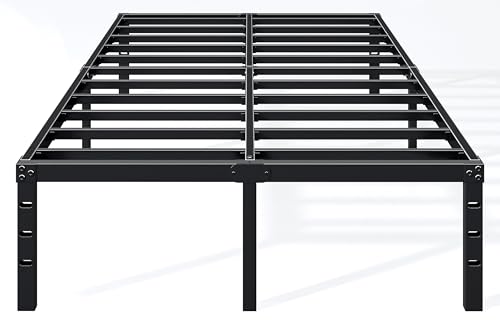
Short on floor space? Compare the best bed frame for small bedroom layouts by footprint, storage, height and capacity.
A bed takes up more floor area than any other furniture in a small bedroom, so the frame decides how the whole room works. A bulky frame can block a closet door, crowd a nightstand, and leave you squeezing sideways to make the bed. The right best bed frame for small bedroom gives you back walking space, adds storage where you have none, and still supports your mattress properly.
This guide compares frame types by footprint, storage, materials, and capacity instead of naming specific models. Use the product table below to see the types side by side, then read on for the measurements and details that matter most in a compact room.
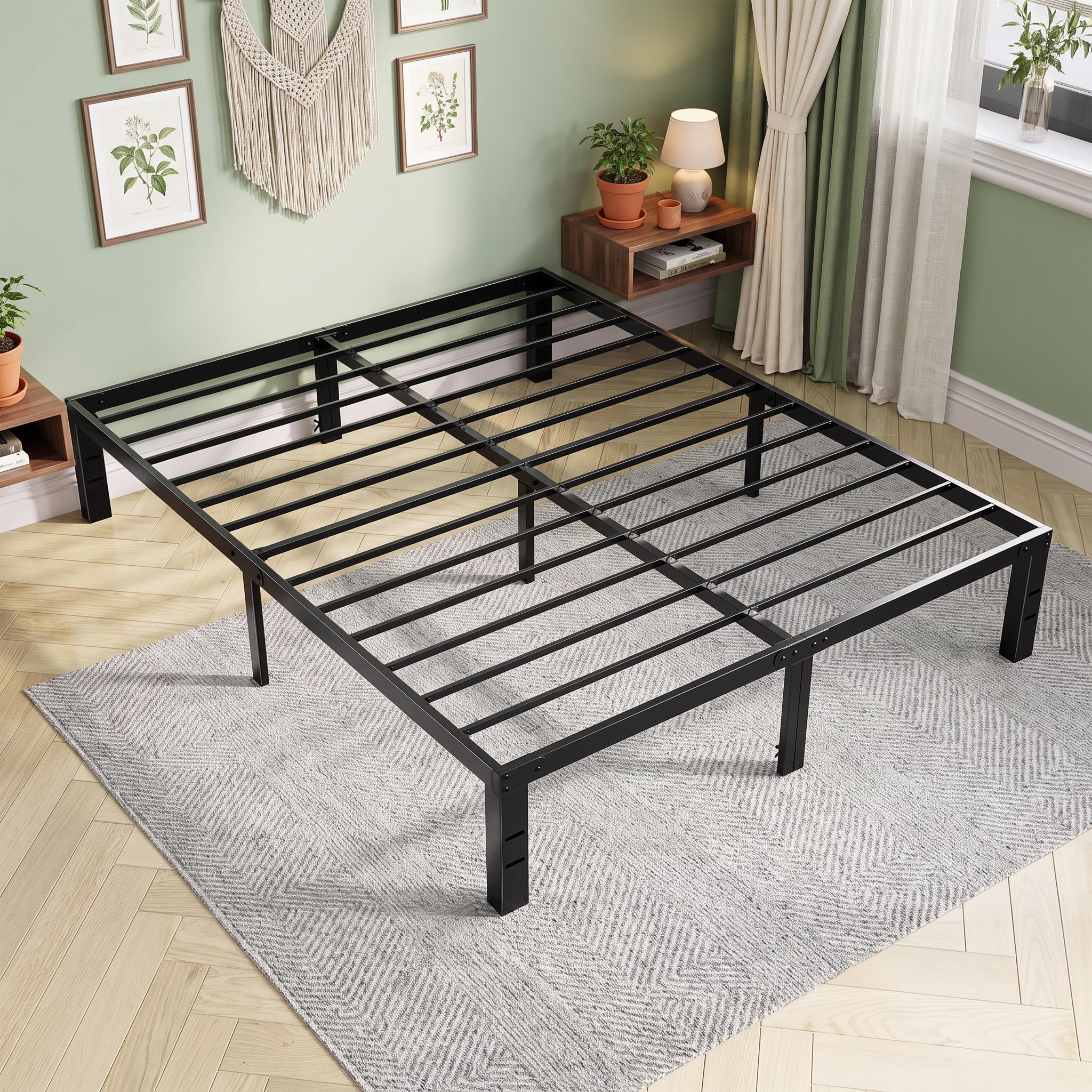

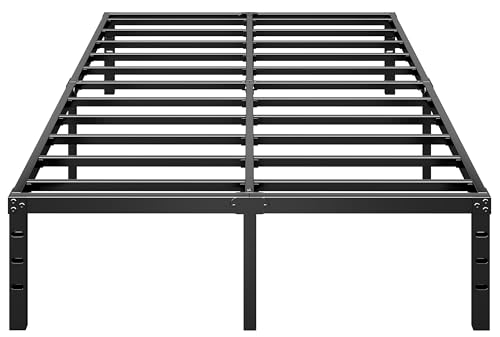


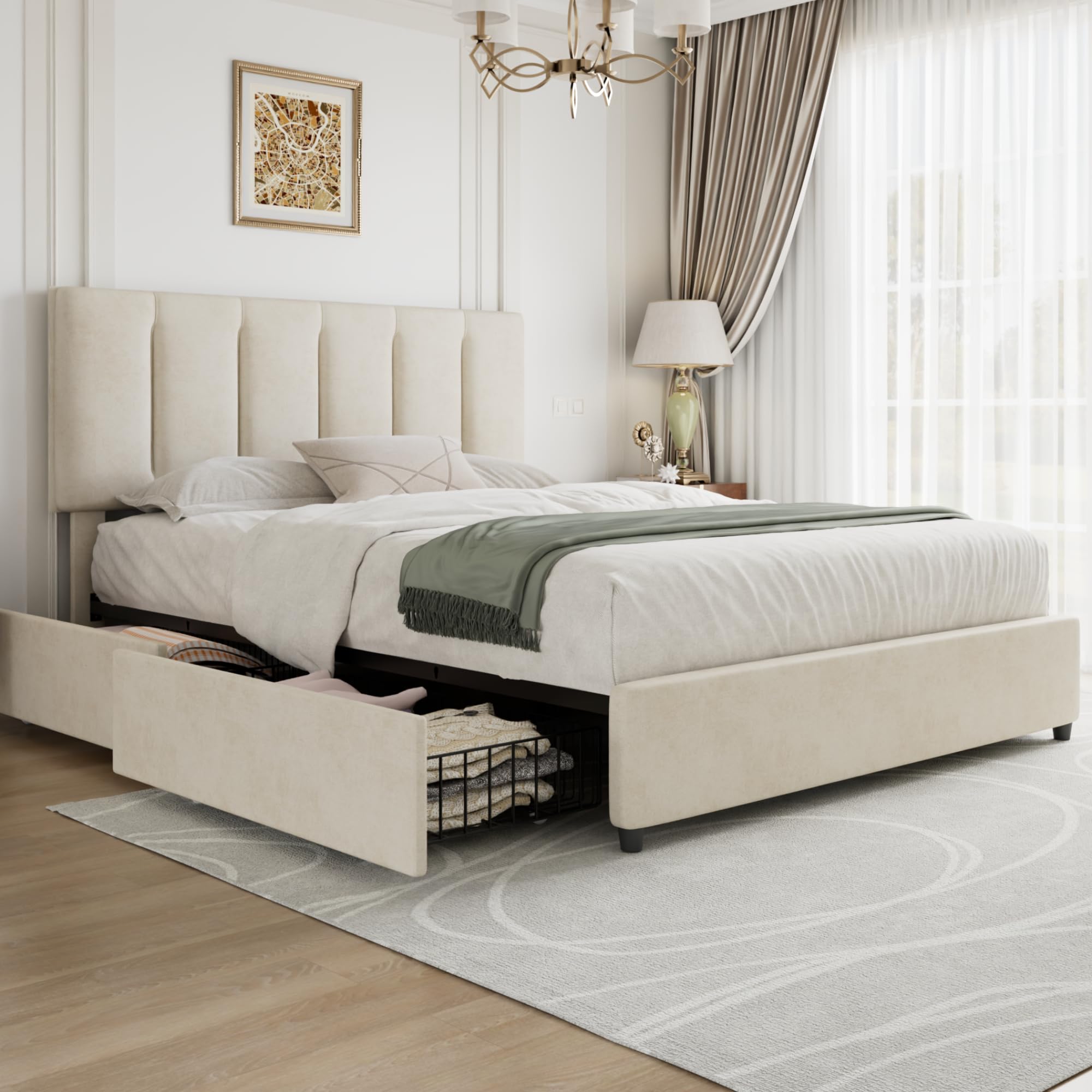
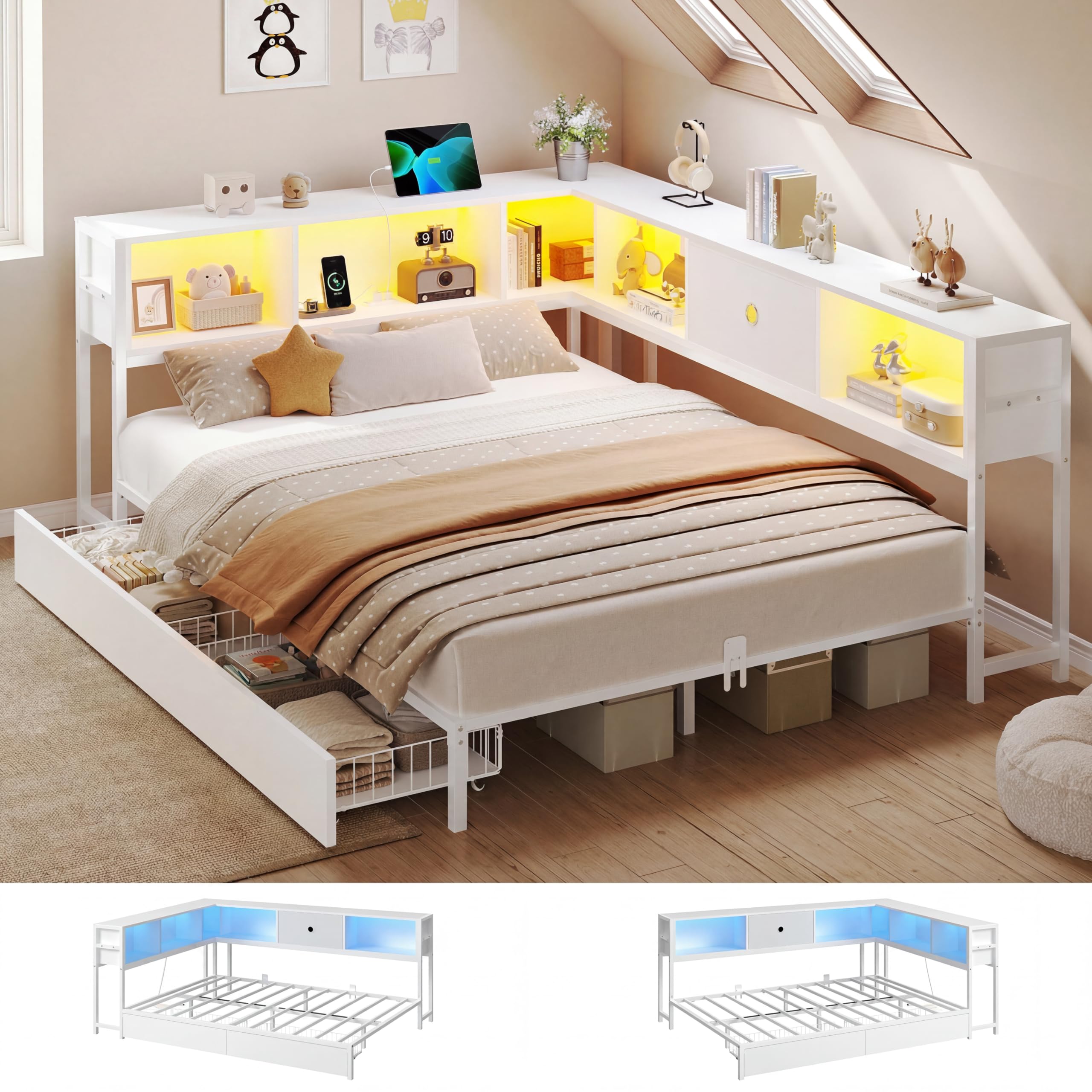

Frame Types at a Glance for a Small Bedroom
Three broad types cover most small rooms. A slim platform has narrow rails, no footboard, and a low height, so it adds the least size beyond the mattress. A storage platform adds drawers or a lift up base, trading a little height for space a dresser would otherwise take. A simple metal frame is light and tall enough to slide bins underneath.
Who Should Buy Which Bed Frame for a Small Bedroom?
Single Sleepers in a Studio or Tiny First Room
You need the bed to share space with a desk or a chair, so every inch of clearance counts. A twin or twin XL slim platform without a footboard leaves the longest open stretch of floor for daytime use. Choose a low height so the bed reads as part of the room, and skip a tall headboard that can block a window.
Couples Sharing a Compact Primary Bedroom
Two people need a clear path on both sides of the bed, plus a frame that stays quiet when one person gets up at night. A queen platform with a center support rail and closely spaced slats gives shared sleeping space without the width of a king.
Hosts Fitting a Guest Bed Into a Tight Spare Room
The room likely doubles as an office, so the frame should assemble easily, move without a struggle, and offer under bed room for guest linens. A light metal frame or a storage platform in a full size usually fits this role best.
Three Frame Types Compared for Small Bedrooms
Slim Platform Frames
A slim platform supports the mattress on slats, so you need no box spring, and its rails sit close to the mattress edge. That close fit often saves several inches of width compared with thick side rails. Choose this type if walking space is your top concern. The trade off is little built in storage, so you will rely on closets for blankets and clothes.
Storage Platform Frames
A storage platform replaces wasted space under the mattress with drawers or a lifting base. Drawers need clear floor space on the side where they open, so check that a nightstand or wall will not block them. A lift up base needs no side clearance, which suits a bed close to a wall, but you lift the mattress weight each time.
Simple Metal Frames With Open Space Below
A basic metal frame has thin legs and rails, a modest footprint, and enough height below for storage bins. It is usually the lightest type to carry through a narrow hallway or up a tight stairway. The trade off is that bins stay visible unless you add a bed skirt, and some light frames flex more under heavier loads.
How to Choose the Right Bed Frame for a Small Bedroom
Size and Form Factor
Start with the mattress size the room can truly hold. A twin is about 38 by 75 inches, a full about 54 by 75 inches, and a queen about 60 by 80 inches. Then add the frame, which can add 2 to 8 inches of length and width depending on rail thickness and a footboard. Leave at least 24 inches of walking space on the side you use most. If a queen leaves no usable path, read our guide to the best queen bed frame options alongside full size frames before you decide.
Frame Type and Support
Platform frames support a mattress directly on slats and suit most foam and hybrid mattresses, as long as slat gaps stay narrow enough for the mattress warranty. Our explainer on best platform bed frame designs covers how slat spacing and center support change the feel of the bed. Frames made for a box spring sit higher and add visual bulk, which rarely helps a small room. Canopy and tall poster styles eat vertical space, so save those for larger rooms.
Features Worth Paying For
Pay first for features that return space. Drawers, a lift up base, or enough clearance for bins all replace other storage furniture. A low or no footboard returns walking room at the end of the bed and makes the room feel longer. A modest headboard is worth it if you sit up to read.
Body Size and Weight Capacity
Check the stated weight capacity, and remember that it should cover the mattress, all sleepers, and bedding together. A frame that is fine for one sleeper may flex or squeak under two people plus a heavy hybrid mattress. Look for a center rail with at least one support leg on full and queen sizes, strong slats, and a capacity with real margin above your combined load, since sagging in the middle shortens mattress life.
Height and Adjustability
Frame height shapes both storage and ease of getting in and out of bed. A low profile frame, often 6 to 10 inches from floor to rail top before the mattress, keeps a small room feeling open. A taller frame with around 12 to 14 inches of clearance below fits storage bins but can make a thick mattress sit high. If you plan to add an adjustable base later, confirm the frame has removable slats and enough inside width, since many storage frames cannot accept one.
Materials and Durability
Solid wood frames feel sturdy and can be refinished, but thick wood rails take more floor space and weigh more to move. Metal frames are slimmer and lighter, and welded joints tend to stay quieter than many bolted joints. Engineered wood costs less, though edges can chip in a tight room where you brush past often. Our comparison of metal vs wood bed frame construction explains how each material handles weight, noise, and wear.
Assembly and Warranty
In a small room you may have to build the frame in place, so check the number of parts and whether the instructions call for two people. Before you start, read our walkthrough on how to assemble a bed frame so you can stage parts outside the room. Look for a warranty of at least a few years covering joints and slats.
How Much Should You Spend?
Basic metal frames often cost under $100 and suit guest rooms, though they offer the least storage. Solid platform frames run about $100 to $300, and this range usually buys better slats, a center rail, and quieter joints. Storage platforms and quality upholstered frames run about $300 to $500, where the extra money goes to drawers and smoother hardware. Spending over $500 should bring solid wood and a longer warranty.
What Matters Most in a Bed Frame for a Small Bedroom
Footprint matters more than style. Two frames can both be sold as queen size yet differ by several inches in outside length, and in a small room those inches decide whether a door opens or a drawer pulls out. Always compare outside dimensions, not just the mattress size in the product name. A low frame with a simple headboard also keeps sight lines open, so the room feels larger even though the floor area is unchanged. If you are also comparing frames for a larger room, our main guide to the best bed frame covers the broader range.
Think about daily movement too. Rounded corners, padded rails, and a height that lets you sit on the edge with your feet flat all add real comfort. A frame that bruises your shin each morning is the wrong frame, no matter how little space it uses.
How to Make Your Bed Frame Last Longer
Tighten all bolts about a month after assembly, then check them twice a year, since small movements in a tight room work hardware loose over time. Keep slats evenly spaced and replace a cracked slat right away, because one weak slat shifts load onto its neighbors. Lift the frame rather than dragging it when you rearrange the room, since dragging bends legs and loosens joints.
Clean by material. Dust wood and metal rails with a dry or slightly damp cloth, vacuum upholstered rails with a soft brush tool, and vacuum under the frame where dust gathers fastest. Our detailed guide on how to clean a bed frame covers stains and deeper cleaning by material.
FAQ
What is the best bed frame for small bedroom layouts?
For most layouts, a slim platform frame with no footboard and thin rails is the strongest choice, since it adds the least extra size beyond the mattress. If your room lacks a dresser, a storage platform can be the better answer despite its slightly larger build.
What should I look for in a bed frame for a small bedroom?
Look first at outside dimensions, then at clearance for doors and drawers, storage that replaces other furniture, and a weight capacity with margin. A useful test is to tape the full outside outline of the frame on the floor with painter tape. Live with the outline for a day and walk your normal routes, since that reveals pinch points that measurements on paper can hide.
How long does a bed frame last in a small bedroom?
A well built metal or solid wood frame often lasts about 10 to 15 years, while lower cost engineered wood frames may show wear sooner. Watch for signs that the frame is near the end of its life, such as a rail that stays bent, joints that loosen again soon after tightening, or slats that crack more than once. Replacing the frame then protects your mattress from uneven support.
Is a bed frame worth it for a small bedroom, or can a mattress go on the floor?
A frame is worth it for most people. Lifting the mattress allows air to move underneath, which helps limit moisture building up in the mattress, and it makes getting in and out of bed easier on your knees. A floor mattress takes the same floor area, so you save no space by skipping the frame.
How do you clean a bed frame in a small bedroom?
Start by pulling bedding off and vacuuming slats, rails, and the floor under the frame, where dust collects quickly in a compact room. Wipe hard surfaces with a cloth that is damp, not wet, and dry them right away. For frames you cannot move alone, use a flat duster or a vacuum with a slim crevice tool to reach the wall side without shifting the whole bed.
What is the most reliable bed frame type for a small bedroom?
Frames with welded metal joints or solid wood rails joined with steel brackets tend to hold up best, since the joints are where most frames fail. Reliability also comes from simple design. Fewer moving parts means fewer things to loosen, so a plain platform usually outlasts a frame with drawers, lights, and hinges. Check that replacement slats and bolts are easy to order before you buy.
Final Thoughts
Measure your room, tape the frame outline on the floor, and choose the type that solves your biggest problem first, whether that is walking space, storage, or a sturdy base for two sleepers. The product table above pulls the compared types together so you can match dimensions to your measurements. When you pick the best bed frame for small bedroom for your layout, you gain floor space and a room that feels planned rather than squeezed.