Best Bed Frame for Heavy People: Capacity and Buying Tips (2026)
Disclosure: We may earn a commission when you buy through links on this page, at no extra cost to you. As an Amazon Associate I earn from qualifying purchases. Learn more
Total load, center support and strong joints keep a frame quiet for years. Compare three types to find the best bed frame for heavy people.
A frame that flexes, squeaks, or sags in the middle makes sleep worse night after night, and the problem grows when the mattress and sleepers together put real load on the rails and slats. Choosing the best bed frame for heavy people starts with total supported weight, strong center support, and joints that stay tight under movement. The comparison table below compares the main frame types on capacity, support, height, and storage, so you can match a type to your room and mattress first.
This guide focuses on the build choices that decide whether a frame feels solid for years. If you want a broader starting point, see our guide to the best bed frame for general sizes and styles, then return here for the higher capacity checks that matter most to heavier sleepers.


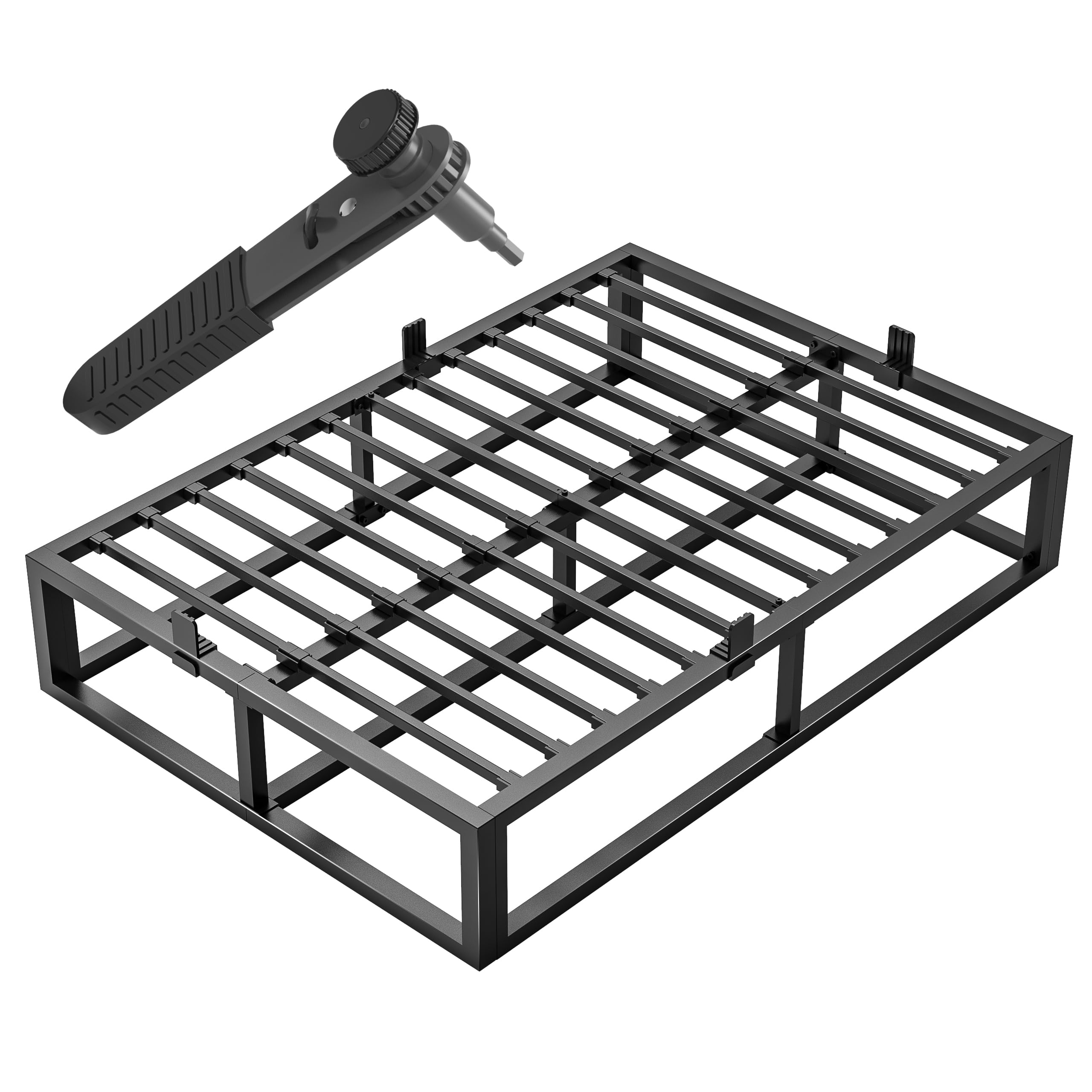
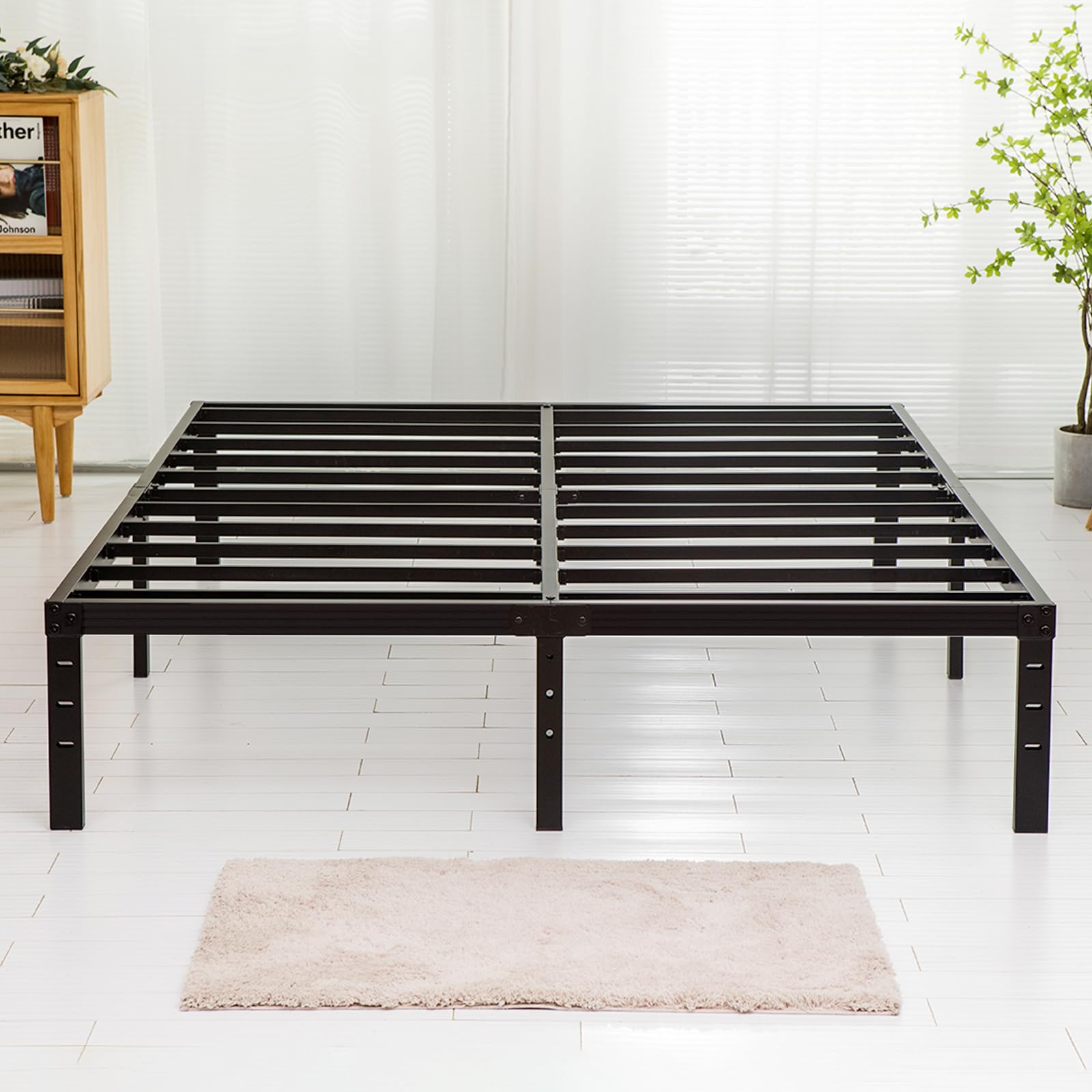


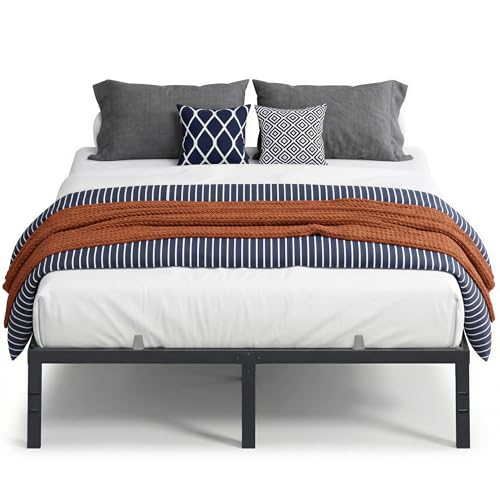

Frame Types at a Glance
Three frame families cover most needs, and each one trades height, noise, and capacity in a different way.
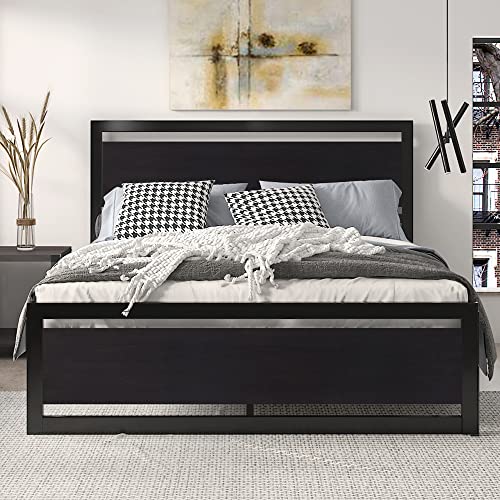
- Solid platform frames give the mattress an even deck with no spring base, and they suit foam mattresses and sleepers who like a lower bed.
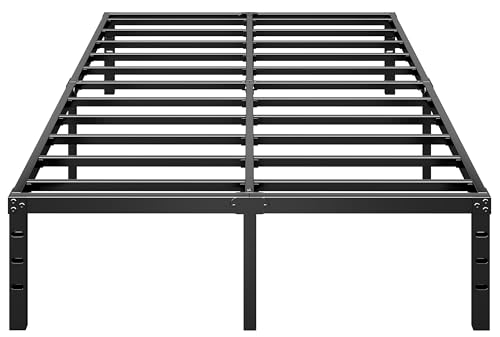
- Steel frames use thick tubing and many legs, and they often carry the highest stated capacities for couples.
- Solid wood frames use thick rails and corner blocks, and they tend to feel quiet and warm in a traditional bedroom.
Three Frame Types Worth Comparing
Solid Platform Frames
A platform frame supports the mattress on slats or a solid deck, so you do not need a spring base under the mattress. That even support helps foam and hybrid mattresses keep their shape, and the low height can make a thick mattress feel less tall. Check the gap between slats before you buy, because wide gaps let foam sink between boards. A solid deck suits the heaviest foam mattresses best, since it leaves no gaps at all.
Steel Frames With Many Legs
Steel frames built for higher loads use thicker tubing, bolted cross supports, and more legs than a basic frame, often nine or more on larger sizes. A center bar that runs from head to foot carries the middle of the mattress, where body weight is greatest. This type is a strong choice for couples and for sleepers who move a lot at night. Add felt pads under each foot on hard floors, because small shifts can otherwise scratch the surface.
Solid Wood Frames
A solid wood frame earns its strength from thick side rails, sturdy corner joinery, and a center support beam on queen and larger sizes. Hardwood rails resist flex better than thin softwood, and bolted corner blocks help the frame stay quiet as you turn. Wood frames are heavier to move and usually cost more than simple steel, so plan on two people for setup. In return, you get a frame that pairs well with a headboard and suits bedrooms where the bed is the main furniture piece.
How We Chose the Best Bed Frames for Heavy People
We compared frame types using five factors that matter under higher loads: ergonomics and adjustability, build quality and materials, size and weight capacity, assembly, and warranty cover. For each factor we relied on maker specification sheets, stated capacity methods where brands publish them, and patterns in verified buyer reviews, such as repeated reports of squeaks or cracked slats. Types that hid their capacity rating or used very thin rails scored lower, no matter how good they looked in photos.
How to Choose the Right Bed Frames for Heavy People
Size and Form Factor
Frames come in twin, full, queen, king, California king, and twin XL, plus low profile and tall variants that change the finished height. Queen is the most common choice for couples who want room without a huge footprint, and our guide to the best queen bed frame covers that size in depth. If you have the floor space and want maximum width for two sleepers, see our guide to the best king bed frame instead. Leave walking room on both sides before you size up.
Type
Beyond platform, steel, and wood, you will see upholstered, storage, canopy, floating, and adjustable friendly designs. Upholstery adds soft padding around the rails, which helps if you bump the frame at night, but fabric needs more care. Storage frames trade open space under the bed for drawers that add weight and moving parts. If even support with no spring base appeals to you most, start with our guide to the best platform bed frame and compare deck styles there.
Features Worth Paying For
A headboard is worth paying for if you sit up to read, because it protects the wall and supports your pillows. Generous clearance under the frame is also worth it, since it lets you store flat bins and clean the floor with ease. Drawers suit small rooms that lack a dresser. Built in charging ports and LED lights are the features to skip for most buyers, because they add cords and failure points that have nothing to do with supporting weight.
Body Size and Weight Capacity
Start by adding up the real load: every sleeper, the mattress itself, and heavy bedding. A thick hybrid mattress can weigh far more than people expect, so include it in your total. Then read how each maker defines its rating, because some ratings cover sleepers plus mattress while others cover sleepers only. For queen and larger frames, treat a center support beam with its own legs as required, not optional. A high number on the box means little if the middle of the frame has no support of its own.
Adjustability
Bed frames offer less adjustment than adjustable bases, but a few points still matter. Some frames let you set the headboard at more than one height, which helps when you change to a thicker mattress. Others leave open space inside the rails so an adjustable base can sit within the frame. If you plan to add a base later for lumbar or leg lift, measure the inside of the rails and confirm the base can move without striking the frame.
Materials and Durability
For steel, thicker tubing and clean welds matter more than a glossy finish, and a lower gauge number means thicker metal. For wood, dense hardwood rails and metal corner brackets outlast thin softwood held by small screws. Finish quality matters too, because chipped paint on steel invites rust in humid rooms. If you are torn between the two families, our comparison of metal vs wood bed frame designs covers noise, upkeep, and cost in more detail.
Assembly and Warranty
Most frames in this class need two people, because long rails and center beams are awkward to hold while you start the bolts. Count the hardware before you begin, and value brands that include spare bolts and clear printed steps. Our walkthrough on how to assemble a bed frame shows the usual order of work. On warranty, check whether cover includes welds and joints or only the finish, and keep your receipt.
How Much Should You Spend?
Frames under $100 are usually basic steel with fewer legs, and they suit a guest room better than nightly use under heavy load. Spending about $100 to $250 gets you thicker steel, more legs, and a proper center bar. At about $250 to $500 you will find solid wood and upholstered frames with stronger joinery and better finishes. Over $500, you mostly pay for thicker hardwood, storage drawers, and longer warranty cover rather than a large jump in stated capacity.
What Matters Most in a Bed Frame for Heavy People
The biggest difference from standard frame shopping is where the load lands. Body weight concentrates at the hips and at the edge where you sit, so a frame can pass a simple total weight test and still feel weak in daily use. That is why center support, leg placement, and rail thickness deserve more attention than style details. A frame that spreads load across many contact points with the floor will feel calm and quiet, while one that carries everything on four corner legs will rock and complain.
Placing the mattress directly on the floor is the usual alternative, and it does remove any risk of frame failure. It also traps moisture under the mattress, makes cleaning harder, and forces you to rise from a very low height each morning. A properly rated frame avoids those trade offs and lifts the mattress to a height that suits your body. Noise is your early warning sign: a frame that starts to creak under normal movement is telling you a joint is working loose.
FAQ
What is the best bed frame for heavy people?
The strongest choice for most buyers is a platform or steel frame with a stated capacity well above your total load, a center support beam, and legs at the middle. Leave a margin above your calculated weight, because sitting down quickly adds force beyond a still sleeping load. That margin, more than any single material, is what keeps a frame solid years later.
What should I look for in a bed frame for heavy people?
Look for slat spacing that suits your mattress type first, a detail many buyers miss. Foam mattresses need slats set close together so the foam cannot dip between boards, while innerspring mattresses tolerate wider gaps. Also check that replacement slats are sold for the frame you pick, because a single cracked board can make an otherwise strong frame useless.
How long does a bed frame last?
A well built steel or solid wood frame often serves for about ten years or more with normal care. The clearest signs that a frame is near the end are persistent flex you can feel when you turn, cracks at a joint or weld, and bolts that no longer stay tight. When two of those signs appear together, plan a replacement rather than another round of small repairs.
Is a bed frame worth it for heavier sleepers?
Yes, because the right frame protects both your sleep and your mattress investment. Many mattress warranties require proper support, and a weak base can void that cover even when the mattress itself is fine. A rated frame also spreads your weight across the floor, which reduces the dents and scratches that overloaded corner legs can leave on wood or laminate flooring.
How do you clean a bed frame?
Start by pulling the frame away from the wall and vacuuming dust from the slats, rails, and the floor beneath, where allergens collect out of sight. Wipe steel with a damp cloth and dry it fully to guard against rust, and dust wood with a dry or barely damp cloth. For upholstered frames, vacuum the fabric with a soft brush tool and treat spills at once, because padding holds moisture.
What is the most reliable bed frame brand?
Reliability tracks construction more than a name, so judge any brand by the support it offers after the sale. Brands that sell spare slats, bolt packs, and center legs, and that publish clear warranty terms, are safer bets than brands that list none of those. Check recent buyer reviews for repeated mentions of the same broken part, because a pattern of identical failures says more than an average star rating.
Final Thoughts
Start from the product table above, match your total load to a rated capacity with room to spare, and then pick the frame type that fits your mattress, your room, and how you get in and out of bed. For most heavier sleepers, the best bed frame for heavy people is simply the one whose center support, leg count, rail strength, and height all suit the way you actually sleep, night after night.