Best Bed Frames for Guest Room (2026): Size, Strength and Quiet Joints
Disclosure: We may earn a commission when you buy through links on this page, at no extra cost to you. As an Amazon Associate I earn from qualifying purchases. Learn more

Compare the best bed frame for guest room use by type, weight capacity, height and quiet joints so every guest sleeps well.
A guest room bed has an odd job. It may sit empty for weeks, then need to feel welcoming for a tall brother, an older parent, or a friend with a sore back, all without any trial run in between. The best bed frame for guest room use is the one that stays quiet, feels solid for every body type, and fits a room that probably serves another purpose the rest of the year.
This guide compares frame types and the criteria that matter most for occasional hosting, including size, weight capacity, materials, and assembly. Use the product table below to see how the main frame styles stack up, then read on for the details that decide whether guests sleep well or just politely say they did.


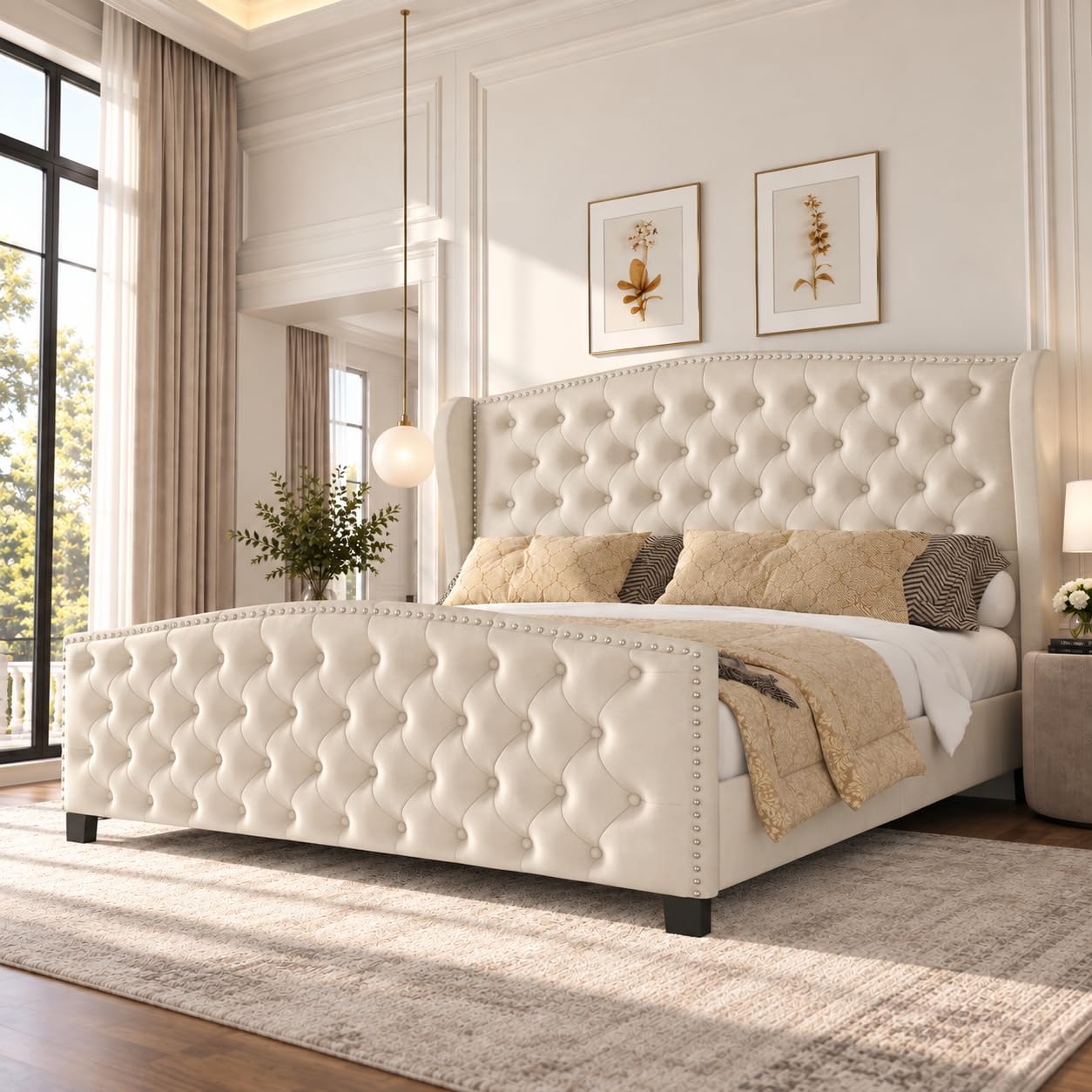


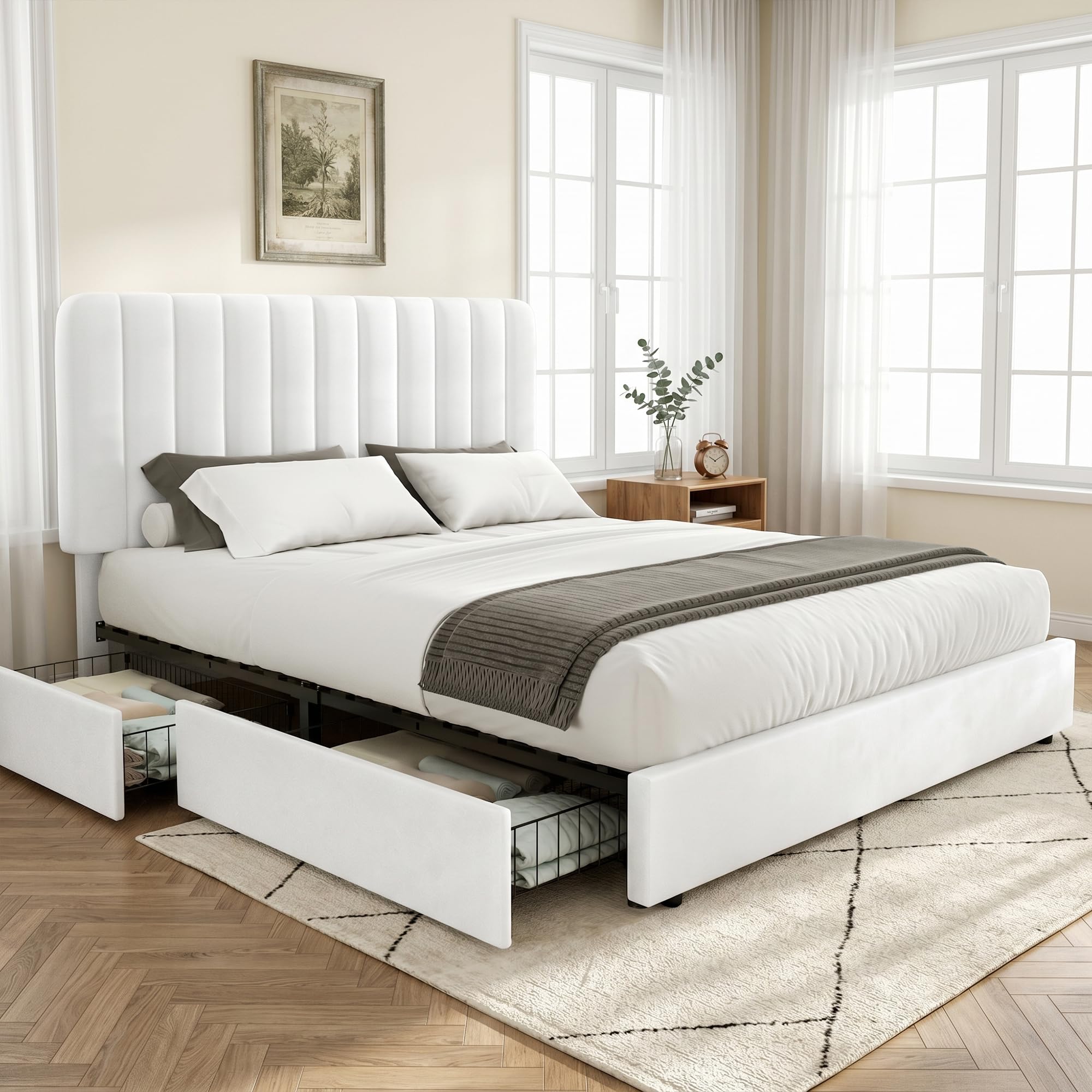
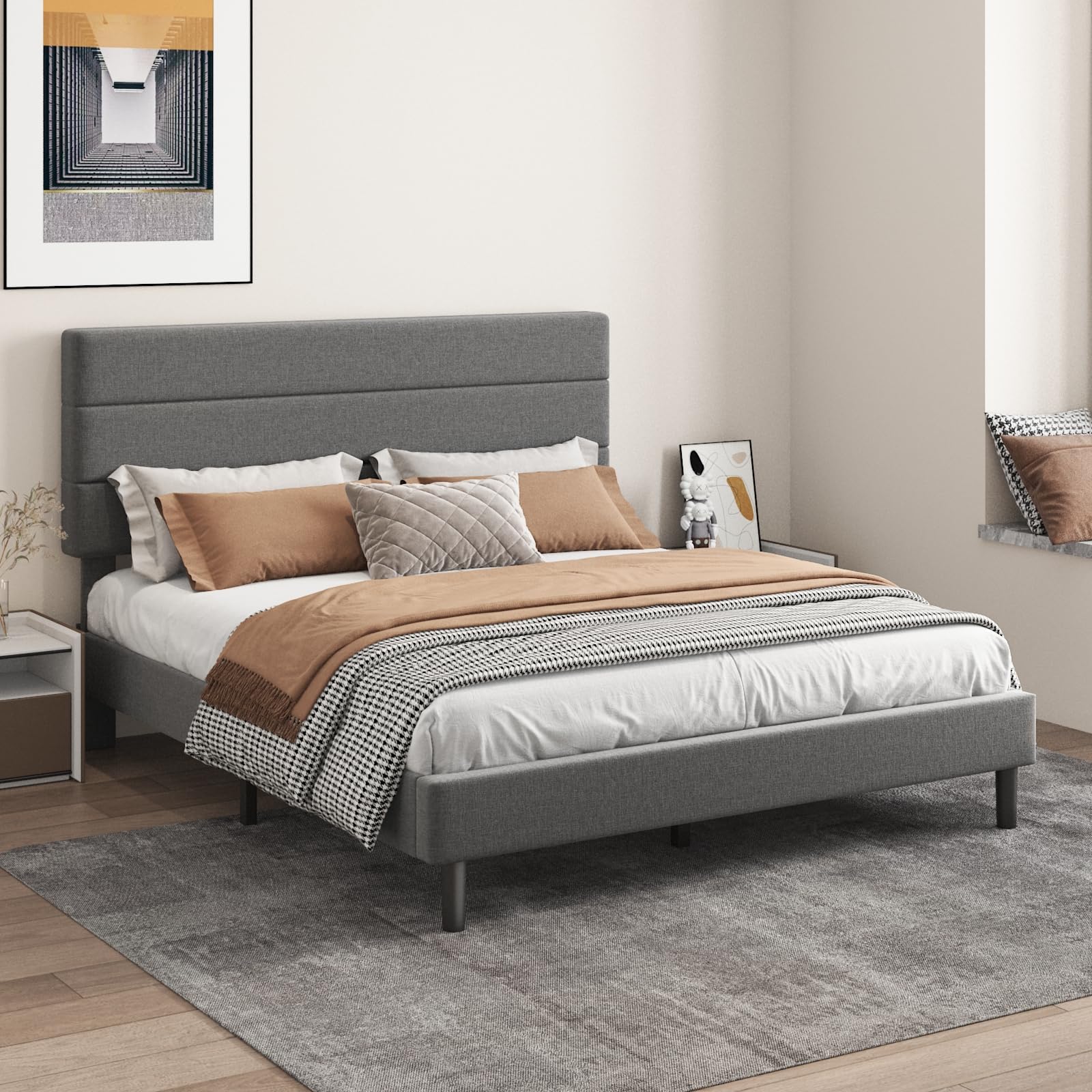
Frame Types Compared for Guest Rooms
Three broad frame styles cover most guest rooms, and each suits a different hosting pattern. A platform frame supports the mattress on slats or a solid deck, so it needs no box spring and keeps the sleep surface at a moderate height that most adults find easy to get in and out of. An upholstered frame adds a padded headboard and soft edges, which suits guests who read in bed and rooms where a softer look matters.
A simple metal frame is the lightest and usually the cheapest option, and it folds or breaks down easily if the room changes roles often. Wood frames sit between the two on price and give the warmest look. If you want the broad shortlist first, our guide to the best bed frame options covers frames for every room in the house, while the sections below narrow the choice to guest use.
How We Compare Bed Frames for a Guest Room
We judge guest room frames on the things a host can actually verify before buying. That means the stated weight capacity and slat layout from the manufacturer, the frame material and joint design, the tools and time the maker says assembly takes, and the length of the warranty. We also weigh how a frame behaves between visits, since a guest bed spends most of its life idle and still needs to feel solid on the first night someone sleeps on it.
How to Choose the Right Bed Frame for Guest Room Use
Size and Form Factor
Queen is the default for a reason. It sleeps two adults without crowding and still leaves walking space in a typical spare room, and our rundown of the best queen bed frame options explains the footprint in detail. A full size saves about 6 inches of width and suits single guests or smaller rooms. Twin and twin XL frames fit narrow rooms and work well in pairs. King and California king frames only make sense in a large room, since the frame, bedding, and nightstands together can swallow the floor space guests need for luggage.
Type and Mattress Support
Platform frames are the most forgiving choice for guests because the mattress rests directly on the frame, so there is one less bulky piece to buy, store, and keep from squeaking. Our comparison of the best platform bed frame styles shows how slat spacing and center support change the feel. If you already own a box spring you want to keep using, read our guide to platform bed vs box spring setups before you decide, because a frame built for one support style often performs poorly with the other. Storage frames with drawers help when the room has no spare closet, while plain open frames leave room for suitcases underneath.
Features Worth Paying For
A headboard earns its cost in a guest room because it stops pillows sliding into the gap at the wall and gives guests a backrest for reading. Under bed clearance of about 12 inches lets visitors slide a suitcase out of sight, which keeps a small room feeling calm. Rounded corners matter more than they sound, since guests navigating an unfamiliar room at night bump into frame edges. Built in charging and lights are pleasant extras, but they add parts that can fail while the bed sits unused, so treat them as bonuses rather than reasons to buy.
Body Size and Weight Capacity
Your guests will vary more than the people in your own bedroom, so buy capacity for the largest plausible pair, not the average visitor. Look for a stated capacity that covers two adults plus the weight of the mattress itself, and favor frames with a center rail and extra legs under the middle, since that is where loads concentrate. A frame that flexes or creaks under a heavier guest feels cheap no matter how nice it looks, and a restless first night is hard for a host to fix after the fact.
Materials and Durability
Solid wood and sturdy steel both hold up well over years of light use, and choosing between them comes down to look, weight, and how the joints are made. Welded steel joints tend to stay silent, while bolted joints of any material can loosen over time and start to creak. On wood frames, look for thick side rails and slats that sit in notches or screw down, not thin slats resting loose in a frame. Upholstery should be a tight woven fabric that resists snagging, since guest bedding gets changed and dragged across it often.
Assembly and Warranty
Guest room frames often get assembled once, then moved or stored when the room changes, so clear instructions and labeled parts save real frustration. Our walkthrough of how to assemble a bed frame shows the usual order of steps and the tools most frames need. Prefer designs where the hardware can be tightened again later, because a frame you can service is a frame that stays quiet. A warranty of at least a few years signals that the maker expects the joints and slats to last, and it gives you recourse if a weld cracks early.
How Much Should You Spend?
Basic metal frames run about $100 to $200 and do the job for rare guests. The middle ground of about $200 to $500 buys sturdier platforms, better slats, and headboards, and it is where most hosts get the best balance. Spending about $500 to $1,000 brings solid wood, refined upholstery, and storage drawers. Because a guest bed sees far fewer nights than your own bed, paying for looks and quiet joints usually matters more than paying for exotic features.
What Matters Most in a Guest Room Frame
The modifier here is the room itself. A guest room bed must suit people you do not choose, in a space that rarely exists only for sleeping. Height is the first test. A sleep surface around 24 to 30 inches from the floor lets older guests sit on the edge and stand without pushing off with their arms, while very low frames look stylish but can be genuinely hard for anyone with stiff knees.
Quiet is the second test, because guests sleep lightly in a strange room and every creak wakes them. Third, the frame should play well with the other role of the room, whether that is an office, a craft space, or storage for the rest of the house. Finally, it should clean up fast. A frame you can dust, vacuum under, and remake in a few minutes makes hosting feel easy instead of like a project you put off.
Common Mistakes to Avoid
- Buying a low profile frame for older guests, who then struggle to stand up from a surface close to the floor.
- Choosing a size that fills the room wall to wall, leaving guests nowhere to open a suitcase or walk to the door.
- Skipping the center support rail on a queen, so the middle sags and two guests roll toward each other.
- Pairing a platform frame with a box spring anyway, which raises the bed too high and can void the mattress warranty.
- Assembling the frame loosely to save time, so joints work free over the first few visits and the bed starts to creak.
- Spending the whole budget on looks while ignoring the stated weight capacity, which is the spec your largest guests will test.
How to Make Your Guest Room Bed Frame Last Longer
Guest frames age differently from everyday frames. They carry weight rarely, but they sit in rooms that may run warm, cold, or damp between visits, so check yours before each stay rather than on a fixed schedule. Tighten every bolt and screw by hand, confirm the slats sit flat and evenly spaced, and look along the side rails for cracks or bent brackets.
Keep the frame clean so dust and grit do not work into the joints, where they speed up wear and noise. Our guide to how to clean a bed frame covers wood, metal, and upholstered surfaces in detail. If the room doubles as storage, avoid stacking heavy boxes on the guest mattress, since long compression can bow slats and leave the sleep surface uneven for the next visitor.
FAQ
What size bed frame works best in most guest rooms?
Queen suits most guest rooms because it sleeps two adults and still leaves floor space for luggage. Before ordering any size, measure the route the frame pieces must travel, including doorways, hall turns, and stairs. Long side rails and one piece headboards are the parts most likely to get stuck, so a frame that ships in shorter sections can be the smarter choice for upper floor rooms.
How much weight should a guest room bed frame hold?
Add up the real load before you shop. Two adults can weigh 350 to 450 pounds together, and a queen mattress can add about 80 to 120 pounds on top of that. Pick a frame rated comfortably above the combined total rather than right at it, because people sit on edges, shift in the night, and add load in ways a flat rating does not capture. A margin of safety is what keeps the frame silent under your heaviest guests.
Is a headboard necessary on a guest room bed frame?
No, but it solves two guest specific problems. It keeps pillows from slipping behind the bed during the night, and it protects your wall paint from being scuffed by a frame that shifts slightly with use. If you skip the headboard, pull the frame a small gap from the wall and choose pillows with enough loft to fill it, or guests will spend the first night fishing a pillow off the floor.
Does a guest room bed frame need a box spring?
Only if the frame was designed for one. Platform frames support the mattress on slats and adding a box spring on top makes the bed awkwardly tall. Traditional metal rails, by contrast, leave the mattress unsupported without a box spring or a bunkie board. One point hosts miss is that many mattress warranties require slat gaps below a stated width, so check the slat spacing on a platform frame against the warranty terms of the mattress you already own.
How long does a bed frame last in a guest room?
Often longer than a frame in a main bedroom, since it may host only a few dozen nights a year. The weak points are not the rails but the hardware and joints, which can seize, rust in a damp room, or loosen each time the frame is moved. A frame stored in pieces between uses ages fastest at the bolt holes, so keep the hardware bag taped to a rail and inspect the threads before every rebuild.
Final Thoughts
Start with the size your room can honestly hold, then choose the quietest, sturdiest frame in your budget that guests of every build can use with ease. The product table above pulls the comparison together if you want the short version. Chosen well, the best bed frame for guest room hosting is the one your visitors never think about, because they simply slept well and said so at breakfast.