
Best Beaver Trapping Sets: Everything to Know Before Your First Purchase for 2026
Disclosure: We may earn a commission when you buy through links on this page, at no extra cost to you. As an Amazon Associate I earn from qualifying purchases. Learn more
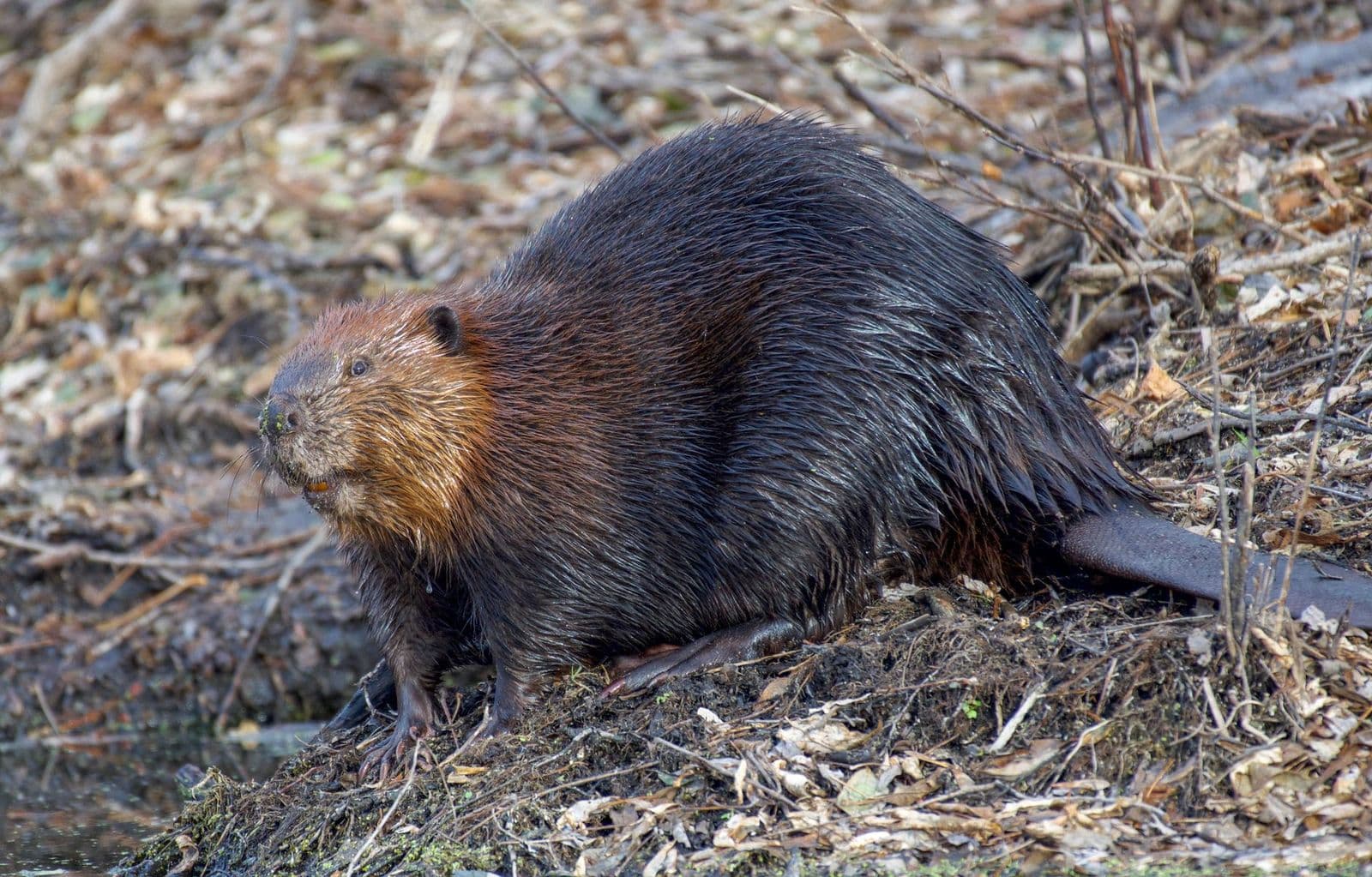
Beaver trapping sets explained for first time buyers: trap types, sizing, hardware, safety and state rules, so your first season stays lawful and safe.
Buying trapping gear for the first time is confusing because the terms, sizes, and legal rules all arrive at once. A set that suits an experienced trapper on private land may be illegal or unsafe for a beginner elsewhere. Learning how best beaver trapping sets are sized, built, and regulated will save you money and keep your first season lawful and safe.
This guide starts with plain language basics, then explains each key spec and what level to choose. The sections below explain the main options and help you match a set to your land, your experience, and your state rules.
Beaver Trapping Sets 101: The Basics
A beaver trapping set is a kit built around traps sized and strong enough for a large, powerful, water loving rodent. Most sets include one or more traps, plus basics such as stakes, wire, tags, and sometimes gloves or a setting tool. Beavers work along ponds, streams, and ditches, so sets are designed for use in or near water as well as on bank slides and dam crossovers.
Two broad trap families appear in most sets. Body grip traps close around the animal as it swims or walks through, while foothold traps hold a foot and are usually paired with a drowning setup in deep water. Cage traps capture the animal alive and are heavier and costlier, but they suit areas where other animals or pets are a concern. Beginners should also learn terms such as jaw spread, which is the opening width, and pan tension, which is the pressure needed to fire a foothold trap.
Rules matter as much as hardware. Every state sets seasons, trap size limits, tagging duties, and check intervals, and many require a trapping license and a trapper education course. Read your state regulations before you buy anything, because a trap that is legal in one state may be banned in the next.
Key Specs Explained in Plain English
Each spec below sounds technical but points to a simple question about fit, strength, or upkeep. Use the suggested levels as a starting point, then confirm them against your state rule book.
Intended Use and Who It Is For
Decide whether you are removing nuisance beavers that flood a road or field, or trapping for fur during the legal season. Nuisance work often needs fast, reliable sets and may require a separate permit outside the season. Fur trapping rewards durable gear that can be reused for years. Landowners with one small pond need far fewer traps than someone running a long creek line with many active colonies.
Maintenance and Long Term Costs
Steel traps need care to keep working in mud and water. Expect to clean, dry, and lightly oil or wax traps between seasons, and to replace springs, chains, and swivels over time. Dye or dip treatments slow rust and reduce shine and scent. Budget for tags, replacement wire, stakes, and setting tools as ongoing costs. A cheap set with weak springs can cost more in lost catches and early replacements than a sturdier set.
Warranty and Customer Support
Traps are simple tools, so warranty cover is usually limited to defects in materials or workmanship rather than wear from field use. Buy from established sellers who list jaw spread, spring type, and steel gauge clearly and who answer sizing questions. Good support matters most when a spring or trigger part needs replacing. Keep receipts and part numbers, because matching a replacement spring to an older trap is much easier with paperwork.
Price vs Value
Budget sets around $40 to $90 usually include a few basic traps and minimal hardware and suit a single small site. Mid range sets around $90 to $200 add stronger springs, better chains, and setting tools, which most beginners should target. Premium sets above about $200 focus on heavy gauge steel and larger counts for long lines. Judge value by cost per working trap plus the hardware included, not by the headline piece count.
Size, Weight, and Fit for Your Space
Jaw spread is the key size figure, and beaver sized body grip traps are commonly in the larger classes allowed for water sets. Bigger traps are heavier and harder to carry along a creek, and they need secure staking in soft mud. Consider how far you will walk with your gear and whether you can transport it in a pack or sled. If you plan to target smaller species in other seasons, our guide to the best mink trapping sets shows how sizing changes for a much smaller animal.
Safety and Certifications
Safety starts with training and the right setting tools, because large body grip traps can seriously injure hands. Always use setting tongs and safety grippers, keep traps pointed away from your body, and never reach across a set trap. Wear gloves, watch your footing on wet banks, and tell someone where you will be working. Follow state rules on identification tags, daily checks, and setback distances from trails and homes, and take a trapper education course if your state offers or requires one.
Rookie Mistakes to Avoid
Most first season problems come from a short list of avoidable errors. Read these before your first purchase and again before your first day in the field.
- Buying before reading state regulations, then discovering your trap size or season is not legal where you plan to work.
- Choosing traps that are too small or too weak for beaver, which leads to escapes, damaged gear, and educated animals.
- Skipping setting tools and safety grippers to save money, even though large traps demand them for safe handling.
- Setting too close to trails, homes, or areas where dogs roam, instead of respecting setbacks and using cage options where needed.
- Forgetting tags, stakes, and spare wire, so a set cannot be made legal or secure when you reach the site.
Many of these lessons carry across species, although sizes and habits differ. If fox work is also on your list, our guide to the best fox trapping sets explains dry land sets that contrast with the water sets used for beaver.
Getting Started: Setup and First Use
Begin on land where you have written permission, and scout first for signs such as fresh cuttings, slides, scent mounds, and active dams. Read any instructions packed with your traps, and practice setting each trap at home with tools until the motion feels controlled. Clean and inspect regularly, checking springs, triggers, and chains before every outing.
On site, choose stable footing, stake or wire the trap securely so a strong animal cannot drag it away, and attach your legal identification tag. Keep your check route realistic so you can visit every set within the interval your state requires, in all weather. For broader comparisons across large predators and other furbearers, our guide to the best wolf trapping sets and our guide to the best trapping sets for fisher show how set design changes with the target animal.
FAQs
What features matter most when buying beaver trapping sets?
Legal size, spring strength, and secure anchoring hardware matter most. A trap must match your state limits and hold a strong animal in mud and current without shifting. One feature beginners overlook is chain quality with good swivels, which reduces twisting and gear damage. Strong chain and swivels often separate a frustrating set from a reliable one.
Are expensive beaver trapping sets worth it?
Expensive sets are worth it when you trap often, run many sets, or work rough sites where weak steel bends and cheap springs tire quickly. They are harder to justify for one small nuisance job. Consider rental, borrowing through a local trappers association, or a mid range set first, then upgrade once you know your season length and target numbers.
How much should I spend on a beaver trapping set?
Most beginners should plan around $90 to $200 for a set with sound traps, anchoring hardware, tags, and setting tools. Spending far less often means replacing weak parts within a season. Remember to add license fees, education course costs where required, and transport costs to your real budget, because the traps alone are only part of a lawful first season.
How do I maintain a beaver trapping set?
You maintain a set by washing off mud, drying traps fully, and storing them in a dry place between uses. Light oil on springs and moving points slows rust, while dye or dip adds protection for the next season. Check each trigger on a stick before setting day, and replace any spring that feels soft, since weak springs fail at the worst moment.
How long does a beaver trapping set last?
A well kept steel set can last many seasons, often a decade or more, because the basic design has few parts to wear out. Springs and chains are the usual replacement items. Life shortens fast when traps sit wet in a truck bed or shed corner, so dry storage after each trip is the single habit that adds the most years.
Wrapping Up
Put legality first, spring strength and anchoring second, and price third, and your first purchase will serve you well. Chosen with care, best beaver trapping sets give a new trapper safe, lawful, and durable gear for many seasons on the water.


