Best Bean Bag Chairs for Sensory Integration in 2026: Everything to Know Before Your First Purchase
Disclosure: We may earn a commission when you buy through links on this page, at no extra cost to you. As an Amazon Associate I earn from qualifying purchases. Learn more

Compare bean bag chairs for sensory integration by fill, pressure, texture, size and safety, with sizing, setup and care guidance for calm seating at home.
Choosing a seat for calming input feels different from choosing ordinary lounge furniture. The best bean bag chairs for sensory integration wrap around the body, give steady pressure, and let the sitter shift without falling off an edge. This guide moves step by step from the basics to sizing and care, so you can use the comparison table below with confidence.
Think first about who will sit and what feeling helps that person settle. A child who seeks pressure, a teen who needs a quiet break, and an adult who reads to unwind will not need the same size, fill, or cover texture.



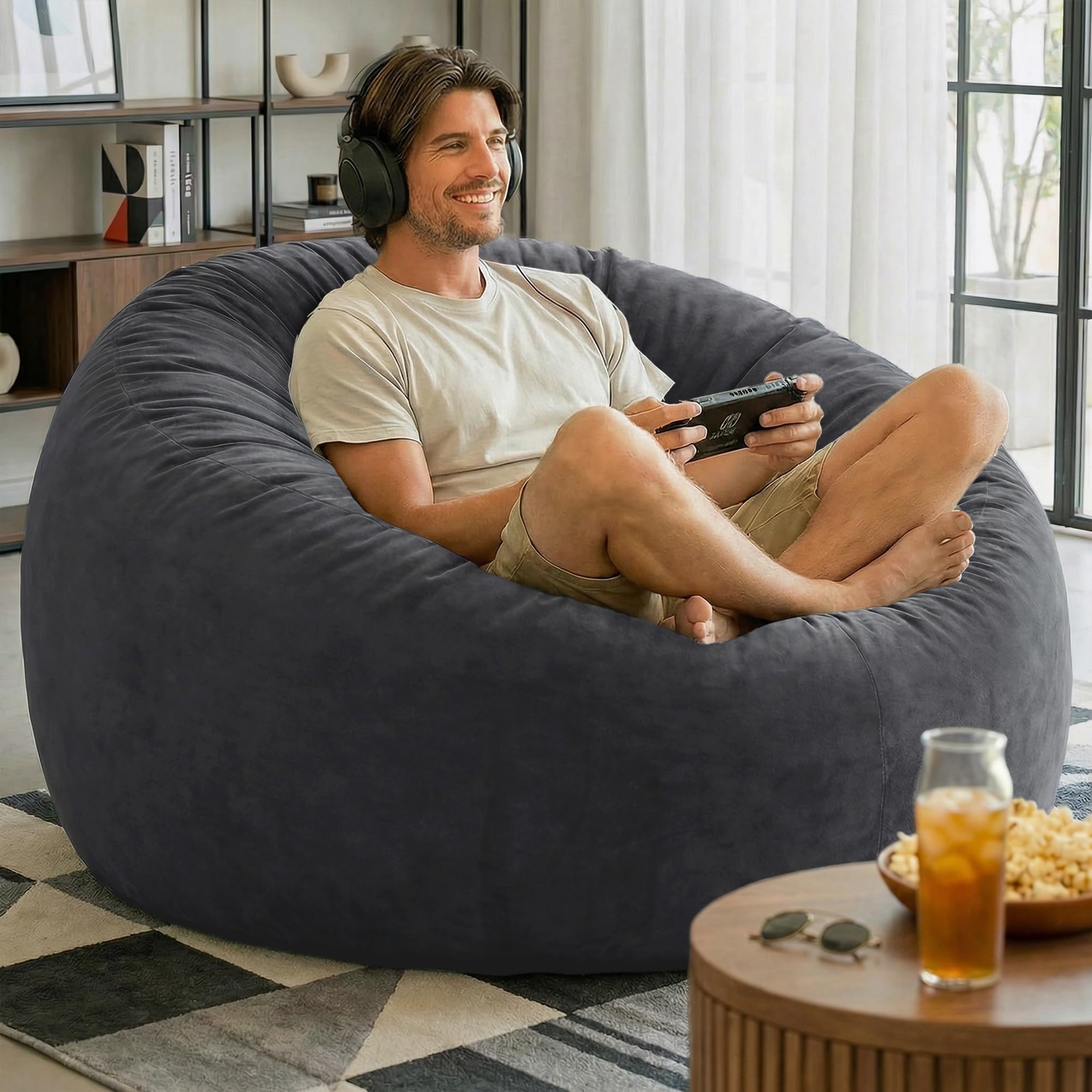

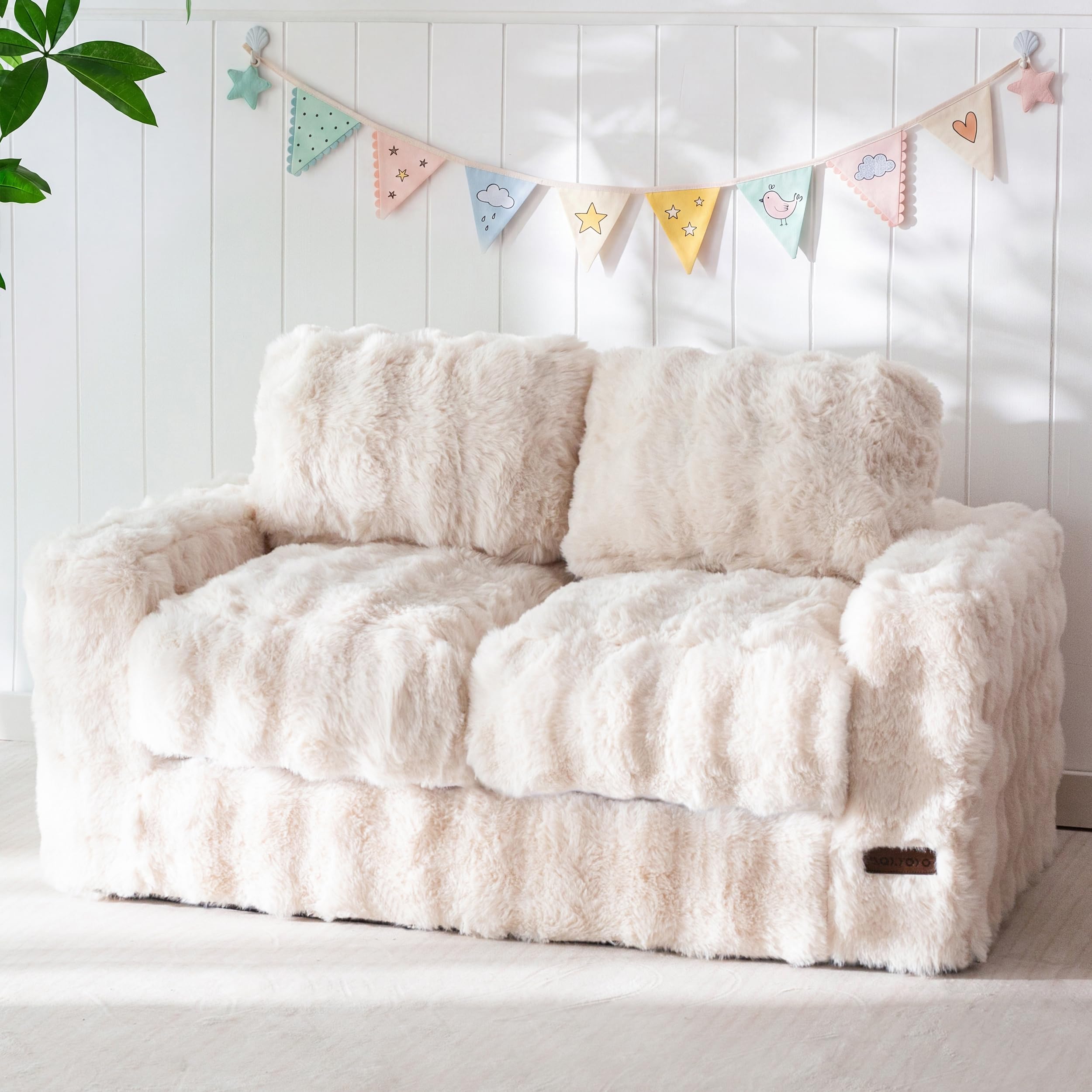
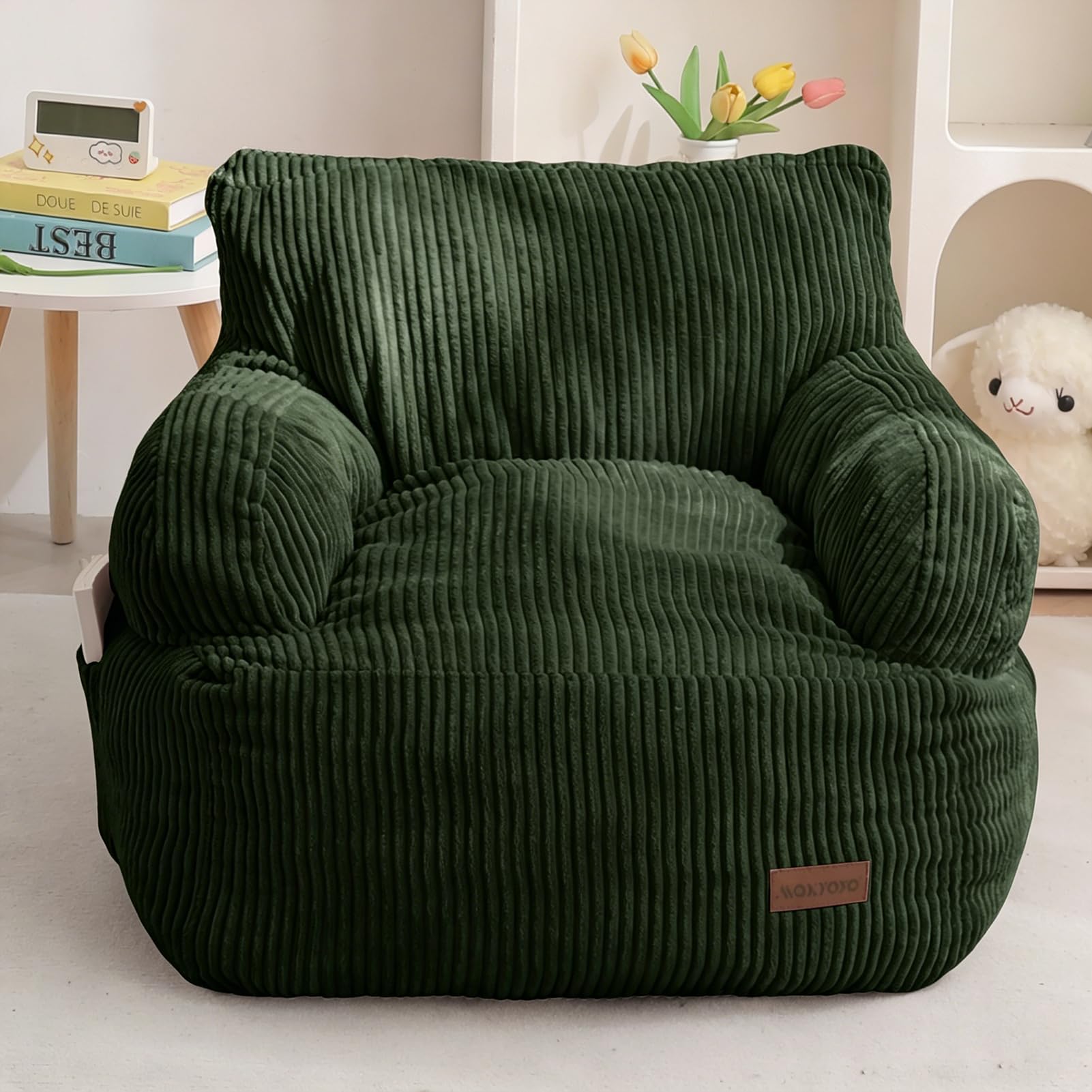
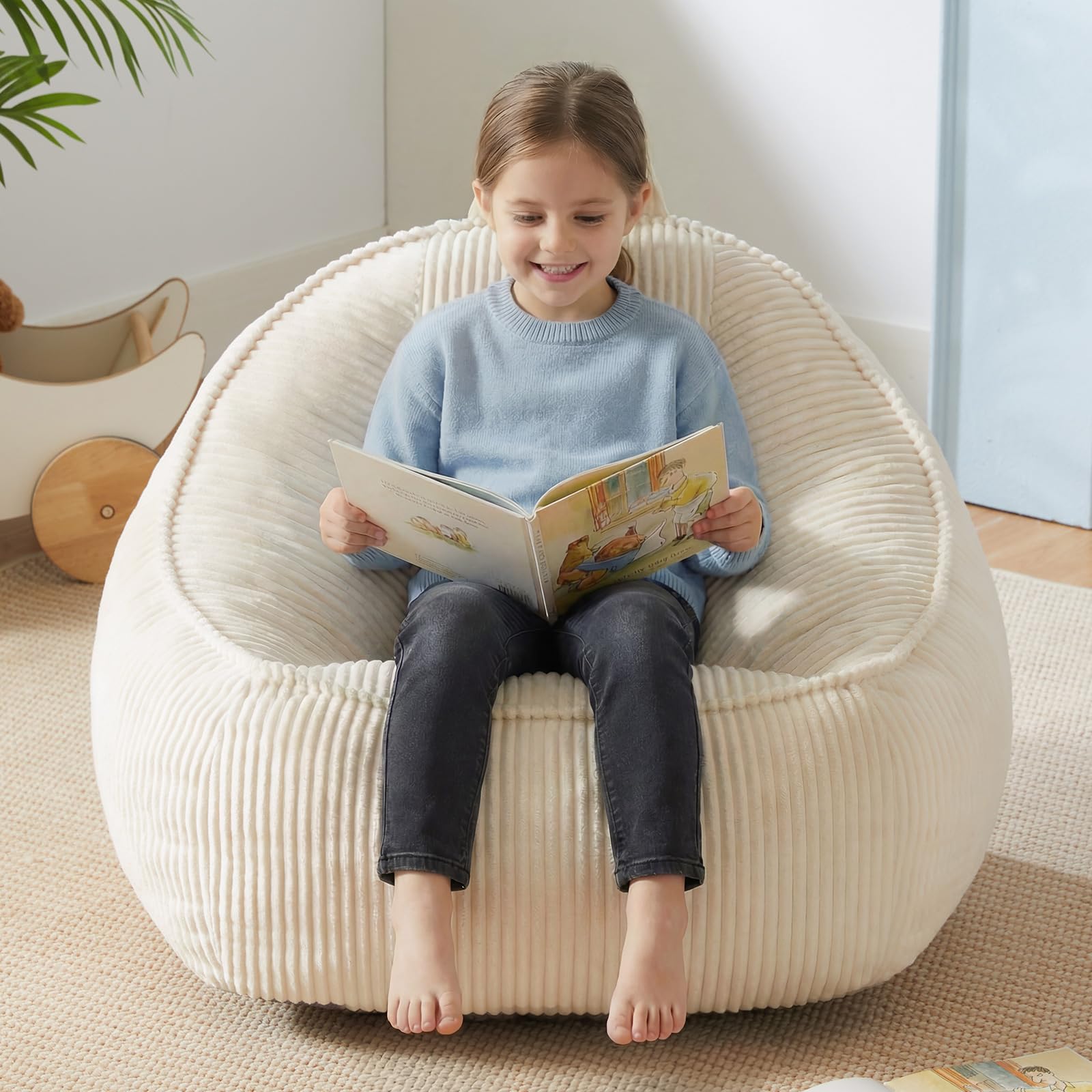
Who Should Buy a Bean Bag Chair for Sensory Seating?
Match the chair to the person and the routine, not to the room color. The groups below cover common sensory uses at home, in class, and in therapy spaces.
Children Who Seek Deep Pressure and Movement
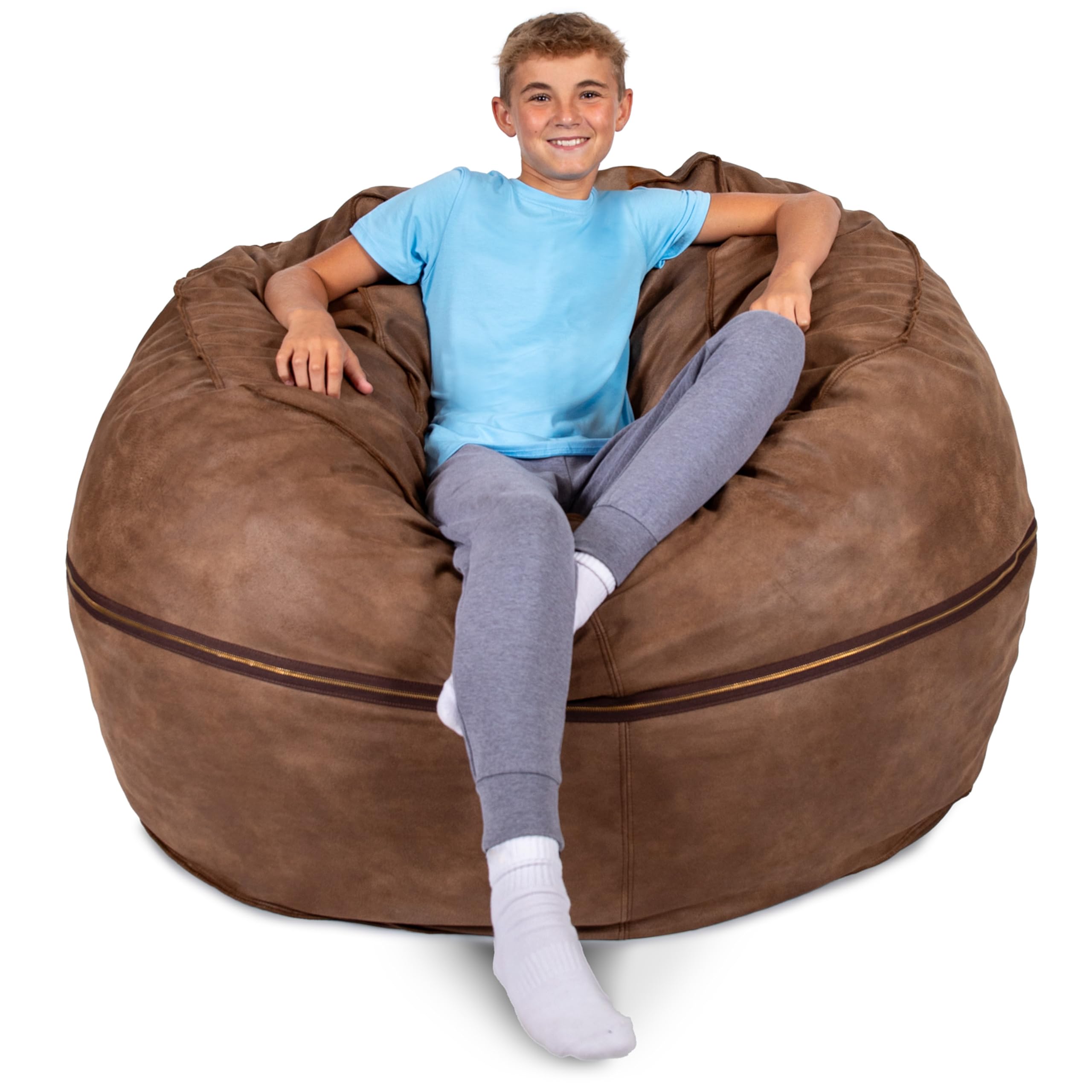
Some children settle best when a seat hugs the hips and shoulders and lets them rock or curl up with a book. Choose a size that supports the whole body without swallowing a small child, and pick a smooth cover if rough seams distract. For smaller sizes, see our guide to the best children's bean bag chairs for child focused options.
Teens and Adults Who Need a Calm Break Space
Older users often want a defined spot to decompress after school, work, or social time. A larger, more structured shape with firmer fill supports reading, music, and quiet rest while still giving pressure. If the main user is grown, see our guide to the best bean bag chairs for adults, and for a teen room, see our guide to the best bean bag chairs for teens.
Classrooms, Sensory Rooms, and Therapy Spaces
Shared spaces need chairs that serve many bodies, clean quickly, and move easily between activities. Look for removable covers, strong stitching, and a weight that staff can carry without strain. Set a clear rule that the chair is for sitting and resting, not for jumping from height.
Bean Bag Chairs 101: The Basics for Sensory Use
A bean bag chair is a fabric shell filled with soft material that shapes itself around the sitter. It has no rigid frame, so pressure spreads across a wider area than on a firm chair with a fixed seat and back. That spread is the point for sensory use, because even contact can feel grounding while a hard edge can feel distracting.
Most models have an outer cover, an inner liner that holds the fill, and a zipper for refilling. For a broader view of shapes for general lounging, see our guide to the best bean bag chairs.
Key Features to Compare
Compare fill, pressure, texture, safety, and size in that order. That is why the best bean bag chairs for sensory integration are judged by feel and fit first, and by looks last.
Fill Type and How the Chair Holds Its Shape
Shredded foam, often sold as high density foam fill, feels dense and quiet and gives slow, even support that many pressure seekers prefer. Small bead fill feels lighter and shifts quickly, which suits sitters who like to reshape the seat often, but it can feel less steady. Many chairs let you add or remove fill through the liner. To compare fill options, see our guide to the best filling for bean bag chairs.
Deep Pressure and Body Contouring
Deep pressure comes from fill that flows around the body and then settles, so contact stays broad across the back, hips, and legs. A chair filled too loosely collapses flat and gives little input, while one filled too tightly feels like a firm ball that pushes back. Aim for a middle level where the sitter sinks in, the sides rise slightly, and getting up still feels easy.
Cover Texture, Seams, and Sound
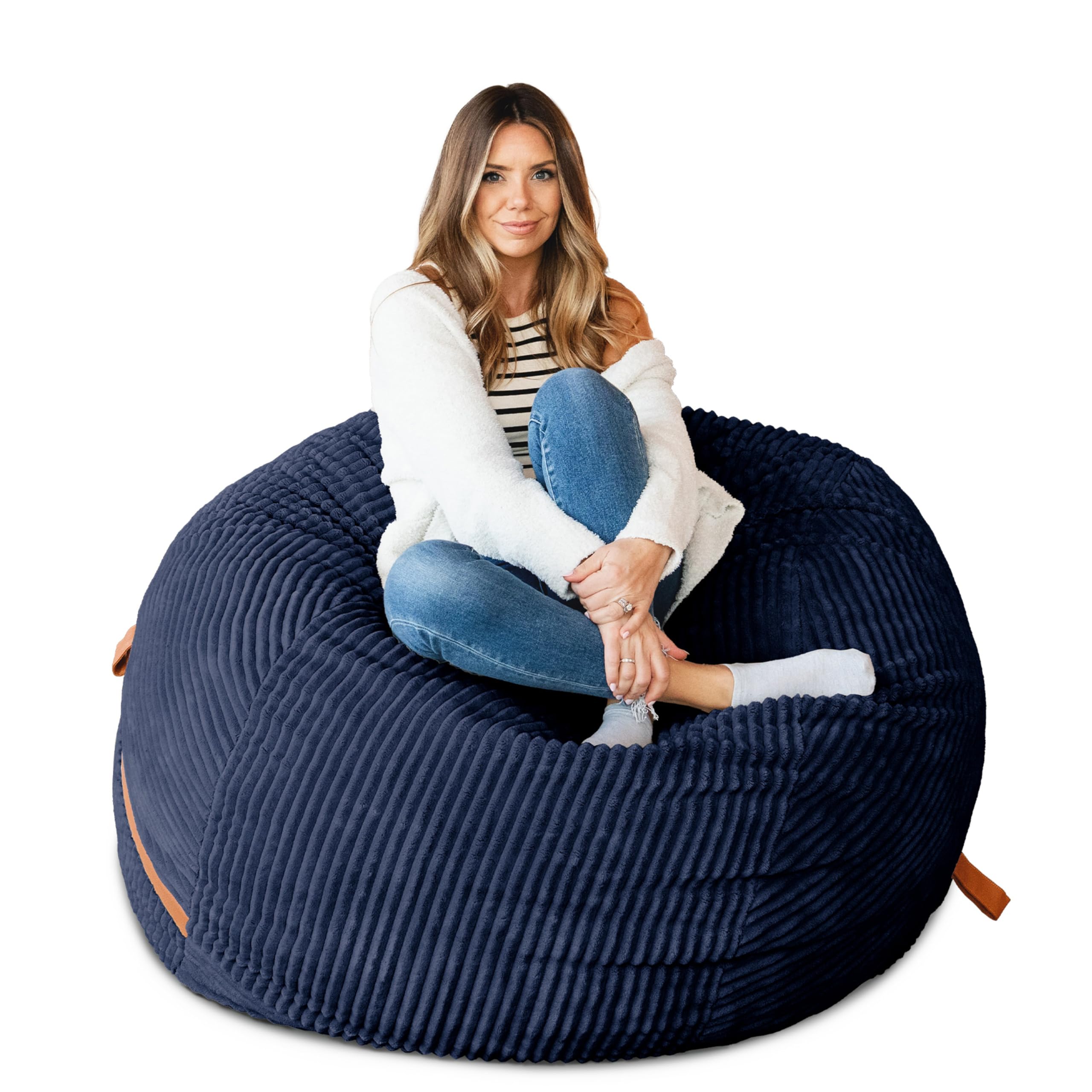
Texture reaches the skin all session, so treat it as a core feature, not a decoration. Smooth cotton and soft velvet feel gentle for users who avoid rough touch, while textured fabrics give more tactile input for seekers. Flat seams and covered zippers reduce scratching and picking. Bead fill can rustle with each shift, while foam fill stays nearly silent.
Safety Closures, Liners, and Supervision
Look for a double zipper or a zipper without a pull tab on the inner liner, so young children cannot open it and reach loose fill. The liner matters, because a torn outer cover should not spill beads or foam across the floor. Check stitching at stress points and stop using a chair with a split seam until it is repaired. Young children should use these chairs with an adult nearby, and no one should sleep in a deeply sunken seat.
Sensory seating supports comfort and routine, but it does not treat a medical condition. If a user shows ongoing distress in seating, breathing trouble, skin breakdown from pressure, or pain that keeps returning, seek care from a doctor or other qualified professional. Talk with your clinician or occupational therapist about personal needs, limits, and safe use.
Size, Weight Capacity, and Room Fit
Size is usually given as width and height when filled, and most sensory models run from about 30 inches wide for a small child to about 50 inches wide for a large adult. Match the chair to the longest body that will use it, with head and legs supported. Respect the stated weight capacity, and measure your doorway before ordering, because a filled chair is bulky.
Sizing and Setup for a Calming Fit
Start by measuring the sitter, not the empty corner. Have the person sit on the floor against a wall and note hip width and back length, then choose a chair a few inches wider than the hips so the sides can rise and give pressure. Leave about 2 feet of open floor around the chair for safe entry and exit.
When the chair arrives, let foam fill expand fully before judging firmness, which can take a day or more. Fluff and turn the chair to spread fill evenly, then check the fit. The sitter should sink in with feet supported and head clear of the floor. Add fill for a firmer seat or remove a small amount for a deeper hug.
Place the chair on a flat floor away from heaters, cords, and stairs. A low rug can stop sliding on hard floors, and a rule of one person at a time keeps the calm purpose clear.
Common Mistakes to Avoid
- Buying by room color alone leaves you with a texture or fill that the sitter avoids every day.
- Choosing a chair that is too small gives pressure only at the hips and leaves the back unsupported.
- Filling the chair too tightly turns a calming hug into a firm perch that the user slides off.
- Ignoring zipper and liner quality raises the risk of loose fill spilling where young children can reach it.
- Placing the chair in a noisy, busy spot undermines the quiet routine the seat was bought to support.
- Expecting the chair alone to solve sleep or attention concerns delays support from qualified professionals.
Care and Maintenance for Bean Bag Chairs
Remove the outer cover and wash it as the label directs, usually in cool water, then dry it fully before putting it back so moisture cannot cause odor. Spot clean small marks promptly with mild soap and water. Keep the inner liner closed during cleaning so fill stays dry.
Fluff the chair weekly by lifting, turning, and kneading fill back toward the center, because fill settles into the spots used most. Top up fill when the seat stays flat after fluffing, adding a little at a time over a tray to catch spills. Inspect seams and zippers monthly, and repair small splits early.
Bean Bag Chairs: Your Questions Answered
What features matter most in bean bag chairs for sensory integration?
Even pressure, a tolerable cover texture, and safe closures matter most in bean bag chairs for sensory integration. After those three, check that the size supports the whole body of the main user. Also check sound by shifting in the seat, because a rustling fill that seems minor in a store can dominate a quiet bedroom at night.
How long should a bean bag chair for sensory use last?
A bean bag chair for sensory use should last several years with regular fluffing and timely refills. Covers usually wear before fill does, especially at seams where hands grip during entry and exit. If the liner weakens or leaks after repair, replace the chair rather than relying on tape.
How do I choose the right bean bag chair size for a sensory user?
Choose the right bean bag chair size by matching filled width to the sitter, with support for the head, back, and legs at once. When two sizes both fit, the larger one usually gives better pressure for a growing child, as long as the child can climb out without help. For two users of very different sizes, one shared chair rarely suits both well.
Is an expensive bean bag chair worth it for sensory seating?
An expensive bean bag chair can be worth it for sensory seating if the extra cost buys a washable cover, a strong liner, and refill access. Those features extend useful life in daily calming routines. Skip paying more only for a larger color range or decorative piping that adds nothing to pressure or safety.
How long can a child sit in a bean bag chair for sensory breaks?
A child can sit in a bean bag chair for sensory breaks for short, supervised periods, with regular chances to stand, stretch, and move. Many families use timed breaks of about 10 to 20 minutes, then check posture and comfort. If legs fall asleep, skin shows lasting marks, or the child seems more unsettled afterward, end the break and raise the pattern with your clinician.
Final Thoughts
Start with the sitter and work outward, from pressure and texture to size, safety, and care. Use the product table above to compare filled size, fill type, and cover details.
When you judge best bean bag chairs for sensory integration by those points, the best fit is usually clear. Choose the simplest chair that gives calm, even pressure, and build the quiet routine around it.