Best Bean Bag Chairs for Classroom 2026: What Your Money Really Gets You at Every Price
Disclosure: We may earn a commission when you buy through links on this page, at no extra cost to you. As an Amazon Associate I earn from qualifying purchases. Learn more

Compare classroom bean bag chairs by size, filling, cover and price tier, with a checklist for reading corners, group work and daily cleaning and care.
Classroom bean bag prices range from a small seat costing less than a set of picture books to a large structured lounger costing several times more. When you shop for the best bean bag chairs for classroom use, you pay for covers that survive daily sharing, filling that holds its shape, and seams that keep beads safely inside.
This guide shows what each price tier delivers, which upgrades matter for reading corners and flexible seating, and which extras you can skip. Use the comparison table below to match size, cover, and filling to your students and space.



Who Should Buy Classroom Bean Bag Chairs?
Early Elementary Teachers Building a Reading Corner
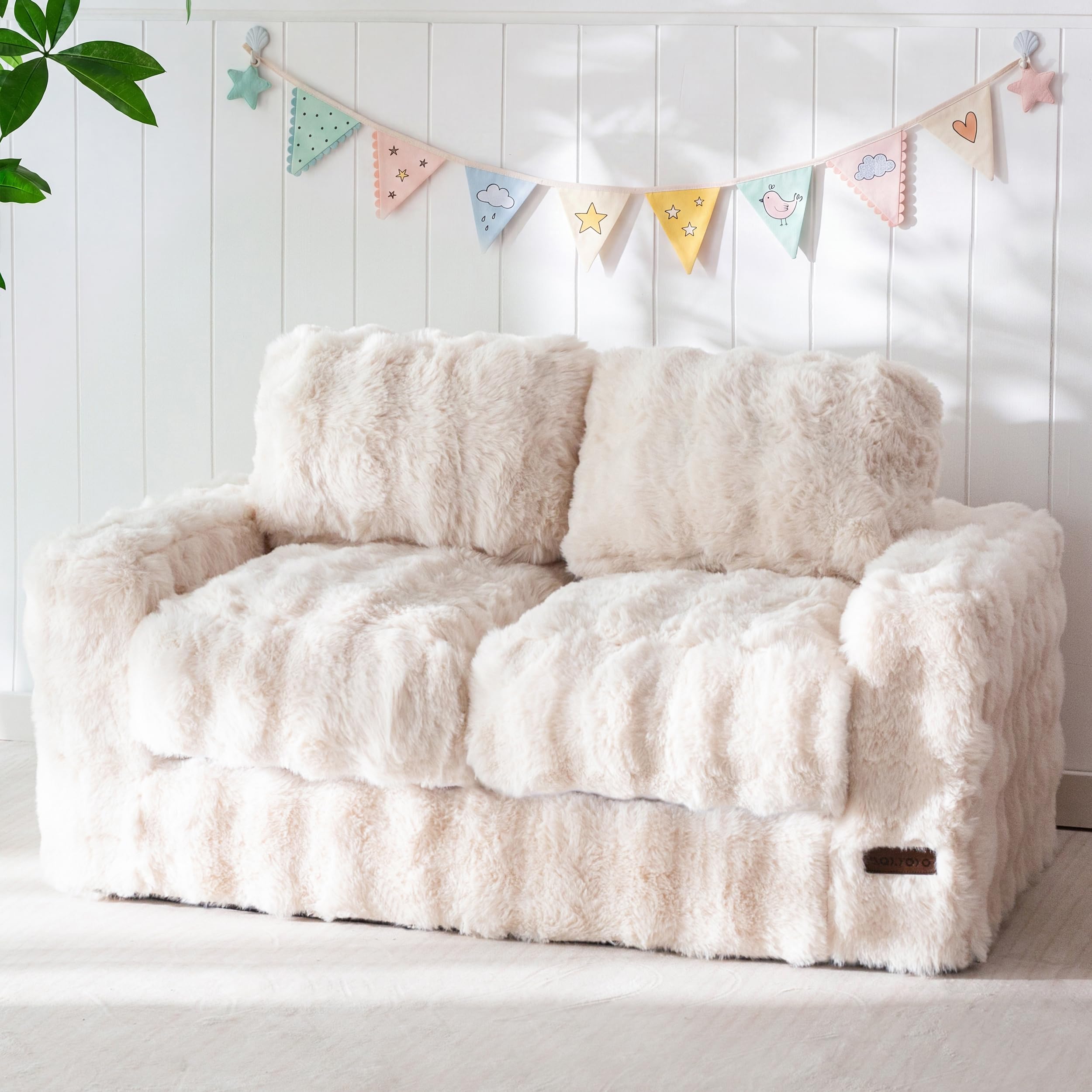
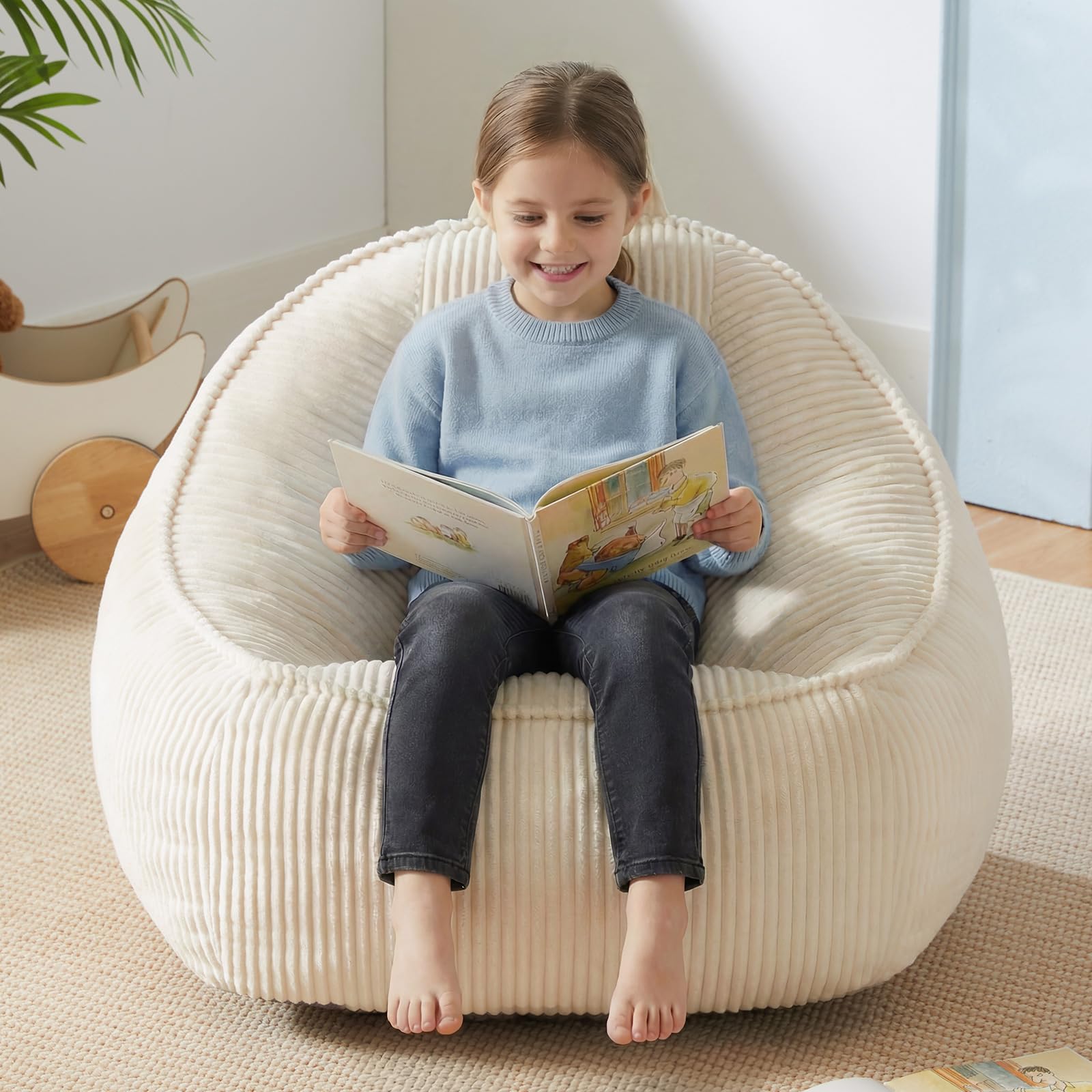
You need small, light seats young children can drag to a rug alone without sinking to the floor. Look for seats about 27 to 32 inches across, with a wipe clean cover for glue and snack spills. A short back rise helps new readers sit up with a book in their laps. Two to four seats furnish most corners.
Upper Elementary and Middle School Teachers Using Flexible Seating
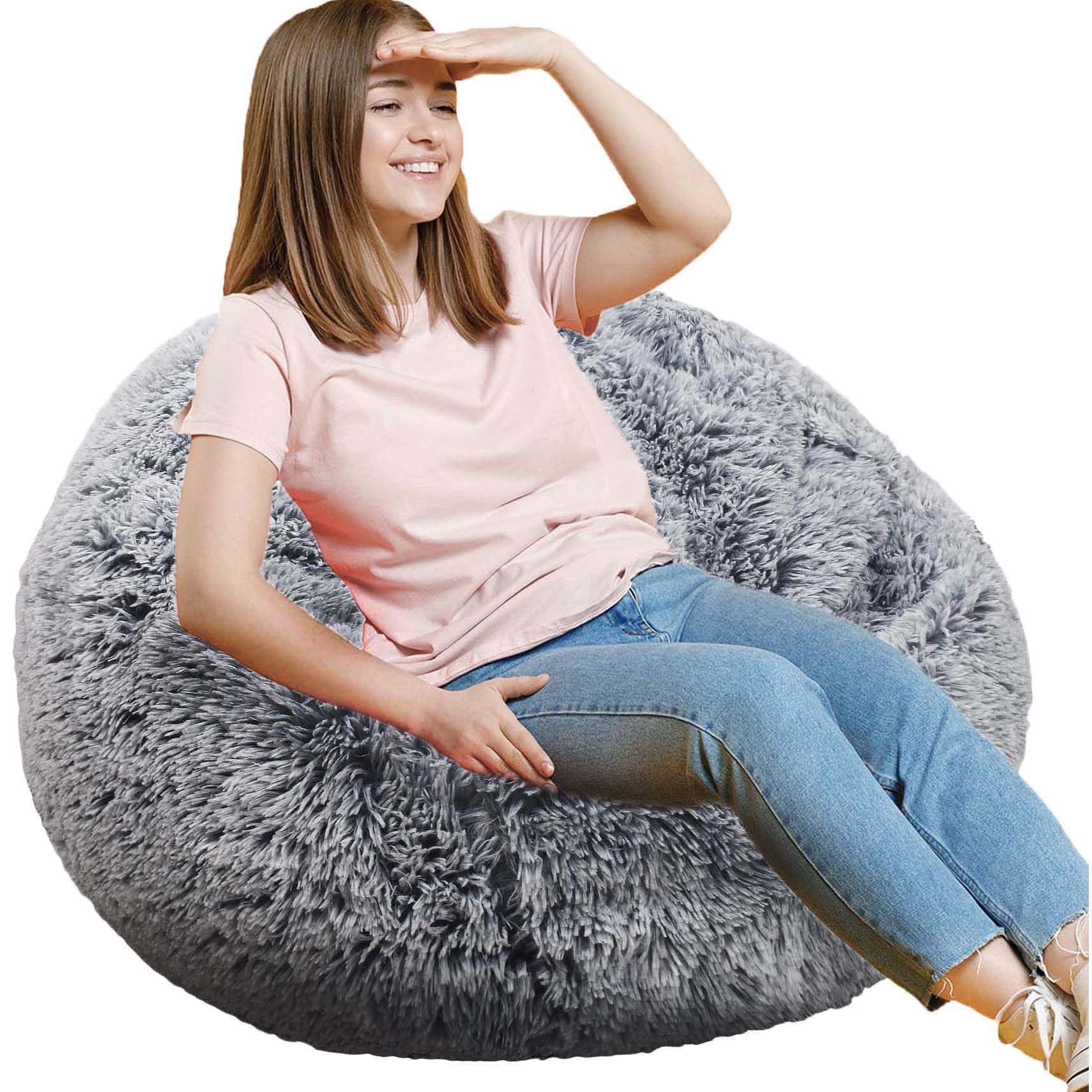
Older students need larger seats, about 35 to 42 inches across, that support longer legs during independent work. Choose structured shapes that hold a back angle while a student writes on a clipboard, and prioritize durability because students rotate through these seats all day. If you also seat older readers at home, see our guide to the best bean bag chairs for teens.
Teachers Furnishing a Small or Shared Classroom
If your room changes groups every period, portability decides whether flexible seating gets used at all. Pick seats under about 8 pounds, with a carrying handle and a shape that lines up along a wall. Neutral colors help seats work for several grades. For younger groups, compare smaller sizes in our guide to the best children's bean bag chairs.
What Classroom Budgets Get at Each Price Tier
Budget Tier: Simple Seats for Short Reading Sessions
Seats around $30 to $60 are usually small rounds with a basic fabric cover, light bead filling, and no separate inner liner. They suit short reading sessions and trying flexible seating before you commit a larger budget. Expect faster flattening, and check whether the cover removes at all. Buy one seat first and try it for a full week.
Midrange Tier: Stronger Covers and Refill Access for Daily Use
Seats about $60 to $100 typically add a removable washable cover, a lined interior that opens without spilling beads, and denser filling that recovers its shape between students. Most teachers get the best value here for daily use, because cleaning and refilling are built in. Sizes also widen at this tier.
Premium Tier: Structured Support and Covers Built for Shared Use
Seats around $100 to $180 use thicker cover fabrics, reinforced seams, and foam or blended filling that feels more like a low chair than a floor cushion. They suit a library or a reading area used by many classes each week, and replacement covers and refill bags are more common at this tier. That upkeep is what separates the best bean bag chairs for classroom use from a casual bedroom seat.
Key Features to Compare
Size and Footprint for Your Grade Level
Diameter decides both fit and floor space. A seat that is too small tips when a child leans, while an oversized seat can swallow a small reader and block walkways. Measure your corner and allow about 6 inches between seats. Early elementary students suit seats under 32 inches, while older students need 35 inches or more.
Cover Material and Cleaning for Shared Daily Use
Shared seats meet spills, illness, and outdoor shoes, so the cover is a hygiene feature, not a style choice. Smooth vinyl and coated fabrics wipe clean in seconds but can feel warm. Woven polyester and microsuede feel softer and usually remove for machine washing, though they need drying time. Confirm the cover tolerates your school cleaning products, because harsh cleaners can weaken coatings.
Filling Type and Refill Access for Classroom Bean Bags
Expanded polystyrene beads are light and mold around the body, but they compress steadily and need topping up. Shredded foam feels firmer, weighs more, and keeps a back shape better for writing. Blended fills balance the two. Look for a lined opening for adding fill, and read our guide to the best filling for bean bag chairs for how each fill changes upkeep.
Seams, Inner Liner, and Safety Zipper
Loose beads are a choking hazard for young children, so construction is a safety decision. Double stitched seams resist splitting when students flop down or drag a seat by one edge. An inner liner contains fill if the outer cover tears. The zipper should need a paper clip to open, so curious hands cannot open it in class. Inspect seams monthly and remove any leaking seat at once.
Shape and Back Support for Reading Posture
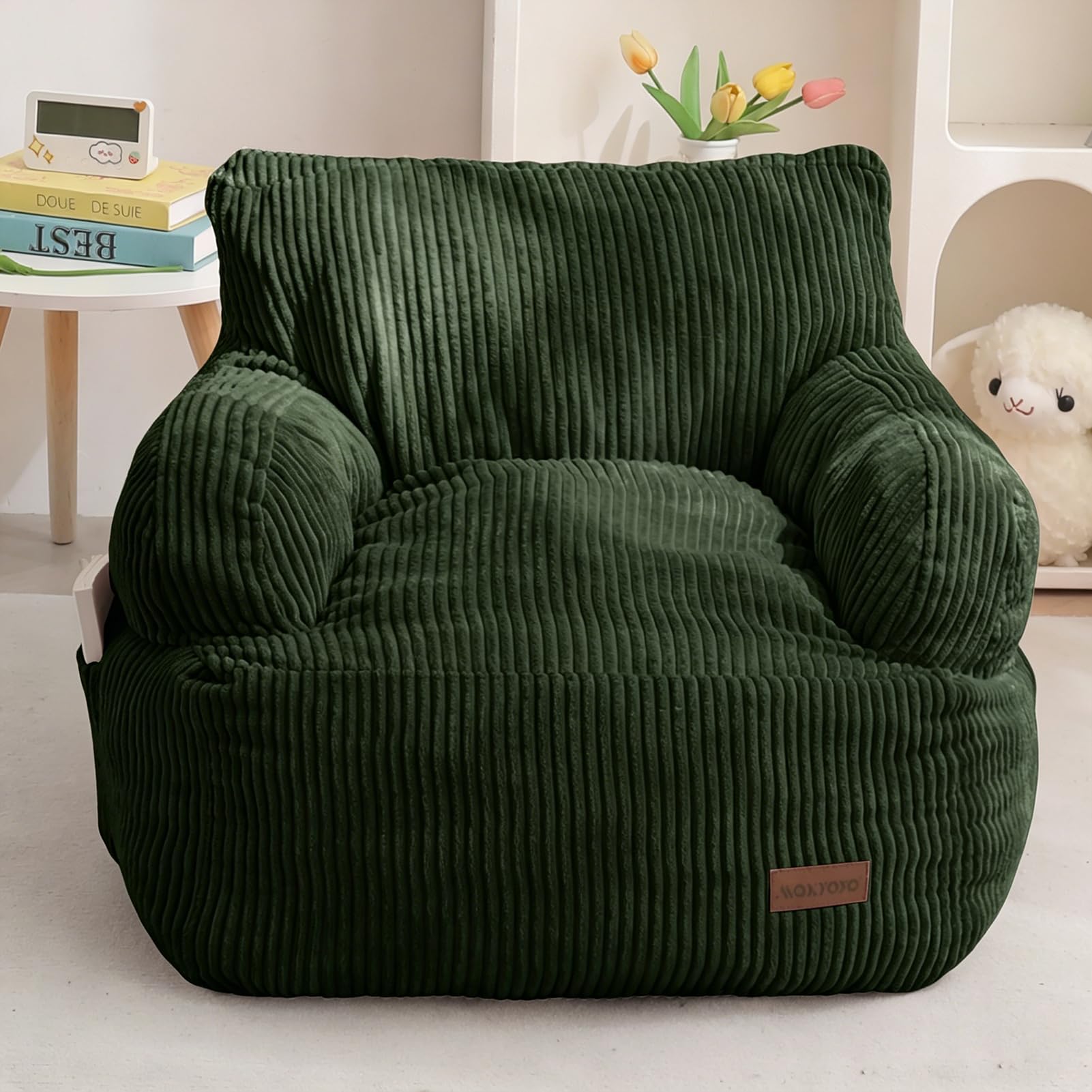
Round seats encourage lounging, teardrop and structured shapes hold the back higher, and lounger shapes need far more floor space. For reading, a shape that keeps hips level with the knees is easier to rise from. If a student reports ongoing back pain, numbness, or trouble sitting upright even in a supportive seat, tell the family and school nurse promptly, and advise them to talk with their clinician about personal needs.
Weight, Handles, and Storage Between Lessons
Flexible seating only works if seats move quickly and store neatly. A top or side handle lets one student carry a seat without dragging it, which also protects the cover. Foam filled seats can weigh two or three times as much as bead filled seats, so check the heaviest option with your youngest user in mind. Measure your storage spot before ordering.
Choosing Sizes and Quantities for a Whole Class
Start with the activity, not the catalog photo. A reading corner needs fewer, larger seats, while flexible seating needs more, smaller seats spread around the room. Mix the types below as long as sizes match the students.
- Small round seats for individual reading spots and calm down spaces for one child.
- Large round seats for partner reading, where two students share one seat and a book.
- Structured seats with a defined back for writing, tablet work, and small group tables.
- One larger seat for the teacher or a visiting reader during story time.
Plan on seating about one quarter to one third of your class on bean bags at once, since most lessons still need desks. For home size comparisons, see our guide to the best bean bag chairs.
Common Mistakes to Avoid
- Buying adult sized seats for young children, so small readers sink too low to hold a book.
- Ordering a full class set before trying one seat, so a fill problem repeats twenty times.
- Choosing a cover that cannot be removed or wiped clean, so one spill takes the seat out of use.
- Ignoring the zipper design, so students can open the seat and spill beads.
- Crowding seats into walkways and exits, so the corner creates a trip problem.
- Skipping a refill plan, so seats flatten within a term and students stop choosing them.
Long Term Costs of Classroom Bean Bag Seating
The purchase price is only part of the cost over several school years. Budget for refill bags, since bead filled seats commonly need topping up once or twice a year with daily use, and for one spare cover if seats are washed often. A model with parts sold separately usually wins on total cost.
Care and Maintenance for Classroom Bean Bag Chairs
Shake and fluff each seat weekly to move filling back into the area where students lean. Wipe smooth covers with a damp cloth and mild soap, and wash removable covers on a gentle cycle, then dry them fully to prevent mildew smells. Store seats dry and out of strong sunlight. Each term, check zippers, seams, and liners, top up low filling, and retire any seat with a torn liner.
FAQ
What features matter most in bean bag chairs for a classroom reading corner?
A washable or wipe clean cover, a safety zipper, and a size matched to your readers matter most in a reading corner. Add one point teachers often miss: place a small book bin within reach of the seats, because children who must cross the room for a new book rarely settle back into reading.
How do I choose the right size bean bag chair for my students?
Choose the size with the youngest and oldest users in mind, not the average student. When a child sits, feet should reach the floor and the book should sit at lap height without raised shoulders. If your class spans several grades, two sizes serve students better than one large size, and they let you reserve the bigger seats as a rotation reward.
Is an expensive bean bag chair worth it for a classroom?
An expensive seat is worth it when many classes share it daily and replacement covers and refills are sold for it. For one teacher buying two seats for one corner, the midrange tier usually gives the same experience for less money. A school funded library set gains most from premium construction.
How many bean bag chairs does a classroom reading corner need?
Most reading corners work well with three to five seats, enough for a small group without turning the corner into the most contested spot in the room. Pair the seats with a clear rotation system, because fair access rules prevent more behavior problems than seat design can.
How long should a good classroom bean bag chair last?
A good classroom seat should last two to four school years with refills and regular cover washing. Longevity depends less on the brand than on whether the liner, cover, and filling can each be replaced alone. Keep a log of purchase dates, so you can stagger replacements across budget years.
The Bottom Line
Buy for the classroom first: a cover you can clean fast, a liner and safety zipper that keep beads contained, a size matched to your grade, and filling you can top up. Spend into the midrange tier for daily shared use. Chosen that way, the best bean bag chairs for classroom reading and group work will stay comfortable for years, so check the product table above before you order.