Best Beach Sand Toys for 2026: A First Time Buying Guide
Disclosure: We may earn a commission when you buy through links on this page, at no extra cost to you. As an Amazon Associate I earn from qualifying purchases. Learn more
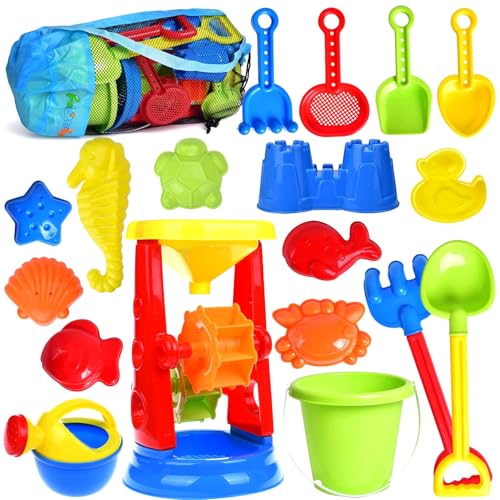
First time parents and gift buyers: learn how to pick the best beach sand toys by age, material, size, and safety before your first beach trip.
Shopping for the best beach sand toys for the first time is easier than it looks, once you know what actually matters at the beach. Sand toys are simple tools for digging, shaping, pouring, and building, and the best set is the one that fits the age of the child, the type of sand, and how much gear you want to carry. This guide starts with the basics, explains the main specs in plain language, and flags the mistakes first time buyers make most often. The product table gives a quick overview before the detailed sections.
You do not need a large or costly set to have a good beach day. A few sturdy pieces that are easy to carry, easy to rinse, and sized for small hands will get more use than a huge set with fragile parts. Think about who will play, where you will play, and how you will pack everything home full of sand, and the right set will stand out quickly.




Beach Sand Toys 101: The Basics
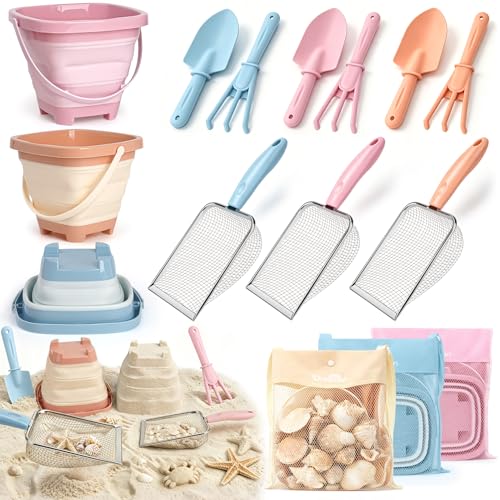
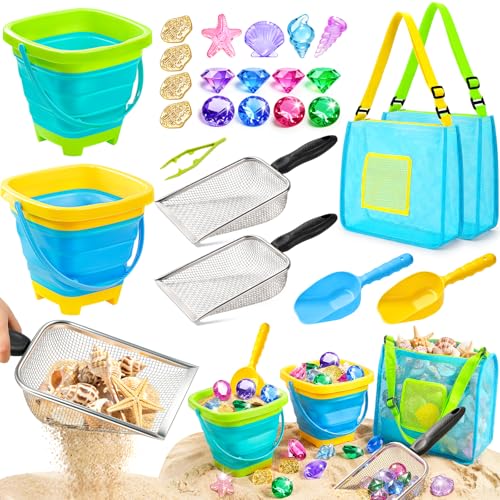
A beach sand toy is any play piece made for use with sand and water, most often a bucket, a shovel, a mold, a sieve, or a small vehicle for hauling sand. Children use them to dig holes, build castles and walls, pour water into moats, and shape towers and animals. Sets may include a handful of pieces or a full kit with many molds, and loose pieces can be added later as a child grows. The basic idea is open play, so there is no single right way to use a set, and the same pieces can support quiet digging one day and a big group build the next.
A few terms help when you compare sets. Piece count tells you how many items are included, but it says nothing about size or quality, so a set with fewer, sturdier pieces can be better than a set with many tiny ones. Age range is the maker suggestion for who the set suits, based on size, small parts, and skill needed.
Durability refers to how well the material holds up to sun, salt water, and rough play. Replay value is simply how likely children are to return to the set again and again, which usually depends on variety and on pieces that can be used in different ways.
Key Specs Explained in Plain English
Specs on sand toy packaging can sound technical, but most of them answer simple questions: who is it for, will it last, is it safe, and is it worth the price. The sections below translate each spec into what to look for and what to avoid.
Age Range and Skill Level
Age range is the first spec to check, because it reflects both safety and enjoyment. Maker age guidance considers small parts, piece size, and how much strength and coordination a child needs to use the toy well. A set made for toddlers usually has large, chunky pieces with no small detachable parts, while a set for older children may include detailed molds that need steadier hands. Check the age label and any small part warnings before buying, and supervise play, especially for children under three, since small pieces can pose a choking hazard.
Gift Worthiness and Price
A sand toy set can make a good gift when it is ready to use at the beach without extra parts and when the packaging keeps pieces together for travel. Price ranges vary widely, from about $10 to $20 for a basic bucket and shovel set, to about $25 to $50 for a larger kit with molds, vehicles, and a carry bag. Higher prices often buy thicker material, more pieces, or a storage bag, but they do not guarantee more fun. For a gift, favor a set with sturdy pieces and a bag for carrying, since that makes the gift practical for the beach trip itself.
Durability and Storage
Durability at the beach depends on material thickness, joint strength, and resistance to sun and salt water. Thin plastic can crack after a season of sun exposure, while thicker, flexible plastic usually bends rather than snaps. Handles deserve special attention, since a weak handle on a full bucket of wet sand is a common failure point.
Storage matters just as much, because sand gets into every corner. A mesh bag lets sand fall out and lets pieces dry, while a sealed bin traps damp sand and odor, so rinse pieces after the beach and let them dry fully before storing them.
Educational Benefits
Sand play supports learning in a natural way, without needing a formal lesson plan. Pouring and measuring build early ideas about volume and cause and effect, while building walls and towers encourages planning and problem solving. Fine motor skills grow as children grip shovels, press molds, and place small pieces with care.
Group play adds sharing, turn taking, and teamwork, especially when children build something large together. You do not need a set labeled as educational to get these benefits, since most open ended sand play offers them.
Safety: Small Parts and Materials
Safety starts with size and material. Check for small parts that could detach, sharp edges from thin or cracked plastic, and any warning about children under three. Look for sturdy, smooth pieces with no rough seams, and avoid sets with tiny accessories for very young children.
Materials should be easy to rinse and free of strong chemical smells, and any paint or print should stay put after washing. Adult supervision is still the most important safety step, especially near water, since sand toys can draw children toward the shoreline.
Rookie Mistakes to Avoid
- Buying by piece count alone, and ending up with many tiny, fragile pieces that break or get lost on the first trip.
- Ignoring the age label, which can leave a younger child with pieces that are too small or an older child bored by a very simple set.
- Choosing a set with no carry bag, then trying to carry sandy, wet pieces home in your hands or in a beach towel.
- Skipping a rinse after the beach, so salt and damp sand wear down the pieces and leave odor in storage.
- Buying a very large set for a first trip, when a smaller set would show you what the child actually enjoys before you spend more.
Getting Started: Setup and First Use
Setup is simple, and a few minutes at home can save trouble at the beach. First, check age labels and small part warnings, and remove any packaging ties or tags that could become litter. Wash the pieces once with warm soapy water, rinse them, and let them dry, so they are clean for first play.
Pack them in a mesh bag or labeled bin, with the bucket on top so it can hold loose molds during the trip. At the beach, pick a play spot away from walkways and close to shade if you can, and show a younger child how to fill, pat, and lift a mold once before letting them play freely.
FAQs
What Age Are Beach Sand Toys Best For?
Beach sand toys suit a wide age range, but the right set depends on the child, not only on a number on the box. Toddlers do best with large buckets, chunky shovels, and simple molds with no small parts. Preschool children enjoy more molds and tools, while older children may like detailed castle kits and vehicles for larger builds. Always check maker age guidance and small part warnings, and supervise younger children near water and small pieces.
Are Beach Sand Toys Worth the Price?
Most beach sand toy sets are worth their price when they are used across several trips, since even a basic set can support hours of open play. Value depends less on piece count and more on durability, ease of carrying, and how often the set gets used. A sturdy set at about $25 that lasts three summers is better value than a fragile set at about $10 that breaks on the first trip. Consider how often you visit the beach and how many children will share the set before you choose a size.
Are Beach Sand Toys a Good Gift?
Beach sand toys make a good gift when the set fits the child age and the family actually visits a beach, a sandbox, or a park with sand play. A gift set works best when it includes a bucket, a shovel, and a few molds, plus a bag for carrying everything home. Avoid very large kits for a first gift, since you do not yet know which pieces the child will favor. Choose sturdy pieces over a high piece count, and a practical, well chosen set will be ready for the next beach day.
How Long Does Beach Sand Play Usually Last?
A single beach sand play session can last from a short burst of digging to several hours, depending on the child, the weather, and the group. Younger children often play in shorter stretches with breaks for snacks, shade, and water play. Older children building a large castle or a group project may stay focused much longer, especially when friends join in. The set itself does not set the time limit, but variety helps, since new molds and tools can restart interest after a pause.
The Bottom Line
For a first purchase, keep it simple: match the age label, favor sturdy pieces over a high piece count, and choose a set with a bag for carrying and rinsing. Check small part warnings, supervise play near water, and rinse and dry the pieces after each trip so they last. If you want ideas for the rest of your beach kit, see our guides to best beach towels for sand, best beach blankets for sand, and best beach toy sets. With the right set, the best beach sand toys become a small investment in many relaxed beach days, and the product table is a handy reference when you compare sets before you buy.