Best Beach Lounge Chairs for 2026: Which One Fits the Way You Use It?
Disclosure: We may earn a commission when you buy through links on this page, at no extra cost to you. As an Amazon Associate I earn from qualifying purchases. Learn more

The best beach lounge chairs fit how you use them, from packable loungers to sturdy recliners. Compare size, fabric, and recline.
There is no single lounger that suits every beach day, because a chair built for a long afternoon of reading differs from one built for a quick swim and a nap in the sun. The best beach lounge chairs are the ones that match how you actually spend time at the shore, how far you carry your gear, and how much comfort you want once you settle in. This guide matches features to real beach use so you avoid overpaying and get the right fit the first time.
The product table gives a quick overview, and the sections that follow explain who each style suits, which features matter most, and which mistakes to avoid. Start with your beach routine, then narrow by size, fabric, and recline.



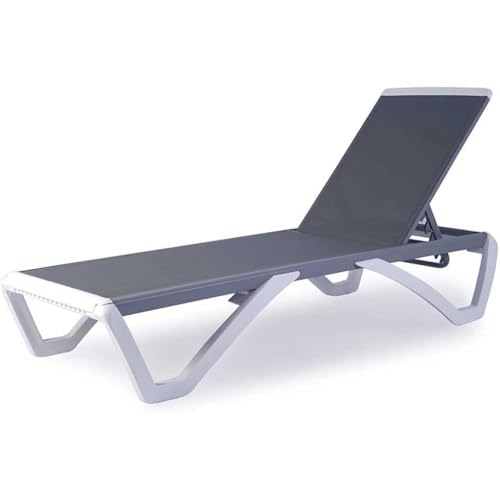
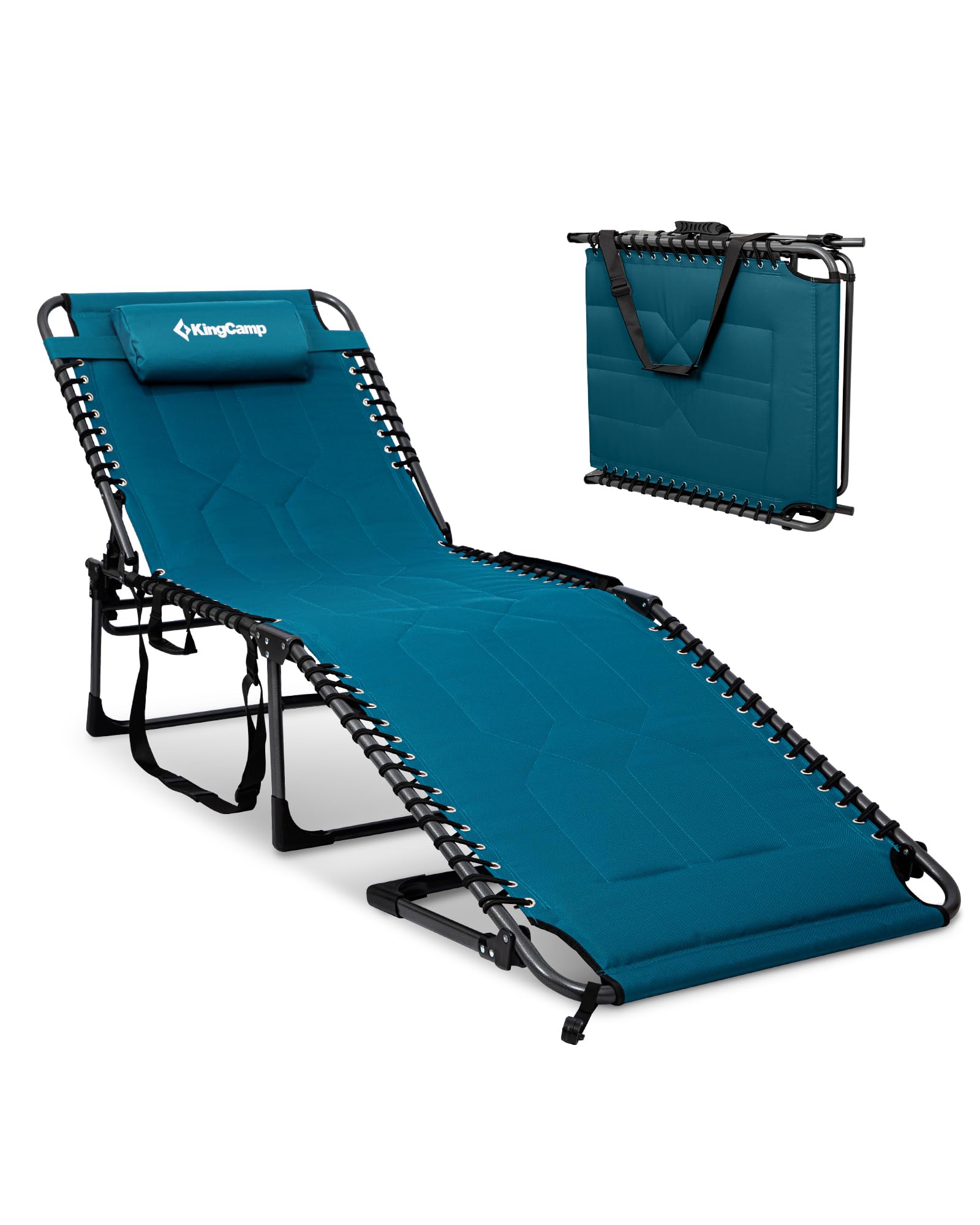
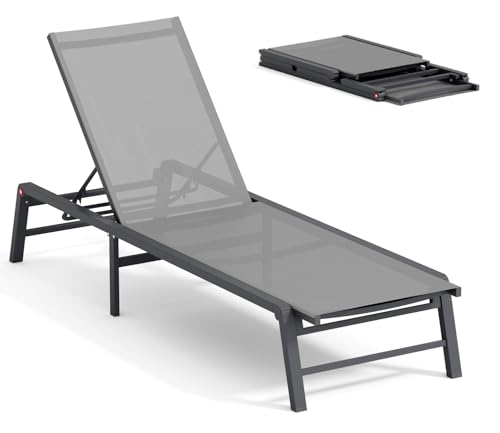


Who Should Buy the Best Beach Lounge Chairs?
Beach days come in many forms, from solo sunrise swims to full family outings with coolers and umbrellas. The groups below cover the most common routines, and each one points to the features worth prioritizing. Find the group closest to your own beach habit, then use the feature section to compare options within that style.
For Gift Shoppers
Gift shoppers want a chair that pleases without a long learning curve, so look for a design that is easy to open, easy to fold, and comfortable for a wide range of body sizes. A mid weight lounger with several recline positions and a simple carry strap makes a safe gift, since it suits reading, sunbathing, and watching the water equally well. A solid warranty and a fabric that resists fading also help, because a gift should still look good after a full summer of use.
For Value Seekers
Value seekers want the best balance of price and durability, not the cheapest chair on the shelf. A sturdy aluminum or steel frame, a tightly woven fabric, and a recline lock that holds firm are worth paying a little more for, since they decide whether the chair lasts one season or several. Skip fancy extras such as built in coolers or speakers unless you will use them often, and put the savings toward better fabric and joints instead.
For First Time Buyers
First time buyers should keep things simple and forgiving. A chair with an obvious recline lever, a wide stable base, and a carry bag is easier to enjoy than a complex design with many adjustments. Try the seat height before you commit, since a very low chair can be hard to rise from on soft sand, while a very high chair can feel tippy. A straightforward lounger lets you learn what you like before spending more on a specialized design.
Key Features to Compare
Once you know your beach routine, compare chairs on the features that change comfort and durability at the shore. Sand, salt, sun, and water punish weak joints and thin fabric, so beach specific toughness matters most. The four areas below cover the choices that make the biggest difference.
Size, Dimensions, and Weight Capacity
Size decides both comfort and portability, so check the seat width, seat height, and folded length before you buy. A wider seat suits long lounging sessions, while a narrower seat packs easier and weighs less on a long walk to the water. Weight capacity matters for stability and durability, so choose a chair rated comfortably above the heaviest regular user. Also check the folded size against your car trunk and your beach bag, since a chair that will not pack is a chair that stays home.
Ergonomics and Adjustability
Ergonomics decide whether you can relax for hours or start shifting after twenty minutes. Look for a recline that locks at several angles, from upright for reading to nearly flat for napping, and a headrest or pillow area that supports the neck without pushing it forward. Lumbar support helps on long sessions, and armrests that sit at a natural height make it easier to rise from a low beach position. Adjustments should move smoothly even with sandy hands, so try the mechanism if you can.
Style and Beach Setup
Style at the beach means fitting the setting. Bright colors are easy to spot in a crowded beach, while muted tones blend in at a quiet cove, and both choices fade over time unless the fabric is treated for sun resistance. Think about the whole setup too, since a wide lounger pairs well with a large umbrella and a low table, while a slim chair suits a minimal kit. The right look is the one that makes your beach spot feel inviting.
Materials and Upholstery
Materials decide how a chair handles sand, salt, and sun. Mesh fabric dries fast and lets air flow on hot days, while a padded fabric feels softer but takes longer to dry after a swim. Aluminum frames stay light and resist rust, steel frames feel sturdier but weigh more, and wooden frames look beautiful but need more care near salt water. Check that seams are reinforced and that the fabric can be rinsed clean, since sand trapped in seams wears fabric out over time.
Common Mistakes to Avoid When Buying Beach Lounge Chairs
- Choosing on price alone, then finding the frame bends or the recline slips after a few trips.
- Ignoring seat size and weight capacity, which leads to a chair that feels cramped or unstable on soft sand.
- Buying a chair that is too large to carry comfortably, so it gets left behind on longer beach walks.
- Overlooking fabric care, since a fabric that cannot be rinsed clean will stain and stiffen quickly.
- Skipping the warranty check, which matters when a joint or recline lock fails mid season.
Setup and Care Tips
Good setup starts with firm placement. Press the feet into the sand until the chair sits level, then check the recline lock before you settle in with a book or a drink. Adjust the seat so your feet rest comfortably and your back feels supported, and keep small items in a side pocket or a bag rather than balanced on the armrest. A few seconds of setup prevents most tips and spills.
Care is simple but worth doing after every trip. Shake out loose sand, rinse the fabric and frame with fresh water, and let the chair dry fully before folding it away, since trapped moisture encourages mildew and rust. Tighten bolts every few months, oil any stiff hinges lightly, and store the chair in a dry place out of direct sun during winter. These habits can easily double the useful life of a beach lounger.
Frequently Asked Questions
What features matter most for long hours?
For long hours, recline range, lumbar support, and breathable fabric matter most, because they decide whether you stay comfortable or start fidgeting. A chair that locks at several angles lets you shift between reading and napping without standing up, while mesh fabric keeps air moving on hot days. A padded headrest helps too, but it matters less than a stable frame and a seat that fits your body.
Is an expensive beach lounge chair worth it?
An expensive beach lounge chair is worth it when the extra cost buys a stronger frame, better fabric, and a smoother recline mechanism that you will notice every trip. It is not worth it when the premium pays only for a brand name or for extras you rarely use. Compare the frame, joints, and fabric first, and spend more only where those core parts clearly improve. For occasional use, a solid mid priced chair is often the smarter buy.
How do I choose the right size?
Choose size by matching the seat width and height to your body and your carrying limits. Sit in the chair if you can, checking that your hips fit without squeezing and that your feet rest flat when the chair is upright. Then check the folded length and weight against your walk from the car to the water. A chair that fits your body but not your car will frustrate you, so both measurements matter.
How long should a good beach lounge chair last?
A good beach lounge chair should last several seasons with regular rinsing and dry storage, while a lightly built chair may fail within a single summer of heavy use. Frame quality, fabric weight, and joint design decide longevity far more than color or style. Salt, sun, and sand wear every chair down, so the chairs that last longest are usually the ones whose owners rinse them after trips and store them dry.
Can I leave a beach lounge chair outside all season?
You can leave a beach lounge chair outside for short stretches, but a full season outdoors will fade fabric, stiffen joints, and invite rust or mildew. A covered porch or a dry shed protects the chair far better, and bringing it inside during storms prevents wind damage. If outdoor storage is your only option, use a breathable cover and stand the chair so water drains away rather than pooling in the fabric.
Final Thoughts
The smartest choice balances three things: a seat that fits your body, a frame and fabric tough enough for sand and salt, and a size you will actually carry to the beach. A chair that nails all three will get used far more than a fancier design that is heavy, fragile, or awkward to fold. Start from your beach routine, compare the features that matter for that routine, and let comfort and durability guide the final pick.
For most beachgoers, a mid weight lounger with a locking recline, breathable mesh, and a rust resistant frame offers the best value, while dedicated sunbathers may prefer a wider, flatter design and walkers may prefer a lighter packable chair. The best beach lounge chairs are the ones that make every beach day easier, so check the product table above and choose the style you will reach for again and again.
If you want a broader comparison first, see our guide to best beach chairs for simpler folding designs. For cushioned seating on a porch or patio, our guide to best lounge chairs covers relaxed styles. Readers who want a lounger for the backyard or poolside should also compare best outdoor lounge chairs and best poolside lounge chairs before deciding.