Best Antigravity Chairs for 2026: Which One Fits the Way You Use It?
Disclosure: We may earn a commission when you buy through links on this page, at no extra cost to you. As an Amazon Associate I earn from qualifying purchases. Learn more
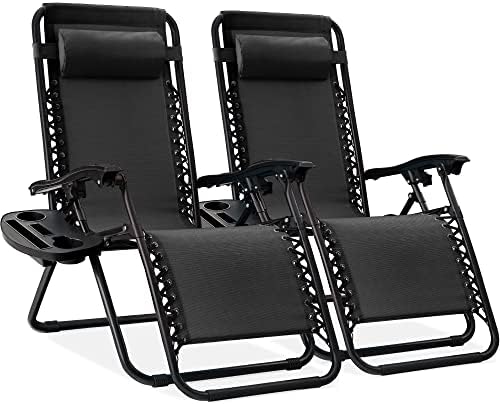
Best antigravity chairs for patio, pool, and camp: compare recline, frame strength, fabric, weight capacity, and storage to match your routine.
There is no single chair that suits every porch, patio, campsite, and poolside, so the best antigravity chairs for you depend on how you plan to use one. Some people want a deep recline for long afternoon naps, while others want a light chair they can fold and carry to a park. This guide points you to the product table and then walks through size, recline, frame strength, fabric, and storage, so you can match a chair to your routine instead of guessing from a photo.
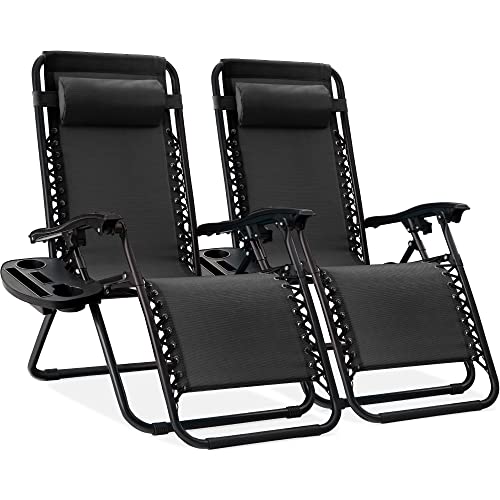
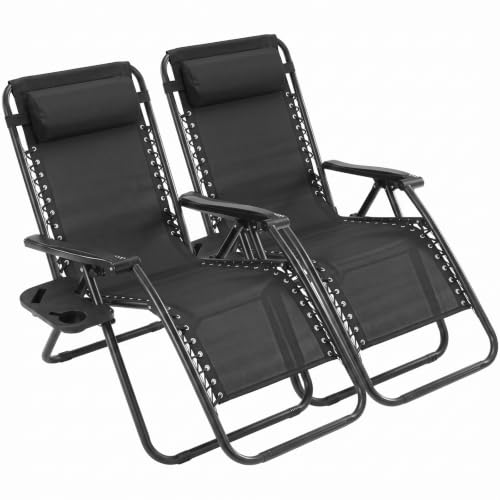
An antigravity chair spreads your weight across a long fabric sling and lets you lean back into a near weightless position, with your legs raised and your body balanced. That position can feel restful on a warm afternoon, but comfort still depends on fit. A chair that is too narrow, too short, or too stiff at the recline lock will not feel relaxing, even if the fabric looks soft. Measure your space, check the weight limit, and think about where you will store the chair before you spend.



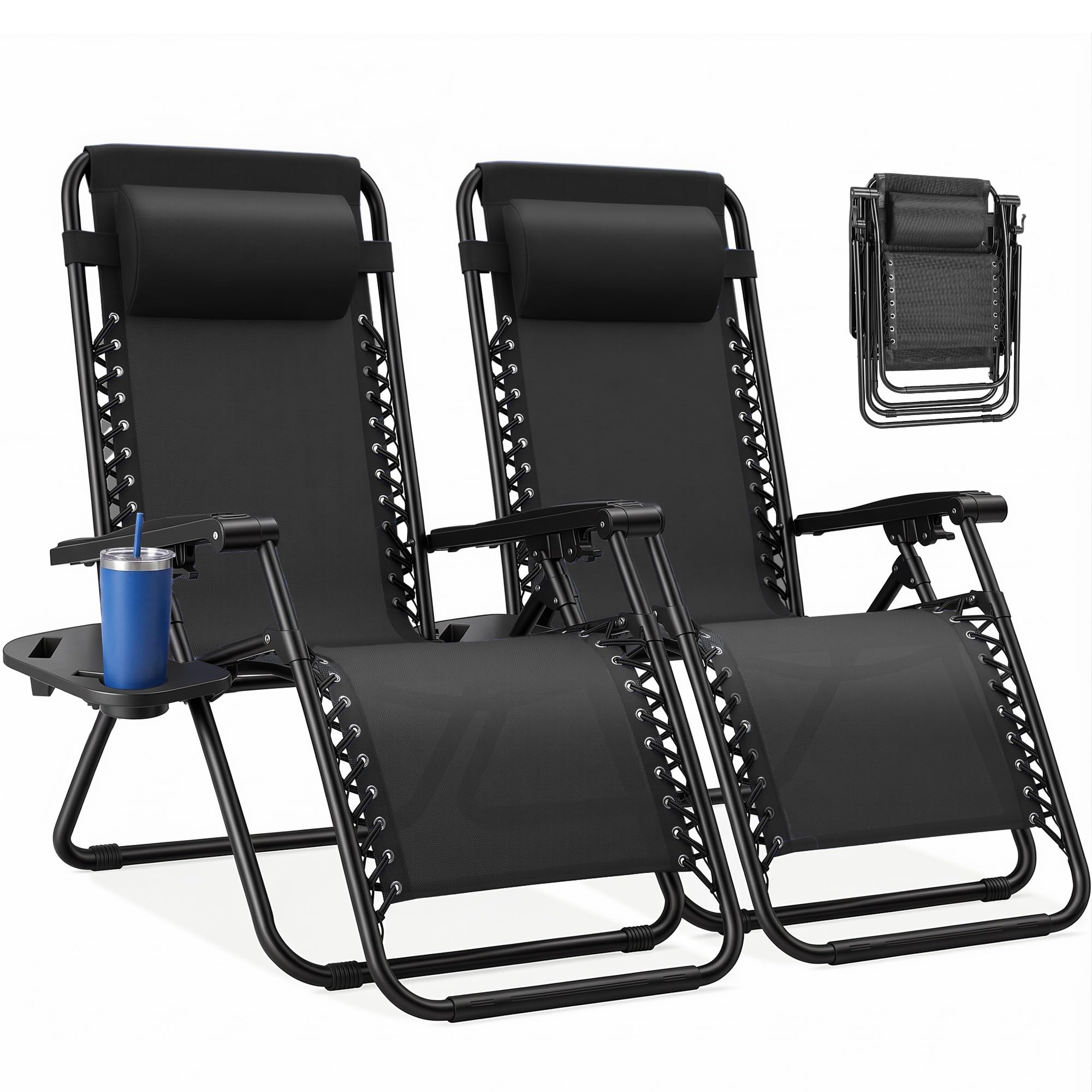
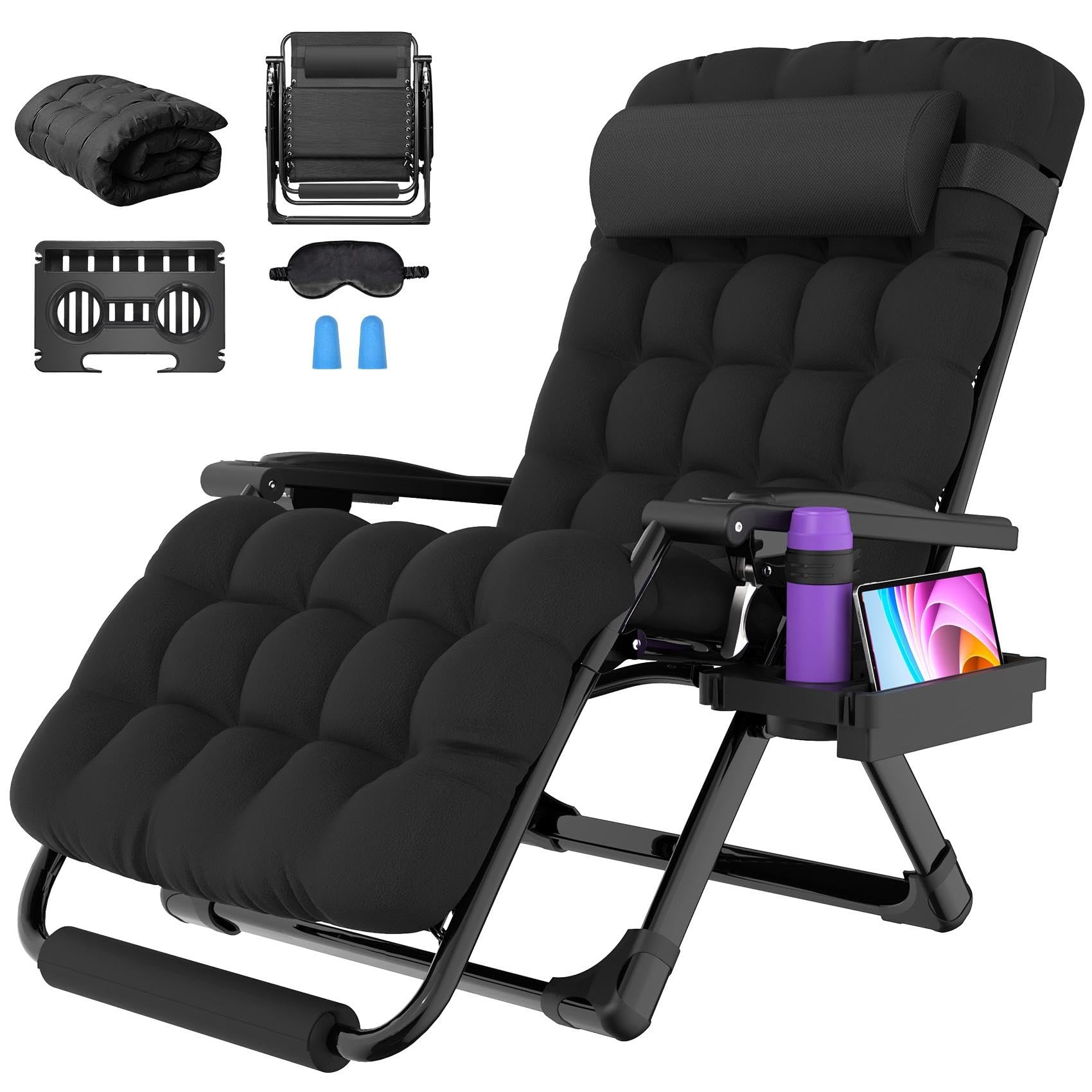
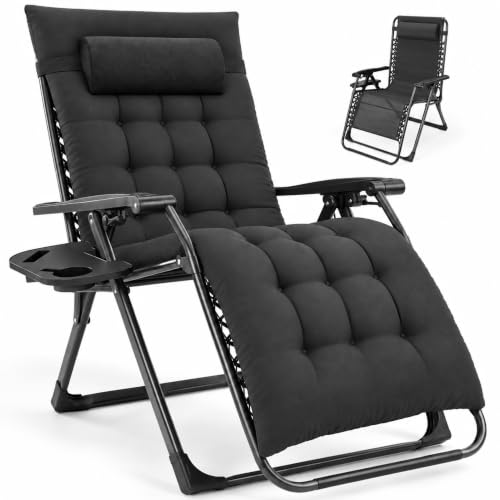

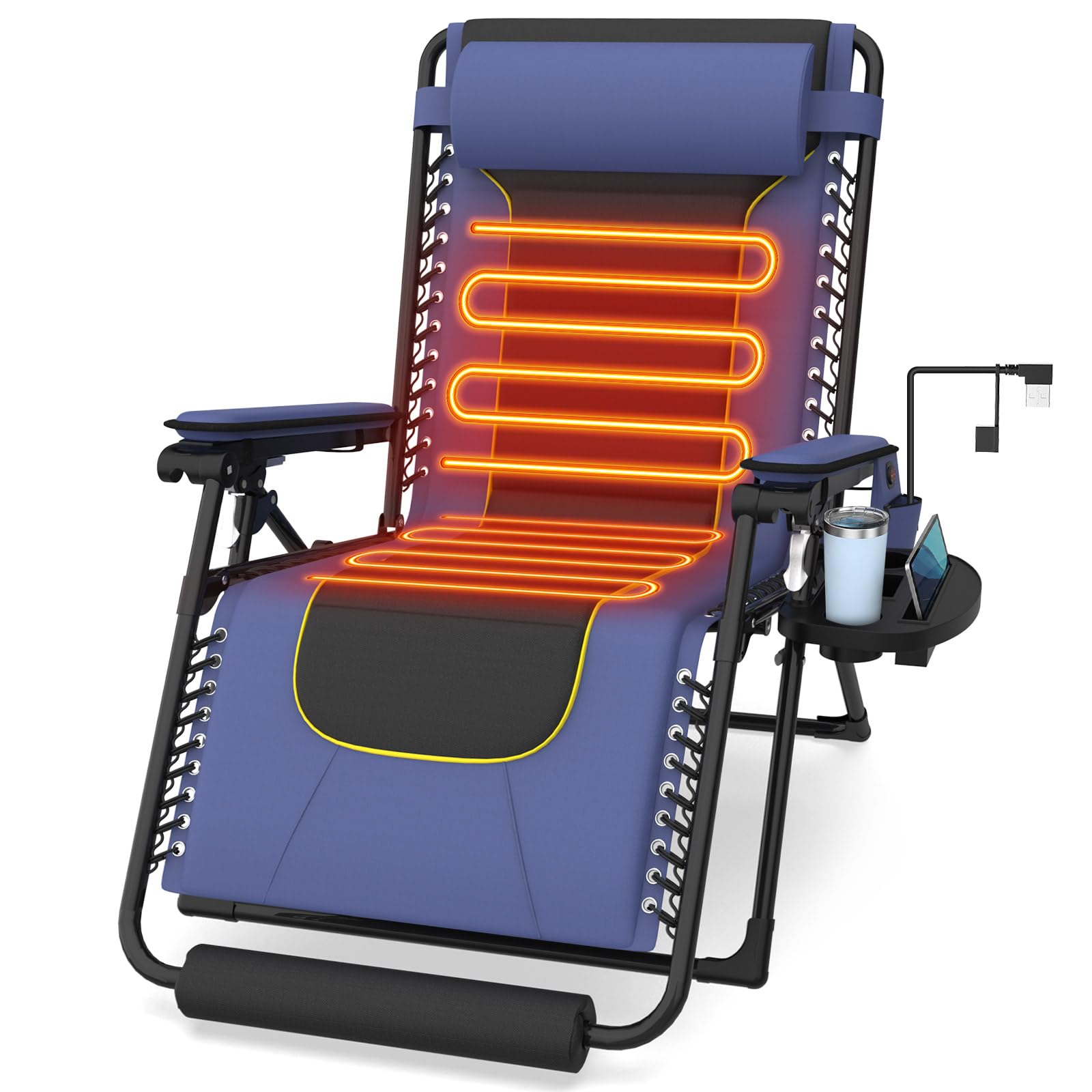
Who Should Buy Which Antigravity Chairs?
Use patterns matter more than price alone. A chair for daily use on a balcony needs different strengths than a chair for occasional camping trips, and a gift chair needs to be simple enough for someone else to unfold and enjoy right away.
For People Who Want Deep Relaxation
If you plan to lounge for an hour or more, look for a wide seat, a long recline range, and a lock that holds firmly at several angles. A padded headrest and a full length fabric sling help your head, back, and legs rest in one even line, rather than letting your lower back sag. Check that the footrest stays level when fully reclined, and that the chair does not creak or shift when you change position. A heavier frame often feels steadier here, even if it is harder to carry.
For First Time Buyers
First time buyers do best with a simple chair that opens in one smooth motion and locks without extra levers or tools. Look for clear setup steps, a stable base that sits flat on grass and pavement, and fabric that wipes clean after rain or sunscreen. Avoid chairs with many small moving parts at first, since each joint is one more place that can loosen over time. A mid sized chair with a weight limit well above your weight is a safe and comfortable starting point.
For Gift Shoppers
A gift chair should be easy to use, easy to store, and backed by clear warranty terms. Choose a neutral color, a fold flat design, and a carry handle or strap so the recipient can move it without help. Check the folded size against a car trunk or closet, and make sure the weight is light enough for the person who will use it. A simple recline lock and a removable headrest pillow make the gift more welcoming, since the recipient will not need instructions to enjoy the first use.
Key Features to Compare
Compare chairs feature by feature, and give extra weight to the features that match your setting. A poolside chair needs quick drying fabric, while a camping chair needs a compact fold and a light frame.
Size, Dimensions, and Weight Capacity
Measure the seat width, seat height, and total length when fully reclined, not just when upright. A chair that fits a small balcony upright may block a walkway once it leans back, so leave room behind it for the full recline. Seat height matters too, since a very low seat can be hard to get out of if you have stiff knees or balance concerns. Always choose a weight capacity with a comfortable margin above the heaviest user, and check whether that limit covers the chair plus a bag or blanket.
Recline and Locking
The recline mechanism decides whether the chair feels restful or fiddly. A good chair moves smoothly from upright to fully reclined and locks firmly at each stop, without slipping when you shift your weight. Try it before you settle in: you should be able to adjust the angle with one hand on the armrest while seated, and the lock should release just as smoothly. Avoid chairs where the lock feels loose or where the chair snaps back upright on its own, since that motion can be startling and uncomfortable.
Build Quality and Frame
Most antigravity chairs use a steel or aluminum tube frame, and the tube thickness, joints, and base shape decide how steady the chair feels. Steel frames often feel heavier and more planted, while aluminum frames are lighter and easier to carry but may flex more under a heavier user. Look for tight joints, smooth welds, and a base that spreads weight across several feet rather than rocking on two points. For a broader look at seating build quality, see our guide to best quality chairs and compare frame thickness and joint design before you decide.
Ergonomics and Adjustability
True comfort comes from how the chair supports your head, lower back, and legs in the reclined position. An adjustable headrest lets you line up neck support with your height, and a lumbar pad can fill the curve of your lower back if the sling feels too flat. Armrests should be wide enough to rest your forearms without pinching your elbows, and they should stay in place when you lean back. Adjustability in a lounge chair is simpler than in a desk chair, but the same idea applies: if you cannot adjust the support to your body, the chair will not stay comfortable for long.
Readers comparing adjustable seating may also want our guide to best office task chairs, which explains height and support adjustment in more detail.
Materials and Upholstery
Fabric choice affects comfort, drying time, and care. A breathable mesh style fabric stays cooler on hot days and dries faster after rain, while a padded fabric feels softer but may hold heat and moisture. Check the stitching along the edges and around the headrest, since those seams carry stress every time you recline. If you plan to leave the chair outdoors, choose fabric that resists fading and mildew, and store the chair under cover during long wet spells.
For seating chosen mainly for soothing comfort, our guide to best massage massage chairs covers padded support and rest focused features in a different chair type.
Common Mistakes to Avoid When Buying Antigravity Chairs
- Judging only by price, which can hide a weak lock, thin fabric, or a low weight limit.
- Ignoring reclined dimensions, so the chair blocks a path or hits a wall when leaned back.
- Buying a chair that is too large for a small balcony or too small for a tall user.
- Skipping the warranty check, then finding that fabric tears and joint wear are not covered.
- Assuming every chair is weatherproof, when most still need cover and dry storage.
How to Make Your Antigravity Chair Last Longer
Simple care keeps the frame tight and the fabric strong. Tighten bolts every few months, since repeated reclining slowly loosens joints, and wipe the fabric after sunscreen, salt water, or spilled drinks. Fold the chair for storage rather than leaving it open in strong wind, and keep it dry between uses to slow mildew and rust. Check the recline lock now and then, and stop using the chair if the lock slips or a joint cracks, since a failed lock can drop you suddenly.
If you notice persistent or worsening pain, numbness, or trouble standing or keeping your balance, talk with a doctor about what seating and recline positions suit you, rather than expecting a chair to treat a health condition.
Antigravity Chairs: Your Questions Answered
How long should a good antigravity chair last?
A well built antigravity chair often lasts several seasons of regular outdoor use, while a light frame with thin fabric may wear out sooner. Lifespan depends on how often you recline it, how much weight it carries, and whether it is stored dry and out of strong sun. Chairs left open through rain and winter usually fade, rust, or weaken at the joints faster than chairs folded and stored indoors. Inspect seams, locks, and feet each season, and replace the chair if the frame bends or the lock no longer holds.
How do I choose the right size antigravity chair?
Start with your height and shoulder width, then compare them with the seat width and the length of the fabric sling. Your shoulders should rest inside the fabric without squeezing, and your head should reach the headrest without sliding down. Next, measure your space with the chair fully reclined, and leave walking room behind and beside it. Finally, check the seat height: you should be able to sit down and stand up without pushing hard on the armrests.
What features matter most for long hours?
For long hours, the recline lock, headrest position, and fabric breathability matter most, because small discomforts grow over time. A lock that holds steady lets you relax without bracing your legs, while a headrest at the right height keeps your neck from aching. Breathable fabric helps you stay cool, and a full length sling spreads pressure across your back and legs. A side pocket or cup holder is a bonus, but it never makes up for a poor lock or a seat that is too narrow.
Is an expensive antigravity chair worth it?
A higher price can be worth it when it buys a stronger frame, thicker fabric, a smoother lock, and a longer warranty, but price alone does not guarantee comfort. Compare the weight limit, frame material, and warranty terms side by side, and think about how often you will use the chair. A daily user may benefit from a sturdier build, while an occasional camper may prefer a lighter and cheaper chair. Spend more on fit and lock quality first, and treat extras like canopies and trays as secondary.
Can I leave an antigravity chair outside all year?
You can leave most antigravity chairs outside for short periods, but year round exposure shortens their life. Sun fades fabric, rain feeds mildew, and freeze and thaw cycles stress joints and coatings. If you must keep a chair outdoors, use a cover, fold it when not in use, and bring it inside during storms and winter. Wipe it dry after rain, and check the lock and fabric before the first use each spring.
Final Thoughts
The right chair fits your body, your space, and your routine, with a steady lock, a supportive recline, and fabric that suits your climate. Compare the picks in the table against those three tests, and do not let a low price or a fancy extra override a poor fit. If you take time to measure and to check the weight limit and warranty, the best antigravity chairs will feel restful season after season, whether they live on a patio, by a pool, or at a campsite.