
Best Beach Cooler with Speakers for 2026: A Buyer Checklist
Disclosure: We may earn a commission when you buy through links on this page, at no extra cost to you. As an Amazon Associate I earn from qualifying purchases. Learn more

Learn how to choose the best beach cooler with speakers using a clear checklist on ice retention, battery life, water resistance, size, and sound quality.
A cooler that plays music sounds simple until sand, salt water, and a dying battery join the trip. The best beach cooler with speakers has to keep drinks cold for hours while its speakers survive splashes and stay loud enough over wind and waves. This guide gives you a checklist to judge both halves of the product. Read it once, then scan the product table below with clear eyes.
The core idea is balance. A huge cooler with weak speakers is just a heavy box, and a loud speaker on a thin cooler leaves you with warm soda by noon.


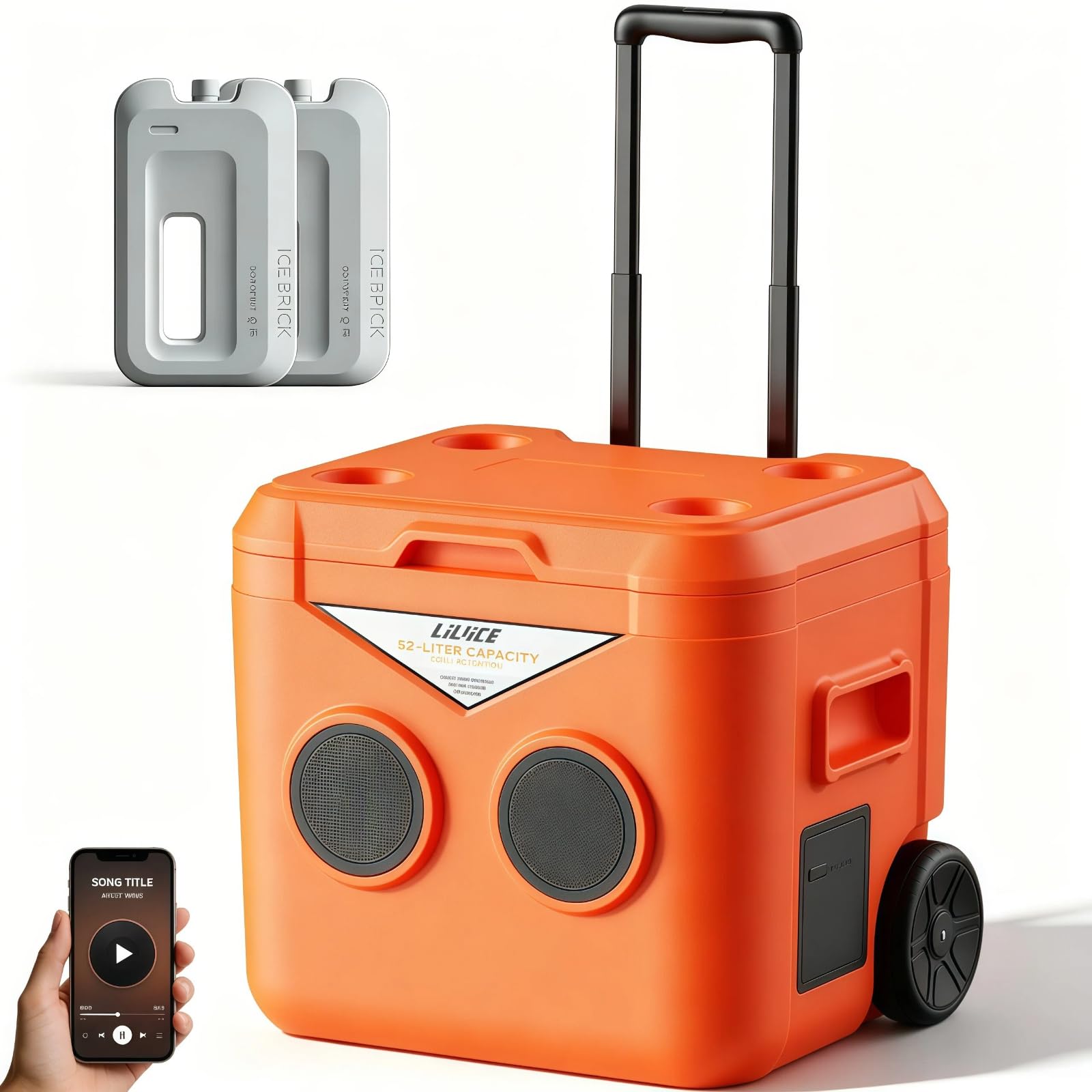
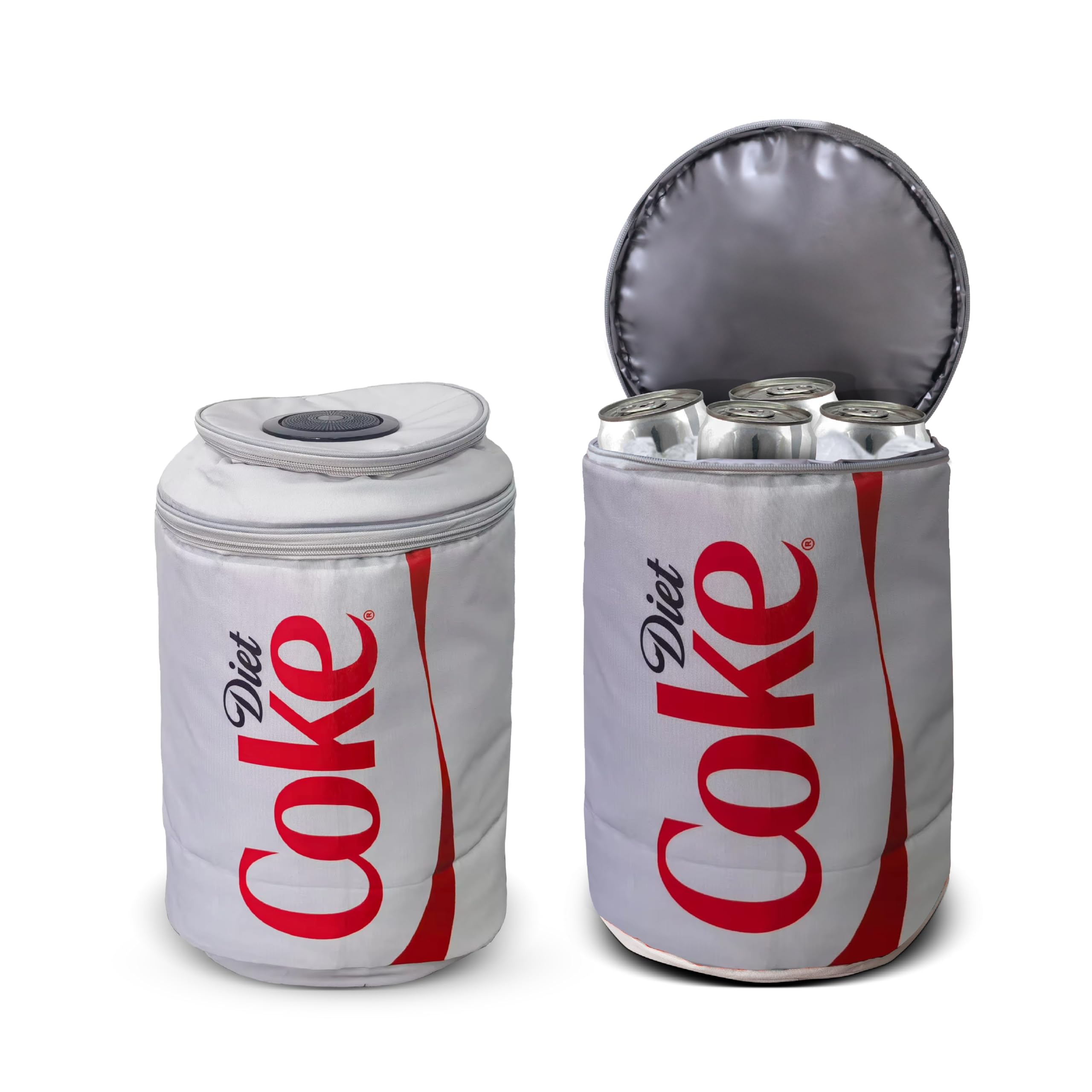
How to Evaluate Beach Coolers
Judge these coolers as two products sharing one body: a cooler first, and a speaker second. If the cooler half fails, the music does not save the day. Each criterion below includes the numbers that separate a good beach day tool from a gimmick.
Why Choose a Beach Cooler With Speakers
The benefit is one less thing to carry and one less device to guard from sand. A built in speaker cannot fall off a towel or roll into the water, and it shares the cooler battery or its own cell in one tidy unit. The limits are real too. If the speaker fails, you cannot swap in a new one, and repair options are slim. Choose this format when simplicity matters more than the option to upgrade each part on its own.
If you would rather keep the two jobs separate, our guide to the best beach speakers covers standalone options that pair with any cooler you already own.
Weight and Packed Size
An empty cooler with speakers often weighs about 8 to 20 lb before you add ice and drinks. Ice can add another 5 to 15 lb, so check the total you will actually lift into the car. Soft models pack flatter for storage, while hard models hold their shape and stack better. Handles and wheels matter as much as raw weight, because a well balanced carry feels lighter than the scale suggests.
Materials and Durability
Hard coolers usually use thick plastic shells that shrug off drops and double as a seat or side table. Soft coolers use heavy fabric with welded seams and foam insulation, which saves weight but needs gentler handling. Check the speaker grille and control panel for sealed edges, since sand works into any open seam. Zippers should feel chunky and move smoothly, because a failed zipper ends the cooler long before the insulation wears out.
Weather and Water Resistance
Look for a stated water resistance rating on the speaker section, such as IPX5 or IPX7. IPX5 handles splashes and light rain, while IPX7 means the unit can survive a brief dip in shallow water. No rating at all is a warning sign for beach use. Remember that the rating covers the speaker, not your phone, so keep your phone in a dry pocket or pouch while it streams.
For more detail on ratings and volume outdoors, see our guide to the best wireless speakers for beach trips.
Packability and Accessories
Useful extras include a bottle opener, a dry storage pocket for keys, and a shoulder strap with padding. Some models add cup holders in the lid, which keep cans out of the sand. A removable speaker or a speaker that detaches for charging is a genuine plus, since it lets you bring music to a picnic table while the cooler stays by the towels. Skip accessories you will not use, because each one adds weight.
Capacity and Performance Specs
Capacity is listed in quarts or can counts. About 20 to 30 quarts suits two to four people for an afternoon, while 40 quarts and up fits a group day. For the cooler half, look at claimed ice retention of at least a full day in summer heat. For the speaker half, battery life of about 8 to 15 hours and clear output matter more than huge watt claims, because wind eats volume fast outdoors.
Bluetooth range near 30 feet is plenty for a towel setup. If you want to compare this format with home and party models, our guide to the best coolers with speakers explains how the broader category splits by size and use.
Three Tiers That Pass the Checklist
Rather than naming specific models, this section shows what each tier should deliver to pass the checklist above. Use the product table above to test real listings against these expectations. If a listing hides battery life or water resistance, treat that silence as a failed item.
Premium Full Day Tier
The premium tier, often about $150 to $300, should give you a full day of ice retention and about 10 or more hours of play time. Expect a clear water resistance rating, sturdy latches or zippers, and sound that stays clean at high volume. This tier suits families and groups who use the cooler most weekends in summer. Its main drawback is weight, since better insulation and a bigger battery both add pounds you must carry across the sand.
Value Tier
Value models, often about $80 to $150, trim the extras and keep the core. Ice retention may run closer to a long afternoon than a full day, and play time may sit near 6 to 10 hours. That is still plenty for most beach trips. Check this tier carefully for a stated water resistance rating, because that is the spec budget models most often leave vague. A simple, honest value model beats a flashy one with missing numbers.
Compact Tier
Compact models, often about $60 to $120, hold roughly 12 to 20 quarts and suit couples or solo trips. They are light enough to carry in one hand with a chair in the other. The speaker is smaller, so expect pleasant background volume rather than party volume. Storage is the quiet win here, since a compact cooler fits a closet shelf or a small trunk without a fight. If your group is bigger, this tier will feel cramped by lunch.
Quick Buyer Checklist
- Does the listing state ice retention in hours under summer conditions, not just a vague claim?
- Is the speaker battery life at least 8 hours at moderate volume?
- Does the speaker section carry a clear water resistance rating such as IPX5 or higher?
- Can you lift the cooler when it is full of ice and drinks, or does it have wheels and strong handles?
- Does the capacity match your group size, at roughly 6 to 8 quarts per person for a day trip?
- Are the controls usable with wet hands, with real buttons rather than only touch panels?
- Does the lid seal tightly enough that melted ice water will not leak in your car?
Red Flags to Watch For
- No water resistance rating anywhere in the listing, which usually means the speaker was never sealed for outdoor use.
- Huge watt or volume claims with no battery life figure, a pairing that rarely holds up in practice.
- A warranty of only a few months on an electronic product you plan to use near water.
- Thin latches, flimsy zippers, or a lid that does not sit flat when you press on it.
- Many similar sounding short reviews and few detailed ones, which makes real owner experience hard to judge.
Portability is the other quiet test. If you like to move light, our guide to the best portable speakers for beach use shows the trade offs of carrying a small separate speaker instead.
Tips to Get the Most From Your Beach Cooler
Chill drinks before they go in, and fill gaps with ice so cold air is not wasted on empty space. Keep the lid closed between grabs, and park the cooler in shade or under a towel to slow melting. Charge the speaker the night before and test the Bluetooth pairing at home, not on the sand. After the trip, empty melt water, wipe the seals, and store the cooler with the lid slightly open so odors do not build up. Rinse sand off the speaker grille gently and let everything dry fully before storage.
One more pairing tip: a chair with its own small cooler pouch can hold a personal drink and snack, and our guide to the best beach chairs with cooler pockets shows that setup.
Frequently Asked Questions
How long should ice last in a beach cooler with speakers?
A full day is a fair target for a mid range model in summer heat. Pre chilled drinks, a full load of ice, and shade can stretch retention toward a day and a half. Opening the lid often cuts that time sharply, so grab drinks in rounds. Block ice melts slower than cubes, and a mix of both fills gaps while keeping the cold dense through the afternoon.
How loud should a beach cooler speaker be, and how long should the battery last?
Plan on clear sound for a circle of towels, not for the whole beach. Look for about 8 to 15 hours of stated play time, and expect less at high volume on a windy day. Real buttons help when your hands are wet or sandy. If music is the main event for a big group, a separate larger speaker will outperform any cooler speaker, so buy this format for convenience first.
Is a lighter beach cooler with speakers worth the higher price?
It is worth it when your walk to the sand is long or includes stairs. Saving five pounds matters once ice and drinks join the load. Lighter models often use thinner insulation, though, so confirm the ice retention figure before you pay for the weight saving. If you park close to the beach and drive most of the way, a heavier and cheaper cooler usually serves you just as well.
How long does a beach cooler with speakers last?
The cooler body can last five years or more, while the speaker battery is usually the first part to age. After two to three seasons, play time may drop as the battery wears. You can slow that by avoiding full drains and storing the unit partly charged indoors. If the speaker dies but the cooler still seals well, you still own a good cooler, which softens the risk of the combined format.
Wrapping Up
Judge the cooler half first: ice retention, seal, and carry weight decide most of your day. Then check the speaker half for a real water resistance rating and honest battery life. If you keep those priorities straight, finding the best beach cooler with speakers for your group becomes a quick scan of the product table above rather than a gamble.


